
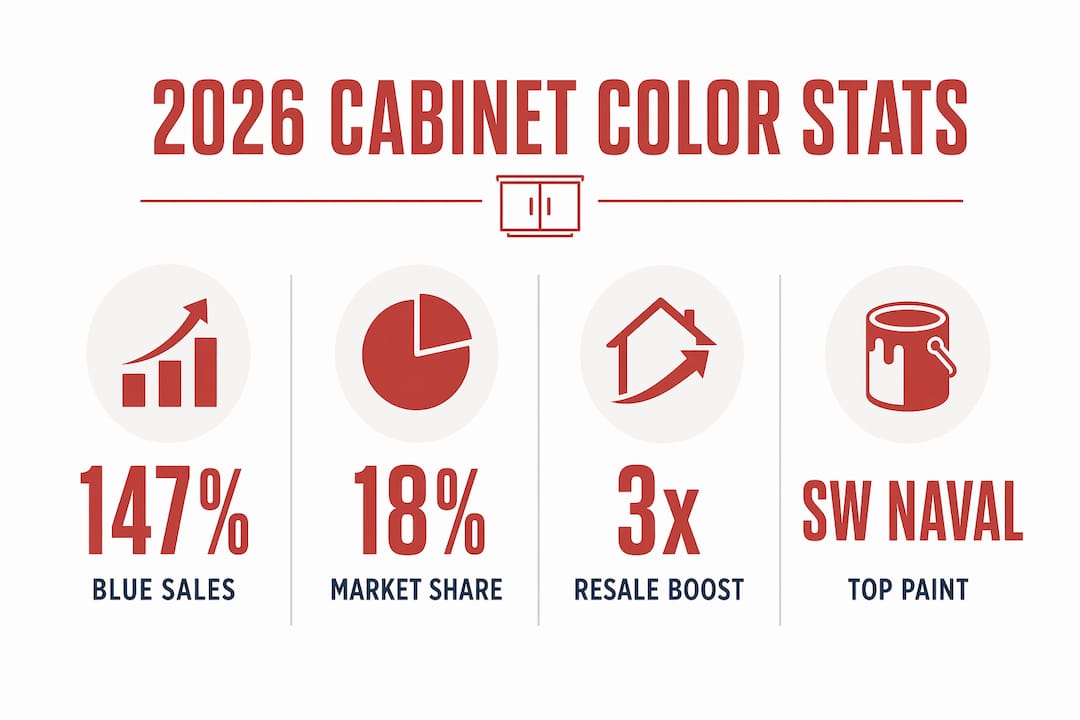
Navy blue cabinets are the most requested bold kitchen color in America right now, and the data behind why navy blue cabinets became popular tells a clear story. Blue is now the leading cabinet color in renovated kitchens, chosen by 18% of homeowners and edging out green at 17% according to the 2026 Houzz Kitchen Trends Study. Navy sits at the center of this shift because it delivers the drama of a dark color without the finality of black, and the versatility of a neutral without the blandness of gray. If you are weighing cabinet colors for your kitchen, this guide breaks down exactly what is driving the trend and how to use it well.
Why navy blue cabinets became the top kitchen color
The numbers behind navy’s rise are striking. Sales of blue kitchens surged 147% in 2025, according to Tom Howley, founder of the Tom Howley kitchen brand. That is not a slow drift in preference. That is a category shift. Homeowners who spent years defaulting to white or gray cabinets are now choosing navy in large numbers, and the reasons go beyond aesthetics.
Zillow research published in December 2025 found that homes with bespoke finishes and custom cabinetry colors sell for about 3% more than expected. That premium reflects a broader market reality: buyers want personality in a kitchen, not just cleanliness. Navy delivers both. It reads as a deliberate, confident design choice rather than a safe default.
The color psychology behind navy also matters. A separate Zillow survey of more than 4,200 buyers found that navy blue rooms command roughly $1,815 more at sale compared to rooms in neutral tones. Buyers perceive navy as premium. That perception translates directly into willingness to pay more.
Three forces are driving the popularity of navy cabinets right now:
- Personality over neutrality. Homeowners are moving away from all-white kitchens toward colors that reflect individual style.
- Timelessness over trend. Navy has a decades-long design history that makes it feel safe even when it is bold.
- Resale confidence. Market data shows navy adds perceived value rather than limiting buyer appeal.
Does navy blue actually act like a neutral?
Navy blue functions as a neutral in kitchen design. That claim sounds counterintuitive, but navy’s design versatility is well documented by kitchen specialists. Unlike cobalt or teal, navy sits at the dark, desaturated end of the blue spectrum. It does not compete with other colors in a room. It anchors them.
This is the core reason why choose navy cabinets over other bold colors comes down to flexibility. Navy pairs naturally with:
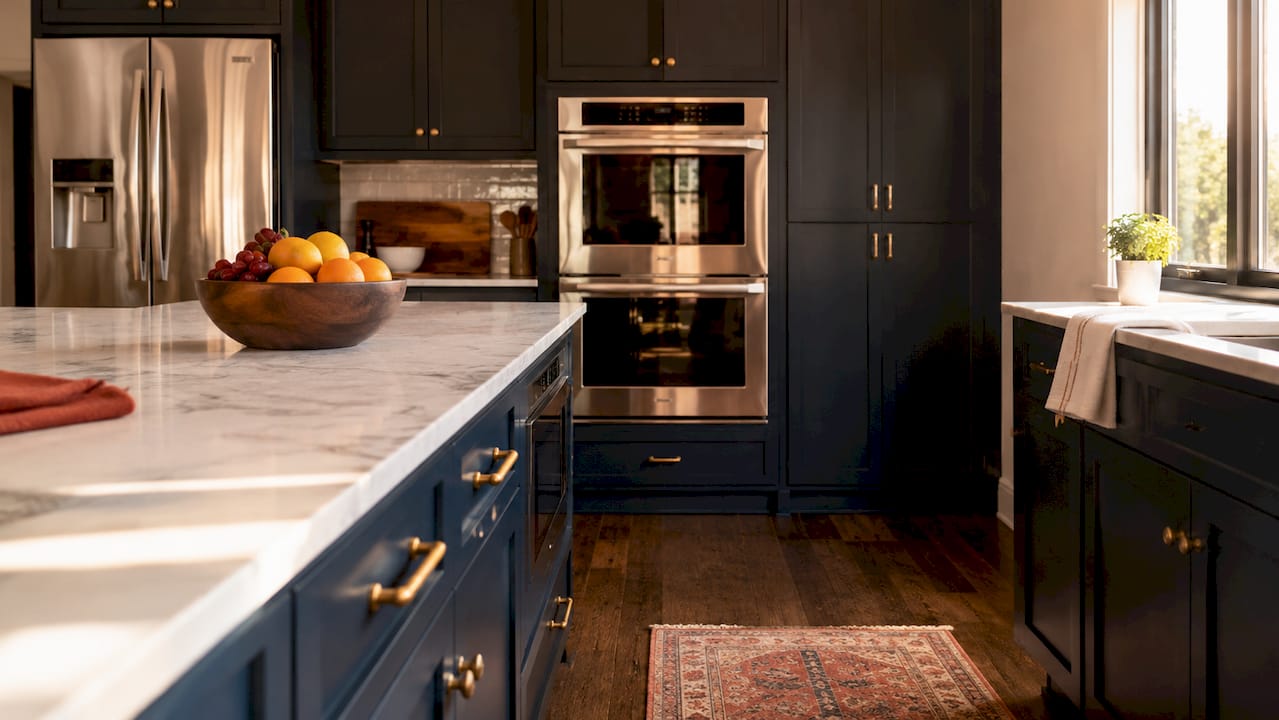
- Warm wood tones like white oak or walnut, which soften its depth
- Brass and copper hardware, which add warmth and prevent a cold, corporate feel
- White and cream countertops, which create contrast without visual tension
- Matte black fixtures, which reinforce a modern, grounded aesthetic
The navy blue color psychology behind this versatility connects to associations with stability, trust, and quality. These are the same reasons navy appears in luxury brand identities and formal interiors. In a kitchen, those associations translate to a space that feels considered and premium without trying too hard.
Pro Tip: If you are nervous about committing to navy on all cabinets, start with the lower cabinets only and pair them with white or cream uppers. This two-tone approach is one of the most popular configurations in 2026 kitchen design.
Navy also ages well. Trends like sage green or terracotta carry a stronger time stamp. Navy has appeared in high-end British and American kitchens for decades, which means it does not read as a 2025 trend pick five years from now.
How lighting and finish affect navy cabinets
Lighting is the variable most homeowners underestimate when choosing navy. Navy cabinetry shifts dramatically depending on light source and intensity. In dim or cool light, navy can read as nearly black. In warm, bright light, its blue and sometimes green undertones become visible. Getting this wrong means your cabinets look different every time of day.
Here is how to control the outcome:
- Choose warm-toned lighting (2700K–3000K). This range reveals navy’s true blue character and prevents it from looking flat or muddy.
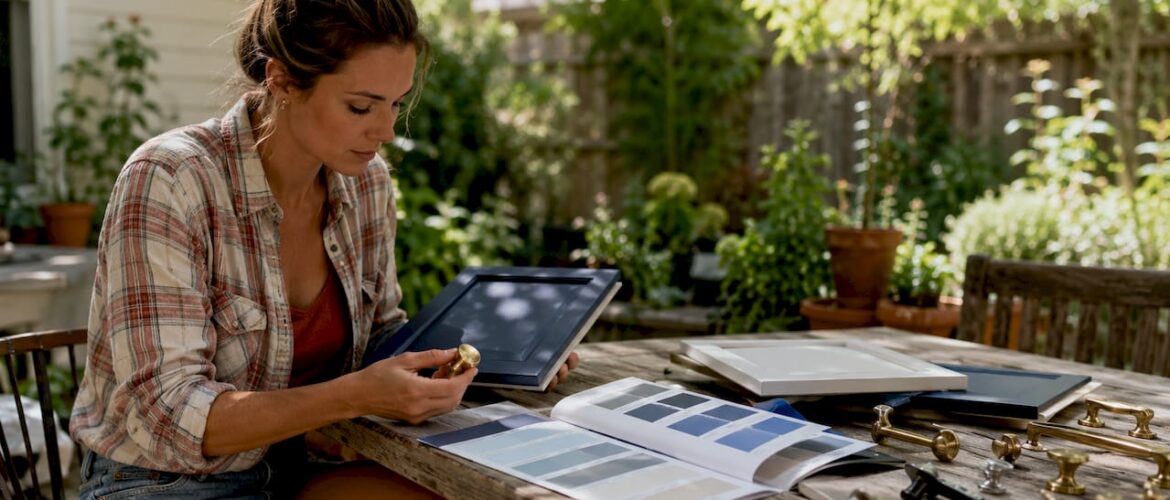
- Test your chosen color under both natural and artificial light. Paint a large sample board and observe it at morning, midday, and evening.
- Select a finish that works with your light levels. Matte finishes absorb light and deepen the color. Satin finishes reflect light and keep the color readable in darker kitchens.
- Surround navy with light neutrals. White walls, cream tile, or light stone counters act as a visual reset that keeps the space from feeling heavy.
- Add under-cabinet lighting. This is the single most effective way to prevent navy lower cabinets from creating a dark, closed-in feel.
Designers frequently apply navy as a contained high-impact zone rather than across every surface. A navy island surrounded by white perimeter cabinets is a classic configuration because it creates drama without commitment. It also gives future buyers a clear focal point rather than an overwhelming color field.
Pro Tip: Sherwin-Williams Naval (SW 6244) is the most referenced navy in professional kitchen design right now. It reads as a true, balanced navy without strong green or purple undertones, which makes it one of the most predictable performers across different lighting conditions.
Navy blue vs. other trending cabinet colors
Navy does not exist in a vacuum. Understanding why it leads the market requires comparing it directly to the competition.
| Color | 2026 Popularity | Timelessness | Pairing Flexibility | Resale Risk |
|---|---|---|---|---|
| Navy Blue | 18% (top ranked) | Very high | Very high | Low |
| Sage Green | 17% (close second) | Moderate | Moderate | Moderate |
| Gray | Declining | High | High | Low |
| Forest Green | Growing niche | Moderate | Moderate | Moderate |
| Terracotta | Emerging | Low | Low | Higher |
Gray held the dominant position for most of the 2010s. Its decline reflects homeowner fatigue with a color that reads as safe but impersonal. Sage green surged in 2023 and 2024 as a warmer alternative, but it carries a stronger trend association. Designers and homeowners who want to avoid a dated kitchen in five years are choosing navy over sage for exactly that reason.
Forest green is gaining ground, particularly in kitchens with natural wood elements and brass hardware. It shares some of navy’s grounding qualities but reads as more seasonal and less universally appealing to buyers. Terracotta and warm earth tones are emerging in 2026 kitchen color trends, but they carry the highest resale risk of any current trend because they appeal to a narrower buyer pool.
Navy’s win is structural. It is bold enough to satisfy homeowners who want personality, but it has the design track record of a color that does not expire. That combination is rare in kitchen design, and it explains why navy blue interior design continues to grow even as other colors cycle in and out.
Key takeaways
Navy blue cabinets lead the market because they deliver bold personality with the long-term reliability of a neutral, backed by data showing both homeowner preference and measurable resale value gains.
| Point | Details |
|---|---|
| Market leadership | Blue is the top cabinet color in 2026, chosen by 18% of renovating homeowners per Houzz. |
| Resale value | Homes with navy cabinetry and custom finishes sell for measurably more than comparable neutral kitchens. |
| Neutral behavior | Navy pairs with wood, brass, white stone, and black fixtures without competing for visual dominance. |
| Lighting matters | Warm lighting (2700K–3000K) and light surrounding neutrals are required to keep navy from reading as black. |
| Lower risk than alternatives | Navy has a longer design history than sage green or terracotta, making it a safer long-term color investment. |
Navy’s staying power is not an accident
I have watched enough kitchen trends come and go to know the difference between a color that homeowners love for a season and one that earns a permanent place in the design vocabulary. Navy is the latter, and I say that with confidence.
What strikes me most about the current navy moment is that it is not driven by Instagram aesthetics alone. The homeowners choosing navy are thinking about resale, about longevity, and about how their kitchen will feel in ten years. That is a different kind of decision than choosing a color because it looked good in a magazine spread.
The one thing I would push back on is the idea that navy is risk-free. It is lower risk than most bold colors, but it still requires thoughtful execution. I have seen navy kitchens that feel oppressive because the lighting was wrong or the hardware was too dark. The color does not save a poorly planned kitchen. It rewards a well-planned one.
My prediction for the next three years: navy holds its position at the top, but softer blues like slate and dusty indigo start gaining ground as homeowners look for the same versatility with a lighter touch. Navy will remain the anchor of the blue cabinet category, but the category itself will expand. If you are considering it now, you are not chasing a trend. You are making a decision that the market consistently validates.
— Jesse
Get a navy blue kitchen without the replacement cost
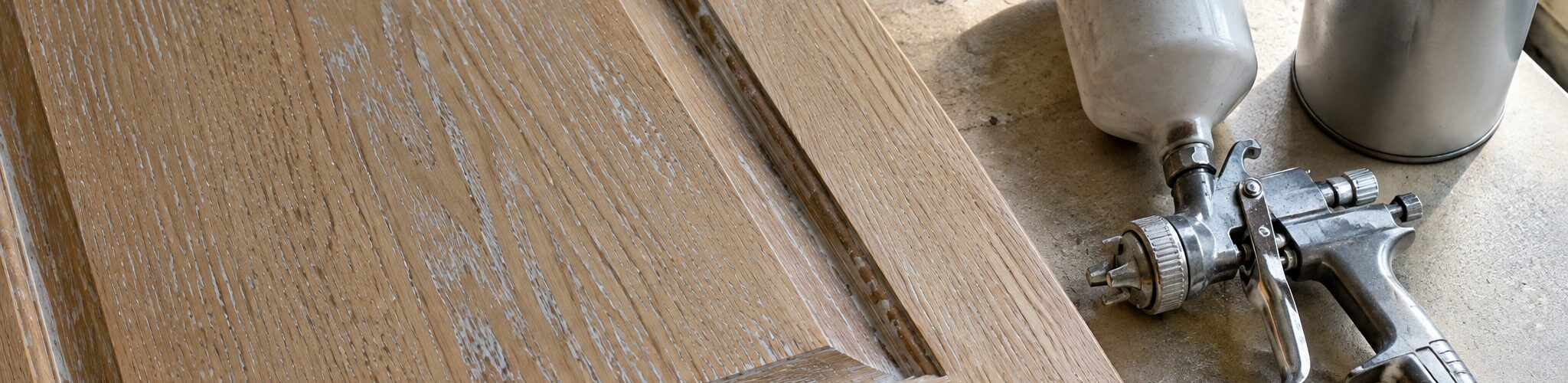
If navy blue has convinced you it is time to transform your kitchen, you do not need to replace your cabinets to get there. Cabinetsrefinishing delivers factory-quality cabinet finishes in navy and dozens of other colors, with projects completed in 3–5 days and costs ranging from $3,000 to $8,000. That compares to $15,000 to $40,000 for full cabinet replacement.
Cabinetsrefinishing uses a multi-layer factory-finish process that produces the color depth and durability navy requires. The color precision matters with navy because slight variations in tone change how the color reads under different lighting conditions. If you want a high-end kitchen update without the disruption and cost of a full remodel, professional refinishing is the direct path to that result.
FAQ
What made blue the most popular cabinet color in 2026?
Blue overtook green as the top cabinet color in 2026, chosen by 18% of homeowners in the Houzz Kitchen Trends Study. The shift reflects growing homeowner demand for personality and premium feel in kitchen design.
Is navy blue a good long-term cabinet color choice?
Navy blue has a strong design history that predates current trends, making it one of the more durable color choices for cabinets. Unlike sage green or terracotta, navy does not carry a strong trend time stamp that dates a kitchen quickly.
What hardware works best with navy blue cabinets?
Brass and copper hardware are the most recommended pairings for navy cabinets because their warm tones prevent the color from reading as cold or heavy. Matte black is a strong alternative for a more modern, grounded look.
Does navy blue add value to a home?
Zillow research found that homes with navy blue rooms and custom cabinetry finishes sell for measurably more than comparable homes with neutral colors. Buyers perceive navy as a premium, deliberate design choice.
Should i use navy on all cabinets or just some?
Designers most often apply navy to islands or lower cabinets while keeping upper cabinets white or cream. This approach creates high visual impact while keeping the space feeling open and giving future buyers flexibility.
Recommended
- Painting Kitchen Cabinets Navy Blue: The Denver Homeowner’s Guide to a High-End Finish – Cabinet Refinishing and Cabinet Painting Denver 720-219-9716
- Kitchen Cabinet Color Trends 2026: Denver’s Guide to Modern Refinishing – Cabinet Refinishing and Cabinet Painting Denver 720-219-9716
- Kitchen Cabinet Color Trends Denver 2026: The Homeowner’s Guide to Modern Refinishing – Cabinet Refinishing and Cabinet Painting Denver 720-219-9716
- Painting Kitchen Cabinets Gray: The Professional Guide for Denver Homeowners – Cabinet Refinishing and Cabinet Painting Denver 720-219-9716