
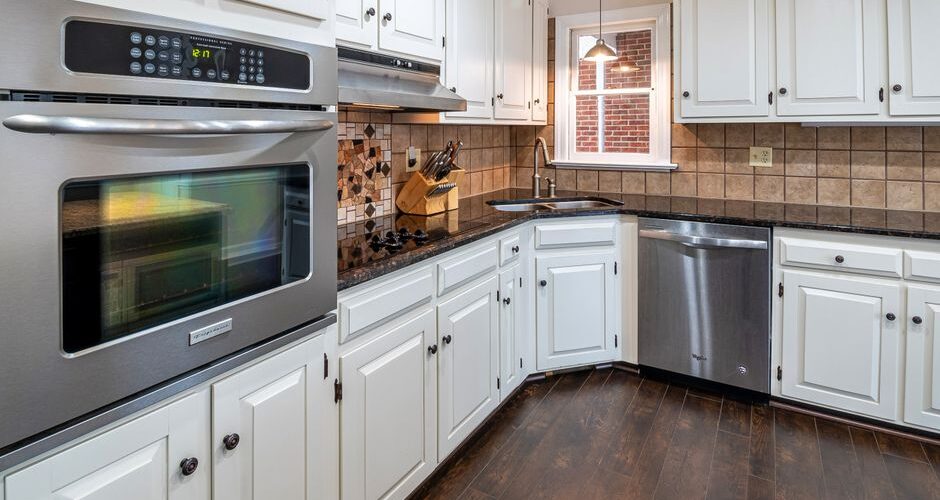
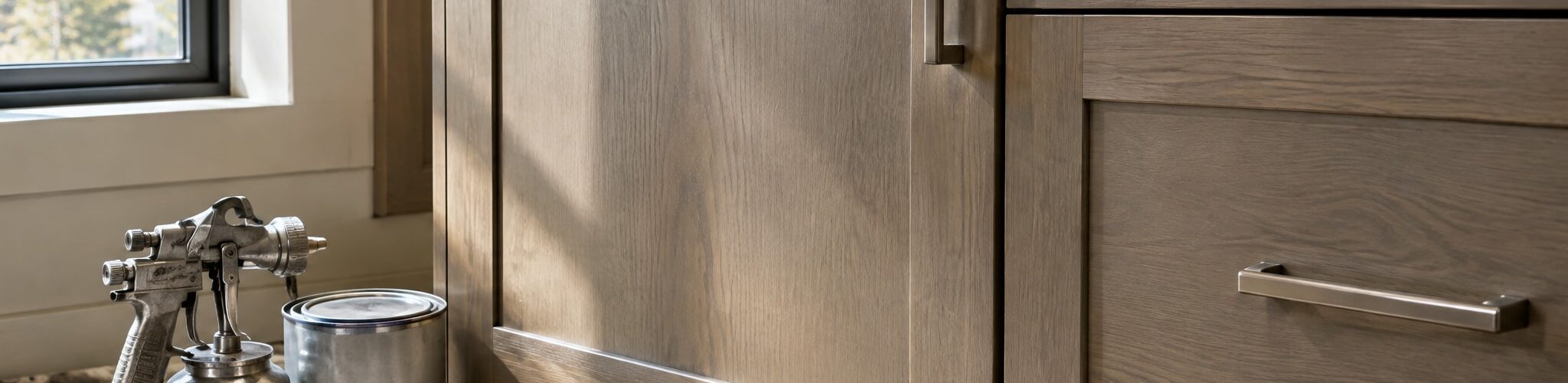
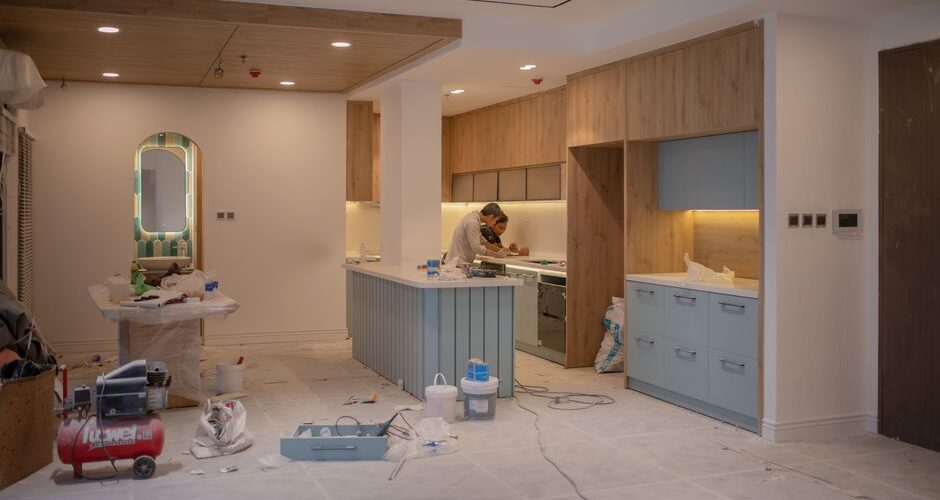
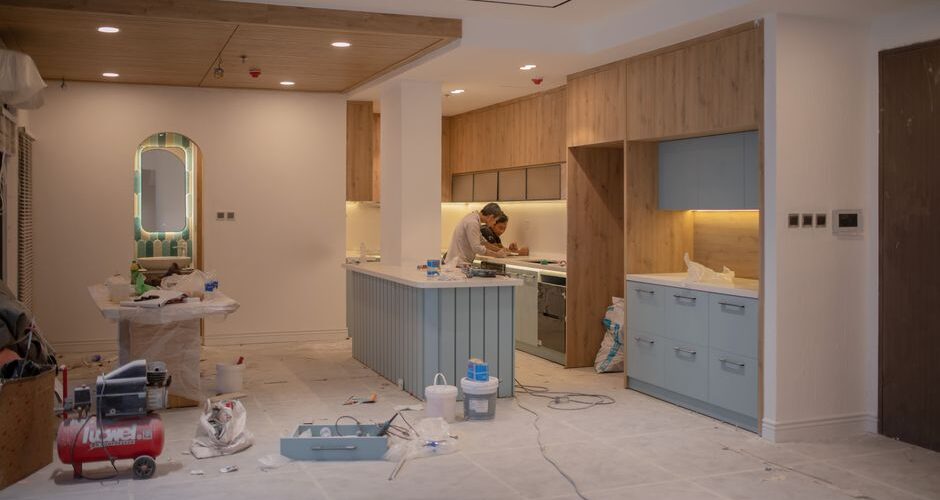
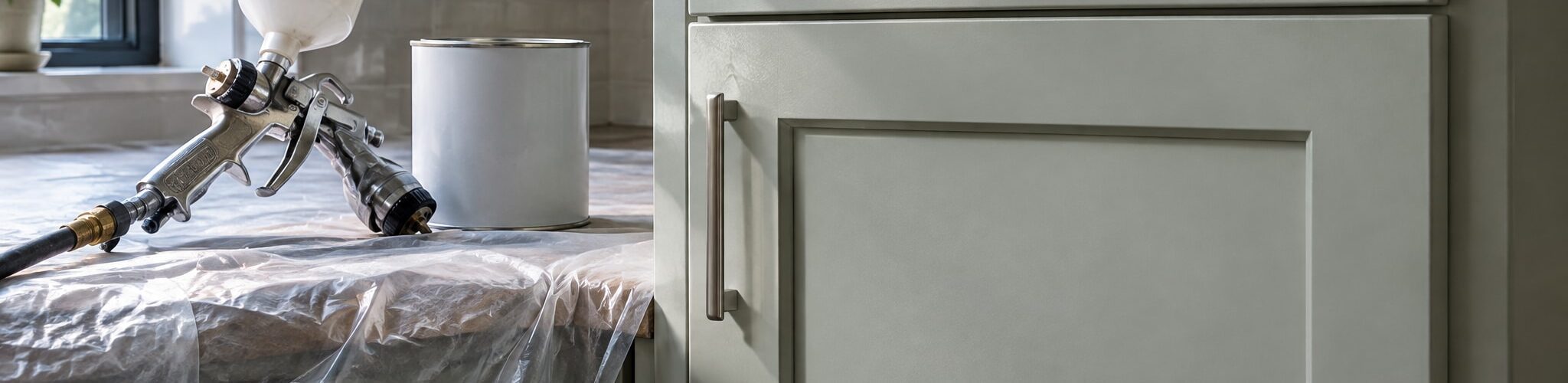
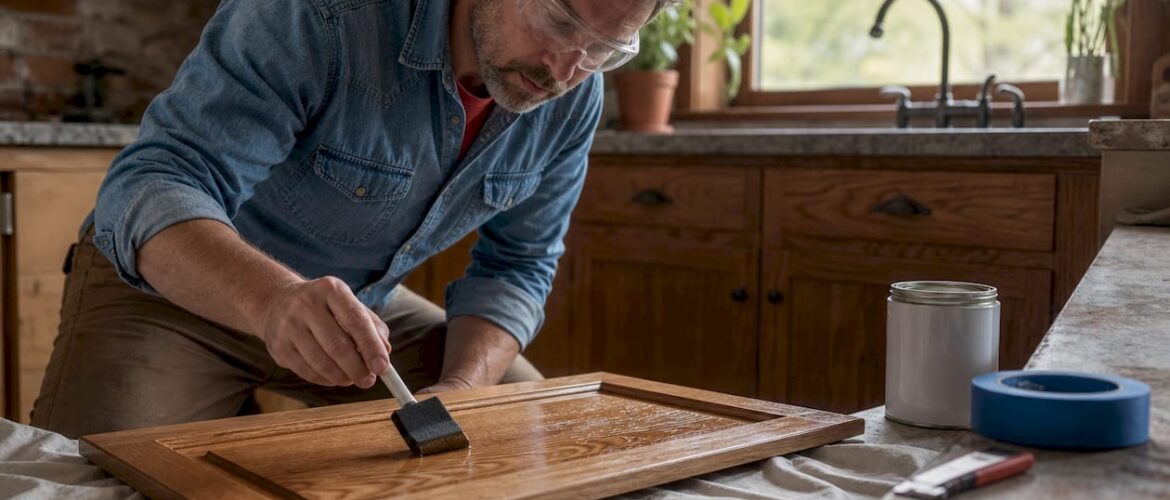
A topcoat is a clear protective finish applied over paint that defines the role of topcoat in cabinet durability by forming a physical barrier against abrasion, moisture, heat, and daily kitchen wear. Without it, painted cabinets begin peeling and chipping within 12–18 months. With a proper topcoat, that same finish can last 8–10 years. The difference comes down to chemistry and layering. Products like water-based polyurethane, polycrylic, and conversion varnish each offer distinct levels of protection, and choosing the right one changes everything about how long your cabinets hold up.
How does a topcoat protect cabinets from common kitchen challenges?
A topcoat creates a hard, continuous film over paint that absorbs the punishment a kitchen dishes out every day. Paint alone is porous and soft. A topcoat seals those pores and adds a layer that resists scratching, grease, steam, and cleaning chemicals.
Kitchen cabinets face a specific set of threats that most homeowners underestimate:
- Abrasion: Door edges, drawer pulls, and daily hand contact wear through unprotected paint quickly. Industry abrasion testing shows topcoated cabinets resist wear five times better than paint alone. That gap in performance is why bare paint begins flaking at roughly 20 abrasion cycles while topcoated surfaces hold past 100.
- Moisture: Steam from cooking and splashes near the sink penetrate paint film and cause it to lift. A topcoat blocks that moisture path and prevents the swelling that leads to peeling.
- Heat: Cabinets near ovens and dishwashers experience repeated thermal expansion. A quality topcoat flexes with the wood rather than cracking at the joints.
- UV exposure: Sunlight fades and degrades paint film over time. Topcoats with UV inhibitors slow that breakdown significantly.
The physical mechanics matter here. Wood expands and contracts with humidity changes by roughly 1/32 inch per foot. A topcoat that is too rigid cracks at those joints. The best protective coatings for cabinets balance hardness with enough flexibility to move with the substrate. Industry tests like the Taber abrasion test and cross-hatch peel test confirm that topcoated surfaces outperform bare paint across every failure category.
Pro Tip: Run your fingernail across a painted cabinet surface. If it leaves a visible mark, the paint has no topcoat protection and the finish will degrade fast under normal kitchen use.
What are the best topcoat types for kitchen cabinets?
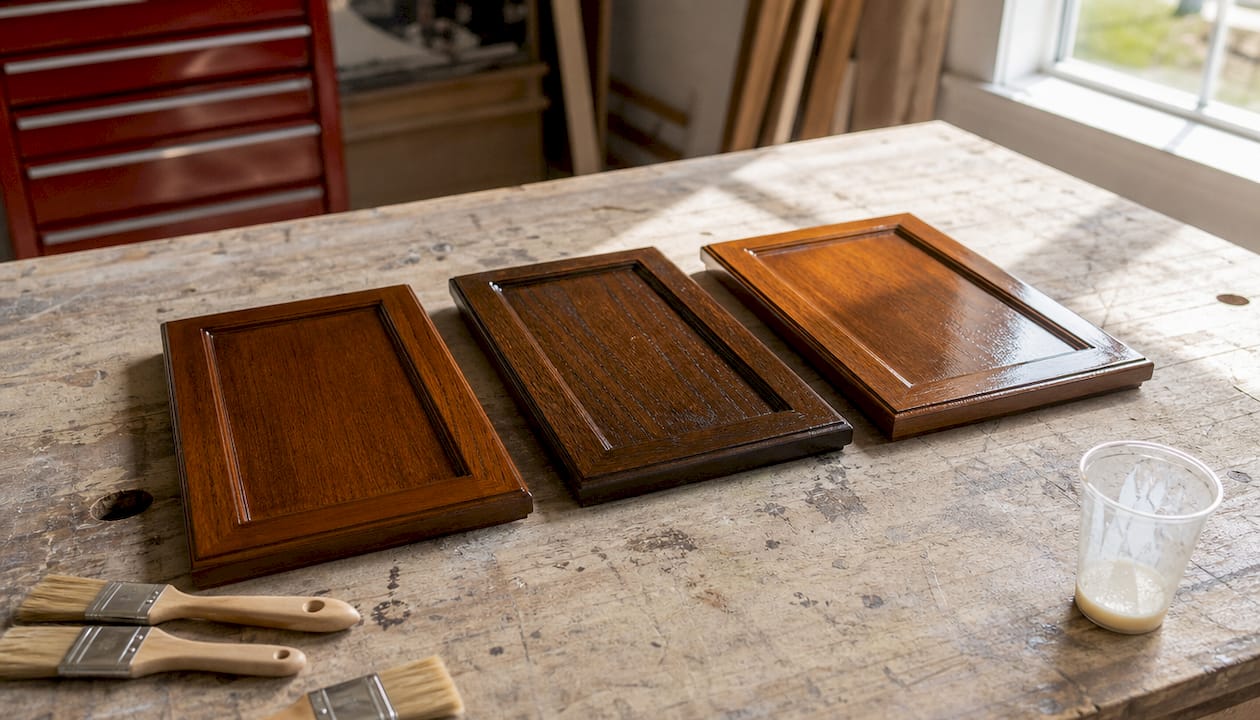
Topcoat selection determines both how long your finish lasts and how it looks over time. The five main options for cabinetry are water-based polyurethane, oil-based polyurethane, polycrylic, conversion varnish, and lacquer. Each has a different durability profile.
| Topcoat type | Durability | Yellowing | DIY-friendly | Lifespan |
|---|---|---|---|---|
| Water-based polyurethane | High | Minimal | Yes | 10+ years |
| Oil-based polyurethane | Very high | Moderate to heavy | Moderate | 10–15 years |
| Polycrylic | Moderate | None | Yes | 5–8 years |
| Lacquer | High | Slight | Difficult | 8–12 years |
| Conversion varnish | Highest | None | No | 25+ years |
Water-based polyurethane is the top choice for most DIY homeowners. It dries fast, self-levels well to reduce brush marks, and stays clear over white or light-colored paint. Oil-based polyurethane offers slightly harder film but yellows noticeably over time, which ruins light finishes.
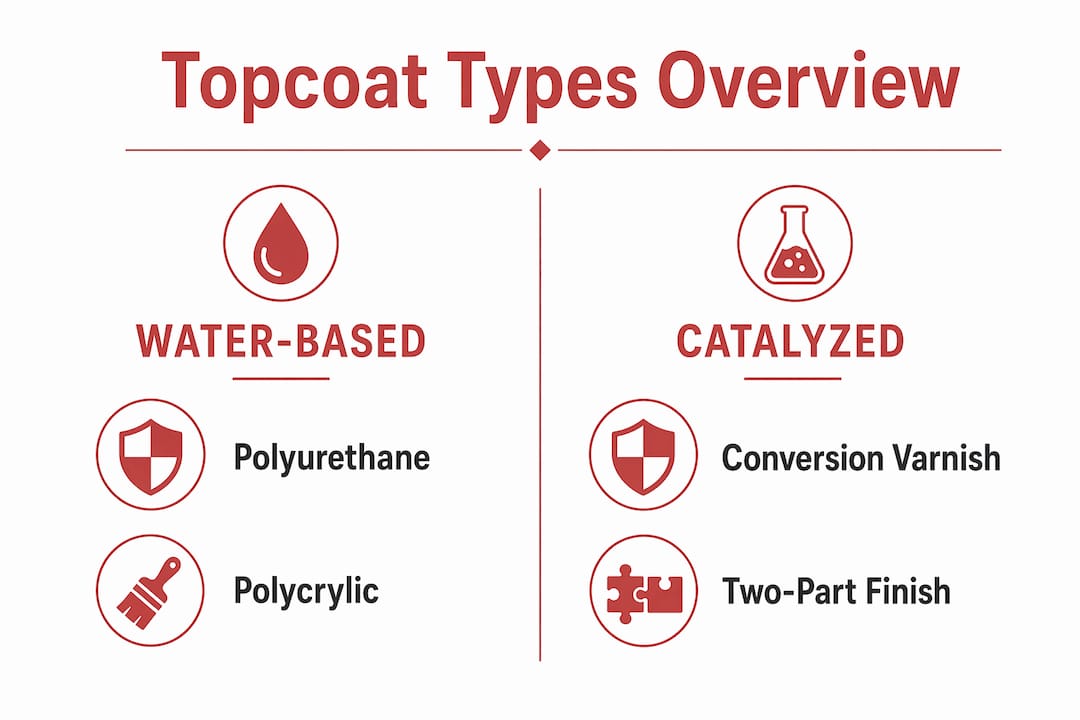
Polycrylic is water-based and non-yellowing, but its film is softer than polyurethane. It works well on low-traffic cabinets but struggles in high-use kitchens. Lacquer dries fast and looks excellent but requires spray equipment and good ventilation, which makes it harder for DIY projects.
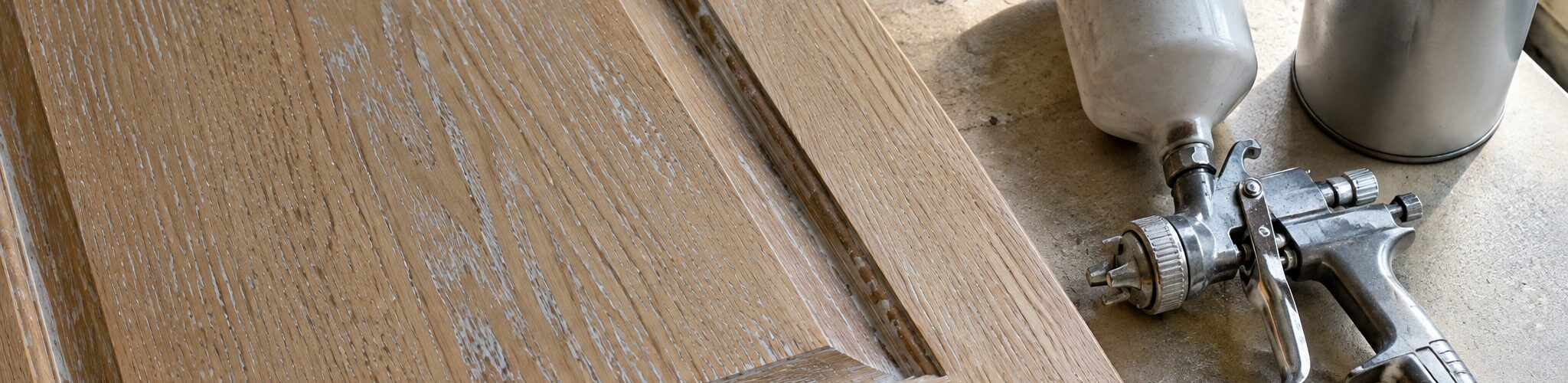
Conversion varnish sits at the top of the durability ladder. It is a two-part catalyzed finish that resists heat, chemicals, and abrasion better than any site-applied coating. Factory-applied conversion varnish lasts 25+ years, while site-applied coatings typically need touch-ups by year five. The tradeoff is complexity. Conversion varnish requires precise mixing ratios and professional spray equipment.
Pencil hardness tests and accelerated aging studies confirm that conversion varnish and two-part finishes outperform single-component products across every durability metric. For homeowners who want factory-level results without the complexity, professional refinishing services apply these premium coatings in controlled conditions.
Pro Tip: If you are painting cabinets white or gray, always choose water-based polyurethane or polycrylic over oil-based products. Oil-based topcoats yellow within two years and turn a crisp white finish noticeably cream-colored.
How to apply topcoat for maximum cabinet durability
Proper application matters as much as product selection. A premium topcoat applied incorrectly will fail just as fast as a cheap one. The process has five non-negotiable steps.
- Sand the painted surface before topcoating. Use 220-grit sandpaper to scuff the paint lightly. This gives the topcoat mechanical adhesion. Skipping this step is the most common reason topcoats peel. Good surface preparation is the foundation of every durable finish.
- Choose your application method deliberately. Spraying produces the most even film and fewest brush marks. Brushing works for DIY but requires a high-quality synthetic brush and careful technique. Wiping on topcoat with a lint-free cloth works for thin coats but builds film slowly. Each method produces a different film thickness per coat.
- Apply multiple thin coats, not one thick coat. Applying at least 3 coats is the industry standard, with 4 coats ideal. Each coat adds roughly 1 mil of dry film thickness. Surfaces with 3 or more coats withstand 100+ abrasion cycles. Bare paint begins flaking at 20 cycles. Thick single coats trap solvents, bubble, and crack.
- Sand lightly between coats with 320-grit or 400-grit paper. This removes dust nibs and improves adhesion between layers. Wipe the surface clean with a tack cloth before applying the next coat. Skipping inter-coat sanding creates a finish that looks rough and bonds poorly.
- Wait the full cure time before reinstalling doors. Paint dries to the touch in 24 hours, but topcoat hardness requires 7 days of cure time. Reinstalling doors before full cure causes the film to flex and delaminate. This is the single most common DIY failure mode, and it is entirely avoidable by simply waiting.
The materials and techniques used during refinishing directly determine how long the finish holds. Rushing the cure stage undoes every hour of prep and application work.
What happens if you skip the topcoat?
Skipping the topcoat is the fastest way to guarantee a failed cabinet finish. Paint alone cannot survive a kitchen environment for more than a year or two.
The consequences are predictable and well-documented:
- Peeling at edges and corners begins within 12–18 months in high-use kitchens. These are the first areas where mechanical stress concentrates.
- Chipping around hardware appears quickly because drill holes and screw points create stress fractures in unprotected paint.
- Moisture infiltration causes paint to bubble and lift near sinks and dishwashers, often within the first year.
- Grease and cleaning chemicals stain and soften unprotected paint film, leaving permanent marks that cannot be wiped clean.
“Kitchen environment moisture and abrasion quickly degrade unprotected paint film. Visible peeling, chipping, and finish failure in high-use areas appear within 12–18 months without a topcoat — making it the single most consequential step in any cabinet refinishing project.”
The long-term cost of skipping topcoat is significant. Repainting cabinets every two years costs more in materials and labor than applying a proper topcoat once. Beyond money, the disruption of repeated refinishing is a real burden. A durable cabinet paint system always includes a topcoat as the final protective layer. Without it, even the best primer and paint underneath will fail on schedule.
The wood movement factor compounds the problem. Cabinet frames expand and contract with seasonal humidity changes. Without a flexible topcoat to bridge those movements, paint cracks at joints and panel edges. Once cracking starts, moisture enters and the failure accelerates.
Key Takeaways
A topcoat is the single most important step in any cabinet refinishing project, extending finish life from under two years to a decade or more when applied correctly.
| Point | Details |
|---|---|
| Topcoat extends lifespan dramatically | Cabinets with topcoat last 8–10 years; without it, finishes fail within 12–18 months. |
| Apply 3–4 coats minimum | Each coat adds film thickness and abrasion resistance; 3+ coats withstand 100+ abrasion cycles. |
| Product choice affects clarity and longevity | Water-based polyurethane suits most DIY projects; conversion varnish delivers 25+ years in professional settings. |
| Cure time is non-negotiable | Wait 7 full days after the final coat before reinstalling doors to prevent delamination. |
| Skipping topcoat costs more long-term | Repainting every 1–2 years is more expensive and disruptive than one proper topcoat application. |
Why I think most homeowners underestimate the topcoat
After years of seeing cabinet refinishing projects up close, the pattern is always the same. Homeowners spend hours choosing the perfect paint color, prep the surface carefully, and then rush the final step. They apply one thin coat of polycrylic, reinstall the doors after 48 hours, and wonder why the finish looks worn by the following spring.
The topcoat is not a finishing touch. It is the finish. Everything underneath it is just preparation. I have seen conversion varnish applied over mediocre paint hold up beautifully for years, and I have seen premium paint fail within months because no topcoat went over it. The protective layer is what the kitchen actually interacts with every day.
The curing time lesson is the hardest one for people to accept. Seven days feels like a long time when your kitchen is torn apart. But a finish that has not fully hardened will flex and peel the moment a door swings on its hinge. Patience at that stage is the difference between a finish that lasts and one that fails.
My honest advice: if you are doing this yourself, choose water-based polyurethane and apply four coats with proper sanding between each one. If you want conversion varnish-level results, hire a professional. The gap between a well-applied DIY topcoat and a factory-applied conversion varnish is real, but either option beats no topcoat by a wide margin. Prioritize the topcoat step. Your cabinets will show it for years.
— Jesse
When professional refinishing makes the difference
Applying a topcoat correctly requires the right product, the right environment, and the patience to let each coat cure fully. Cabinetsrefinishing uses a factory-finish methodology that includes meticulous surface preparation, multiple protective layers, and premium topcoat products applied in controlled conditions. The result is a finish that holds up to real kitchen use for years without peeling, chipping, or fading.
Refinishing with Cabinetsrefinishing costs $3,000–$8,000 and takes 3–5 days. Full cabinet replacement runs $15,000–$40,000 and takes weeks. For homeowners who want a durable, high-quality finish without the complexity of a DIY topcoat application, professional cabinet refinishing delivers factory-level results at a fraction of the replacement cost.
FAQ
How much does a topcoat extend cabinet life?
A properly applied topcoat extends cabinet finish life from 12–18 months to 8–10 years. Conversion varnish applied professionally can last 25+ years.
How many coats of topcoat do cabinets need?
Three coats is the minimum, with four coats ideal. Each coat adds roughly 1 mil of dry film thickness and significantly increases abrasion resistance.
What is the best topcoat for painted kitchen cabinets?
Water-based polyurethane is the best choice for most DIY homeowners because it dries fast, stays clear over light paint colors, and delivers strong durability. Conversion varnish offers superior performance but requires professional application.
Can I reinstall cabinet doors the day after topcoating?
No. Topcoat dries to the touch in 24 hours but requires 7 full days to cure to full hardness. Reinstalling doors before that point causes the film to flex, delaminate, and peel.
Does topcoat change the look of painted cabinets?
Topcoat adds a sheen level ranging from matte to high gloss depending on the product. Water-based formulas stay clear and do not yellow. Oil-based products add a warm amber tone that can alter light paint colors over time.
Recommended
- What is the most Durable Cabinet Paint? A professional Guide
- How to Protect Painted Cabinets: A Denver Homeowner’s Guide to Lasting Durability – Cabinet Refinishing and Cabinet Painting Denver 720-219-9716
- Cabinet Painting Long-Term Durability: How to Achieve a Factory-Like Finish That Lasts – Cabinet Refinishing and Cabinet Painting Denver 720-219-9716
- How Long Does Professional Cabinet Painting Last? The 2026 Durability Guide