
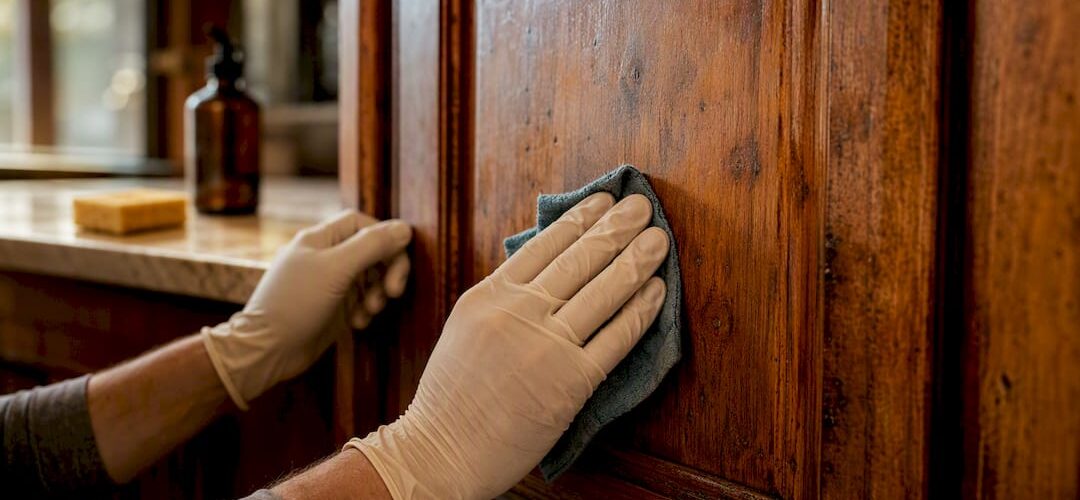
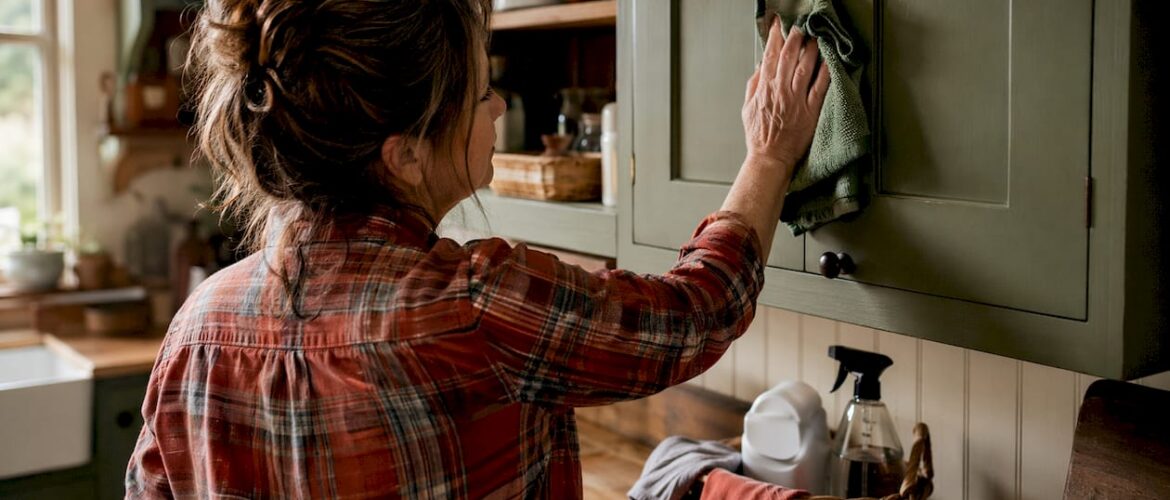
Cabinet finish directly determines how easy your cabinets are to clean, how long they stay looking new, and how much work you put in every week. The chemistry and application method behind a finish control its durability, moisture resistance, and scrubbability. Finishes like conversion varnish and 2K polyurethane form hard, non-porous shields that repel grease and resist cleaning chemicals. Understanding how cabinet finish affects cleaning maintenance helps you make smarter choices before you paint, refinish, or buy. The finish you choose today sets your cleaning routine for the next decade.
How different cabinet finishes impact cleaning and maintenance requirements
The finish type is the single biggest factor in how easy your cabinets are to keep clean. Not all finishes are equal, and the gap between the best and worst options is wider than most homeowners expect.
Factory-finished vs. site-painted cabinets
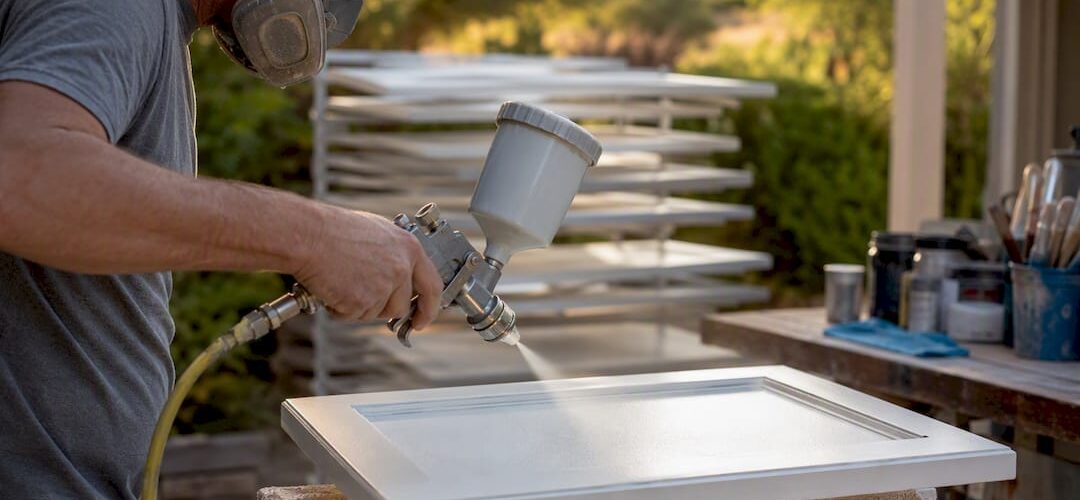
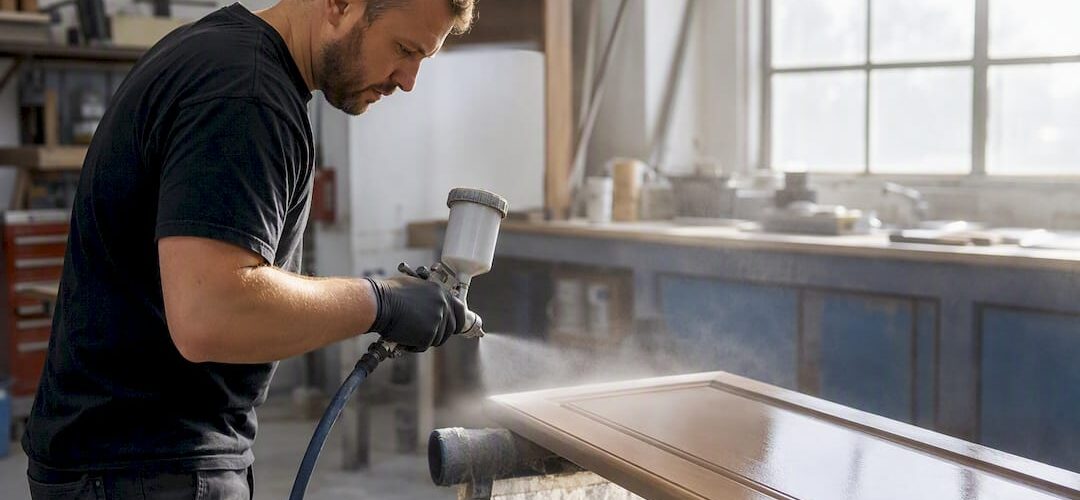
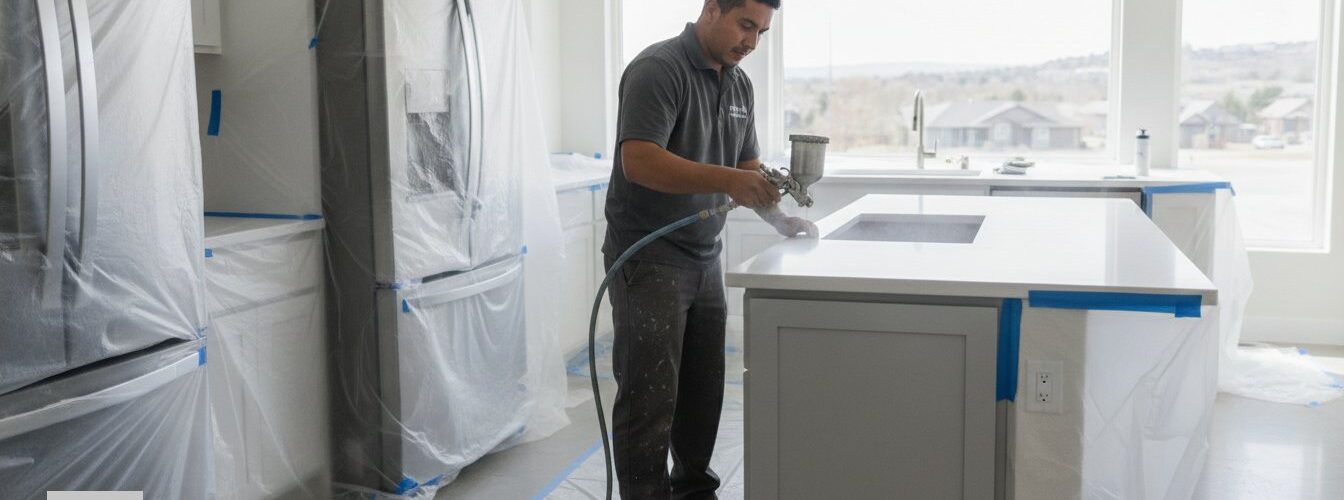
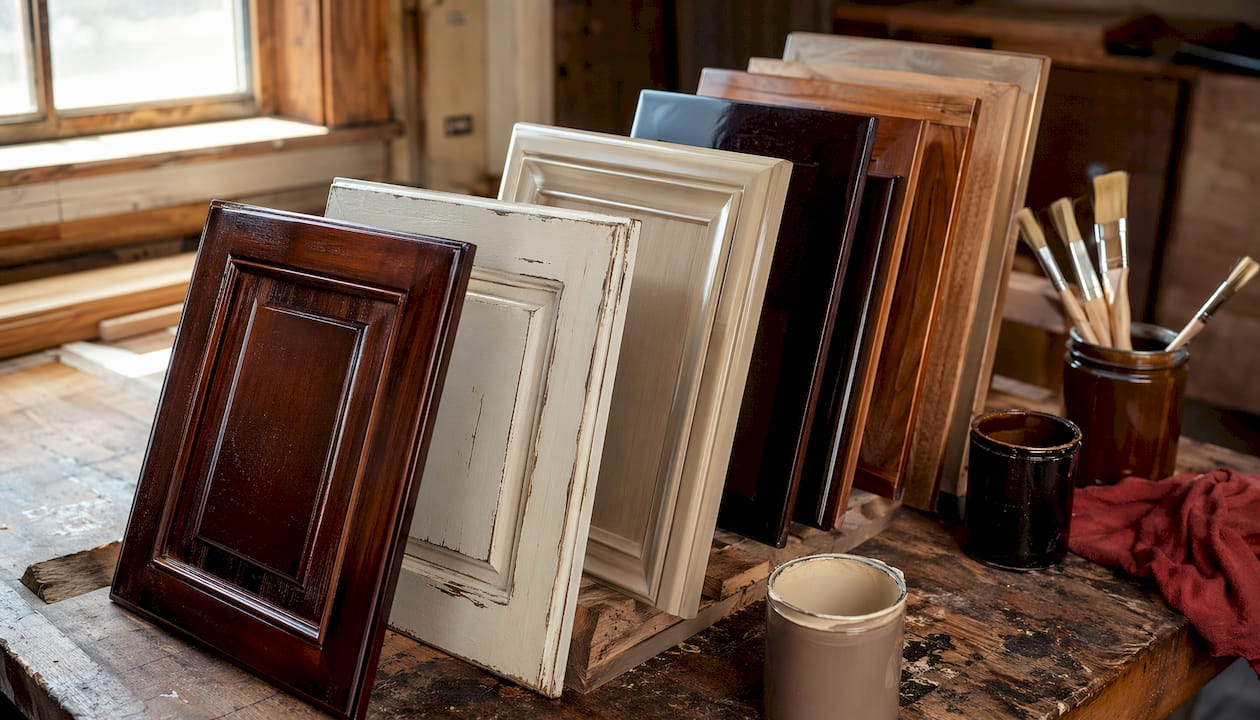
Factory-finished cabinets last 15–20 years, while site-painted ones typically need touch-ups within 3–5 years and full repainting within 5–10 years. That gap exists because factory finishing uses dust-free environments and oven curing, which creates a harder, more consistent film than any brush or roller applied on-site. A site-painted cabinet is still curing and vulnerable for weeks after application. A factory-finished cabinet arrives at your home already at full hardness.
The top-tier finishes: conversion varnish and 2K polyurethane
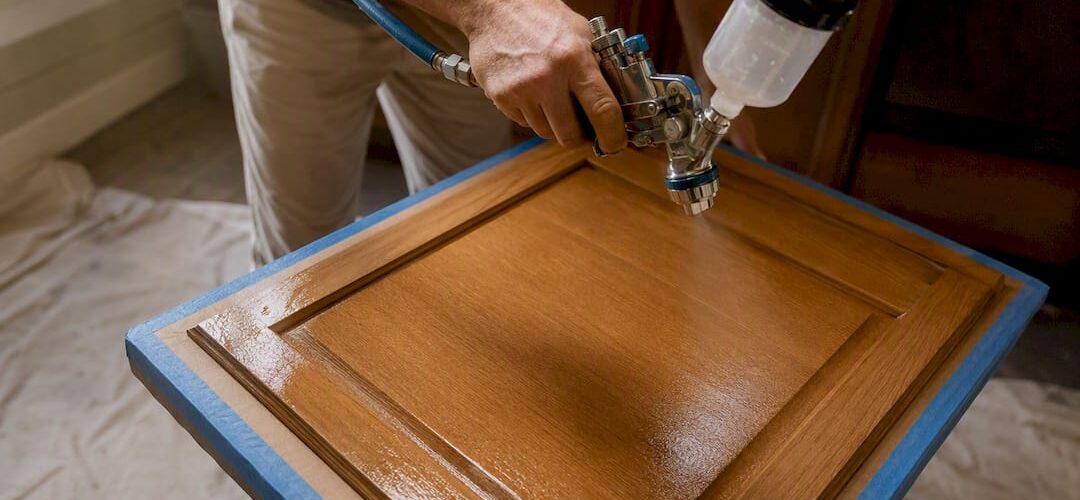
Conversion varnish and 2K polyurethane form hard, non-porous shields that prevent grease and grime from penetrating the wood. These finishes chemically cure rather than simply dry, which gives them superior resistance to moisture, temperature shifts, and household cleaning chemicals. Catalyzed lacquer and conversion varnish also deliver exceptional abrasion resistance, making them ideal for busy kitchens where cabinets get wiped down daily. If low-maintenance upkeep is your goal, these two finish systems are the clear leaders.
How gloss level changes your cleaning experience
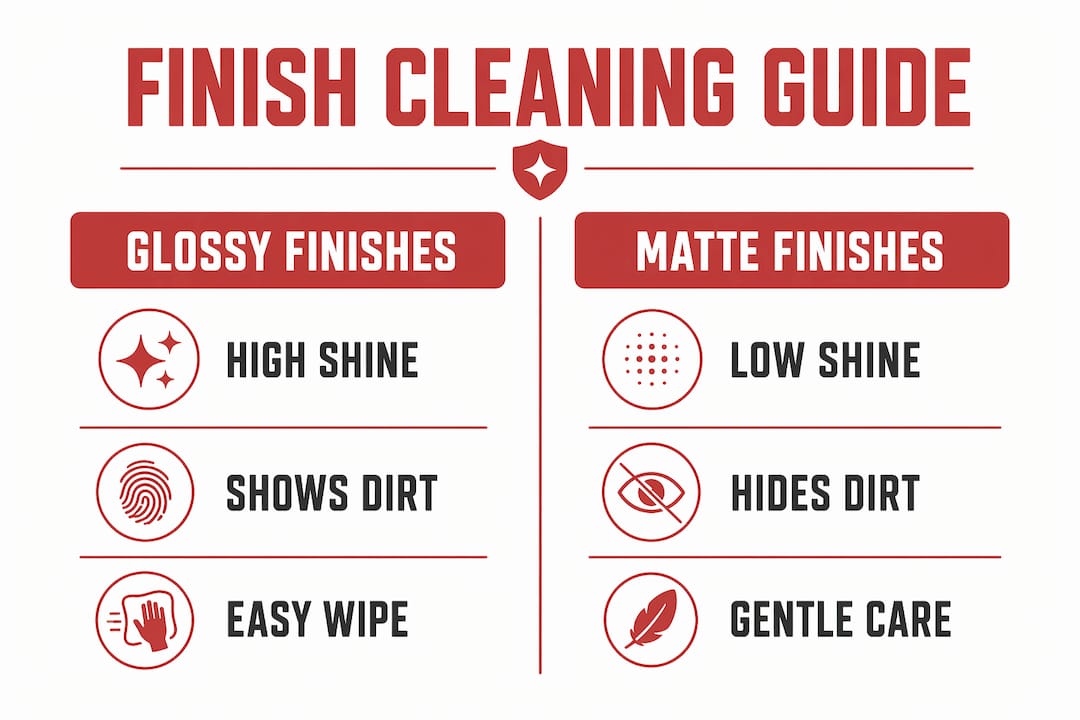
Gloss level affects what you see on your cabinets, not just how they look. High-gloss finishes show every fingerprint, water spot, and scratch, which means you clean them more often to maintain their appearance. Matte finishes mask scratches, fingerprints, and grease spots better than gloss, and modern matte topcoats are engineered with high scrubbability. Satin sits in the middle, offering a balance between visual appeal and forgiving maintenance. The right sheen depends on your kitchen traffic and how often you want to wipe things down.
| Finish type | Durability | Moisture resistance | Chemical resistance | Cleaning ease |
|---|---|---|---|---|
| Conversion varnish | Excellent | Excellent | Excellent | Very easy |
| 2K polyurethane | Excellent | Excellent | Excellent | Very easy |
| Catalyzed lacquer | Very good | Very good | Very good | Easy |
| Site-applied latex paint | Moderate | Low | Low | Moderate |
| Oil-based stain | Moderate | Moderate | Low | Moderate |
Pro Tip: Never use abrasive scrubbers or harsh chemical cleaners on any cabinet finish. Even the toughest conversion varnish can be dulled by repeated exposure to bleach or ammonia-based products.
What are the best cleaning practices for each cabinet finish?
The right cleaning method depends entirely on the finish your cabinets carry. Using the wrong product or technique on the wrong finish causes more damage than years of normal use.
The universal starting point
Soft microfiber cloths and mild pH-neutral soap preserve finish integrity without streaking or surface damage. This combination works safely on virtually every finish type, from painted wood to thermofoil. Start here before reaching for anything stronger.
Finish-specific cleaning rules
- Painted and conversion varnish finishes: Wipe with a damp microfiber cloth and a drop of dish soap. Rinse with a clean damp cloth, then dry immediately. These finishes handle frequent cleaning well, but standing water still causes problems at seams and edges.
- Stained and oil-finished wood: Avoid ammonia, citrus cleaners, and bleach. These strip the oil and dry out the wood grain. Use a barely damp cloth and dry right away.
- Thermofoil and laminate: Never use abrasive pads. The surface layer is thin and scratches permanently. A soft cloth with mild soap is all you need.
- High-gloss finishes: Wipe in one direction to avoid circular scratch marks. Use a microfiber cloth only. Paper towels leave micro-scratches that dull gloss over time.
- Glazed finishes: Clean gently around glaze details. Aggressive scrubbing removes the glaze layer, which is applied on top of the base finish and is not protected by a hard topcoat.
Leaving water on cabinet surfaces causes wood movement and finish failure. Dry every surface promptly after cleaning, especially around sinks, dishwashers, and stovetops where moisture is constant.
A simple maintenance schedule
- Weekly: Wipe cabinet faces and handles with a damp microfiber cloth. Remove grease near the stove before it bakes on.
- Monthly: Clean inside cabinet edges and door frames. Check for any soft spots or discoloration that signal moisture damage.
- Annually: Inspect hinges and drawer slides for wear. Look for finish cracking, peeling, or yellowing near heat sources. Address small chips before they spread.
Pro Tip: Before using any new cleaning product on your cabinets, test it on the inside of a door or a hidden corner. Some products marketed as “safe for wood” contain petroleum distillates that leave a sticky film and attract dust.
Common maintenance mistakes that damage cabinet finishes
Most finish damage does not come from age. It comes from the wrong cleaning habits repeated over months and years.
- Using harsh chemicals. Magic Erasers, bleach, citrus cleaners, and polishes with petroleum distillates damage finishes and leave residue that attracts dust. These products feel effective in the moment but strip protective layers with every use.
- Leaving standing water. Water left on door edges, kickplates, and cabinet bases causes wood expansion and finish cracking. This is the leading cause of premature finish failure in kitchens.
- Overusing furniture polish. Polish builds up a sticky layer that traps grease and dust. One application every few months is plenty. Weekly polishing creates more problems than it solves.
- Ignoring manufacturer instructions. Cabinet manufacturers specify cleaning products for a reason. Using unapproved cleaners voids warranties and accelerates wear.
- Skipping periodic inspections. A small chip or crack caught early takes minutes to fix. Left alone, moisture enters the wood and the damage spreads across the entire door panel.
Pro Tip: Kitchen humidity and cooking grease are the two biggest enemies of cabinet finish longevity. Running a range hood during cooking and keeping kitchen humidity below 50% extends finish life significantly. Homeowners dealing with pest-related moisture issues near cabinets should also address the root cause, since pest activity near cabinets can introduce moisture and accelerate finish damage.
How do you choose the right cabinet finish for easy maintenance?
The best finish for your kitchen depends on three factors: how much traffic your kitchen handles, how much moisture the cabinets face, and how often you want to clean.
High-traffic kitchens
Busy kitchens with daily cooking need finishes that resist grease, moisture, and frequent wiping. Conversion varnish and 2K polyurethane are the correct choice here. High-quality catalyzed finishes chemically cure to resist moisture and temperature shifts better than basic household paints, giving you real scrubbability without finish degradation. These finishes cost more upfront but require far less maintenance over their lifespan. You can read more about durable finish options to compare performance across paint systems.
Low-traffic and decorative kitchens
Kitchens used mainly for light cooking or entertaining can use a wider range of finishes. Satin or eggshell latex paints work acceptably in these environments, though they still require careful cleaning habits. Glazed and specialty finishes suit low-traffic spaces where aesthetics matter more than scrubbability.
The sheen decision
Matte finishes are the counterintuitive winner for busy households. Most homeowners assume gloss is easier to clean because it looks cleaner. The reality is that modern matte topcoats are highly scrub-able and hide the daily wear that makes gloss cabinets look tired within a year. If you want cabinets that look good between cleanings, matte or satin is the practical choice. For more on this, Cabinetsrefinishing covers why matte suits cabinet painting in detail.
| Finish type | Best for | Maintenance level | Longevity |
|---|---|---|---|
| Conversion varnish | High-traffic kitchens | Low | 15–20 years |
| 2K polyurethane | High-traffic, moisture-heavy | Low | 15–20 years |
| Catalyzed lacquer | Moderate-traffic kitchens | Low to moderate | 10–15 years |
| Satin latex paint (site-applied) | Low-traffic kitchens | Moderate | 5–10 years |
| Oil stain | Decorative, low-traffic | High | 5–8 years |
When your current finish has worn past the point of cleaning, professional refinishing restores the protective layer without replacing the cabinets. Cabinetsrefinishing applies factory-quality finish systems that reset your maintenance clock at a fraction of replacement cost.
Key Takeaways
The finish chemistry and application method on your cabinets determine how easy they are to clean, how long they last, and how much maintenance they demand over their lifetime.
| Point | Details |
|---|---|
| Finish chemistry drives cleanability | Conversion varnish and 2K polyurethane resist grease and chemicals better than any site-applied paint. |
| Factory finishing outlasts site painting | Factory-cured finishes last 15–20 years; site-painted cabinets need repainting within 5–10 years. |
| Matte beats gloss for busy kitchens | Modern matte topcoats hide daily wear and are engineered to handle frequent scrubbing. |
| Water is the top finish killer | Leaving moisture on cabinet surfaces causes wood expansion and finish failure; always dry promptly. |
| Harsh cleaners accelerate wear | Bleach, citrus cleaners, and Magic Erasers strip protective layers and leave residue that attracts dust. |
What I’ve learned after years of watching finishes fail
Most homeowners pick a cabinet finish based on color and sheen. Almost none of them ask about scrubbability or chemical curing. That oversight costs them years of finish life.
The single most common mistake I see is people cleaning their cabinets with whatever is under the sink. Multi-surface sprays, citrus degreasers, and even some “natural” cleaners contain compounds that slowly strip finish. The damage is invisible at first. By the time you notice the dullness or stickiness, the protective layer is already compromised.
The other thing that surprises homeowners is how much the matte vs. gloss decision matters practically. Gloss looks sharp in a showroom. In a real kitchen, it shows every water drop and fingerprint within hours of cleaning. Matte finishes, especially the modern catalyzed versions, stay looking clean longer between wipe-downs. That is not a style opinion. It is a function of how light reflects off the surface and how the finish hides micro-abrasions from daily use.
Factory finishing is the part of this conversation that gets the least attention and deserves the most. The clean room environment and oven curing that factory finishing uses produce a film that site painting simply cannot replicate. If your cabinets were site-painted, you are starting with a softer, less consistent finish regardless of the paint brand used. That matters every time you clean.
My honest advice: match your finish to your actual kitchen behavior, not your aspirational one. If you cook every day and have kids, get a factory-applied conversion varnish. If you rarely cook and want a specific aesthetic, you have more options. And if your current finish is worn, do not keep cleaning around the damage. Restore the protective layer before moisture gets into the wood.
— Jesse
When your finish needs more than cleaning
If your cabinets have reached the point where cleaning no longer restores their appearance, the finish itself has worn through. That is not a cleaning problem. It is a finish problem, and no amount of polish or product will fix it.

Cabinetsrefinishing applies factory-quality finish systems to existing cabinets in 3–5 days, using the same controlled application methods and catalyzed coatings that make factory finishes last 15–20 years. The result is a hard, non-porous surface that is genuinely easy to clean and built to handle a real kitchen. Refinishing costs $3,000–$8,000 compared to $15,000–$40,000 for full cabinet replacement. If you are in the Denver area and want cabinets that clean up in seconds instead of minutes, contact Cabinetsrefinishing in Denver for a professional assessment.
FAQ
What finish is easiest to clean on kitchen cabinets?
Conversion varnish and 2K polyurethane are the easiest finishes to clean. They form hard, non-porous surfaces that resist grease, moisture, and household cleaning chemicals without degrading.
Does gloss or matte finish show dirt more?
Gloss finishes show fingerprints, water spots, and scratches more than matte. Modern matte topcoats are engineered for high scrubbability and hide daily wear far better in active kitchens.
How often should I clean my cabinet finish?
Wipe cabinet faces weekly with a damp microfiber cloth and mild pH-neutral soap. Inspect edges and frames monthly, and do a full condition check annually to catch early finish wear.
Can harsh cleaners damage cabinet finishes?
Bleach, citrus cleaners, Magic Erasers, and polishes with petroleum distillates all damage cabinet finishes. They strip protective layers and leave sticky residue that attracts dust and accelerates wear.
How long does a factory cabinet finish last compared to site-painted?
Factory-finished cabinets last 15–20 years. Site-painted cabinets typically need touch-ups within 3–5 years and full repainting within 5–10 years, due to softer film formation and inconsistent application conditions.