

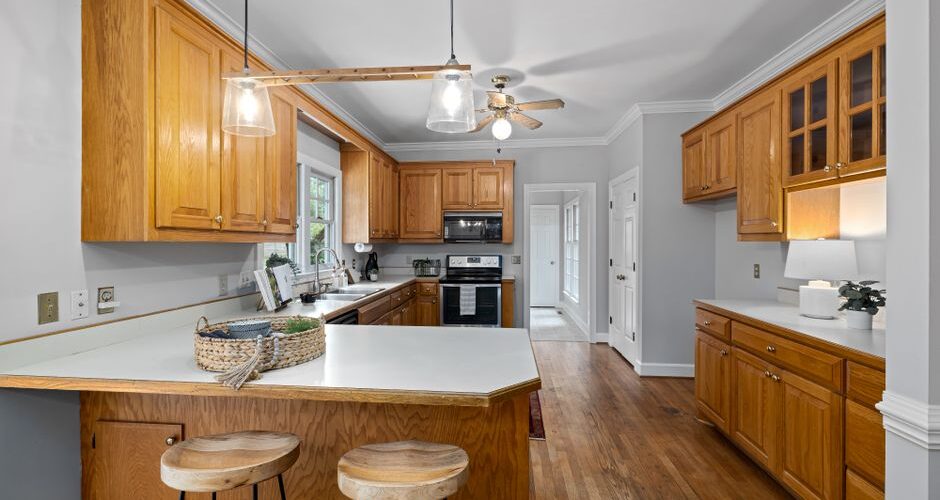
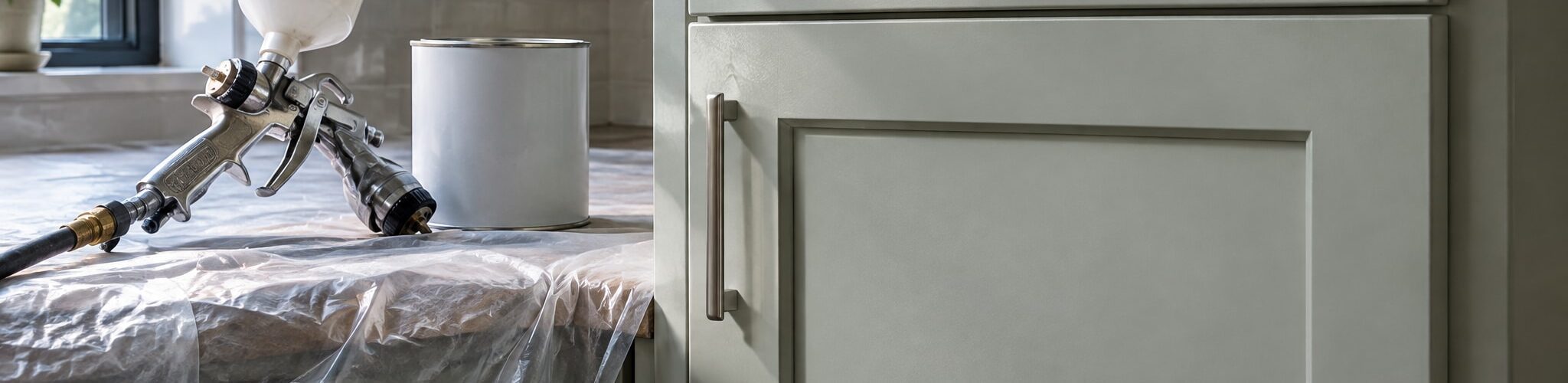
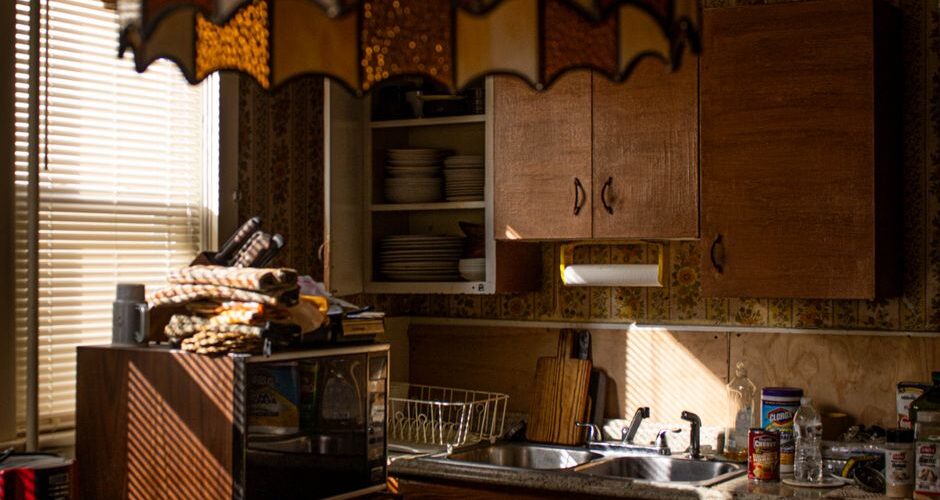

Kitchen cabinets are the single most dominant visual and functional element in any kitchen. They cover the largest wall area in the room, setting the tone before a single countertop or appliance gets chosen. Understanding why cabinets are the kitchen focal point, what designers call the “visual anchor,” shapes every renovation decision you make. Get the cabinets right and the rest of the kitchen falls into place. Get them wrong and no amount of expensive tile or hardware will save the space.
Cabinet Painting Service Areas in Denver & Surrounding Cities, Cabinet Refinishing in Denver County,
Serving Lakewood, CO, Littleton, CO, Golden, CO, Evergreen CO, Roxborough Park CO, Ken Carl Ranch CO,
Arvada, CO, Wheat Ridge, CO,
and Parker CO. Castle Pines CO. Englewood CO. Centennial CO.
Cabinet Painting in Arapahoe County, CO
Including Centennial, CO, Greenwood Village, CO,
Cherry Hills Village, CO, Englewood, CO,
and Aurora, CO.
Cabinet Painting in Adams County & Broomfield, CO
Serving Lakewood, CO, Littleton, CO, Golden, CO, Evergreen CO, Roxborough Park CO, Ken Carl Ranch CO,
Arvada, CO, Wheat Ridge, CO,
and Parker CO. Castle Pines CO. Englewood CO. Centennial CO.
Cabinet Painting in Arapahoe County, CO
Including Centennial, CO, Greenwood Village, CO,
Cherry Hills Village, CO, Englewood, CO,
and Aurora, CO.
Cabinet Painting in Adams County & Broomfield, CO
Why cabinets are the kitchen focal point
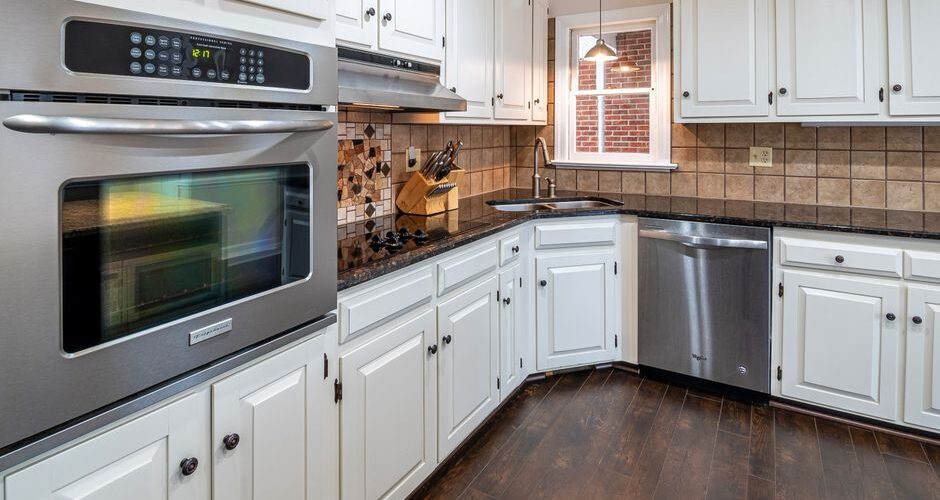
Cabinets establish the kitchen’s entire design language. Their door style, color, and finish set the room’s first impression more than any other element. A slab-front cabinet in deep navy reads as modern and minimal. A raised-panel door in cream reads as traditional and warm. That single choice cascades through every other decision in the room.
Interior design frames cabinetry as the kitchen’s visual anchor by dominating the eye’s first sight and using color and texture contrasts to create depth. This is why designers treat cabinets as the room’s architectural backbone, not just storage boxes. The wall space they occupy is simply too large to treat as secondary.
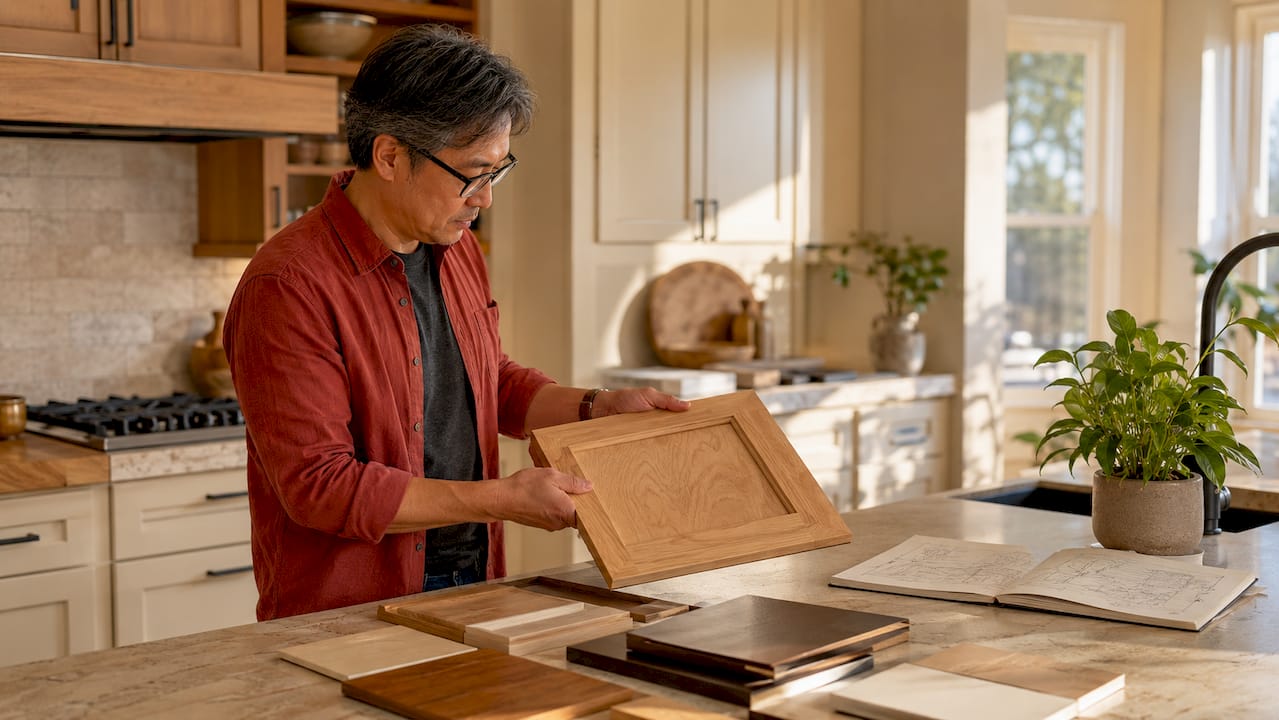
Design expert Cara Woodhouse puts it plainly: start with cabinets because they define architecture, layout, function, and the daily living experience. Countertops, appliances, and lighting all respond to cabinet decisions. Reversing that order creates mismatched proportions and wasted budget.
How cabinetry dictates kitchen function and layout
Cabinet placement is the kitchen’s structural blueprint. The dimensions and position of upper and lower cabinets determine appliance placement and countertop sizes before a single measurement gets taken for a refrigerator or range. Change the cabinet run and you change the entire room’s workflow.
A well-planned cabinet layout supports three core kitchen zones:
- Prep zone. Lower cabinets flanking the sink and countertop store cutting boards, mixing bowls, and prep tools within arm’s reach.
- Cook zone. Cabinets above and beside the range hold spices, oils, and cookware so nothing requires a trip across the kitchen mid-cook.
- Storage zone. Pantry-style tall cabinets or deep base cabinets consolidate dry goods, small appliances, and bulk items away from active work areas.
Each zone functions only when cabinet configuration matches actual use. A homeowner who bakes needs deep drawers near the oven. A homeowner who entertains needs easy-access storage near the dining area. Cabinet planning is, at its core, lifestyle planning.
Pro Tip: Before finalizing your cabinet layout, rehearse your daily routines in the space. Walk through making coffee, unloading groceries, and cooking a full meal. This functional test reveals storage gaps that a floor plan alone will never show.
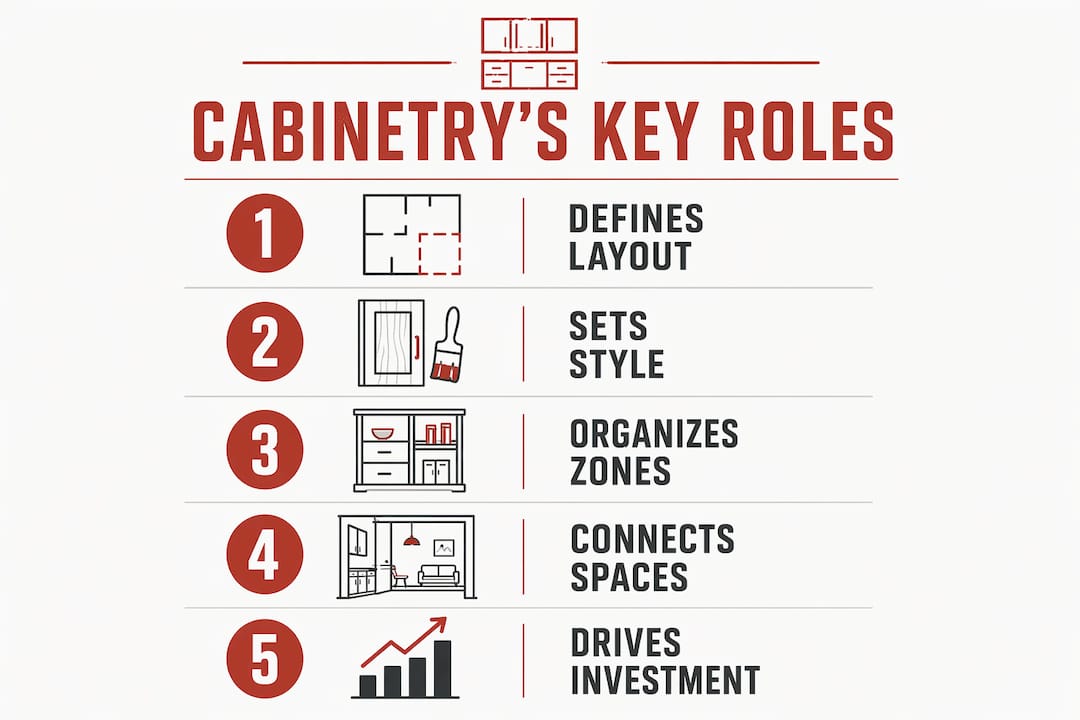
How do cabinets create visual hierarchy in kitchen design?
Cabinetry creates visual hierarchy by making primary elements stand out and secondary elements recede. Color, finish, and geometry help the eye find resting points, which reduces mental clutter and creates a sense of calm. A kitchen without this hierarchy feels chaotic regardless of its quality.
Several techniques define how cabinets function as a design centerpiece:
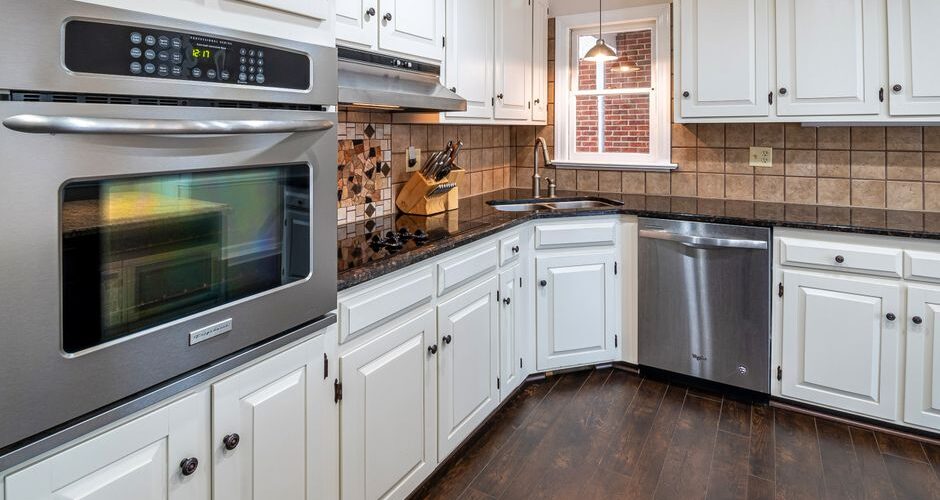
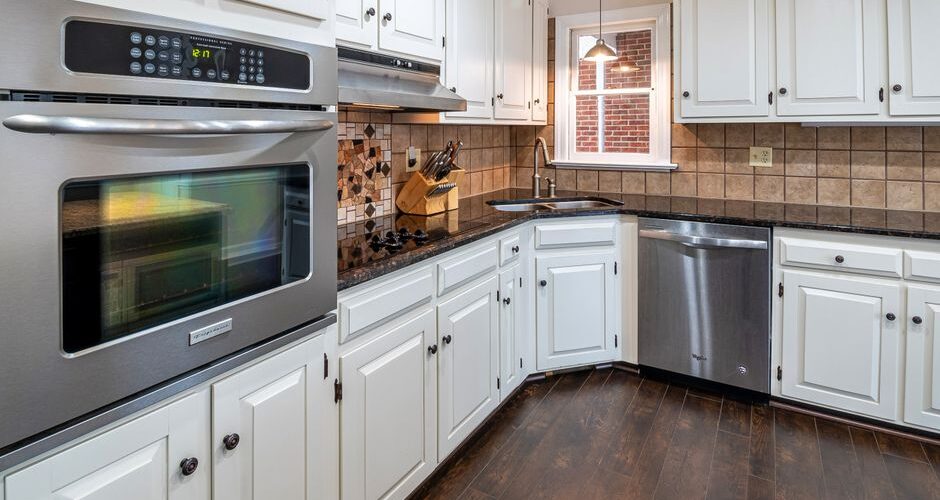
- Contrasting upper and lower cabinets. Pairing white uppers with a dark navy or charcoal base draws the eye downward and grounds the room. The two-tone approach creates depth without adding architectural complexity.
- Consistent door lines and reveals. Professional cabinet design aligns drawer and door lines to achieve furniture-like quality. Even spacing between doors creates rhythm. Rhythm creates calm.
- A statement island or peninsula. A cabinet volume in a contrasting finish anchors the center of the room and gives the eye a clear destination.
- Hardware as punctuation. Pulls and knobs repeat at consistent intervals, reinforcing the geometric rhythm the cabinet lines establish.
| Design approach | Visual effect |
|---|---|
| Monochromatic cabinets | Clean, unified, and calm |
| Two-tone upper and lower | Depth, grounding, and modern contrast |
| Statement island in contrasting finish | Clear focal destination in the room |
| Mixed materials with consistent lines | Texture interest without visual chaos |
Pro Tip: Matte finishes absorb light and read as quieter. Satin and semi-gloss finishes reflect light and make a kitchen feel larger. Choose your sheen based on the room’s natural light, not just the color chip.
Do cabinets connect the kitchen to the rest of the home?
Cabinetry acts as a design connector across open living areas, linking the kitchen’s style to adjacent dining and living spaces. This matters most in open floor plans, where the kitchen is visible from multiple rooms simultaneously. Isolated cabinet choices create a jarring visual break that no rug or artwork can fix.
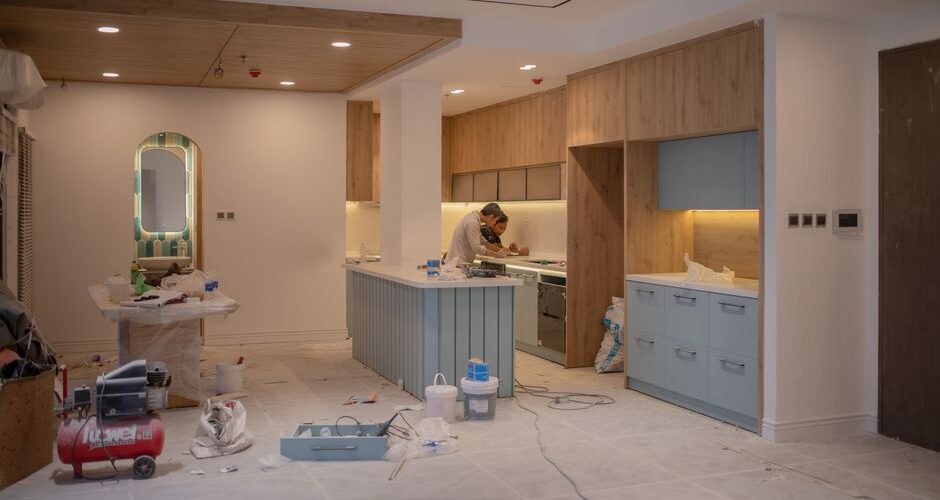
Bespoke cabinetry creates room identity and controls visibility and flow, functioning as an anchor, connector, or destination within the larger space. That framing applies directly to how cabinets interact with adjacent rooms. A kitchen island with cabinetry that faces the living room acts as a visual boundary. It defines the kitchen zone without a wall.
Practical ways cabinets connect spaces include:
- Repeating the cabinet wood tone or color in built-in shelving in an adjacent living room
- Extending the cabinet finish to a butler’s pantry or mudroom to create a continuous material story
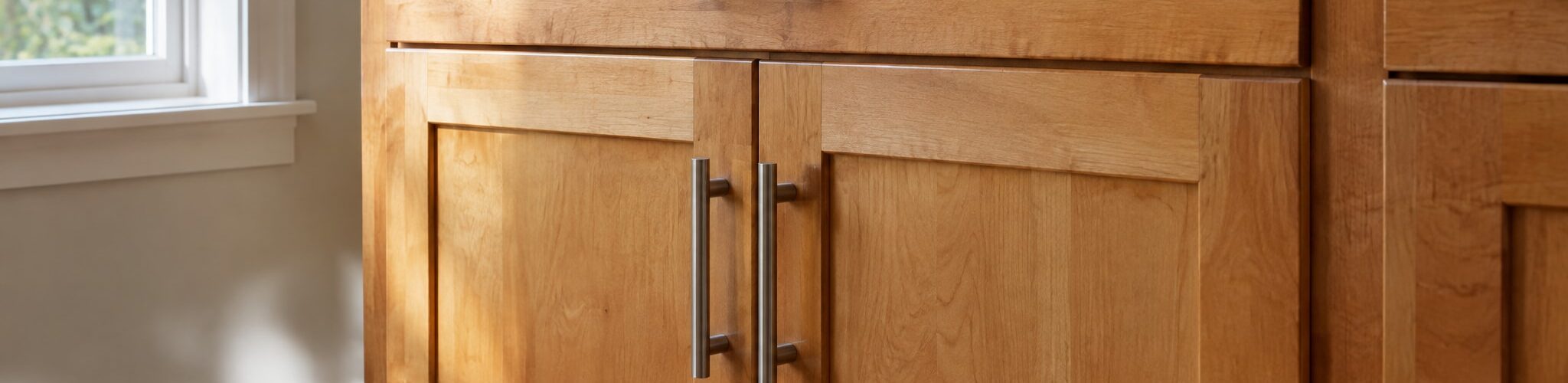
- Using cabinet door profiles that echo millwork details elsewhere in the home, such as baseboards or window casings
- Choosing hardware finishes that match light fixtures and plumbing fixtures throughout the open plan
Failure to coordinate cabinets with adjacent spaces is one of the most common and costly design mistakes. The kitchen may look fine in isolation but feel disconnected from the home it lives in. For smaller spaces, vertical storage approaches in ADUs and compact kitchens show how cabinet lines can define zones even without square footage to spare.
Why are cabinets the biggest investment in a kitchen renovation?
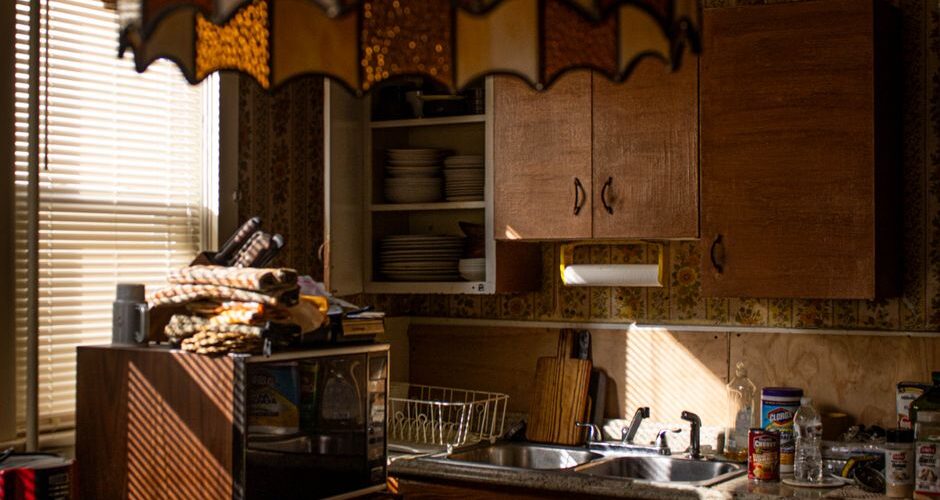
Cabinets are typically the most expensive single element in a kitchen renovation. They provide the largest visible surface in the room, which means their condition and style create the first and strongest impression a visitor forms. A dated cabinet finish makes a kitchen feel old regardless of how new the appliances are.
Choosing cabinets early guides every other kitchen design decision. Countertop material, backsplash tile, flooring color, and even lighting placement all respond to cabinet choices. Selecting cabinets last forces compromises on every element that came before.
| Kitchen element | Influences |
|---|---|
| Cabinet style and finish | Overall design language and room tone |
| Cabinet dimensions | Countertop size and appliance placement |
| Cabinet color | Backsplash, flooring, and paint selection |
| Cabinet hardware | Fixture finishes throughout the space |
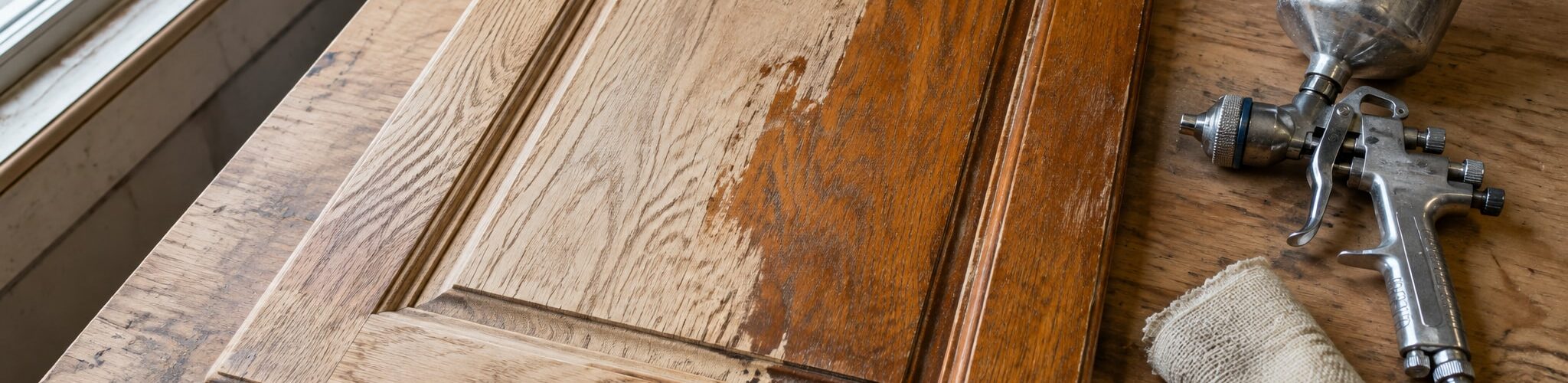
Refinishing existing cabinets is the most cost-effective way to reset this focal point. Cabinetsrefinishing reports that refinishing costs range from $3,000 to $8,000, compared to $15,000 to $40,000 for full cabinet replacement. The visual impact of a fresh, factory-quality finish is nearly identical to new cabinetry at a fraction of the cost. Projects complete in 3–5 days rather than weeks of construction disruption.
Key Takeaways
Cabinets are the kitchen’s focal point because they dominate the visual field, establish functional zones, and set the design language that every other element must follow.
| Point | Details |
|---|---|
| Cabinets set the design language | Door style, color, and finish determine the kitchen’s entire visual tone before anything else is chosen. |
| Cabinet layout drives function | Placement of upper and lower cabinets determines appliance locations, countertop sizes, and daily workflow. |
| Visual hierarchy reduces chaos | Consistent door lines, contrasting volumes, and deliberate finishes give the eye clear resting points. |
| Cabinets connect adjacent spaces | Matching materials or tones across open floor plans creates cohesion between kitchen and living areas. |
| Refinishing resets the focal point | Professional refinishing delivers a near-new result for $3,000–$8,000 versus $15,000–$40,000 for replacement. |
What I’ve learned about cabinets after years of kitchen renovations
Most homeowners treat cabinets as a storage problem. They count doors, measure cubic feet, and pick a finish they like. That approach misses the real question: what do you want this room to feel like the moment someone walks in?
The concept of “visual rhythm” is the most underused idea in residential kitchen design. Aligned drawer and door lines create a furniture-like quality that makes a kitchen feel considered rather than assembled. I have seen $80,000 kitchens that felt chaotic because the cabinet lines were inconsistent. I have also seen $15,000 kitchens that felt luxurious because every reveal was even and every door sat flush.
The biggest mistake I see is choosing cabinets based on a showroom sample under artificial light. Bring the door sample home. Live with it for a week. Look at it in morning light, afternoon light, and at night under your actual fixtures. Color shifts dramatically across lighting conditions, and a finish you loved in the showroom can look completely different in your kitchen.
The second biggest mistake is skipping the functional rehearsal. Testing your layout through daily activities before finalizing finishes prevents the painful realization that your coffee station is on the opposite side of the kitchen from your mugs. Draw it out. Walk through it. Then commit.
— Jesse
Refresh your kitchen’s focal point with Cabinetsrefinishing
Your cabinets cover more visual real estate than any other surface in your kitchen. When they look worn, dated, or simply wrong for the space, the entire room suffers. A fresh finish changes that fast.
Cabinetsrefinishing uses a factory-finish methodology with meticulous surface preparation and multiple protective layers to deliver results that look and last like new cabinetry. Projects complete in 3–5 days with no weeks of construction disruption. Costs run $3,000–$8,000 compared to $15,000–$40,000 for full replacement. If your kitchen’s focal point needs a reset, professional cabinet refinishing in Denver is the most direct path to a high-end result. You can also explore budget-friendly kitchen updates that deliver the same factory-quality finish without the full renovation price tag.
FAQ
Why are kitchen cabinets considered the focal point?
Cabinets cover the largest visible surface area in the kitchen and set the room’s design tone before any other element. Their style, color, and finish create the first impression a visitor forms.
Should I choose cabinets before countertops?
Yes. Cabinet dimensions and layout determine countertop sizes and appliance placement, so selecting cabinets first prevents costly mismatches later.
How do cabinets affect kitchen flow in an open floor plan?
Cabinetry defines kitchen zones within open plans by acting as a visual boundary between the kitchen and adjacent living or dining areas without requiring a physical wall.
What is the most cost-effective way to update kitchen cabinets?
Professional refinishing delivers a near-new finish for $3,000–$8,000, compared to $15,000–$40,000 for full cabinet replacement, with projects completed in 3–5 days.
How do I choose the right cabinet color for my kitchen?
Match the cabinet finish to your kitchen’s natural light conditions and coordinate with adjacent room tones. Current cabinet color trends favor deep, grounded tones for lower cabinets paired with lighter uppers to create depth and visual balance.
Recommended
- Quick Kitchen Cabinet Update: Professional Results for Denver Homeowners – Cabinet Refinishing and Cabinet Painting Denver 720-219-9716
- Brightening Dark Kitchen: The Guide to Using Painted Cabinet
- How to Convince Your Spouse to Paint Kitchen Cabinets in Denver (2026) – Cabinet Refinishing and Cabinet Painting Denver 720-219-9716
- What Type of Paint is Best for Kitchen Cabinets? A Pro’s Guide – Cabinet Refinishing and Cabinet Painting Denver 720-219-9716