

Why cabinet refinishing is a flip-smart move in Denver
For Denver house flippers, every dollar and day on the calendar matters. Kitchens sell houses, but full kitchen replacements can obliterate your budget and drag timelines. Cabinet refinishing gives you a powerful middle path: a “new kitchen” look without touching layout or boxes.
In Denver’s competitive market, where buyers expect updated kitchens in virtually every price band, refinishing can convert tired oak or maple cabinets into a clean, modern focal point. Done correctly, it can cut cabinet costs by 50 to 70 percent compared to replacement, shorten your project timeline by a week or more, and still support top-of-market listing photos.
This guide breaks down cabinet refinishing for house flippers in Denver specifically. You will learn when refinishing makes sense, what it really costs, local design choices that sell in this market, and how to avoid quality issues that kill your appraisal and inspection. Whether you flip one home a year or run multiple projects at a time, you will see exactly how to use refinishing as a repeatable, high-ROI rehab tool.
Key Takeaway: Cabinet refinishing is not just a cosmetic upgrade. It is a strategic lever that shifts your flip math by lowering cap‑ex, raising perceived value, and compressing timelines in a market that lives on kitchen photos.
What cabinet refinishing really is for Denver flippers
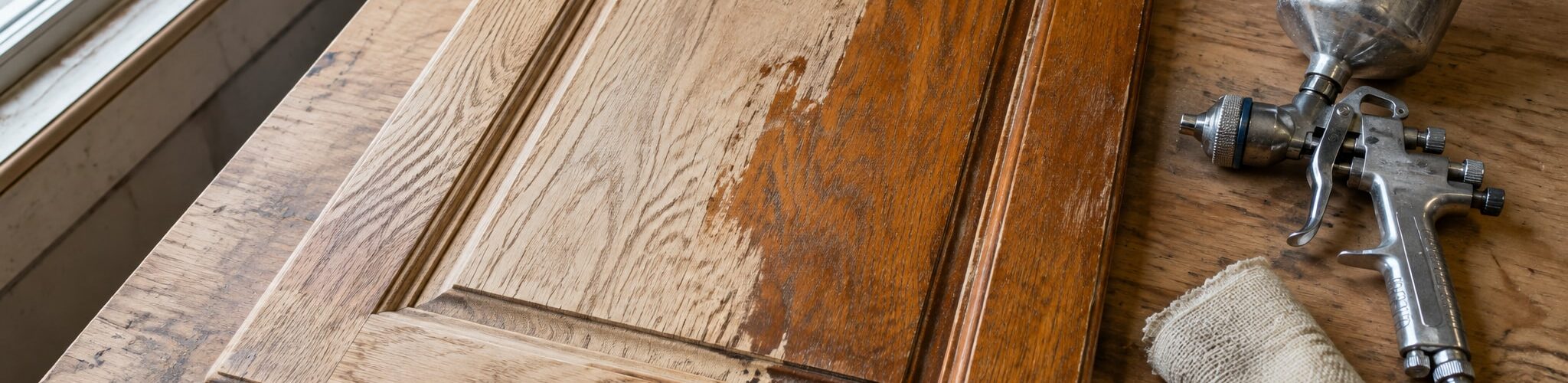
Cabinet refinishing is more than just “painting cabinets.” For flip projects, it is a structured process that refreshes existing cabinet boxes and doors so they show and perform like new.
What counts as cabinet refinishing
For typical Denver flips, refinishing usually includes:
- Cleaning and degreasing surfaces
- Sanding or mechanical abrasion
- Repairing minor dings, nail holes, and separated joints
- Priming with an adhesion and stain blocking primer
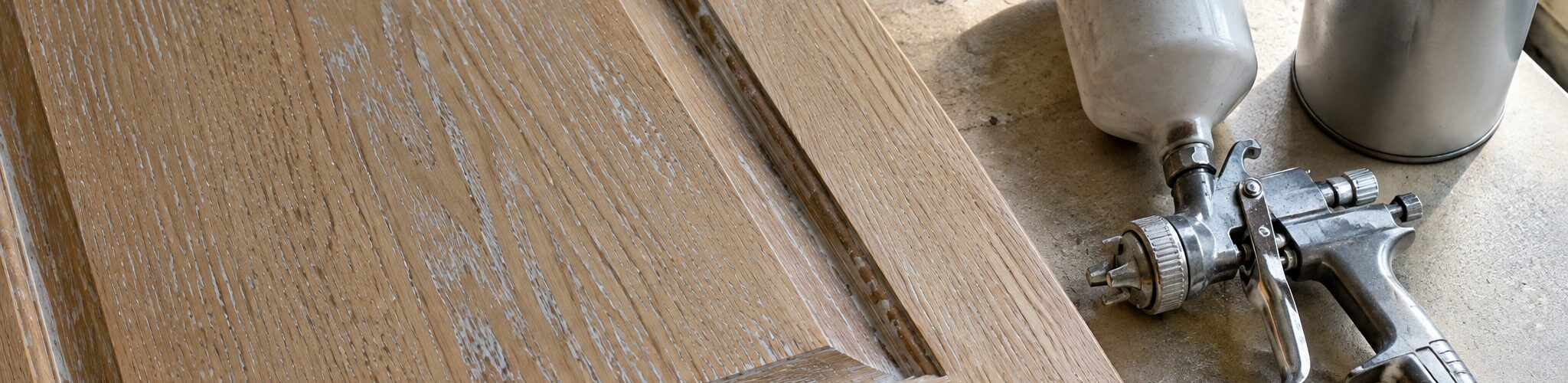
- Spraying, brushing, or rolling a durable coating on doors, drawers, and face frames
- Updating hinges, pulls, and knobs when needed
Refinishing keeps your existing cabinet boxes, which is why it is so cost effective. You are paying for surface prep and coatings, not carpentry and new materials.
How this differs from resurfacing or replacement
Flippers sometimes mix these terms, but they affect budget and scope in very different ways:
| Option | What happens | Cost vs refinishing | Typical use for flippers |
|---|---|---|---|
| Refinishing | Sand, prime, repaint or re‑stain existing | Baseline | Most C+ to A‑ level flips |
| Refacing / Resurfacing | New doors and veneers on boxes | 2x to 3x | Higher‑end flips, damaged doors |
| Full replacement | New boxes, layout, and doors | 3x to 5x+ | Gut rehabs, layout changes, luxury |
If your cabinet boxes are solid and your layout works, refinishing lets you keep structural value you have already paid for, while redirecting budget to countertops, appliances, and staging.
When refinishing is the wrong call
Refinishing is a poor fit when:
- Water damage has swollen or delaminated boxes
- Particle board cabinets are crumbling at the sink or dishwasher
- You need a new layout to correct functional issues, like an obsolete peninsula
- You are targeting a true luxury buyer who expects custom cabinetry
In those cases, you might still refinish in a rental-grade rehab, but for flips you are usually better off replacing or refacing.
Why cabinet refinishing works so well in the Denver flip market
Investors in Denver, Brighton, Arvada, and nearby suburbs operate in a market that rewards updated kitchens, even at modest price points. Refinishing plays directly into that dynamic.
Impact on ARV and buyer perception
Buyers and agents often assume “new kitchen” just from clean, modern cabinets paired with quartz or solid‑surface countertops. In many Denver neighborhoods, that can bump your perceived ARV by 3 to 7 percent compared to a comp with obviously dated oak.
A few examples:
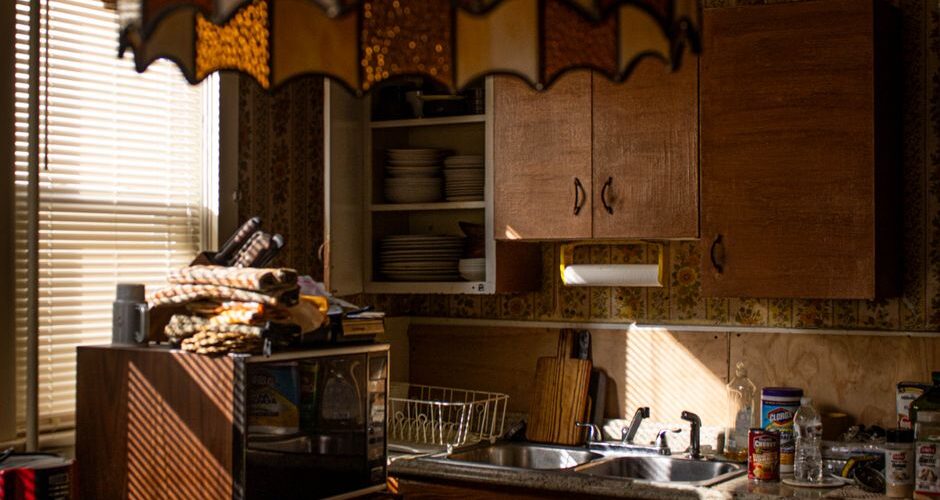
- A 1960s Arvada ranch with orange oak cabinets, laminate tops, and basic appliances might appraise at the middle of the comp range.
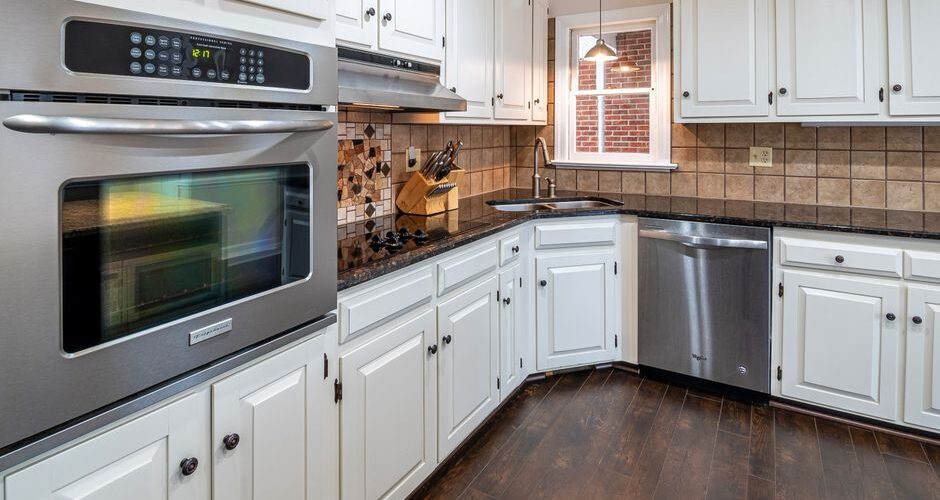
- The same house, with refinished white or warm greige cabinets, stone‑look counters, and a simple backsplash, often pushes toward the top, even when the boxes are original.
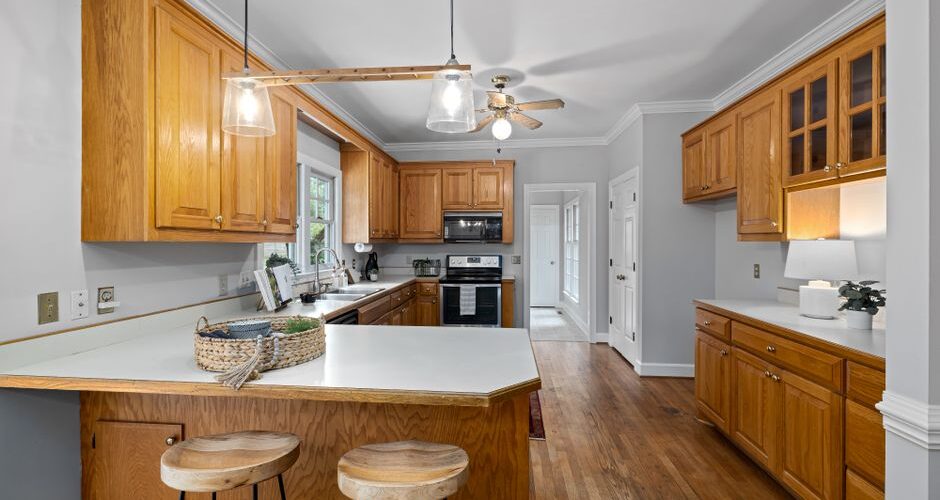
The key is visual first impression. Refinishing removes age signals like yellowed varnish or honey oak grain which buyers read as “this house is old and may have hidden problems.”
Speed, budget, and holding costs
For a typical 12 to 18 cabinet door kitchen in Denver:
- Full replacement with mid‑range stock cabinets and basic layout changes can run $8,000 to $15,000 in materials and labor.
- Refinishing often falls between $2,500 and $6,000 at professional quality.
That saving can offset other rehab upgrades, or simply reduce your total capital at risk. You also save time. Replacement can add one to two weeks for demo, delivery, install, and punch lists. Refinishing, if scheduled well, can typically be completed in 3 to 7 working days, with other trades moving around it.
Pro Tip: On multi‑project schedules, use refinishing as your “time buffer” trade. Because it is flexible and less permitting intensive, you can slide it up or back to keep framers, plumbers, and countertop installers on track.
Fit for different flipping strategies
- Cosmetic flips: Refinishing is almost always the right move if boxes are solid.
- Medium rehabs: Combine refinishing with new countertops, sink, and backsplash to create a “new kitchen” experience.
- High‑end flips: Consider refacing or high‑end refinishing with upgraded doors if your buyers expect inset or shaker styles, but do not dismiss refinishing if the existing profiles are clean and simple.
For more detail on service scope and geographic coverage, you can review Cabinet Refinishing Denver Denver Cabinets Refinishing.
Cost ranges, ROI, and numbers that matter to investors
To evaluate cabinet refinishing like an investor, you need realistic Denver pricing and ROI expectations.
Typical cost ranges in Denver metro
Actual quotes vary by kitchen size, condition, and chosen finish, but investors commonly see:
| Scope | Typical Range (Denver) |
|---|---|
| Small galley or condo kitchen | $2,000 to $3,500 |
| Average 3 bed / 2 bath flip kitchen | $3,000 to $5,500 |
| Large or high‑detail kitchen | $5,000 to $7,500+ |
| Add‑on bathroom vanity refinishing | +$250 to $750 per vanity |
See local examples and service descriptions at Cabinet Refinishing Services Denver Co Cabinet Painting Services Denver Co Kitchen Cabinet Painting.
Understanding ROI in real flip scenarios
A practical way to judge ROI is to treat refinishing as a comp‑elevating feature:
- If your ARV spread allows an extra $10,000 to $15,000 of value compared to “dated kitchen” comps, and
- Cabinet refinishing costs you $4,000, and
- It helps justify that higher ARV in both photos and appraisals,
Then your gross ROI on this single line item is 150 to 250 percent, not counting the speed benefit and marketing impact.
Flippers also report:
- Faster days on market when kitchens look “turnkey”
- Fewer buyer objections during inspection, since cabinets appear recently updated and well cared for
- Higher rent potential on rental conversions when cabinets show clean and modern
Budgeting tips for repeat projects
To keep your underwriting clean and dependable:
- Use a per‑door estimate for early pro formas, for example $110 to $160 per door as a rough starting point.
- Add a buffer of 10 to 15 percent for damaged doors, glass inserts, or island details.
- Bundle vanities and laundry cabinets with kitchen work to reduce per‑piece pricing.
Key Takeaway: Treat cabinet refinishing like a core line item in your rehab template. When you standardize specs and vendor relationships, you turn a variable into a predictable, high‑yield investment in every project.
Design and color strategies that sell in Denver
Investors often underestimate how much finish choices affect perceived quality. The same refinishing work can feel “cheap” or “custom” depending on color, sheen, and hardware.
Color palettes that move Denver buyers
Current buyer preferences in Denver, Brighton, and Arvada lean toward:
- Clean whites and off‑whites for small or darker kitchens
- Soft grays or warm greige on lowers, paired with white uppers
- Deep navy or charcoal islands as an accent against lighter perimeter cabinets
Some investor‑friendly combinations:
- Upper cabinets in a soft white, lowers in a warm greige, with brushed nickel pulls
- All white cabinets with black bar pulls for a modern farmhouse vibe
- Greige cabinets with brass hardware for higher‑end central Denver flips
Avoid overly trendy or dark colors in budget neighborhoods, since they can turn off conservative buyers and photograph poorly.
Sheen, hardware, and details
For flips, focus on:
- Sheen: Satin or semi‑gloss gives better cleanability without looking plastic.
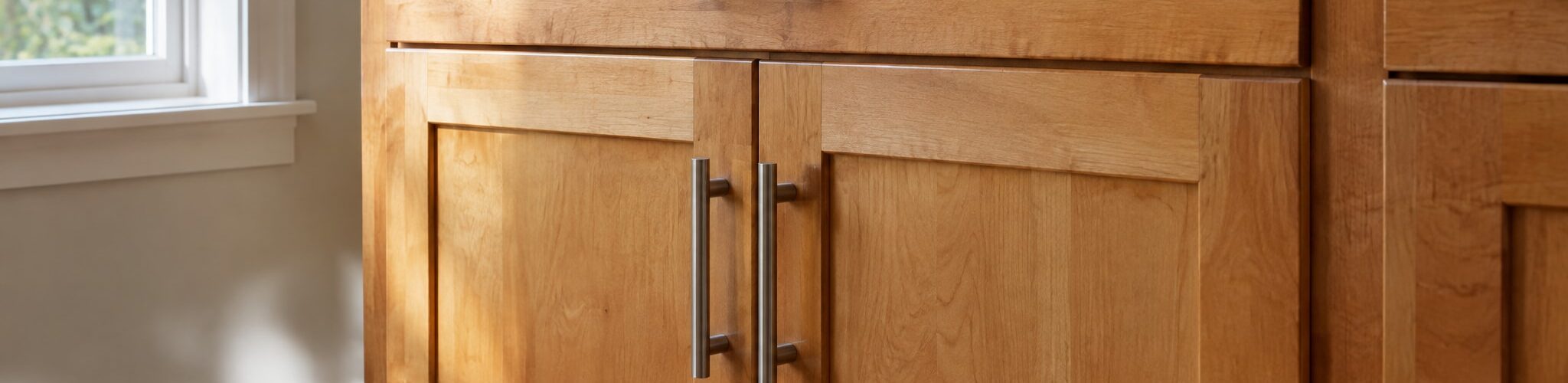
- Hardware: Simple bar or cup pulls instantly elevate refinished cabinets. Budget $3 to $7 per piece installed.
- Hinges: Soft close is a plus, but in C and B class areas, clean and aligned standard hinges still show well.
Remember that cabinet color should coordinate with countertop and floor:
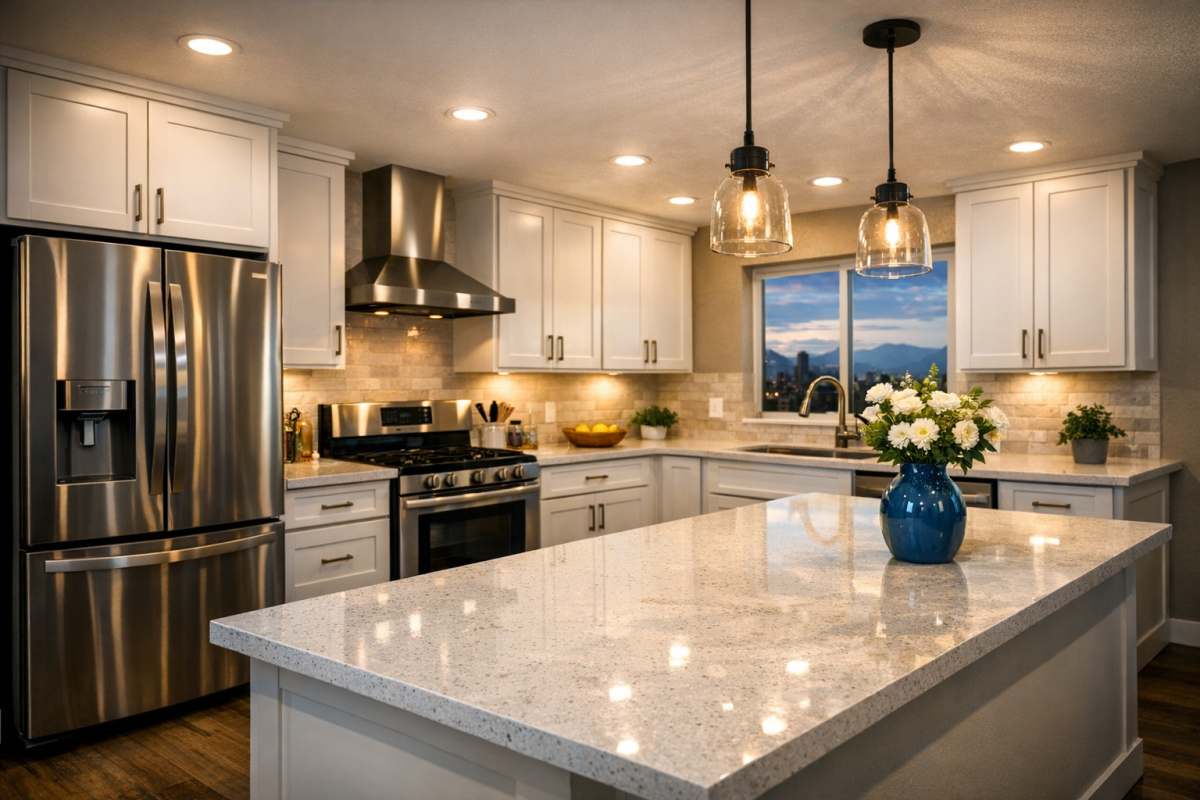
- White cabinets with warm wood‑tone LVP and light quartz are a safe default.
- Darker cabinets need lighter counters and backsplash to avoid a cave effect.
Matching finishes to neighborhoods and buyer types
- Urban condos and townhomes: Cleaner whites, flat‑front or simple shaker profiles, black or stainless pulls.
- Suburban family homes: Softer tones, slightly warmer whites, classic brushed nickel hardware.
- Luxury or near‑luxury flips: Two‑tone combinations, accent islands, and higher‑end hardware finishes like brushed brass or matte black.
Process, timeline, and coordination with other trades
Knowing how cabinet refinishing fits into your project schedule helps you avoid costly overlaps and rework.
Typical workflow for a professional refinishing project
Most professional crews will follow a sequence like:
- On‑site assessment of cabinet condition, layout, and any repairs needed.
- Removal of doors and drawer fronts.
- On‑site masking, cleaning, and scuff sanding of boxes and face frames.
- Transport of doors and drawers to a controlled spray shop if the company uses an off‑site system.
- Priming and two or more top coats with a cabinet‑grade coating.
- Cure time, which can be accelerated with proper ventilation and product choice.
- Reinstallation of doors and drawers, hardware installation, and touch‑ups.
From first day on site to completion, expect 3 to 7 working days, depending on kitchen size and whether doors are finished off‑site.
How to schedule around other contractors
To reduce damage and delays:
- Complete major demo, framing, rough plumbing, and electrical before refinishing.
- Install new floors and drywall before cabinet refinishing whenever possible.
- Schedule countertop templating after cabinets are refinished and reinstalled, to avoid scratching fresh surfaces.
- Protect refinished cabinets during backsplash and final punch list with foam and tape.
Important: Never let other trades store tools or materials on newly refinished cabinet surfaces. One dropped drill or bucket can turn a simple job into a repaint of multiple fronts.
Working with rental turnovers and quick flips
For tight timelines, such as rental turns or wholetail flips:
- Use vendors who can work evenings or weekends, as odor and overspray are limited with modern cabinet coatings.
- Ask about fast‑curing products that allow gentle use within 24 to 48 hours.
- Stage photos only after coatings have fully cured to avoid impressions from boxes, chairs, or decor.
To see how local teams structure projects across Denver, Brighton, and Arvada, you can review Cabinet Refinishing Denver Co Cabinet Refinishing Brighton Co Arvada Co2737 2.
Quality standards, inspection issues, and common pitfalls
Poor refinishing work shows up immediately in listing photos and inspections. As an investor, you want to recognize quality before you pay for it.
Visible signs of professional work
Look for:
- Smooth, consistent finish with no heavy brush marks or roller stipple
- Clean edges where cabinet color meets walls or ceilings
- Doors that close evenly, with consistent gaps between them
- No visible drips, sags, or rough spots on high‑touch areas
A buyer’s agent or inspector will not list “poor cabinet paint job” on the report, but they will form an overall impression of quality that affects offers and negotiations.
Common mistakes that hurt your flip
Avoid:
- Skipping proper cleaning and degreasing, which leads to peeling, especially near stoves.
- Using cheap wall paint instead of cabinet‑grade coatings, which chips quickly.
- Choosing colors that clash with floors and counters, creating a disjointed look.
- DIY work that looks obviously amateur as soon as a buyer opens a door.
Warning: Chipped or peeling cabinet finishes within days of showings can trigger buyer concerns about the overall rehab quality, which can cascade into requests for credits or price reductions.
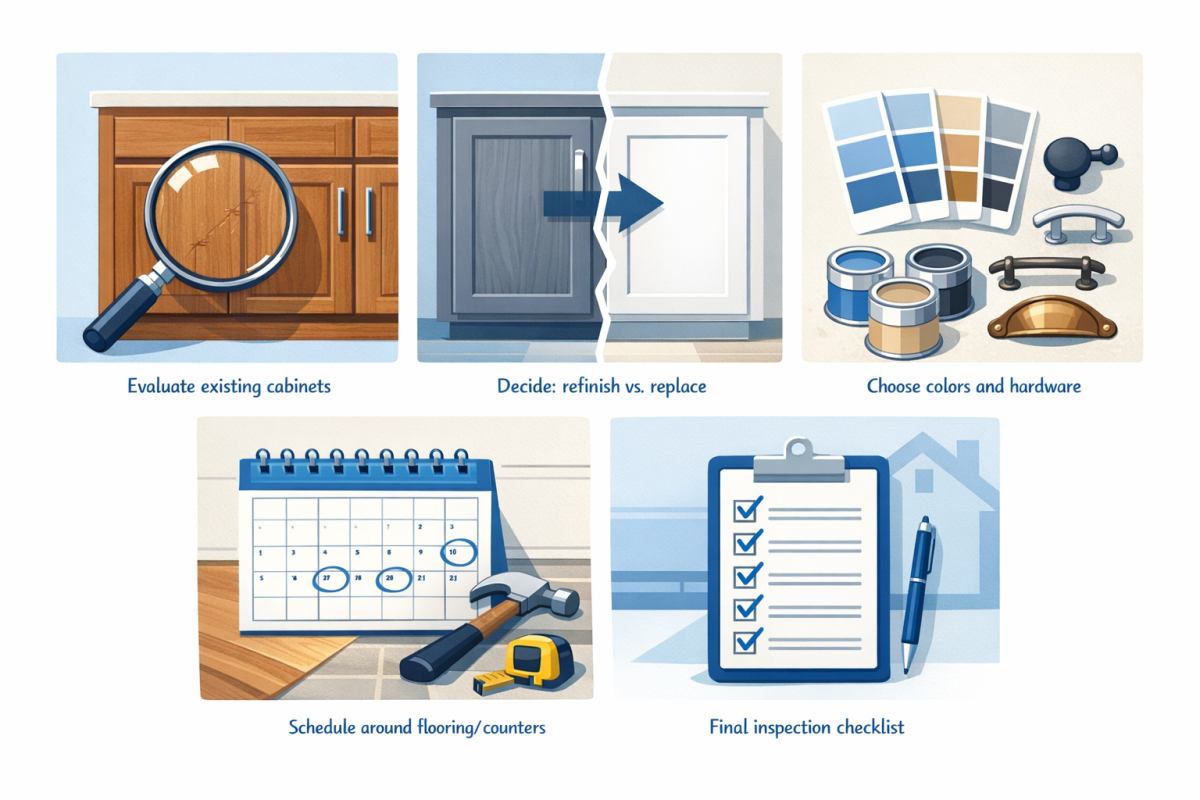
Simple inspection checklist for investors
Before you release final payment on refinishing:
- Open and close every door and drawer to check for sticking or rubbing.
- Inspect corners and edges at eye level for thin coverage or missed spots.
- Check undersides of upper cabinets above eye level, where shortcuts often hide.
- Run your hand along face frames to feel for grit or debris locked into the finish.
Partnering with a refinishing specialist instead of reinventing the wheel
If you intend to flip regularly in Denver, you are better off building a relationship with a proven refinishing company instead of bidding every job from scratch.
What to look for in a cabinet refinishing partner
Prioritize:
- Strong portfolio photos from real Denver projects, not stock images
- Clear explanation of prep process and coating systems
- Written warranties on adhesion and finish
- Familiarity with investor timelines and budgets
Local specialists like Cabinet Refinishing Denver understand the rhythm of flips. They can often suggest value engineering, such as which boxes are worth saving, and which doors might be too far gone.
How to standardize specs across flips
Create a simple spec sheet you can reuse:
- Approved color or palette options by price tier
- Default hardware style and finish
- Preferred sheen and product line
- Expected prep standards and number of coats
Once your refinisher knows that every C‑class rental turn gets “Color X, cabinet grade semi‑gloss, hardware Y,” you minimize decisions and surprises.
Pro Tip: Ask your refinishing partner to flag hidden issues early: water damage, sagging boxes, or layout problems. Early detection avoids change orders and lets you adjust your scope before you are committed.
Key takeaways for Denver house flippers
- Refinishing cabinets in Denver flips often cuts cabinet costs by 50 to 70 percent compared to replacement, while still delivering a “new kitchen” look.
- Solid boxes and functional layouts are your green light for refinishing. Structural damage or poor layouts are not.
- Strategic color and hardware choices tailored to Denver buyers can push your ARV to the top of the comp range.
- Professional process and scheduling coordination keep your finishes clean and on time for photos, appraisals, and showings.
- Partnering with a dedicated refinishing company and standardizing specs turns cabinet work into a predictable, high‑ROI line item.
How Cabinet Refinishing Denver can support your next flip
For investors working across Denver, Brighton, Arvada, and nearby suburbs, Cabinet Refinishing Denver offers a focused way to plug expert cabinet work into your existing rehab systems.
They specialize in:
- Investor‑friendly pricing and repeat‑project relationships
- Cabinet‑grade coatings that stand up to showings, inspections, and rental traffic
- Scheduling that works around your flooring, countertop, and appliance installs
If you want to walk into your next project knowing your cabinets will present like new without blowing your budget or timeline, explore their services and gallery at:
Cabinet Refinishing Denver
Website: https://cabinetsrefinishing.com
Call to action: Learn more
Frequently Asked Questions
Is cabinet refinishing worth it for low-end flips in Denver?
Yes, as long as the cabinet boxes are structurally sound. In entry‑level neighborhoods, buyers still expect clean, updated kitchens, but they are more price sensitive. Refinishing lets you deliver a “move‑in ready” look without high material costs. Pair basic white or greige cabinets with durable laminate or budget quartz counters, and you can often command top‑of‑market pricing for that segment.
How long does cabinet refinishing usually take for a flip project?
Most average‑size Denver flip kitchens can be refinished in 3 to 7 working days, depending on the system your contractor uses and how many doors are involved. Factors that extend timelines include heavy grease buildup, significant repairs, or combining multiple spaces such as kitchen, baths, and laundry. You can usually keep other trades working in different areas of the home while refinishing is underway.
Can I DIY cabinet refinishing on my flips to save money?
You can, but it is often a false economy for flips. DIY jobs frequently lack proper prep and cabinet‑grade coatings, which leads to chipping, brush marks, and uneven coverage. That may be acceptable in a personal home, but it undermines buyer confidence in a rehab. Professional refinishing adds cost, but it also protects your ARV, helps listings photograph better, and reduces punch‑list headaches.
What cabinet colors are best for attracting Denver buyers?
Safe, high‑appeal choices include soft whites, off‑whites, and warm greige tones. Two‑tone schemes, such as white uppers with greige or navy lowers, perform well in many Denver neighborhoods. For higher‑end flips, consider an accent island in a deeper charcoal or navy. Avoid overly dark cabinets in small or low‑light kitchens, since they can make spaces feel smaller and less inviting.
When should I replace cabinets instead of refinishing them?
Replace cabinets when there is clear structural damage, such as swollen particle board, rotted sink bases, or boxes pulling away from the wall. You should also consider replacement if the layout is functionally poor, for example no dishwasher location, or if you are targeting a price point where buyers expect custom cabinetry. In those cases, refinishing may still work for rentals, but full replacement better supports top‑tier ARV.
My Review of Graco FFLP Tips for Spraying Cabinets

Cabinet refinishing in the Denver metro areas