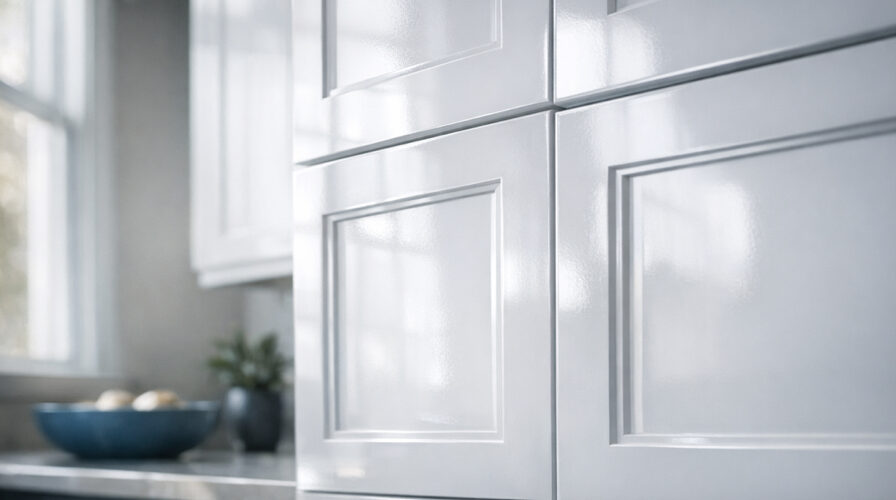
Why Factory Finish Cabinet Painting Matters In Denver
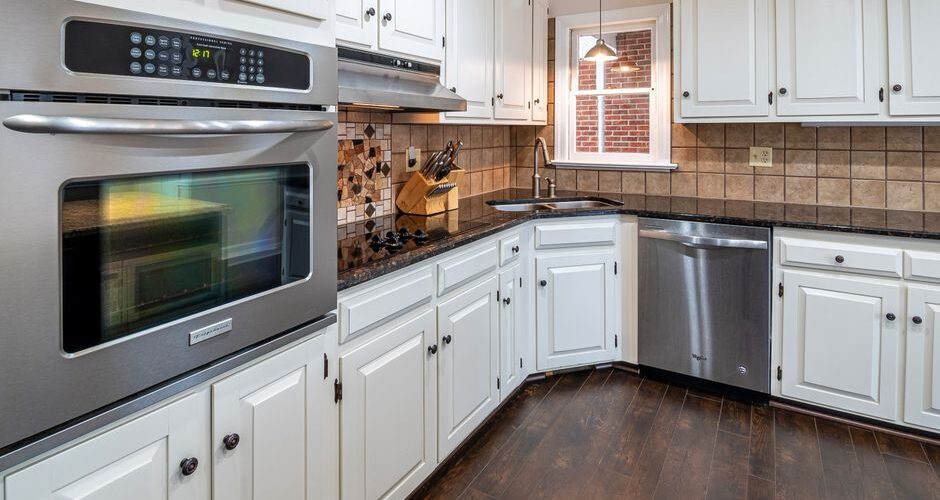
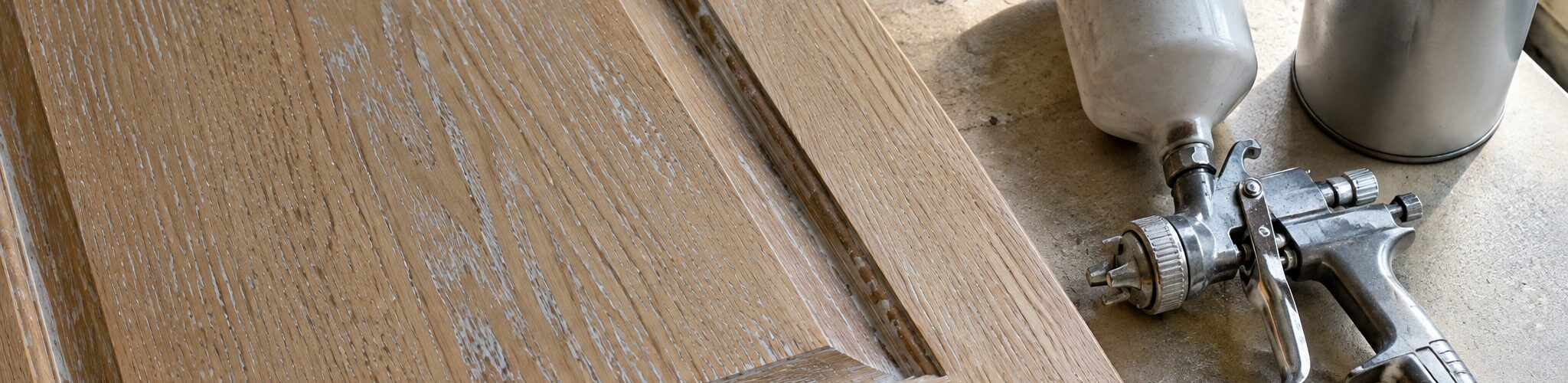
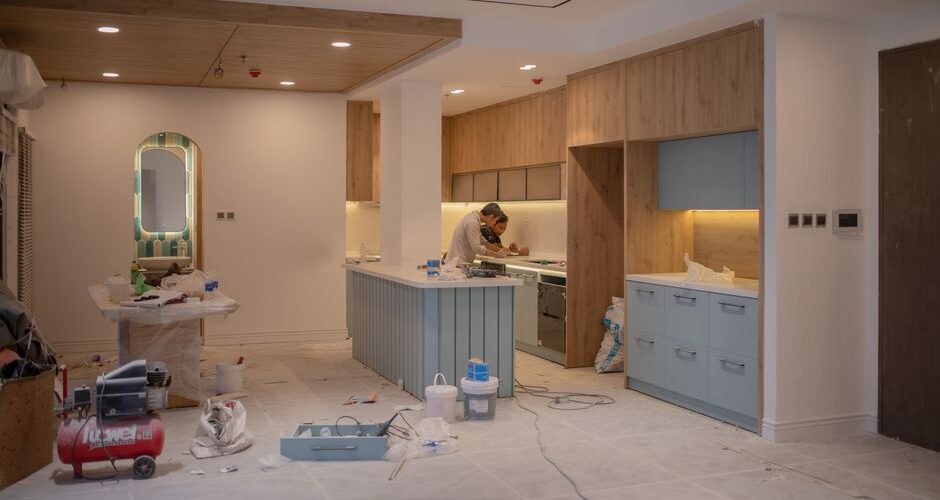
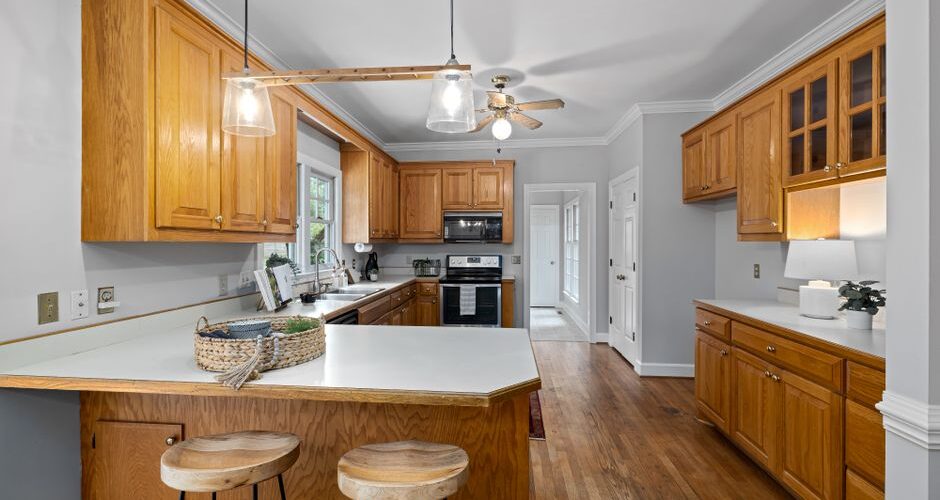
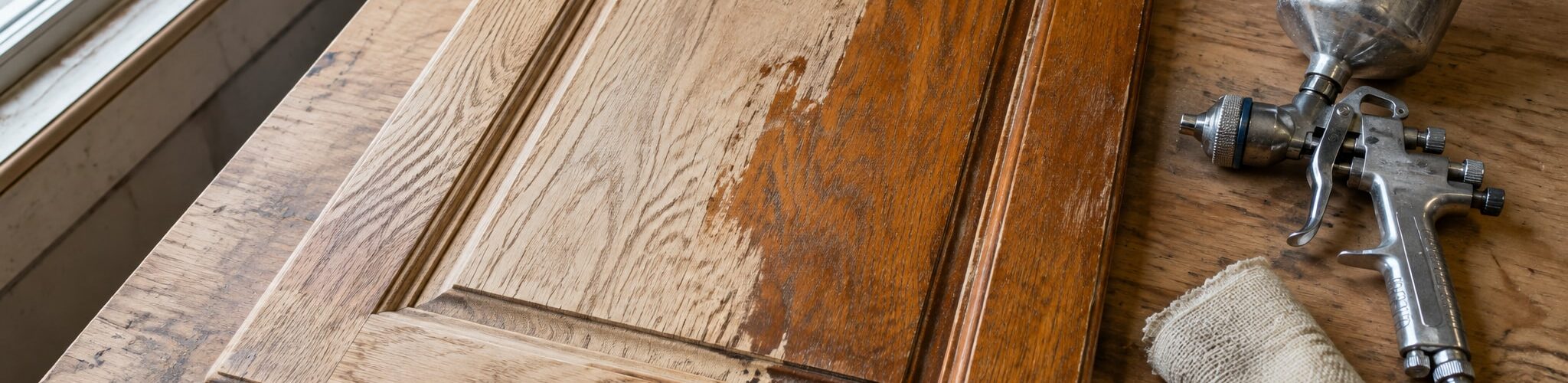
Factory finish cabinet painting in Denver Colorado has become one of the highest ROI upgrades for kitchens and bathrooms. Instead of ripping out cabinets, homeowners, investors, and designers are getting a smooth, spray-applied finish that looks like new factory cabinetry for a fraction of replacement cost.
Cabinet Painting Service Areas in Denver & Surrounding Cities, Cabinet Refinishing in Denver County,
Serving Lakewood, CO, Littleton, CO, Golden, CO, Evergreen CO, Roxborough Park CO, Ken Carl Ranch CO,
Arvada, CO, Wheat Ridge, CO,
and Parker CO. Castle Pines CO. Englewood CO. Centennial CO.
Cabinet Painting in Arapahoe County, CO
Including Centennial, CO, Greenwood Village, CO,
Cherry Hills Village, CO, Englewood, CO,
and Aurora, CO.
Cabinet Painting in Adams County & Broomfield, CO
In a market where buyers scrutinize kitchens and baths first, a flawless cabinet finish can be the difference between “dated” and “designer.” This is especially true in Denver, where open-concept layouts, strong sunlight, and modern design preferences make cabinet surfaces highly visible.My Review of Graco FFLP Tips for Spraying Cabinets
Whether you are renovating your own home, preparing a rental turn, or updating a flip for listing photos, understanding how a true factory finish is achieved helps you avoid brush-mark DIY disasters and short-lived results. This guide walks through what “factory finish” really means, what the process should look like, realistic costs and timelines in Denver, and how to choose the right contractor for long-lasting performance.

Factory finish cabinet painting, refinishing Denver Colorado
What “Factory Finish” Actually Means For Cabinets
Many painters use the term “factory finish,” but in practice it can range from basic brushed paint to a professional spray process. For Denver properties, where temperature and humidity swings are significant, the details matter.
Key Characteristics Of A True Factory Finish
A legitimate factory finish on cabinets typically includes:
- Spray application, not brushing or rolling
- Smooth, uniform film build with no visible brush strokes
- Excellent adhesion on wood, oak grain, maple, and laminates
- Hardened coating that resists chipping, scratching, and household chemicals
- Consistent color and sheen from piece to piece
In professional shops and advanced on-site setups, this is achieved with specialized primers and topcoats, along with controlled spray environments that minimize dust and overspray.
Why Factory Finish Outperforms Basic Repainting
Regular wall paint does not belong on cabinets. It tends to:
- Remain soft, so doors stick and edges wear quickly
- Chip easily on high-contact areas such as knobs and edges
- Show roller texture, brush lines, and touch-up patches
A cabinet-grade factory finish uses coatings engineered for daily use in kitchens and baths. These can be catalyzed or hybrid products that cure harder and faster, which is crucial in busy Denver households and high-turn rentals.
For a deeper dive into materials and process, many Denver homeowners reference resources like “Factory Finish Cabinet Painting In Denver The Definitive Guide” which explains how professional refinishers approach the work end to end.
Key Takeaway: If you can clearly see brush strokes or roller texture on your cabinets, you do not have a true factory finish, and durability will almost always be compromised.
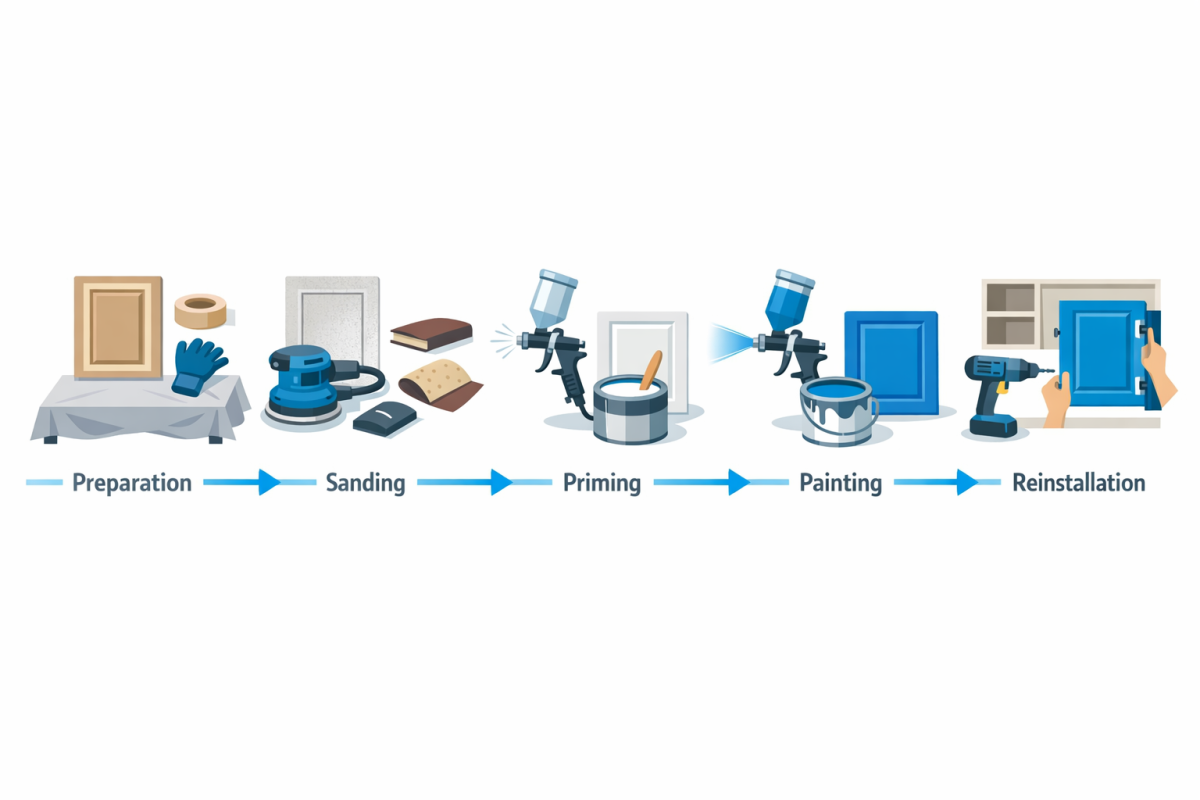
The Factory Finish Process Step By Step
Understanding the process helps you set expectations and evaluate contractor proposals. A professional factory finish cabinet painting in Denver Colorado will typically follow these stages.
Preparation And Masking
Preparation is usually 60 to 70 percent of the job:
- Detailed cleaning to remove grease, silicone, and residues
- Mechanical scuff sanding to promote adhesion
- Repairs to dents, gaps, and open grain if a smoother look is desired
- Masking of floors, appliances, countertops, and ceilings
- Building a temporary spray booth or containment area in the home or using an offsite spray shop
Because Denver is relatively dry, dust control is critical. Experienced refinishers use air scrubbers, extraction fans, and plastic sheeting to keep spray dust from migrating through the home.
Priming For Adhesion And Stain Blocking
Cabinets are typically primed with:
- Bonding primers that grip slick factory finishes and laminates
- Stain-blocking primers that stop tannin bleed from oak and other woods
- In some systems, a dedicated primer-surfacer that fills grain for an ultra-smooth look
This layer is sanded smooth once dry. Any remaining texture or imperfections are corrected before color is applied.
Spray Application Of Color Coats
The color coats are applied by HVLP or airless sprayers set up for fine finishing. A professional system often includes:
- 2 to 3 coats of cabinet-grade enamel, urethane, or hybrid coating
- Between-coat sanding for an ultra-smooth surface
- Careful monitoring of film thickness and dry times
In a Denver environment, where humidity is generally low, products can flash off quickly. Skilled applicators adjust technique and additives so the finish levels properly without dry spray or orange peel.
How Denver’s Climate Impacts Cabinet Painting
Factory finish cabinet painting in Denver Colorado must account for local climate. Elevation, temperature swings, and low humidity all impact how coatings behave and how long they last.
Temperature And Humidity Considerations
Denver often has:
- Low relative humidity, which accelerates drying
- Significant day-night temperature swings
- Strong UV exposure in sunny kitchens
This environment can be an advantage for faster turnaround but only if products and techniques are chosen correctly. If paint dries too fast, you get roughness, lap marks, and poor adhesion. If it is too cold, curing slows and the finish stays soft.
Professional refinishers schedule work and product choice around:
- Ideal substrate and air temperature ranges
- Ventilation that removes fumes but avoids drafts on fresh coatings
- Allowing sufficient cure time before heavy use
Seasonal Planning For Homeowners And Investors
For occupied homes and rentals, timing matters:
- Winter: Indoor projects are very feasible with proper ventilation and containment, but garages used as spray spaces must be heated.
- Spring/Fall: Often ideal for spraying doors and drawer fronts in garages or shops.
- Summer: Faster drying, though extra attention is needed for leveling and avoiding dry spray.
Investors and property managers often align cabinet refinishing with vacancy periods of 5 to 10 days, which is realistic for a professional factory finish project that includes cure time before move-in.
Cost, Timelines, And ROI In The Denver Market
Factory finish cabinet painting in Denver Colorado delivers a strong return compared to replacement or refacing, especially in mid-range homes and rental properties.
Typical Cost Ranges
Exact pricing depends on kitchen size, condition, and materials, but in Denver you can expect ballpark ranges like:
| Project Type | Typical Denver Range* | Notes |
|---|---|---|
| Small condo kitchen | $2,000 – $3,000 | 10 to 15 doors, simple layout |
| Average single-family kitchen | $3,000 – $5,000 | 20 to 30 doors, moderate repairs |
| Large / custom kitchen with island | $5,000 – $8,000+ | Complex details, crown, glass doors |
| Kitchen + bathroom cabinet package | $4,000 – $7,500 | Efficiency savings when done together |
*Ranges are approximate and vary by scope, materials, and contractor experience.
Compared with full cabinet replacement that often runs $15,000 to $40,000 in Denver, a factory finish is usually 60 to 80 percent less while delivering a similar visual impact.
Project Timelines
Typical timelines for a single kitchen:
- On-site work: 3 to 5 days for masking, prep, spraying frames
- Offsite or garage spraying of doors/drawers: 2 to 4 days
- Cure time before normal use: 3 to 7 days, depending on product
Homeowners can usually keep partial access to the kitchen throughout. Investors and landlords often schedule the work between tenants, knowing that photography-ready results are possible in about a week.
Pro Tip: Ask any contractor for a detailed schedule that includes not just painting days, but recommended cure time before reinstalling hardware and full use of the kitchen.
Choosing The Right Factory Finish Partner In Denver
The difference between a quick paint job and a true factory finish is almost always the contractor. Here is how to evaluate providers in Denver.
Questions To Ask Before Hiring
When you interview refinishers, ask:
- What specific products do you use on cabinets, and are they designed for kitchen cabinetry?
- Will the finish be sprayed, brushed, or rolled?
- How do you handle dust control and ventilation in occupied homes?
- Do you remove doors and drawer fronts, and where are they sprayed?
- What is your process for laminate or thermofoil cabinets, if applicable?
Reputable specialists often publish process guides, like “Spray Cabinet Painting Denver The Guide To A Flawless Factory Finish,” which can give you a benchmark for what a professional workflow should look like.
Signs Of A Professional Factory Finish Specialist
Look for:
- Dedicated cabinet refinishing experience, not just general painting
- Portfolio photos that show close-ups of edges, profiles, and inside views
- Clear, written scope of work and warranty terms
- Site protection practices that respect flooring, counters, and HVAC systems
Designers and flippers in the Denver metro area often work with the same refinishing crews repeatedly because consistent color matching, scheduling reliability, and predictable quality are critical for their projects.
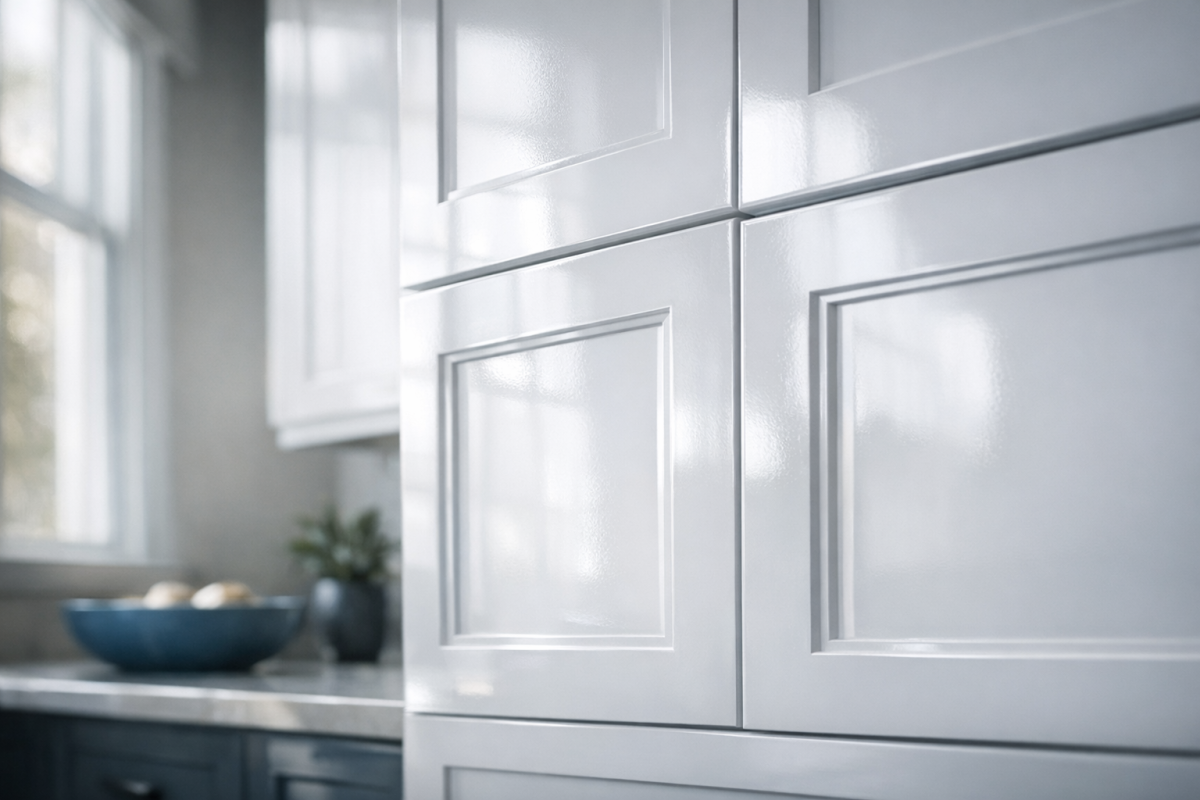
Special Considerations For Laminate And Older Cabinets
Not all cabinets are solid wood. Many Denver condos and 1990s to 2000s builds feature laminate or thermofoil doors. These require specific approaches.
Laminate Cabinet Factory Finishes
Laminate and melamine surfaces are slick and nonporous, so adhesion is the main challenge. A proper process includes:
- Aggressive cleaning and sanding to dull the surface
- Specialized bonding primers formulated for laminates
- Flexible, cabinet-safe topcoats that expand and contract without cracking
For a deeper technical breakdown tailored to laminates, see resources like “Professional Laminate Cabinet Painting In Denver A Factory Finish That Lasts,” which explains what products and steps are required for long-term durability.
When Cabinets Should Not Be Painted
In some cases, painting is not the best option. Examples include:
- Severely swollen or water-damaged particle board boxes
- Delaminating thermofoil faces where the substrate is failing
- Structural issues with cabinet boxes or hanging rails
In these situations, a good refinisher will advise partial or full replacement instead of trying to “paint over” serious problems. This is especially important in rental portfolios, where failure later can be far more disruptive and expensive.
[IMAGE: Before-and-after cinematic split image of a dated oak Denver kitchen on the left and the same kitchen with smooth white factory-finished cabinets on the right – style: cinematic]
Practical Planning Tips For Homeowners, Investors, And Designers
Whether you are planning one kitchen or ten units in a multi-family building, smart planning ensures smooth execution and strong results.
For Homeowners Updating Their Own Kitchens
- Finalize hardware early so drilling or hole-filling can be integrated into the project.
- Decide on color and sheen with real paint samples on your existing cabinets.
- Plan for simple meals, grilling, or takeout during the most intensive days of the project.
For Real Estate Investors And House Flippers
- Schedule cabinet refinishing before final cleaning but after major construction and drywall work to avoid dust contamination.
- Coordinate with stagers and photographers so cabinets are fully cured before styling and photos.
- Use neutral, market-friendly colors that appeal broadly in the Denver market, such as warm whites and soft grays.
For Property Managers And Multi-Unit Projects
- Start with a pilot unit to refine color, sheen, and schedule.
- Build a standardized spec sheet so each unit gets the same product system and color.
- Use the factory finish upgrade as a leasing and rent-justification tool, backed by high-quality listing photos.
How Cabinet Refinishing Denver Delivers Factory Finish Results
If you want the benefits of factory finish cabinet painting in Denver Colorado without navigating all the technical details yourself, working with a specialist makes the process far simpler.
A service like Cabinet Refinishing Denver focuses specifically on:
- Spray-applied, cabinet-grade coatings engineered for Colorado conditions
- Detailed prep, including repairs, caulking, and dust-controlled sanding
- On-site containment that protects occupied homes, rentals, and flip projects
- Options for both wood and laminate cabinetry, with processes tailored to each material
For homeowners, this means a kitchen that looks like new cabinetry without the demolition. For investors and property managers, it means predictable costs, repeatable results across units, and faster turns.
If you are comparing bids or planning a project now, review their detailed guides, ask for a sample door, and confirm the full process from prep to cure time.
To see how a true factory finish could transform your kitchen, bath, or rental units, visit Cabinet Refinishing Denver at https://cabinetsrefinishing.com. Learn more.
Your Next Steps For A Factory Finish In Denver
To move from research to results, start with three concrete actions:
- Assess your current cabinets for material, condition, and layout complexity.
- Decide whether you need a homeowner upgrade, rental refresh, or flip-ready transformation.
- Reach out to one or two Denver cabinet refinishing specialists, share photos and measurements, and request a detailed written scope that includes the full spray process.
With the right partner and a factory-grade system, you can achieve a showroom-quality finish that holds up to daily use, Denver’s climate, and buyer expectations, without the cost and disruption of full replacement.
Frequently Asked Questions
Is factory finish cabinet painting durable enough for busy Denver families?
Yes, when done with cabinet-grade primers and topcoats, a factory finish is designed for daily kitchen use. The sprayed coatings cure harder than standard wall paint, resist chipping on edges, and tolerate routine cleaning. For busy Denver households with kids and pets, the key is proper prep, bonding primer, and allowing full cure time before heavy use.
How long does factory finish cabinet painting usually take in Denver?
Most single-kitchen projects take about 3 to 5 days of on-site work plus several additional days for cure time. Doors and drawers are often sprayed offsite or in a garage spray zone over 2 to 4 days. You can typically use the kitchen in a limited way during the process and return to normal use within about a week, depending on products and conditions.
Can laminate or thermofoil cabinets get a true factory finish?
Yes, many laminate and melamine cabinets can be successfully refinished with a factory-style sprayed finish, but they require specific bonding primers and careful prep. Thermofoil doors that are actively peeling or swollen may need replacement rather than paint. A specialist experienced in laminate cabinet painting will advise which pieces are suitable and which should be replaced.
How much does factory finish cabinet painting cost compared to replacement?
In Denver, factory finish cabinet painting for an average kitchen often runs between $3,000 and $5,000, sometimes less for small condos and more for large custom kitchens. Full replacement can cost $15,000 to $40,000 or more, especially with new boxes, installation, and countertops. Refinishing typically saves 60 to 80 percent while still delivering a major visual upgrade.
Will painting my cabinets help my home sell faster in the Denver market?
In many cases, yes. Buyers and renters focus heavily on kitchens and baths. Updating dark or dated cabinets to a clean, modern factory finish often makes listings photograph better, shows brighter during tours, and can justify stronger pricing. Agents and flippers in Denver frequently prioritize cabinet refinishing before professional staging and photography to maximize first impressions.