
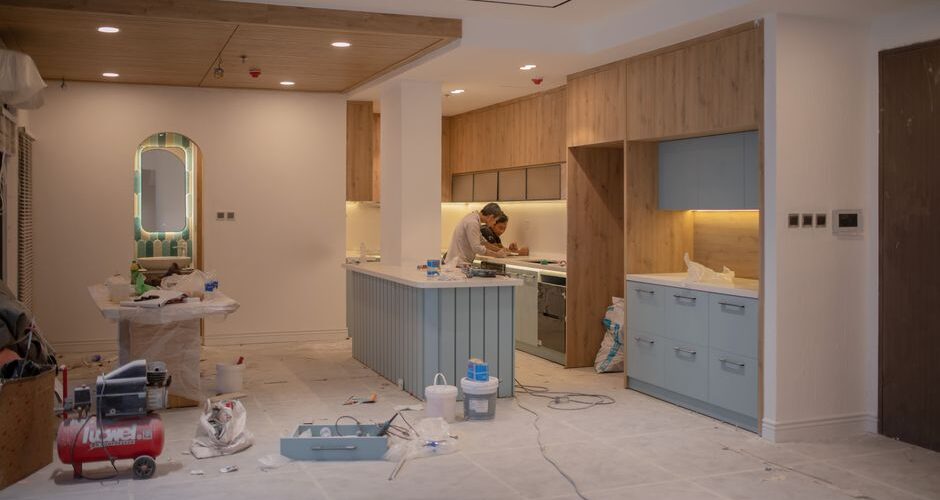
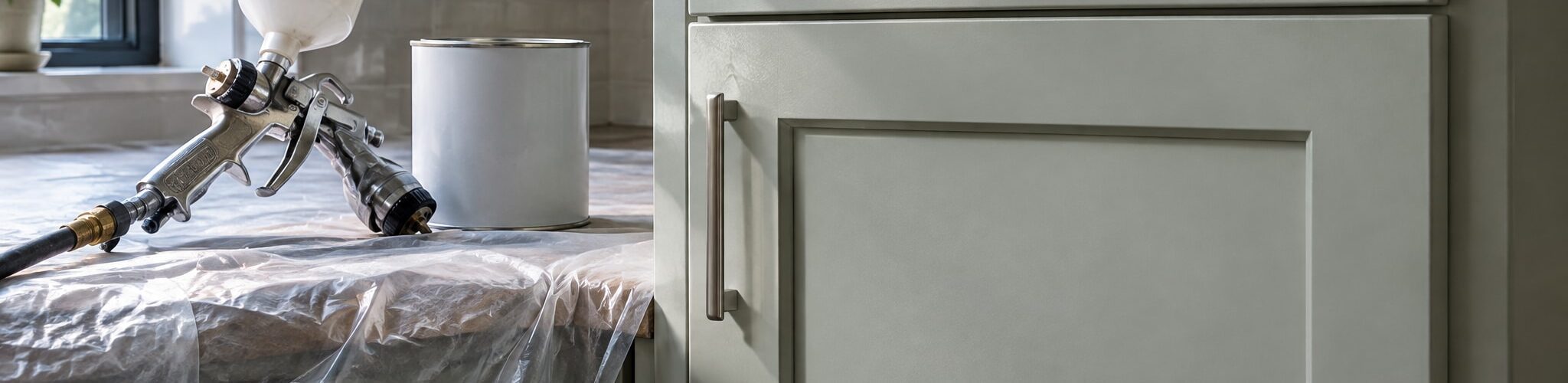
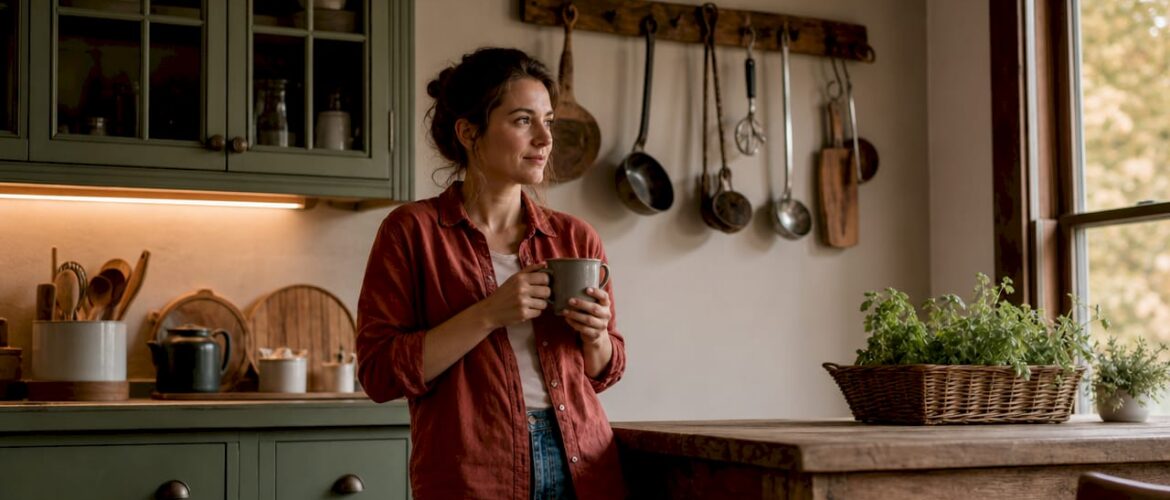
Green cabinetry is defined as the fastest-rising color category in American kitchen design, with usage doubling from 3% to 6% among US homeowners between 2021 and 2025. That growth is not a coincidence. Green sits at a rare intersection of nature-inspired aesthetics, psychological comfort, and broad design compatibility that few other colors can claim. Designers call it the “unexpected neutral,” a shade that reads as both personal and universally appealing. Understanding why green cabinets trend kitchen design means looking at biophilic principles, color psychology, and what buyers actually respond to when they walk into a kitchen.
Why do green cabinets dominate modern kitchen design trends?
Green cabinets succeed in modern kitchens because they tap into biophilic design, a principle that connects interior spaces to the natural world. Biophilic design is not decorative philosophy. It is a documented approach showing that nature-inspired elements reduce stress and increase comfort in living spaces. Cabinets are the largest visual surface in most kitchens, so their color carries the most weight in setting that tone.
Cabinet Painting Service Areas in Denver & Surrounding Cities, Cabinet Refinishing in Denver County,
Serving Lakewood, CO, Littleton, CO, Golden, CO, Evergreen CO, Roxborough Park CO, Ken Carl Ranch CO,
Arvada, CO, Wheat Ridge, CO,
and Parker CO. Castle Pines CO. Englewood CO. Centennial CO.
Cabinet Painting in Arapahoe County, CO
Including Centennial, CO, Greenwood Village, CO,
Cherry Hills Village, CO, Englewood, CO,
and Aurora, CO.
Cabinet Painting in Adams County & Broomfield, CO
Serving Lakewood, CO, Littleton, CO, Golden, CO, Evergreen CO, Roxborough Park CO, Ken Carl Ranch CO,
Arvada, CO, Wheat Ridge, CO,
and Parker CO. Castle Pines CO. Englewood CO. Centennial CO.
Cabinet Painting in Arapahoe County, CO
Including Centennial, CO, Greenwood Village, CO,
Cherry Hills Village, CO, Englewood, CO,
and Aurora, CO.
Cabinet Painting in Adams County & Broomfield, CO
The psychological appeal of green lies in its association with nature, renewal, and balance. That combination makes kitchens feel calm and energizing at the same time, which is exactly what homeowners want from a room where they spend significant daily time. No other trending cabinet color delivers that dual effect as reliably.
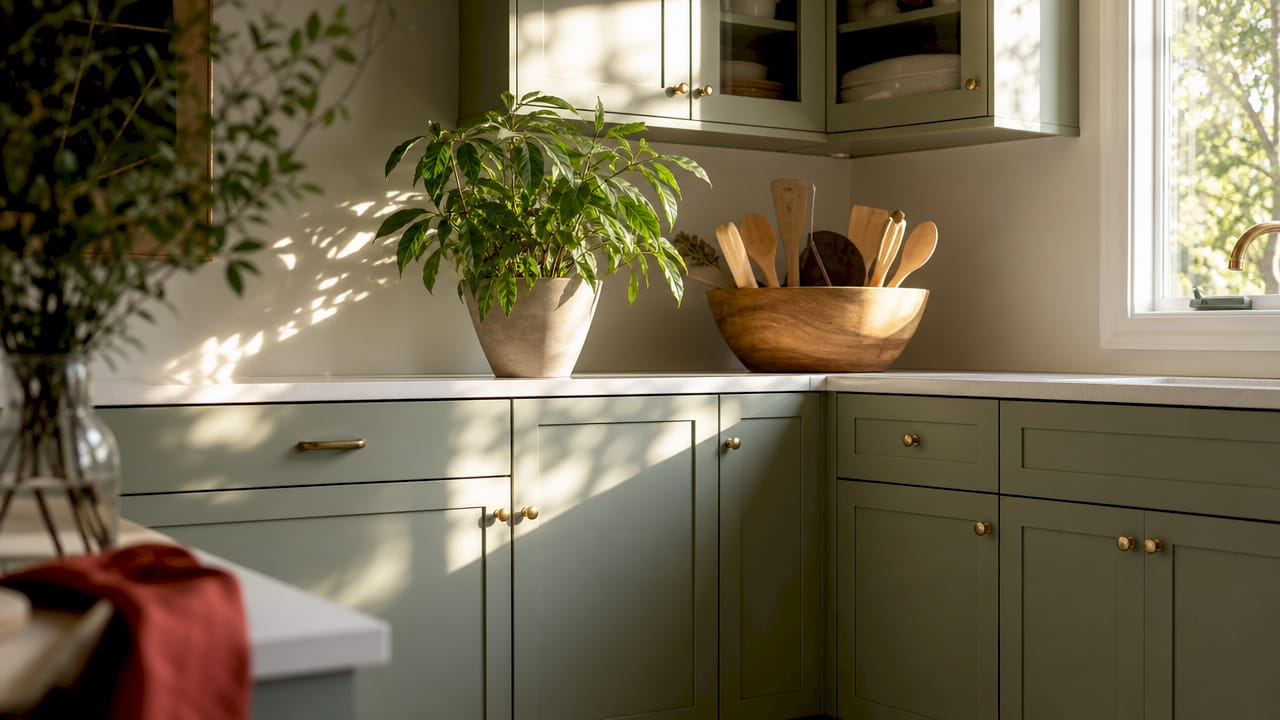
Industry recognition reinforces what designers have observed. At the 2026 Kitchen and Bath Industry Show (KBIS), green cabinets were highlighted as the “unexpected neutral” of the year, bridging bold colors and traditional neutrals while offering strong resale confidence. KBIS is the largest trade event for kitchen and bath professionals in North America. When that show puts a color at the center of its trend conversation, the industry follows.
Green also works across a wider range of styles than most colors. It fits Shaker cabinetry in a farmhouse kitchen just as naturally as it fits flat-panel doors in a contemporary space. That flexibility is rare among non-neutral colors and explains why designers return to it across different project types.
Pro Tip: Test your green cabinet sample under both natural daylight and your kitchen’s artificial lighting before committing. Green shifts more dramatically between light sources than white or gray does.
“Green functions as an unexpected neutral, harmonizing with warm and cool tones alike and allowing broader material compatibility than strict whites or grays.” — Elle Decor, 2026
For homeowners exploring kitchen cabinet color trends in 2026, green is not a risk. It is the most defensible color choice outside of white.
Which shades of green work best and how do they change a kitchen?
Not all greens perform equally in a kitchen. The shade you choose determines whether the space feels grounded and calm or bold and dramatic.
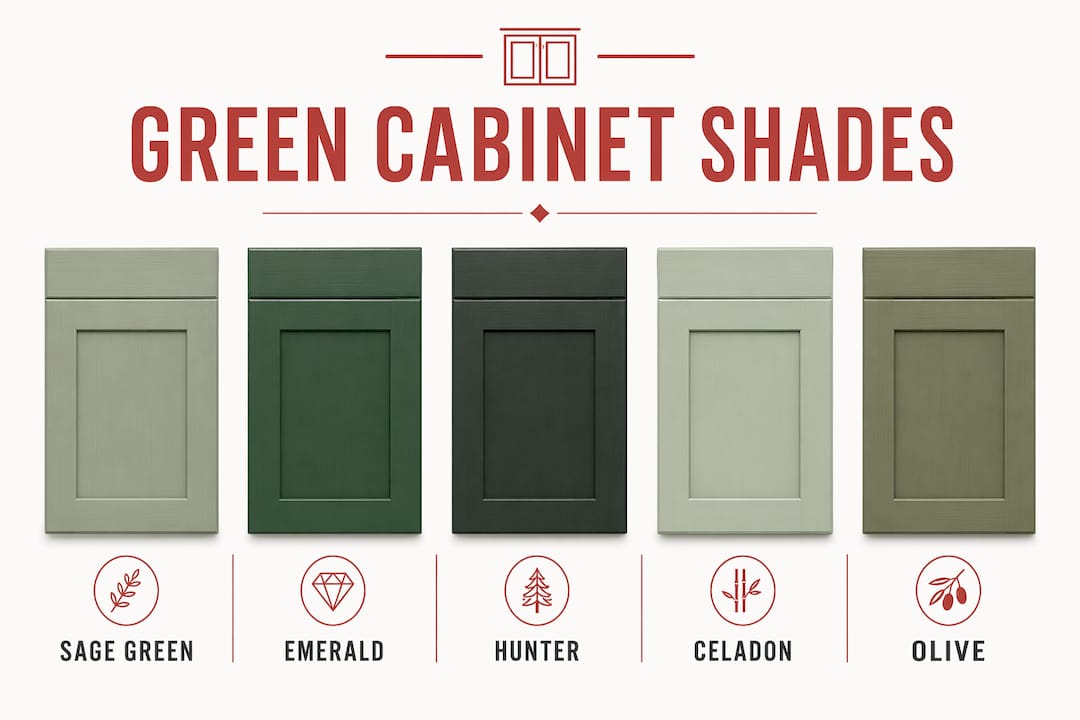
Sage green is the most popular green shade in North America for cabinetry. Its muted, gray-leaning tone reads as almost neutral from a distance while still delivering clear color personality up close. Sage works on full cabinet runs in kitchens of most sizes without overwhelming the space.
Darker greens like emerald and hunter work differently. Darker hues perform best as statement pieces in well-lit or larger kitchens, where they anchor an island or a lower cabinet run without closing in the room. Using a deep green on an island with white perimeter cabinets is one of the most effective two-tone kitchen strategies available right now.
| Shade | Best application | Pairs well with |
|---|---|---|
| Sage green | Full cabinet coverage, any size kitchen | Warm brass hardware, white marble, light wood |
| Celadon | Open-plan kitchens, upper cabinets | Matte black hardware, concrete countertops |
| Olive | Transitional and rustic styles | Bronze fixtures, butcher block, terracotta tile |
| Emerald | Island accents, statement lower cabinets | Gold hardware, veined stone, dark wood |
| Hunter green | Large kitchens, bold traditional spaces | Polished nickel, white subway tile, walnut |
Green also functions as a true unexpected neutral in color pairing, harmonizing with both warm and cool tones in a way that white and gray cannot. White reads cool and clinical next to warm wood. Gray can feel flat next to brass. Green bridges both without conflict.
Pro Tip: If your kitchen gets limited natural light, choose sage or celadon over emerald or hunter. Darker greens absorb light and can make a small kitchen feel enclosed.
Do green cabinets help or hurt kitchen resale value?
Green cabinets positively affect buyer perception by increasing the perceived customization and design quality of a kitchen without alienating future purchasers. That is the core argument for green over other personality-driven colors. A red or cobalt kitchen signals a very specific taste. Green signals design awareness without closing the door on buyers who prefer something more restrained.
The “unexpected neutral” concept is the key to understanding this. Green occupies a middle ground that strict neutrals cannot reach. It gives a kitchen a designed, intentional feel that buyers associate with quality, while remaining approachable enough that they can picture themselves living with it. That combination is what makes green a smart long-term investment compared to sharply personalized colors that turn buyers away.
Practical resale considerations for green cabinet selection:
- Choose muted over saturated. Sage and celadon age better in buyer perception than bright or neon greens.
- Keep countertops and backsplashes neutral. Green cabinets with white marble or light stone countertops read as high-end without being polarizing.
- Avoid all-green kitchens. Green on perimeter cabinets paired with a contrasting island color gives buyers visual variety and reduces the risk of the color feeling overwhelming.
- Finish matters as much as color. A matte or satin finish reads as current and intentional. A glossy finish on green can feel dated faster.
Designers who track kitchen renovation ROI consistently place green cabinetry among the top color choices for balancing personal style with broad buyer appeal.
What practical tips should homeowners follow when choosing green cabinets?
Selecting the right green cabinet requires more than picking a shade you like on a screen. The following steps give you the best chance of a result that holds up over time.
- Assess your kitchen’s light first. North-facing kitchens with cool light make green appear grayer and more muted. South-facing kitchens with warm light bring out the yellow undertones in olive and sage. Know your light before you commit to a shade.
- Choose hardware that complements, not competes. Warm brass hardware complements cool green tones like sage by providing a classical, upscale contrast. Matte black works with deeper greens for a more contemporary edge. Avoid chrome with green, as it creates a clinical pairing that undercuts the warmth green is meant to deliver.
- Select backsplash and countertop materials that balance the tone. Green pairs well with natural materials including wood, brass, stone, and marble. Pink-toned marbles like Calacatta Viola create a particularly striking contrast with sage or hunter green. Subway tile in white or cream keeps the focus on the cabinets without competing.
- Decide between paint and stain based on your cabinet material. High-end designers use semi-transparent oil-based stains on wood cabinets for natural, earthy green finishes that reveal the wood grain and add depth. Paint delivers a more uniform, opaque result and works on any cabinet material. Stain requires more careful application and multiple layers but produces a finish that reads as genuinely high-end.
- Avoid the most common pitfall: choosing green in isolation. Bring your countertop sample, a hardware piece, and a flooring swatch together before finalizing any cabinet color. Green shifts dramatically depending on what surrounds it. A shade that looks perfect in isolation can read muddy or cold next to the wrong countertop.
Pro Tip: Order physical paint or stain samples and apply them directly to a cabinet door or a large piece of cardboard. Live with them for 48 hours before deciding. Digital swatches and small chips do not show how a color behaves at full scale.
Understanding how cabinet color affects mood in a kitchen is the foundation of every good color decision. Green is forgiving, but only when the surrounding choices support it.
Key Takeaways
Green cabinets are the most versatile non-neutral color in kitchen design, combining biophilic appeal, resale confidence, and broad material compatibility that no other trending color currently matches.
| Point | Details |
|---|---|
| Green cabinet adoption is rising | Usage doubled from 3% to 6% among US homeowners between 2021 and 2025. |
| Sage green leads in popularity | Its muted, gray-leaning tone works on full cabinet runs in most kitchen sizes. |
| Green supports resale value | It increases perceived design quality without alienating future buyers. |
| Hardware choice is critical | Warm brass with sage and matte black with deeper greens produce the strongest results. |
| Stain vs. paint changes the outcome | Oil-based stains on wood reveal grain and depth; paint delivers uniform coverage on any material. |
Green cabinets: why I think this trend has real staying power
I have watched a lot of color trends cycle through kitchen design. Most of them peak fast and leave homeowners with a kitchen that looks dated within five years. Green is different, and I want to explain why I believe that rather than just assert it.
The colors that last in kitchen design are the ones that connect to something larger than fashion. White cabinets have lasted decades because they connect to cleanliness and simplicity. Wood tones have lasted because they connect to warmth and nature. Green connects to nature too, but it does something white and wood cannot: it delivers personality. That combination of natural grounding and personal expression is genuinely rare.
What I have observed in renovation projects is that homeowners who choose green rarely regret it. The ones who regret their cabinet color choices almost always chose something that felt exciting in the moment but had no deeper logic behind it. Green has logic. It works with the materials people already love, it photographs well, and it ages gracefully when the shade is chosen carefully.
My honest advice: do not treat green as a trend you are chasing. Treat it as a color with a strong design rationale that happens to be having a cultural moment right now. That framing will lead you to better shade choices and better long-term satisfaction.
— Jesse
How Cabinetsrefinishing brings green cabinet projects to life
Choosing the right green shade is only half the work. The finish quality determines whether the result looks like a high-end kitchen or a DIY project.
Cabinetsrefinishing uses a factory-finish methodology that applies multiple protective layers over meticulous surface preparation, producing a result that holds up to daily kitchen use. Projects are completed in 3–5 days, and refinishing costs range from $3,000 to $8,000, compared to $15,000 to $40,000 for full cabinet replacement. If you are ready to bring a green cabinet vision to life with a durable, professional finish, contact Cabinetsrefinishing to discuss your project. The team can guide you through shade selection, finish options, and the full refinishing process from start to completion.
FAQ
Why are green cabinets trending in kitchen design right now?
Green cabinets combine biophilic design appeal, psychological associations with calm and renewal, and broad material compatibility. Industry recognition at the 2026 KBIS event confirmed green as the “unexpected neutral” of the year.
What is the most popular shade of green for kitchen cabinets?
Sage green is the most popular green shade in North America for cabinetry. Its muted, gray-leaning tone is versatile enough for full cabinet coverage in most kitchen sizes.
Do green kitchen cabinets hurt resale value?
Green cabinets positively affect buyer perception by increasing perceived design quality without alienating future purchasers, making them a stronger resale choice than more sharply personalized colors.
What colors go best with green kitchen cabinets?
Warm brass hardware, white marble countertops, light wood accents, and stone backsplashes all complement green cabinets. Pink-toned marbles create a particularly strong contrast with sage and hunter green shades.
Should I paint or stain green kitchen cabinets?
Paint delivers uniform coverage on any cabinet material. Semi-transparent oil-based stains work best on wood cabinets, revealing the grain and producing a deeper, more natural finish that reads as high-end.
Recommended
- Kitchen Cabinet Color Trends 2026: Denver’s Guide to Modern Refinishing – Cabinet Refinishing and Cabinet Painting Denver 720-219-9716
- Kitchen Cabinet Color Trends Denver 2026: The Homeowner’s Guide to Modern Refinishing – Cabinet Refinishing and Cabinet Painting Denver 720-219-9716
- How Cabinet Color Affects Kitchen Mood and Ambiance Colorado
- Cabinet Color Selection Refinishing Guide for 2026 – Cabinet Refinishing and Cabinet Painting Denver 720-219-9716