
Why Durable Painted Cabinet Finishes Matter In Real Kitchens
Kitchen cabinets take more abuse than almost any other surface in a home. Steam, grease, constant handling, kids’ fingerprints, cleaning chemicals, and Denver’s dry climate all work against your finish. If the coating is not up to the job, you start seeing chipping around knobs, worn edges at the sink base, and sticky, dull doors within a year or two.
Cabinet Painting Service Areas in Denver & Surrounding Cities, Cabinet Refinishing in Denver County,
Serving Lakewood, CO, Littleton, CO, Golden, CO, Evergreen CO, Roxborough Park CO, Ken Carl Ranch CO,
Arvada, CO, Wheat Ridge, CO,
and Parker CO. Castle Pines CO. Englewood CO. Centennial CO.
Cabinet Painting in Arapahoe County, CO
Including Centennial, CO, Greenwood Village, CO,
Cherry Hills Village, CO, Englewood, CO,
and Aurora, CO.
Cabinet Painting in Adams County & Broomfield, CO
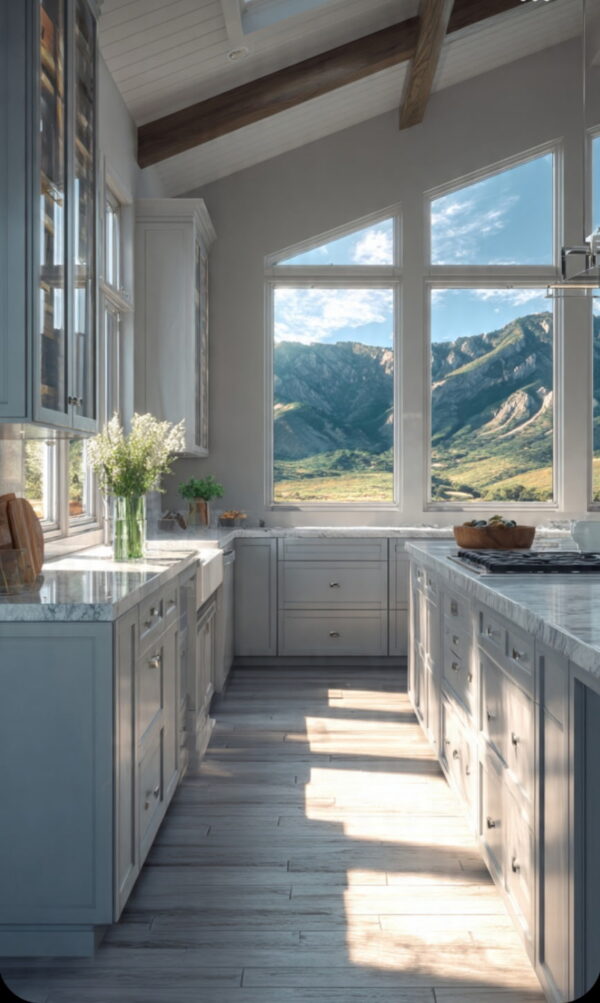
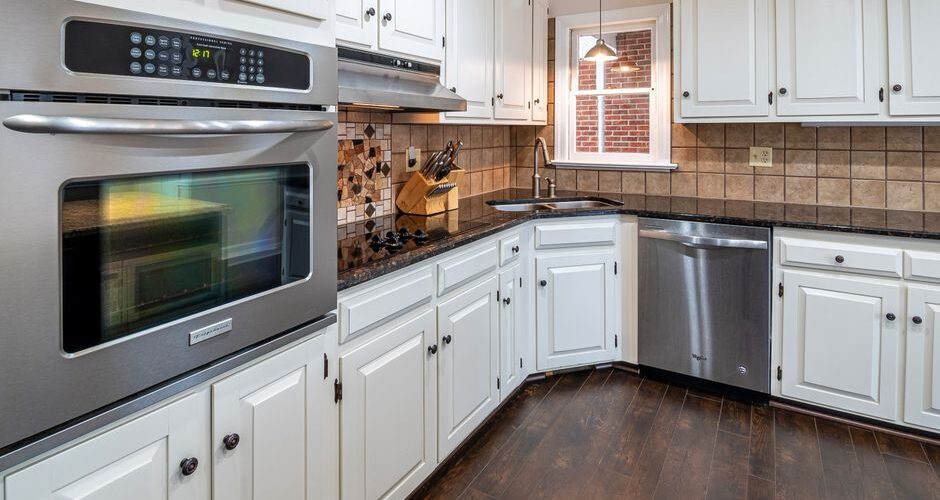
Durable cabinet paint giving a factory finish
Durable painted cabinet finishes solve that problem. The right products and process can give you a hard, smooth surface that resists scratching, cleans easily, and still looks sharp ten years from now. This is especially valuable for:
- Homeowners planning a major kitchen investment
- Investors and property managers who need finishes that survive tenants
- House flippers who want a like‑new look that actually holds up after the sale
This guide breaks down the most durable options, what really affects longevity, and how to choose finishes that match your budget, timeline, and performance needs.
What “Durable” Really Means For Cabinet Finishes
Before picking products, it helps to define durability in kitchen‑specific terms. For cabinets, durability is a combination of several performance traits.
Key Wear Factors In Busy Kitchens
Cabinet finishes are constantly exposed to:
- Mechanical wear: Fingernails at pulls, chair backs bumping islands, kids’ toys and backpacks, opening and closing 50+ times a day around the fridge and trash.
- Moisture and steam: Sink bases, dishwasher adjacent doors, and uppers above a range see regular steam and humidity spikes.
- Grease and oils: Range hoods and nearby uppers accumulate a film that requires stronger cleaners.
- UV exposure: In Denver and the Front Range, strong sunlight through windows can yellow or fade some coatings over time.
Performance Characteristics That Matter
When professionals talk about durable cabinet finishes, they are looking for:
- Hardness: Resistance to denting, marring, and scratching.
- Adhesion: Ability to stay bonded to existing finishes or factory coatings.
- Chemical resistance: Tolerance of degreasers and household cleaners.
- Block resistance: Doors and frames do not stick to each other in humid or hot conditions.
- Color stability: Minimal yellowing and fading, especially for whites.
Key Takeaway: If a product does not rate high on hardness, adhesion, and chemical resistance, it might work on walls, but it will disappoint on kitchen cabinets.
The Most Durable Cabinet Paint Systems Compared
Different coating technologies offer different strengths. For most residential kitchens, the best results come from systems that were originally designed for trim, doors, or industrial cabinetry, not generic wall paint.
Comparison Of Common Cabinet Paint Options
| Finish Type | Durability Level | Pros | Cons / Limitations | Best For |
|---|---|---|---|---|
| 100% Acrylic Enamel (pro grade) | High | Excellent adhesion, non‑yellowing, easy touch‑ups | Slightly softer than urethanes, longer cure time | Most homeowners, rentals, flips |
| Acrylic Urethane / Polyurethane | Very High | Extremely hard, chemical resistant, smooth leveling | More prep, odor during application, pro tools help | Long‑term homes, high‑end rentals |
| Waterborne Alkyd (hybrid) | High | Hard finish, better blocking than acrylics | Some yellowing in whites, sensitive to prep | Trim‑matching, off‑white schemes |
| Solvent‑borne Lacquer (shop spray) | Very High | Factory‑like finish, fast dry, excellent leveling | Strong fumes, best in shop setting, pro only | New doors, large refinishing projects |
| Standard Wall Paint (latex) | Low | Cheap, easy to find | Chips easily, poor blocking, scuffs and stains fast | Never recommended for cabinets |
For a deeper dive into specific cabinet paint products and chemistry, see: What Is The Most Durable Kitchen Cabinet Paint A Professionals Guide.
Why Pros Favor Enamels And Urethanes
Professional cabinet refinishers and high‑end painters typically choose:
- A bonding primer that grips existing finishes
- A 100% acrylic enamel or acrylic urethane topcoat in satin or semi‑gloss
This combination gives a hard, yet slightly flexible, surface that resists cracking with wood movement and stands up to daily wear. It also allows spot repairs without stripping the entire kitchen.
Pro Tip: If a product says “for walls and trim” but not specifically “cabinetry” or “woodwork enamel,” be cautious. Cabinet finishes face roughly three to five times more handling than door trim.
Prep And Priming: The Real Secret To Long‑Lasting Finishes
Even the best cabinet paint fails if it goes over a poorly prepared surface.My Review of Graco FFLP Tips for Spraying Cabinets Durability is at least 50 percent product choice and 50 percent surface prep.
Cleaning And Deglossing Existing Cabinets
Most kitchen cabinets have years of invisible contamination:
- Cooking oils
- Silicone from polishes
- Household cleaners and aerosols
Standard steps that pros follow:
- Deep clean: Use a dedicated degreaser or TSP substitute, then rinse thoroughly.
- Rinse twice: Any cleaner residue can interfere with adhesion.
- Mechanical deglossing: Sand with a fine grit (usually 180–220) to scuff the surface.
- Vacuum and tack cloth: Remove all dust before priming.
Primer Selection For Tough Surfaces
Old factory finishes, thermofoil, and some stained woods are tricky. Durable cabinet systems usually require:
- Bonding primers designed for slick surfaces, such as prefinished cabinets.
- Stain‑blocking primers on oak, cherry, or knotty woods to prevent tannin bleed.
- In some cases, a two‑primer system, bonding first, then stain block.
If you skip bonding primer on glossy cabinets, even the hardest urethane can start peeling at handles and corners within months.
Spray vs Brush And Roller Application
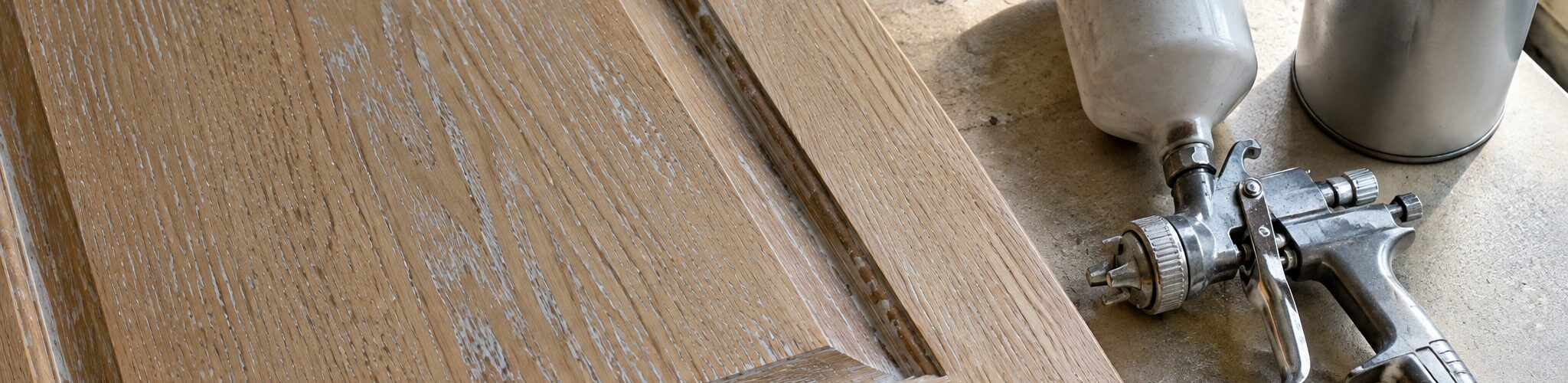
Spraying is not mandatory, but it greatly affects smoothness and perceived durability.
- Sprayed finishes look closer to factory cabinets, hide brush marks, and tend to level more consistently.
- Brush and roller finishes can still be durable, especially with high‑quality enamel and proper sanding between coats, but they will show a more “hand painted” texture.
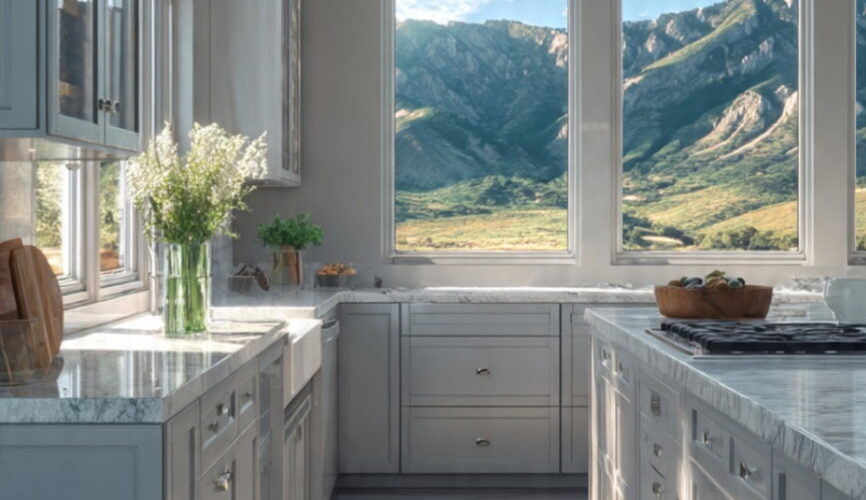
[IMAGE: Close-up cinematic shot of professionally refinished white shaker cabinets in a modern kitchen, showing smooth, factory-like sprayed finish on doors and frames]
Finish Sheen, Color, And Their Impact On Durability
Durability is not only about chemistry. Sheen level and color choice also affect how long your cabinets look new.
How Sheen Affects Wear And Cleanability
Common options for cabinets:
- Satin: Most popular choice. Hides minor imperfections, cleans easily, and looks modern.
- Semi‑gloss: Slightly harder feel and higher stain resistance, but highlights flaws in older doors and frames.
- Matte or flat: Rarely recommended. Shows scuffs and is harder to clean without burnishing.
For high‑traffic kitchens, rentals, or homes with kids and pets, satin or low semi‑gloss gives the best balance of appearance and performance.
Color Stability And Yellowing Concerns
White kitchens remain in demand, but some products yellow over time, especially:
- Oil‑based enamels
- Traditional solvent‑borne alkyds
- Some hybrid waterborne alkyds in darker or low‑light areas
To keep whites bright:
- Favor 100% acrylic enamels or waterborne urethanes that are specifically labeled non‑yellowing.
- Use warm white or greige tones in rentals so minor yellowing is less noticeable.
Matching Style With Performance Needs
For Denver and Front Range homes and rentals:
- Owner‑occupied custom kitchens: Acrylic urethane in satin, in a timeless color such as warm white, greige, or soft black for islands.
- Rental units and flips: High‑quality acrylic enamel, not bargain wall paint, in a forgiving satin sheen.
Key Takeaway: Sheen decisions made for “style” also dictate how forgiving your cabinets will be after a few years of scrubbing, steam, and everyday abuse.
Special Considerations For Denver‑Area Homes And Rentals
Climate, building age, and usage patterns in the Denver metro area create unique challenges for durable cabinet finishes.
Dealing With Dry Air And Temperature Swings
Denver’s low humidity and wide temperature swings can cause more wood movement and hairline cracks at joints, especially on:
- Older face‑frame cabinets
- Oak and maple doors with recessed panels
To minimize issues:
- Use finishes with some flexibility, such as acrylic or acrylic urethane, instead of brittle coatings.
- Avoid very high gloss, which exaggerates every small joint crack.
- Ensure adequate cure time before heavy use, especially in winter when windows stay closed and ventilation is limited.
Priorities For Rentals, Flips, And Multi‑Unit Buildings
For investors and property managers, durability also means predictable maintenance and fast turns:
- Choose neutral colors that are easy to match for spot repairs.
- Use systems that can be touched up without strip and respray, which makes quick repairs between tenants practical.
- Opt for satin or low semi‑gloss that hides tenant wear better than ultra‑gloss finishes.
For large portfolios, it often makes sense to standardize on one durable system and color family across units to simplify touch‑up and maintenance.
When To Hire A Pro: Cabinet Refinishing Denver
Some homeowners can handle a careful brush‑and‑roll job on a smaller kitchen. However, for most high‑visibility projects, sprayed professional finishes provide better durability and resale appeal, especially in competitive Denver neighborhoods.
Professional services, such as Cabinet Refinishing Denver, typically provide:
- Controlled shop spraying of doors and drawers for a smooth, factory‑like finish
- On‑site spraying of frames with proper masking and ventilation
- Industry‑proven primers and topcoats designed specifically for cabinets
- Detailed prep, sanding, and repairs that non‑pros often underestimate
This is particularly valuable for:
- Larger kitchens or open floor plans where cabinets dominate the sightline
- High‑end homes in areas like Golden, Arvada, or central Denver
- Investment properties where downtime, callbacks, and early failure eat directly into returns
If you are planning a color change in addition to a durability upgrade, their guide on finishes and color strategy is a helpful resource: Kitchen Cabinet Color Change The Ultimate Guide To A Flawless Finish.
Important: A professionally executed, durable cabinet refinish can often deliver a “new kitchen” look at roughly 25 to 40 percent of full replacement cost, with far less disruption and landfill waste.
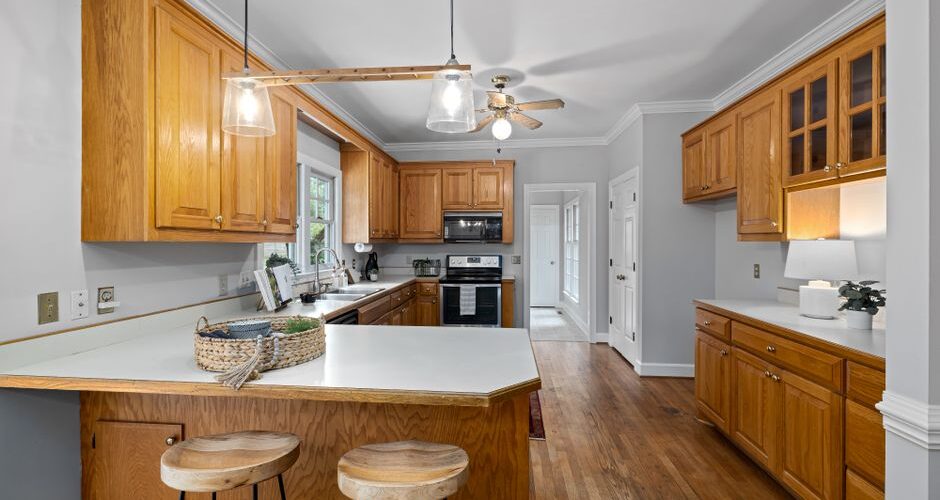
[IMAGE: Cinematic wide shot of a Denver-area kitchen before and after cabinet refinishing, split-screen style, highlighting transformation from dated oak to smooth white enamel finish]
Practical Care Tips To Protect Your Durable Finish
Even the toughest finish benefits from thoughtful maintenance. Simple habits can extend the life of your cabinets by many years.
Daily And Weekly Care
- Wipe spills promptly, especially tomato sauce, wine, and harsh cleaners.
- Use a mild soap solution or pH‑neutral cleaner, and soft microfiber cloths.
- Avoid abrasive pads, scrub brushes, and powdered cleaners that can scratch.
Monthly And Seasonal Checks
- Tighten loose hinges and hardware so doors do not rub or drag.
- Check sink bases and dishwasher surrounds for leaks or chronic moisture.
- In very dry winters, consider a whole‑house humidifier to reduce wood movement.
What To Avoid On Painted Cabinetry
- Furniture polishes that contain silicone, which can contaminate surfaces for future touch‑ups.
- Bleach, ammonia, or high‑pH degreasers, unless the manufacturer says the finish can handle it.
- Hanging wet towels or dish cloths on door fronts for long periods.
Pro Tip: Keep a small labeled container of leftover cabinet paint and a high‑quality artist brush. Tiny chips from dropped pans or kids’ toys can often be spot‑repaired in minutes before they become noticeable.
Your Next Steps For Long‑Lasting Cabinet Finishes
To get the most durable painted cabinet finish for your kitchen:
- Decide how long you expect the finish to last and how hard your kitchen is on surfaces.
- Choose the right system, not just the color. Pair a bonding primer with a cabinet‑grade acrylic enamel or acrylic urethane topcoat.
- Prioritize meticulous cleaning, sanding, and priming before any paint goes on.
- Consider professional spraying, such as Cabinet Refinishing Cabinet Painting Services Denver Co Golden Co Arvada Co Kitchen Cabinet Painting, if you want a factory‑like finish and minimal downtime.
- Follow a simple care routine that protects your investment once the work is done.
If you are in the Denver metro area and want expert guidance on which finish will stand up best in your specific kitchen, Cabinet Refinishing Denver can evaluate your existing cabinets, recommend the ideal paint system, and handle the entire process from prep through final cure. Learn more.
Frequently Asked Questions
What is the most durable paint finish for kitchen cabinets?
For residential kitchens, the most durable finishes are usually waterborne acrylic urethanes or high‑quality 100% acrylic enamels applied over a bonding primer. Urethanes provide a very hard, chemical‑resistant surface that is excellent for long‑term homes. Acrylic enamels are slightly more forgiving and easier to touch up, which suits many rentals and busy family kitchens.
Are water-based cabinet paints really as durable as oil-based?
Modern waterborne enamels and acrylic urethanes are engineered specifically to match or exceed the hardness and block resistance of many oil‑based products. They also resist yellowing far better, particularly in white kitchens. The key is to choose cabinet‑grade products, follow the manufacturer’s dry and cure times, and ensure excellent surface prep.
How long should a professionally painted cabinet finish last?
With proper prep, high‑quality products, and normal residential use, a professional cabinet refinish can typically last 10 to 15 years or more before a full repaint is needed. High‑wear areas such as trash pullouts or sink bases may need minor touch‑ups sooner, but the overall system should remain structurally intact and attractive for a decade or longer.
Can I get a durable finish without spraying?
Yes, but it requires more patience. Using a cabinet‑grade acrylic enamel, a high‑density foam roller, and careful sanding between coats can produce a tough finish that cleans well. However, brush and roller application will show more texture and minor inconsistencies. Spraying mainly improves appearance and smoothness, which many homeowners equate with durability.
How soon can I use my kitchen after painting the cabinets?
Most cabinet paints are dry to touch within a few hours, but they need several days to become reasonably hard and roughly 21 to 30 days to fully cure. Light use, such as gentle opening and closing, is usually safe after 24 to 48 hours. For heavy use and scrubbing, waiting at least a week is ideal, and avoiding aggressive cleaners until full cure is best.