
Why Factory Finish Cabinet Painting Matters For Your Project
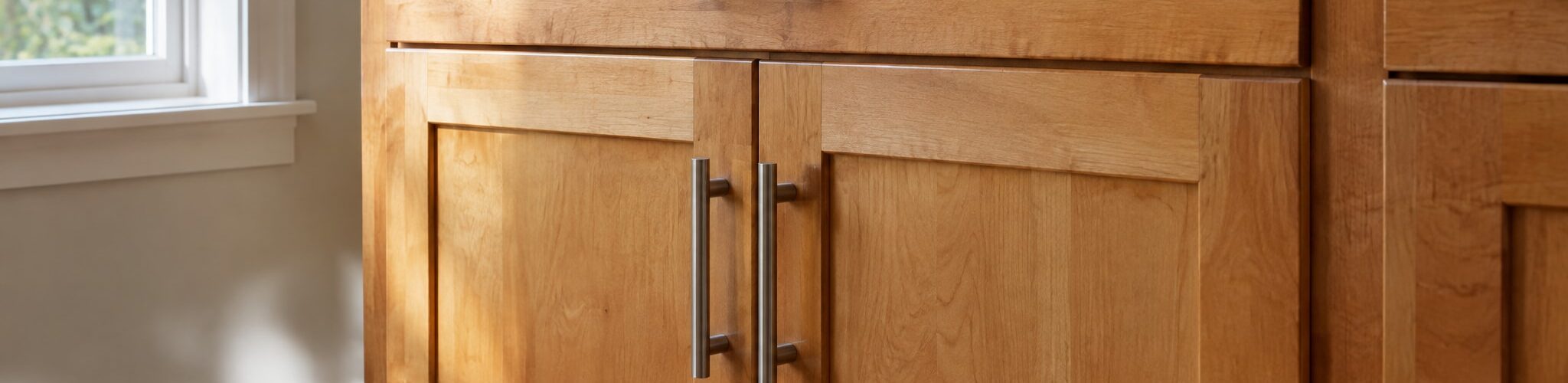
When you hear “factory finish,” you probably picture perfectly smooth cabinet doors with no brush marks, consistent color on every panel, and a durable surface that looks like it came straight from the showroom. That level of quality is what separates professional cabinet painters offering factory finish results from general house painters who simply “also paint cabinets.”
Cabinet Painting Service Areas in Denver & Surrounding Cities, Cabinet Refinishing in Denver County,
Serving Lakewood, CO, Littleton, CO, Golden, CO, Evergreen CO, Roxborough Park CO, Ken Carl Ranch CO,
Arvada, CO, Wheat Ridge, CO,
and Parker CO. Castle Pines CO. Englewood CO. Centennial CO.
Cabinet Painting in Arapahoe County, CO
Including Centennial, CO, Greenwood Village, CO,
Cherry Hills Village, CO, Englewood, CO,
and Aurora, CO.
Cabinet Painting in Adams County & Broomfield, CO
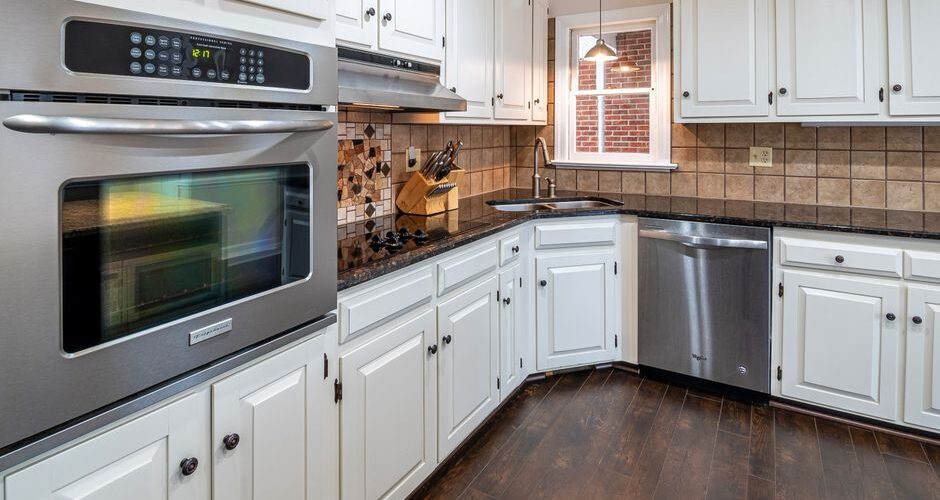
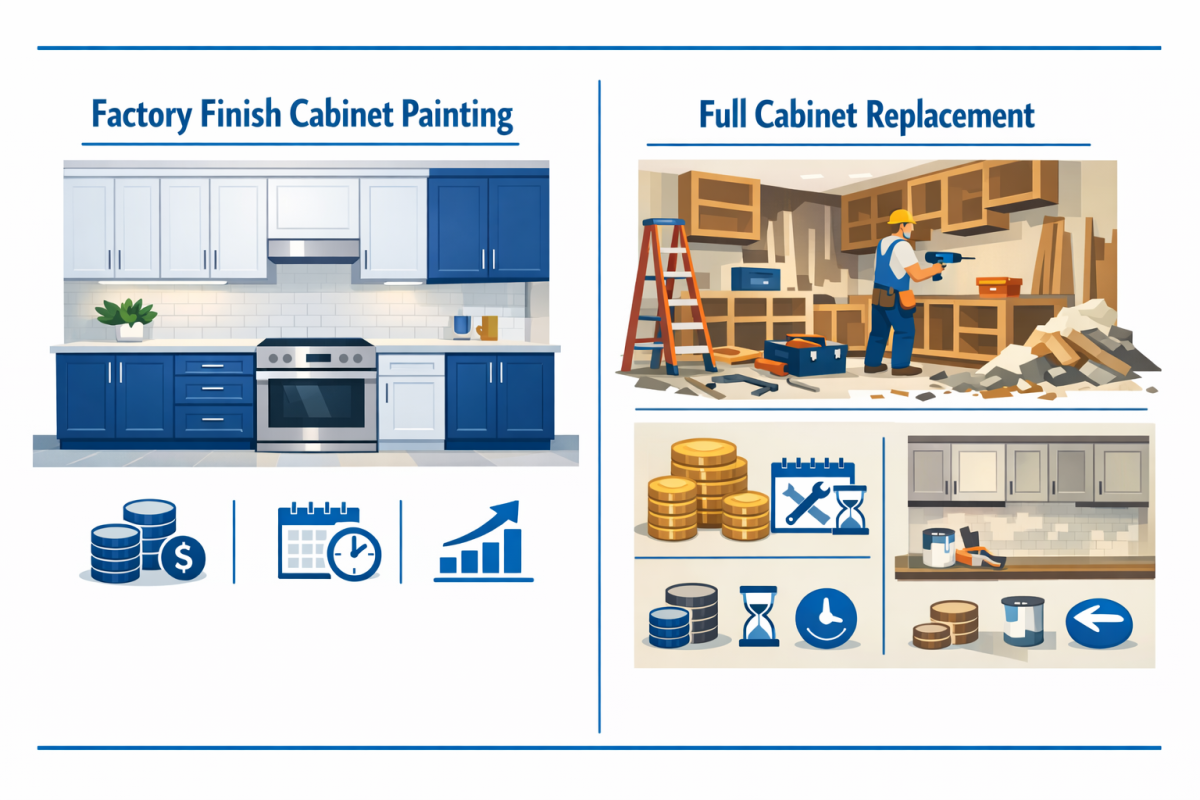
For homeowners, investors, and contractors in the Denver metro area, factory grade cabinet refinishing can transform an outdated kitchen or bath without the cost and disruption of full replacement. It can also be the detail that sells a listing faster, justifies higher rent, or impresses design-conscious clients.

Cabinet Painting and Refinishing with a factory finish
This guide breaks down how true factory finish cabinet painting is done, what to expect during the process, how to evaluate painters who claim these results, and what makes sense for different property types and budgets.My Review of Graco FFLP Tips for Spraying Cabinets
What “Factory Finish” Really Means In Cabinet Painting
Many painters use the phrase “factory finish,” but in practice it can mean very different things. To evaluate professional cabinet painters offering factory finish results, you need to understand the technical standards behind that claim.
Surface quality and appearance standards
A true factory finish has:
- No visible brush strokes or roller stipple
- No “orange peel” texture from improper spraying
- Consistent sheen on all doors, drawers, and frames
- No drips, runs, or sagging on edges
- Uniform color with no thin spots or flashing
In good lighting, you should see a smooth, even surface. When you run your hand across the doors, you should not feel ridges where grain was not properly filled or sanded.
Coating system and materials
Factory grade finishes rely on professional products and a complete system. Typical characteristics are:
- Industrial or professional grade coatings that are harder and more chemical resistant than wall paint
- Dedicated bonding primers that adhere to slick cabinet surfaces including factory laminate
- Topcoats designed for cabinets, not generic trim enamels
For laminate cabinets in particular, the coating system must be designed for non-porous surfaces. You can see detailed examples of this approach in services such as Professional Laminate Cabinet Painting In Denver A Factory Finish That Lasts.
Durability expectations
A factory finish cabinet job should reasonably hold up to:
- Daily use, including frequent door and drawer operation
- Common kitchen contaminants: grease, steam, fingerprints
- Gentle cleaning with non-abrasive cleaners
You should not see premature chipping around handles, peeling on edges, or excessive yellowing within the first few years if the job was done correctly.
Key Takeaway: If the painter cannot clearly explain their coating system, surface prep, and spraying method, they are not delivering a true factory finish, regardless of marketing language.
The Factory Finish Cabinet Painting Process Step By Step
Professional cabinet painters offering factory finish results follow a disciplined process that is very different from standard interior painting. Skipping even one step usually shows up later as peeling, chipping, or visible defects.
Detailed preparation and disassembly
A quality process begins with:
- Full labeling and removal of doors and drawers
- Removal of hardware and hinges, or protection of concealed hinges
- Protection of floors, counters, appliances, and adjacent rooms with plastic and masking paper
- Degreasing and cleaning to remove oils, polish, and cooking residue
Any contamination left on the surface will interfere with bonding, especially on older kitchens and rentals.
Sanding, repairs, and grain management
Next, the painter should:
- Sand all surfaces to create a mechanical bond
- Fill dents, dings, and hardware holes when hardware is being relocated
- Address heavy grain in oak if a smoother look is desired, often with filler and multiple sanding passes
- Spot prime any bare wood or repairs
This step is labor intensive, which is why many low-bid jobs minimize it. For a true factory finish, preparation often takes more time than actual spraying.
Priming and sealing
A factory finish job typically uses:
- One or two coats of high-adhesion bonding primer
- Sanding between coats to remove raised fibers and minor imperfections
- Tinted primer when needed for deep colors
On laminate cabinets, specialized primers are essential. Services that advertise laminate-specific solutions, such as the Denver-focused work at Denver Cabinet Painters A Flawless Factory Finish For Your Kitchen, are good indicators that the painter understands these requirements.
Spraying and finishing coats
The final appearance is determined by the spraying stage:
- Doors and drawers are typically sprayed in a controlled environment or spray booth
- Frames are either sprayed on site or, less commonly, brushed and rolled using leveling products
- One to two color coats are applied, with sanding between coats when necessary for refinement
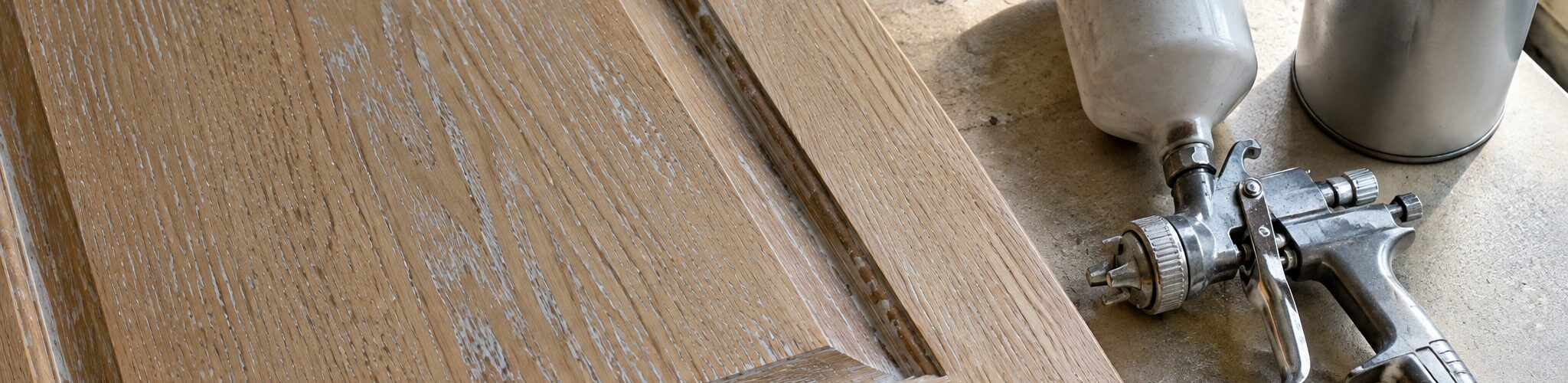
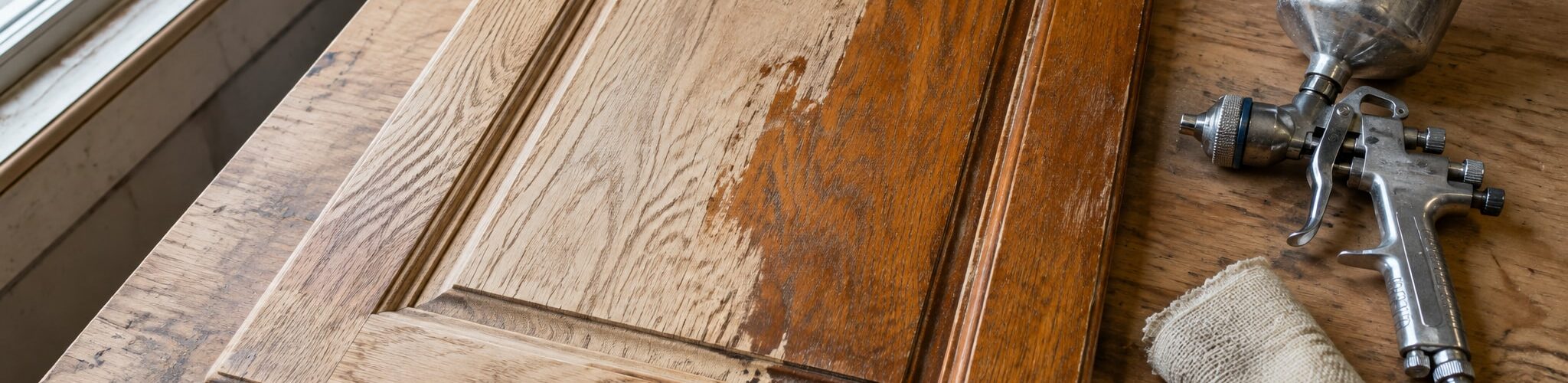
Professional equipment, such as HVLP or airless sprayers with appropriate tips and filters, is standard. The painter should control dust, overspray, and ventilation to protect both the finish and the property.
[IMAGE: Close-up cinematic shot of a professional painter spraying cabinet doors in a clean, well-lit workshop, with visible smooth finish on doors]
How To Evaluate Professional Cabinet Painters Claiming Factory Results
Not every painter who advertises factory finish results actually delivers them. Whether you are a homeowner, investor, or contractor, you need a clear checklist to separate marketing from real capability.
Questions to ask before you hire
Ask specific, process-focused questions such as:
- What prep steps do you take on existing finished cabinets, including laminate?
- What primer and topcoat products do you use? Are they cabinet specific?
- Do you spray doors and drawers, and if so, where? On site, in a shop, or in a mobile spray booth?
- How do you protect adjacent surfaces and control dust and overspray?
- What is your typical project timeline and drying schedule?
Painters who regularly deliver factory finishes will answer these in detail, using product names and clear explanations instead of vague references to “high quality paint.”
Evidence of past performance
Look for tangible proof:
- Before and after photos that show close-up detail, not just wide-angle room shots
- References from clients with similar projects or property types
- Projects in your area, for example cabinet refinishing work in Arvada similar to Professional Cabinet Painting In Arvada Co Get A Flawless Factory Finish
Whenever possible, visit a finished project in person. Viewing cabinets in natural light at eye level reveals imperfections that photos can hide.
Warranty and maintenance guidance
A serious cabinet refinishing specialist will:
- Offer a written warranty that covers adhesion and peeling, not just color
- Provide care instructions for cleaning and maintenance
- Explain reasonable expectations about wear in high use areas such as trash pullouts and under-sink cabinets
Pro Tip: Beware of very long warranties without clear exclusions. Real professionals set honest expectations and back their work with realistic guarantees, not marketing promises that sound too good to be true.
Cost, Timeline, And ROI For Different Property Types
The right decision is not just about finish quality. It is also about how the investment fits your goals for resale, rental income, or owner-occupied enjoyment.
Typical cost ranges in the Denver metro area
Actual pricing varies, but for planning purposes:
| Property Type / Scope | Typical Range (Denver area) | Notes |
|---|---|---|
| Small condo or rental kitchenette | $2,000 to $3,200 | Often basic colors, focus on durability |
| Standard single-family kitchen | $3,000 to $5,500 | Most common range for owner-occupied homes |
| Large custom kitchen with island | $5,500 to $8,500+ | Complex layouts, glass doors, detailed trim |
| Add-on bath vanities / laundry cabinets | +$600 to $1,500 per area | Efficient when done with kitchen |
These ranges assume a professional cabinet painter using a factory finish process, not a quick repaint with wall paint.
Project duration and disruption
Most complete kitchen cabinet refinishing projects follow a schedule like:
- Onsite work: 3 to 6 days, depending on size and complexity
- Offsite door and drawer finishing: overlapping, often 1 to 2 weeks including curing
- Kitchen functionality: Usually limited access for 2 or 3 days, then partial use
For occupied homes, pros will stage the work to maintain basic kitchen function as much as possible. Investors and property managers can often compress timelines between tenants.
ROI considerations by use case
- Owner-occupied homes: A factory finish can be a cost-effective alternative to replacement, often saving 40 to 60 percent compared to new mid-range cabinets while still delivering a showroom-level look.
- Flips and resale: High quality cabinet refinishing can move a kitchen into “updated” territory without full gut costs. It is especially effective when paired with new counters and hardware.
- Rentals and multi-unit properties: Durable finishes reduce repainting frequency and help differentiate units without full remodel budgets.
Special Considerations For Different Cabinet Types And Conditions
Not all cabinets respond the same way to refinishing. Professional cabinet painters offering factory finish results will tailor their approach to the specific material and condition.
Oak, maple, and other wood species
- Oak: Strong grain pattern. To achieve a smooth, modern look, the painter may need to use grain fillers and extra sanding. Without this, the grain telegraphs through even a flawless sprayed finish.
- Maple and birch: Naturally smoother and ideal for painted finishes. Less filling is usually required.
- Cherry and stained hardwoods: Require careful prep and priming to block tannin bleed that can discolor light colors.
Discuss with your painter whether you want to see some grain or prefer a nearly glass-smooth finish, since this affects both cost and process.
Laminate and thermofoil cabinets
Laminate and thermofoil require:
- Thorough cleaning and deglossing
- Primer specifically formulated for non-porous surfaces
- Careful inspection for delamination, which may need repair or replacement before painting
In experienced hands, laminate cabinets can achieve excellent results, but they are less forgiving of shortcuts. This is why some painters, such as specialists in Professional Laminate Cabinet Painting In Denver A Factory Finish That Lasts, highlight this capability separately.
Heavily worn or damaged cabinets
For cabinets with:
- Water damage under sinks
- Swollen particleboard
- Loose or failing box construction
A reputable painter will advise where refinishing is appropriate and where replacement or partial carpentry repair is more cost effective. Trying to “paint away” structural issues usually leads to callbacks and client dissatisfaction.
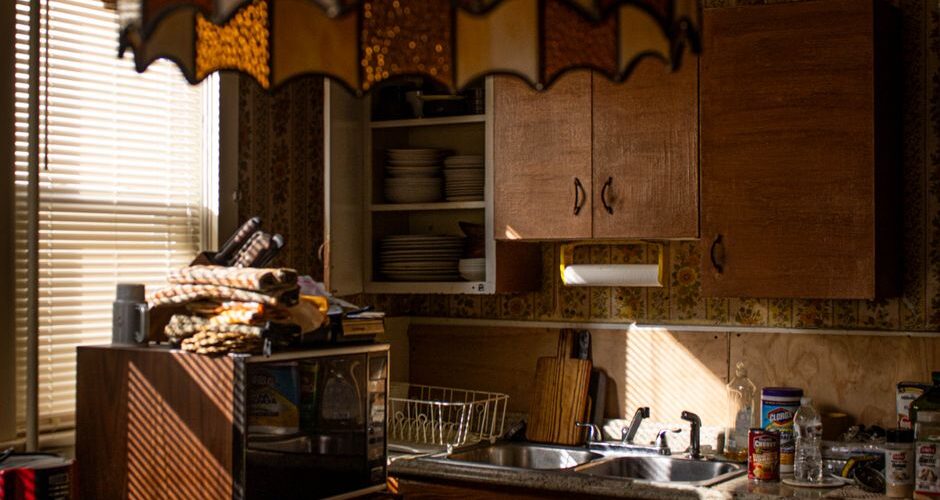
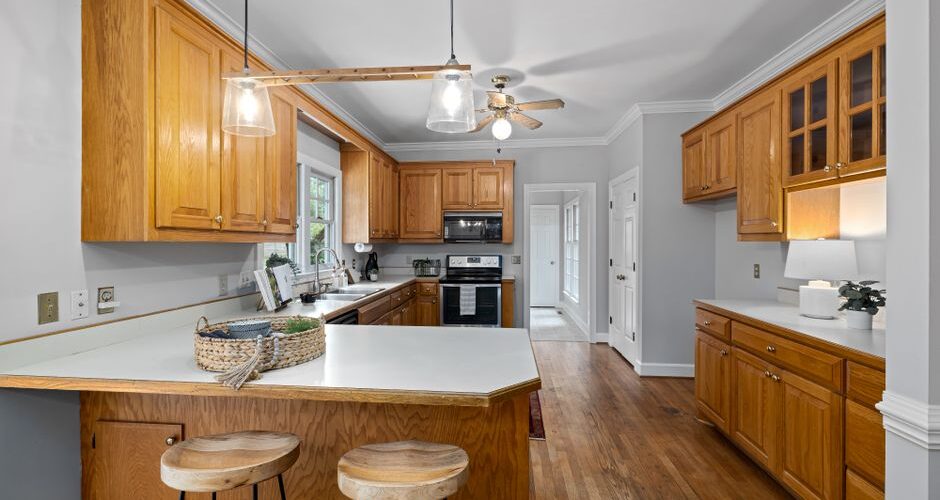
[IMAGE: Cinematic before-and-after split image of an outdated oak kitchen transformed into a bright, modern painted kitchen with new hardware and smooth cabinet surfaces]
Working With A Specialist: What Homeowners And Pros Should Expect
Selecting the right professional is only half the equation. Understanding how to collaborate with them leads to smoother projects and better outcomes.
Design and color decisions
Before work begins, agree on:
- Final color and sheen, typically satin or semi-gloss
- Whether the island or lowers will be painted a contrasting color
- Hardware changes that require filling old holes or drilling new ones
Many Denver area specialists can coordinate cabinet color with existing or planned countertops, backsplashes, and flooring to get a cohesive design without a full gut renovation.
Site logistics and access
Clarify:
- Work hours and days on site
- Access requirements for occupied homes or tenant-occupied units
- Where doors and drawers will be staged or transported
- How kitchen access will be managed during the project
For property managers and flippers, scheduling around other trades is critical so that counters, flooring, and cabinet work do not conflict.
Quality control walk-through
At the end of the project, plan time for:
- A joint inspection in good lighting
- Touch-ups on minor defects or spots that need additional attention
- Review of care and maintenance guidelines
This is your opportunity to confirm that the finish quality matches the “factory finish” standard described earlier.
Important: A professional who welcomes close inspection and prompt feedback is more likely to stand behind their work than someone who rushes through the final day.
When To Bring In Cabinet Refinishing Denver
For Denver metro homeowners, investors, and design professionals who want a reliable partner, Cabinet Refinishing Denver focuses specifically on high quality cabinet painting and refinishing with a factory finish result.
Their process is built around:
- Thorough surface preparation tailored to your cabinet material, including laminate and oak
- Professional grade primers and cabinet coatings selected for Colorado’s dry climate
- On-site and off-site spraying methods that achieve smooth, consistent finishes
- Scheduling that works for busy households, multi-unit properties, and renovation timelines
If you are planning a kitchen or bath update and want the impact of new cabinets without the replacement cost, or you need a consistent finish standard across multiple investment properties, Cabinet Refinishing Denver can help you evaluate options, scope, and budget.
Learn more at: https://cabinetsrefinishing.com
Call or request a consultation to see whether a factory finish cabinet project is the right fit for your next remodel or turn.
Your Next Steps To A Factory Finish Cabinet Project
To move from research to results:
- Walk your kitchen or baths and note cabinet material, existing damage, and how you currently use the space.
- Collect inspiration photos that show the level of smoothness, color, and style you want.
- Reach out to one or two professional cabinet painters offering factory finish results in the Denver area, and ask the process and product questions outlined above.
- Compare detailed written proposals, not just price, and prioritize proven processes over the lowest bid.
With the right specialist and a clear understanding of what “factory finish” really involves, you can transform cabinets into a long lasting, high impact feature that supports your design goals, resale plans, or rental strategy.
Frequently Asked Questions
How long does a factory finish cabinet painting job usually last?
With proper preparation and professional cabinet coatings, a factory finish cabinet job typically lasts 8 to 15 years in an owner-occupied home. Factors such as heavy rental use, moisture around sinks, and aggressive cleaners can reduce that lifespan. Following the painter’s care instructions, such as avoiding harsh abrasives and promptly wiping spills, helps preserve the finish and delay the need for touch-ups or refinishing.
Is it worth paying more for a factory finish versus basic cabinet painting?
For most kitchens and high visibility spaces, the upgrade is worthwhile. Factory finish processes use better prep, primers, and spray equipment, which produce a smoother, more durable surface. This not only looks better in person and in listing photos, it also reduces problems like peeling and chipping that require callbacks or repainting. In rental or flip scenarios, that durability and improved presentation can directly support higher rents or faster sales.
Can laminate or thermofoil cabinets really get a factory finish look?
Yes, but only when handled by painters who understand laminate-specific preparation and adhesives. The surface must be thoroughly cleaned, deglossed, and primed with a product designed for slick, non-porous materials. Any loose or failing thermofoil should be repaired or replaced first. When done correctly, the final sprayed finish can look very similar to new painted cabinet doors, although severely damaged substrates may still be better candidates for replacement.
How much does professional factory finish cabinet painting cost compared to replacement?
In the Denver market, factory finish cabinet painting often costs 40 to 60 percent less than full cabinet replacement with comparable quality units. For example, a typical single-family kitchen might run $3,000 to $5,500 to refinish, while new cabinets, plus installation and disposal, can easily reach $8,000 to $15,000 or more. The savings are greater when existing cabinet boxes are solid and the layout does not need major changes.
Will I be able to use my kitchen during the cabinet painting process?
You should plan for limited use during key phases. Degreasing, sanding, priming, and frame spraying typically take 2 to 3 days when access is most restricted. Doors and drawers are often finished offsite, so you can usually regain partial use once the frames are dry and protective coverings are removed. A good cabinet refinishing contractor will explain the schedule and help you plan around the most disruptive days.