
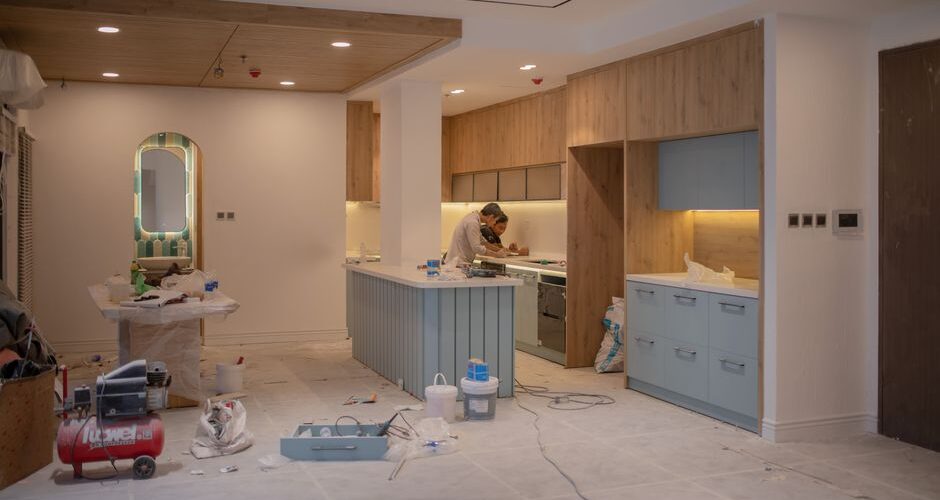
Cabinet paint lives closer to your daily life than almost any other finish in a house. Doors get opened before coffee, wiped down after dinner, and leaned on while you wait for pasta water to boil. That proximity is why more Denver-area homeowners are asking about low toxicity cabinet paint instead of simply picking a color and moving on. They want a finish that holds up to scrubbing without filling a kitchen with solvent smell for a week.
Low toxicity cabinet paint primarily refers to coatings with low or zero volatile organic compounds (VOCs) and often, no hazardous air pollutants (HAPS), with water-based chemistry being a common characteristic. This type of paint is important for Denver-area homeowners because cabinet finishes are in close daily contact and must withstand grease, repeated cleaning, and heavy use, unlike wall paint. Therefore, choosing a durable, low-toxicity product specifically formulated for cabinetry is essential to ensure both indoor air quality and long-term performance.
The good news is that the low-VOC and zero-VOC category has grown well past a couple of specialty brands. The harder part is sorting real product differences from marketing language, especially since cabinet coatings are asked to do more than wall paint ever is. This guide walks through what the labels mean, which product families keep showing up in reputable roundups, and how application method shapes the indoor air story as much as the can does.
What Low Toxicity Actually Means in a Cabinet Paint
Most conversations start with VOCs, or volatile organic compounds, the chemicals that evaporate from a coating as it dries and cures. Low-VOC and zero-VOC claims on a label refer to that measurement. A second term shows up often too: HAPS, or hazardous air pollutants. Beyond Paint, for example, markets its cabinet and furniture coating as low VOC, low odor, non-toxic, and H.A.P.S. free, which is the kind of combined claim shoppers are now comparing across brands.
Odor is related but not identical. A finish can be low odor and still contain ingredients a sensitive household wants to avoid, so the label language matters more than the smell test in the aisle. The practical move is to read the technical data sheet, not just the front of the can, and to ask specifically about VOC content, HAPS, and whether the product is water-based or solvent-based. Water-based chemistry is the common thread across most of the low-toxicity options discussed in cabinet-specific sources.
Why Cabinets Ask More of a Finish Than Walls Do
Wall paint can be soft and still look fine. Cabinet paint cannot. It faces grease, repeated cleaning, and daily contact on the edges and drawer fronts where hands land. A refinishing job that uses a thin decorative coating may look lovely in photos and disappoint within a year on a family kitchen.
That tension is the real decision point. The least aggressive products on the market are often decorative paints, while the coatings built for heavy service are sometimes the ones with stronger solvent profiles. The low-toxicity category has been closing that gap, but the tradeoff has not disappeared entirely. Choose a product formulated for cabinetry, then confirm it also meets your indoor air priorities, rather than starting from the gentlest possible paint and hoping it holds.
The Main Low-Toxicity Options, Category by Category
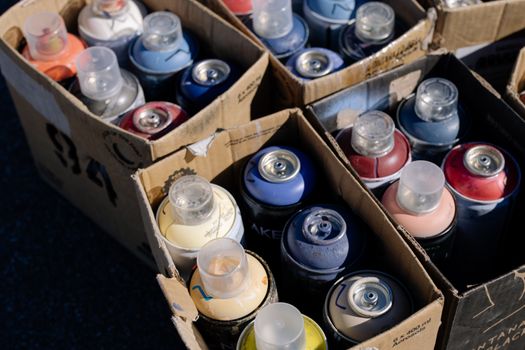
The products that come up most often in cabinet-focused low-toxicity writing fall into a handful of recognizable groups. The table below summarizes how those categories are typically described in the sources reviewed for this article.
| Finish category | How it is described in the sources | Where it tends to fit |
|---|---|---|
| Water-based low-VOC cabinet coatings | Renner, Milesi, and Gemini are named as water-based, low-VOC options in cabinet refinishing discussion, with advice to vacate the home while painting | Kitchens where durability and a lower-solvent product both matter |
| Zero-VOC and VOC-free paints | ECOS Paints describes its cabinet paints as VOC-free and low odor; Healthier Homes markets a water-based, zero-VOC cabinet and furniture lacquer as odorless once cured | Sensitive households, nurseries-adjacent spaces, and occupied homes |
| Low-odor all-in-one coatings | Beyond Paint positions its product as low VOC, low odor, non-toxic, and H.A.P.S. free | Furniture and lighter-use cabinetry |
| Decorative and chalk-style paints | Annie Sloan Chalk Paint appears in non-toxic cabinet paint roundups alongside AFM Safecoat Ecolacq and Farrow & Ball | Style-led projects where a topcoat and careful sealing are planned |
| Specialty eco paint lines | The Good Trade’s roundup of low-VOC paints includes ECOS Paint, Clare Paint, Backdrop, RMP Finishes, and The Organic & Natural Paint Co | Homeowners comparing several brands before sampling |
Brands That Keep Coming Up in Low-Toxicity Roundups
Several names appear repeatedly across independent writing on this topic. My Chemical-Free House’s cabinet paint roundup lists AFM Safecoat Ecolacq, Annie Sloan Chalk Paint, and Farrow & Ball among non-toxic, low, and zero-VOC options that perform well. ECOS Paints is described on its own product pages as VOC-free and low odor, and Healthier Homes markets a water-based cabinet and furniture lacquer with zero VOC that it says is odorless upon curing. It is worth treating each of those as a starting shortlist rather than a final answer, because a product that suits a lightly used kitchen may not suit a busy one with three kids and a dog.
There is also a whole tier of consumer reviews and social posts on this subject, much of it enthusiastic and little of it tested. A Pinterest board or a single blog post is a fine place to discover a brand and a poor place to confirm performance. Request the technical data sheet, check the recommended primer and topcoat, and ask what the finish is rated for on cabinetry specifically.
Application Method Changes the Exposure Story
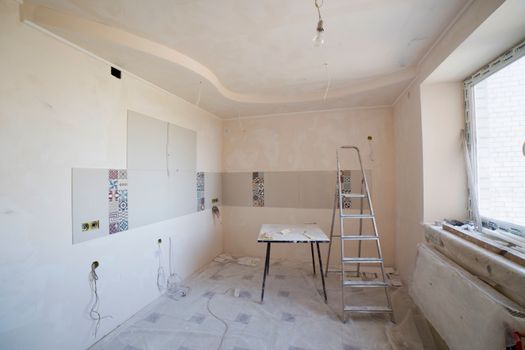
Homeowners often focus entirely on the liquid in the can and ignore how it gets onto the door. That is a mistake. Even a low-odor product produces overspray, sanding dust, and a period of elevated humidity in the room. Guidance circulating in cabinet refinishing groups recommends vacating the home during painting with water-based low-VOC products, which tells you something about how much application method matters.
Our shop sprays every cabinet finish rather than brushing and rolling. Spray application gives a smooth, factory-style result without the brush texture that shows on a flat door face, and it is also easier to control in a contained work area than a hand-applied coating in a live kitchen. We match colors to Sherwin Williams and Benjamin Moore lines and back the work with a three-year warranty. The details of the process matter as much as the label on the can, and they should be part of the conversation before anyone starts masking off your kitchen.
Colorado Specifics Worth Planning Around
Front Range air is dry, and the swing between seasons is real. Those conditions affect how a water-based coating cures. Very dry, hot air can pull moisture out of a film faster than the product wants, while a closed-up house in the middle of winter limits how much fresh air you can introduce. Neither issue is a dealbreaker, but both argue for scheduling rather than squeezing a repaint into the busiest week of your year.
Ventilation is the lever you actually control. Opening windows in spring, summer, and early fall is easy. In colder months, plan around the days you can air the kitchen out and expect the coating to need the time its manufacturer specifies for a full cure, not just a dry-to-touch window. Follow the technical data sheet on recoat and cure intervals rather than guessing.
Local rules on coating products vary, and Colorado readers should confirm current requirements with the state or their local air quality authority rather than relying on a blog summary. Nothing here substitutes for the manufacturer’s instructions or an official source on what can be sold and used in your area.

A Practical Checklist Before You Commit
- Ask for the technical data sheet, not just the color card, and read the VOC, HAPS, and base chemistry lines.
- Confirm the product is formulated for cabinetry rather than walls or furniture.
- Ask what primer and topcoat the system requires. A finish is a system, not a single can.
- Plan where you will be during spraying and how long the kitchen will be out of service.
- Sample the color on an actual door in your actual light before approving it.
- Ask who warranties the work and for how long, not only who warranties the paint.
Frequently Asked Questions
Is low-VOC cabinet paint as durable as standard cabinet paint?
It depends on the product line, not the VOC number alone. Several water-based low-VOC coatings are built specifically for cabinetry, and Healthier Homes describes its water-based, zero-VOC lacquer as delivering durable results. Ask for the manufacturer’s stated use case and compare it with how hard your kitchen works before you decide.
Do I need to leave home while my cabinets are painted?
Advice shared in cabinet refinishing discussions recommends vacating during painting with water-based, low-VOC products. Overspray, sanding dust, and odor all peak during application, so many families plan to be out for the spray day and stay in a different part of the house afterward. Ask your contractor what the schedule allows.
Does low odor mean a paint is low toxicity?
Not automatically. Odor and chemical content are related but separate measures, and some products mask smell rather than reduce it. Check the VOC and HAPS language on the technical data sheet, confirm the base is water-based if that matters to you, and treat a pleasant smell as a bonus rather than proof.
Which brands should I start comparing?
Names that recur in cabinet-specific low-toxicity writing include AFM Safecoat Ecolacq, Annie Sloan Chalk Paint, Farrow & Ball, ECOS Paints, Healthier Homes, Beyond Paint, Renner, Milesi, and Gemini. The Good Trade’s low-VOC roundup also includes Clare Paint, Backdrop, RMP Finishes, and The Organic & Natural Paint Co. Use that as a shortlist to research, then verify specs directly with each maker.
The most reliable path through this decision is to treat low toxicity as one requirement among several, alongside durability, sheen, color accuracy, and how the finish is applied. Start with products made for cabinets, confirm the chemistry on the technical data sheet, and settle the application plan before the spray date arrives. Colorado homeowners who ask those questions early tend to end up with a kitchen that looks sharp and a house that stayed comfortable throughout the project.