
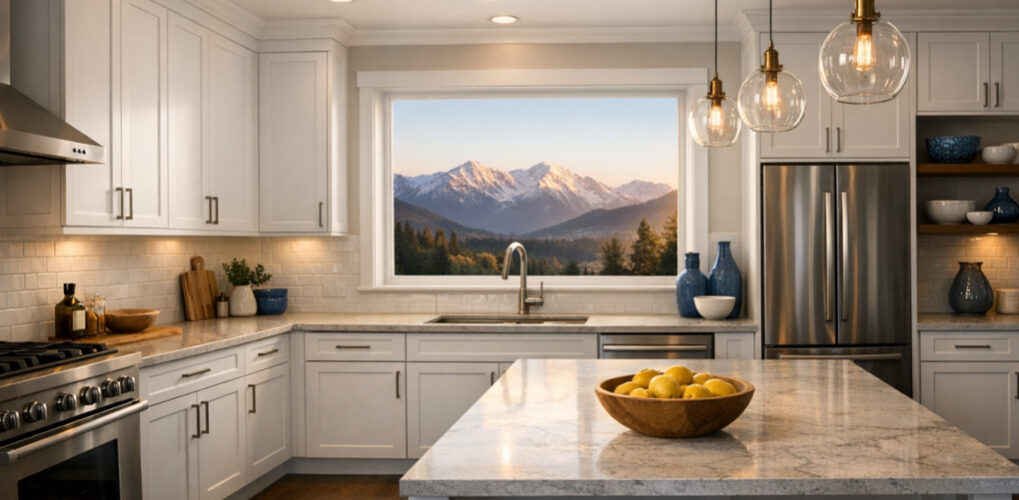
Why Cabinet Paint Choice Matters More In Colorado
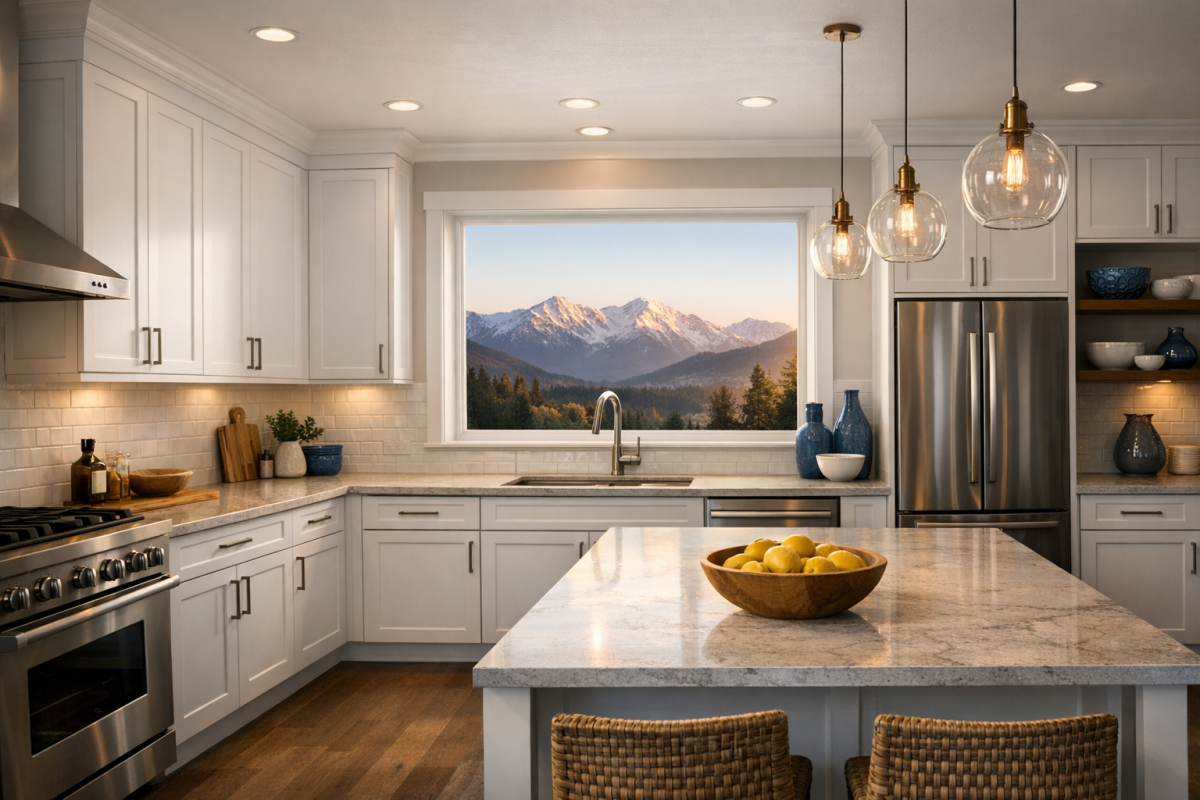
Painting kitchen cabinets is one of the highest‑ROI updates you can make in a Colorado home. It transforms a dated kitchen, boosts resale value, and is far cheaper than full replacement. Yet many homeowners and even some contractors underestimate one critical factor: local climate.
Cabinet Painting Service Areas in Denver & Surrounding Cities, Cabinet Refinishing in Denver County,
Serving Lakewood, CO, Littleton, CO, Golden, CO, Evergreen CO, Roxborough Park CO, Ken Carl Ranch CO,
Arvada, CO, Wheat Ridge, CO,
and Parker CO. Castle Pines CO. Englewood CO. Centennial CO.
Cabinet Painting in Arapahoe County, CO
Including Centennial, CO, Greenwood Village, CO,
Cherry Hills Village, CO, Englewood, CO,
and Aurora, CO.
Cabinet Painting in Adams County & Broomfield, CO
Colorado’s dry air, big temperature swings, and strong UV exposure are tough on coatings. Paint that performs well in a humid coastal market can crack, chip, or yellow quickly along the Front Range. If you own rental properties, flip homes, or manage multi‑unit buildings, choosing the wrong cabinet paint can mean callbacks and costly repaints within a year or two.My Review of Graco FFLP Tips for Spraying Cabinets
This guide focuses specifically on the best paint options for kitchen cabinets in Colorado homes. You will learn which products hold up in our climate, how to prep and apply them correctly, and how to make smart choices for owner‑occupied homes, rentals, and investment properties in the Denver metro area.
What Makes Cabinet Paint “Best” For Colorado Conditions
Not every paint labeled “cabinet and trim” is suitable for Colorado kitchens. You need coatings that can handle four specific challenges: low humidity, rapid temperature changes, high UV exposure, and heavy wear.
Performance Factors To Prioritize
Focus on paints that excel in:
- Adhesion and flexibility: Dry air and seasonal swings cause wood doors and face frames to expand and contract. Paint that is too brittle will crack at joints and around panels.
- Hardness and block resistance: Cabinet doors and drawers touch and rub. Inexpensive wall paints can stick together, peel, or show grooves from plates and handles.
- Stain and moisture resistance: Kitchens involve grease, steam, splashes, and frequent wiping. A non‑porous, scrubbable finish is essential.
- Color stability: White and light colors are popular in Denver, Aurora, Lakewood, and surrounding areas. Inferior paints can yellow around stoves or under strong sunlight.
Key Takeaway: In Colorado, the best cabinet paints are engineered like industrial coatings, not just tinted wall paint. Adhesion, hardness, and flexibility matter just as much as color.
Climate‑Specific Considerations
Colorado’s climate introduces some unique demands:
- Low humidity accelerates dry times. This can cause lap marks and poor leveling if you do not choose a product that is designed to flow out smoothly.
- Cold garages and hot kitchens mean you need a paint that can cure properly across a range of temperatures, not only in perfect conditions.
- High altitude sunlight is harsher on topcoats. UV‑stable resins and high‑quality pigments are critical, especially for white and off‑white finishes.
For a deeper coatings breakdown from a pro’s point of view, see the detailed guide at What Type Of Paint Is Best For Kitchen Cabinets A Pros Guide.
Comparing The Main Types Of Cabinet Paint For Colorado Homes
Different resin technologies behave very differently in Colorado’s environment. The table below summarizes how the main options stack up for kitchen cabinets.
| Paint Type | Pros in Colorado kitchens | Cons / Risks | Best Use Cases |
|---|---|---|---|
| Traditional oil‑based enamel | Very hard, smooth finish | Yellows, longer cure, strong odor, VOC limits | Historic homes, occasional specialty use |
| Standard water‑based acrylic | Low odor, easy cleanup, flexible | Softer finish, can block or stick | Walls, not ideal as primary cabinet coating |
| Alkyd‑modified waterborne enamel | Hard, self‑leveling, non‑yellowing, low VOC | Slightly higher cost, more prep needed | Most Colorado kitchen cabinets |
| 2‑part catalyzed coatings (pro only) | Extremely durable, chemical resistant, smooth factory look | Professional application and equipment required | High‑end custom or large‑scale refinishing |
Why Waterborne Alkyd Enamels Are Often “Best”
For Colorado homeowners and investors, waterborne alkyd enamels are often the sweet spot:
- They cure to a hard, furniture‑grade finish, similar to traditional oil.
- They have lower odor and VOCs, which is important in tightly insulated homes and multi‑unit buildings.
- They resist blocking, so doors and drawers do not stick together in dry or warm conditions.
- They maintain white and light colors without yellowing as oils tend to do.
Brands and product lines change over time, so focus less on the label and more on the technical description. Look for language such as “waterborne alkyd enamel,” “urethane‑reinforced acrylic,” or “cabinet and trim enamel” with explicit blocking resistance.
When High‑End 2‑Part Coatings Make Sense
Professional shops and specialized crews in the Denver metro often use catalyzed lacquers or two‑part urethanes for off‑site spraying:
- Ideal for large apartment communities or luxury flips where you want a true factory finish.
- Require careful mixing, controlled environment, and proper PPE.
- Typically part of a complete refinishing service such as Cabinet Refinishing Kitchen Cabinet Painting Denver Colorado, rather than DIY.
For most homeowners, a high‑quality waterborne alkyd enamel is the practical, durable choice.
Sheen, Color, And Style Choices That Work In Colorado Kitchens
Once you know the right paint type, you need the right sheen and color. These choices affect both appearance and long‑term maintenance.
Best Sheens For Durability And Cleanability
For kitchen cabinets in Colorado homes, the most successful sheens are:
- Satin: The most forgiving. Hides minor imperfections in older doors and face frames, still easy to wipe down. Ideal for rentals and flips where surfaces are not perfect.
- Semi‑gloss: More reflective, very washable, slightly more prone to showing brush or roller marks and substrate flaws.
- Avoid flat or matte on cabinets. These mark and stain too easily in a cooking environment, especially with frequent cleaning.
In drier air, light reflects differently. Satin often gives a more modern, high‑end look in Denver‑area homes without appearing too shiny under strong sunlight.
Color Strategies For Colorado Homes And Rentals
Different audiences care about different outcomes.
- Homeowners
- Classic whites and soft grays brighten kitchens during long winter evenings.
- Warm greiges pair well with natural wood floors and stone or quartz counters common in newer builds.
- Deeper colors on lower cabinets, such as navy or forest green, can ground open‑concept spaces.
- Real estate investors and flippers
- Stick to neutral, generally appealing whites and grays.
- Aim for versatility that works with multiple flooring and counter styles in the Denver metro market.
- Avoid niche colors that might limit buyer appeal.
- Property managers for multi‑unit buildings
- Choose mid‑tone, forgiving colors that hide fingerprints and minor wear.
- Keep a standard color set so touchups are easy between tenants.
Pro Tip: In high‑sunlight kitchens, test your top two or three colors on a door and leave them up for a few days. Colorado light is intense. What looks warm in the store can read yellow or too bright at home.
Surface Prep: The Step That Makes Or Breaks Your Finish
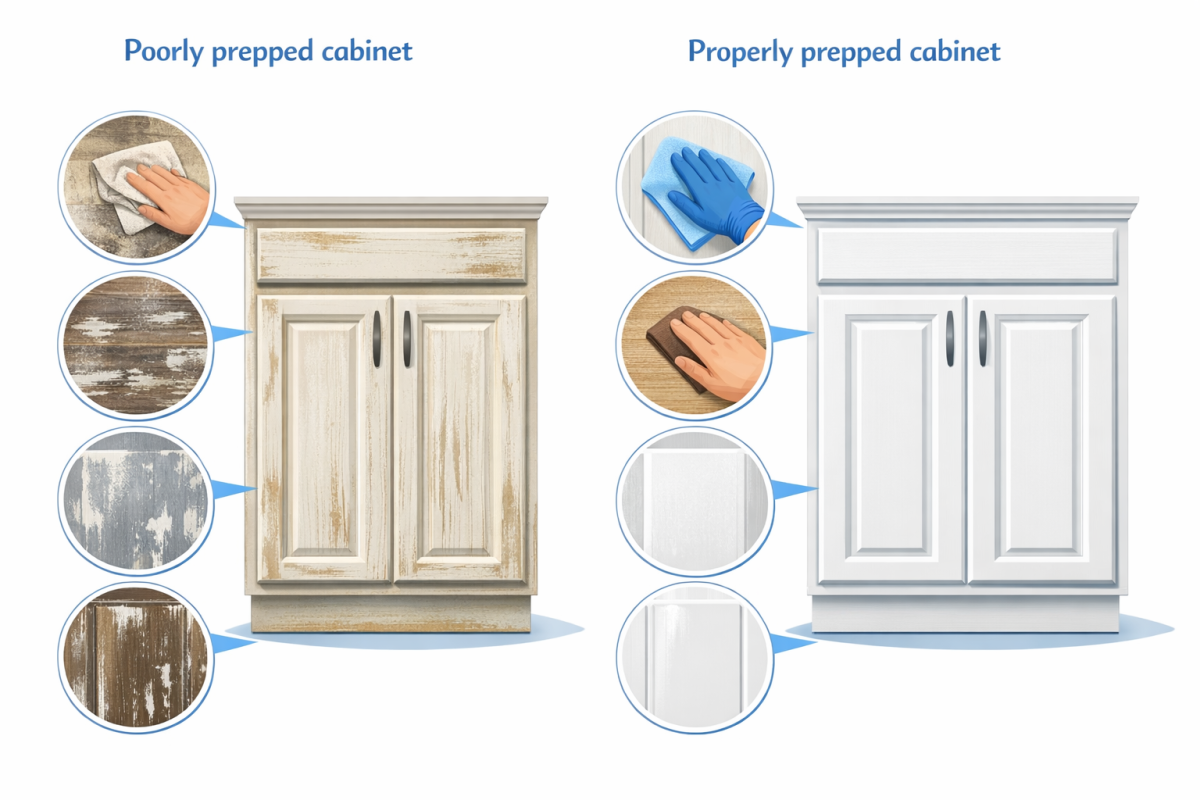
Even the best paint for kitchen cabinets in Colorado homes will fail if the prep is poor. Low humidity and rapid curing exaggerate flaws and adhesion issues, so each step matters.
Essential Prep Steps For Existing Cabinets
Use this checklist before you even open the paint can:
- Remove doors, drawers, and hardware. Label everything so reassembly is easy.
- Clean thoroughly with a degreaser. Pay attention to handles and hinges where oils build up.
- Scuff sand surfaces to dull the factory finish or old coating. This creates mechanical tooth for the new paint.
- Vacuum and tack cloth to remove dust. In a dry climate, static can attract dust back to the surface, so be thorough.
- Repair dings, nail holes, and open grain where needed with high‑quality filler. Sand smooth.
- Address silicone contamination around old caulk lines, which can repel paint and cause fish‑eyes.
Primers Built For Colorado Cabinets
Primer is non‑negotiable for kitchen cabinets, especially in Colorado.
- Use a bonding primer designed to grip slick factory finishes, thermofoil, and older varnish.
- For oak cabinets, consider a high‑build or stain‑blocking primer that fills grain to achieve a smoother, modern look.
- In older homes, use a shellac or dedicated stain‑blocking primer to keep tannins in oak or knots in pine from bleeding through white or light colors.
Because primers and paints dry faster in Colorado’s low humidity, work in manageable sections so you can maintain a wet edge and achieve a smooth film.
Application Methods That Deliver A Factory‑Grade Finish
Once prep and product choice are dialed in, how you apply the paint determines whether the result looks DIY or professional.
Brush And Roller Application
For owner‑occupied homes where spraying is not practical:
- Use a high‑quality synthetic brush for cutting edges and profiles.
- Pair with a fine‑nap microfiber or foam roller for flat areas.
- Apply two thin coats of primer and two thin coats of finish, rather than one heavy coat.
- Work quickly in Colorado’s dry air, which shortens open time. Load your brush or roller fully and lay off lightly to reduce marks.
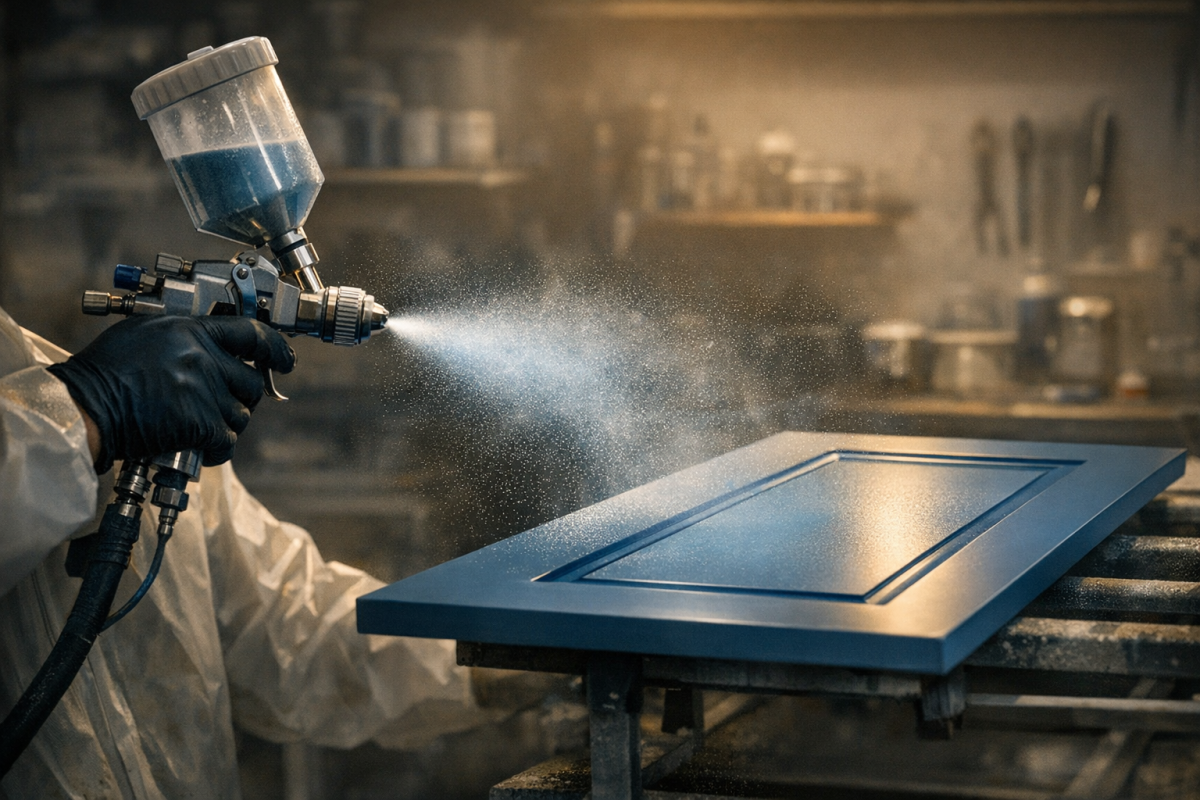
Spraying For A Factory Finish
Spraying, when done correctly, produces the smoothest results.
- Ideal in empty homes, flips, or rentals between tenants.
- Doors and drawers can be sprayed off‑site, then reinstalled.
- Requires masking, ventilation, and proper equipment setup.
Many Denver‑area contractors combine shop spraying for doors with careful on‑site brushing and rolling of frames. This hybrid approach balances logistics, cost, and finish quality.
Curing Time In Colorado’s Climate
Paint may be dry to the touch in a few hours, but full cure often takes 7 to 30 days, depending on the product.
- In low humidity, surface dryness can mislead you into reassembling too quickly.
- During curing, avoid slamming doors, stacking heavy items, or using harsh cleaners.
- Advise tenants or buyers about this curing window to prevent early damage.
For a full walkthrough of the cabinet refinishing process, including application techniques, see Updating Your Kitchen Cabinets With Cabinet Refinishing And Cabinet Painting Denver.
Choosing The Right Paint And Approach For Your Property Type
Different property types call for slightly different strategies, even within the same Colorado climate.
Owner‑Occupied Homes
Goals usually include aesthetics, feel, and long‑term satisfaction.
- Invest in a top‑tier waterborne alkyd enamel.
- Choose colors that work with your long‑term plans, not just trends.
- Consider hiring a specialist for spraying doors and drawers for a showroom finish on a primary residence.
Rental Properties And Multi‑Unit Buildings
Durability and ease of touchup matter most.
- Choose a durable, scrubbable satin or low semi‑gloss.
- Standardize paint type and color across units for simpler maintenance.
- Use products that cure reliably across slightly varying conditions in different units.
Fix‑And‑Flip Or BRRRR Projects
You are balancing timeline, budget, and buyer appeal.
- Use proven, quick‑curing systems that allow you to keep the project moving.
- Pick market‑tested colors that show well in listing photos and open houses.
- Work with a refinishing crew that can handle multiple properties and tight schedules in the Denver metro area.
Important: Cheap paint and rushed prep may save a few hundred dollars upfront, but visible chipping and peeling can easily cost you several thousand in lost offers or lower appraisals on resale.
When To Bring In A Colorado Cabinet Refinishing Specialist
DIY is possible, but Colorado’s climate amplifies both successes and mistakes. If you want a professional, durable finish that will help your home or investment property stand out, a specialist can be a smart investment.
How Cabinet Refinishing Denver Can Help
Cabinet Refinishing Denver focuses specifically on cabinet painting and refinishing in the Denver metro and surrounding Colorado markets. This means:
- Product systems are tested in local conditions, not chosen from generic national recommendations.
- Crews understand how low humidity and altitude affect dry times, spraying, and curing.
- You get guidance on color, sheen, and prep strategies that fit your property type and exit plan.
If you are updating a primary residence, turning a rental, or prepping a flip, partnering with a specialist can reduce risk and downtime while delivering a factory‑grade finish.
Learn more about their Colorado‑tuned cabinet painting and refinishing services at Cabinet Refinishing Denver.
Call to discuss your specific kitchen, timeline, and whether brush‑and‑roll, hybrid, or full spray application makes most sense for your project.
Putting It Into Practice: Your Next Steps
To choose the best paint for kitchen cabinets in Colorado homes, match your coating type, sheen, and application method to both the climate and your property goals. Start by assessing your existing cabinets, then narrow your options to high‑quality waterborne alkyd enamels or professional‑grade systems designed for cabinets.
Plan ample time for prep, priming, and proper curing, especially in Colorado’s fast‑dry conditions. If you want a predictable outcome with minimal disruption, consult a Denver‑based cabinet refinishing specialist who works with these conditions every day. A well‑executed cabinet repaint can give your kitchen a near‑new look at a fraction of replacement cost, with durability that matches Colorado’s demanding environment.
Frequently Asked Questions
What is the single best type of paint for kitchen cabinets in Colorado?
For most Colorado homes, the best all‑around choice is a high‑quality waterborne alkyd enamel. It combines the hardness and smoothness of traditional oil with the low odor, non‑yellowing, and easier cleanup of water‑based products. It also handles Colorado’s low humidity and large temperature swings better than standard wall paint, which tends to stay soft and can stick or chip under heavy kitchen use.
Can I use regular wall paint on my kitchen cabinets?
You can, but it is not recommended, especially in Colorado. Standard wall paints, even premium ones, are formulated for broad surfaces that do not experience as much contact or cleaning. On cabinets, they often stay slightly tacky, show wear quickly, and may peel at edges or around hardware. Using a cabinet‑specific enamel with good block resistance is a much better choice for longevity and cleanability.
How long will painted cabinets last in a Colorado kitchen?
With proper prep, primer, and a high‑quality cabinet enamel, you can expect 7 to 10 years or more of solid performance in a typical Colorado kitchen. High‑traffic rentals may show wear sooner, but even then a well‑applied system should give several years of service. The main factors are surface prep, product quality, and how soon after painting the cabinets are put into heavy use during the curing period.
Do I need to sand my cabinets before painting if I use a bonding primer?
Yes, you should still sand. Bonding primers improve adhesion on slick surfaces, but they work best when paired with mechanical tooth from scuff sanding. Light to moderate sanding with the correct grit helps remove gloss, opens the surface, and levels minor imperfections. Skipping sanding in Colorado’s dry climate often leads to premature chipping, especially at edges and around handles where impact is highest.
Is spraying always better than brushing for cabinet painting?
Spraying usually gives the most uniform, factory‑like finish, which is why many Denver‑area pros spray doors and drawers in a shop environment. However, brushing and rolling with the right tools and technique can still produce very good results, especially on frames that are difficult to mask. The best approach often combines sprayed doors with carefully brushed or rolled frames, chosen based on your home, budget, and tolerance for on‑site disruption.