
Why A True Factory Finish On Cabinets Matters
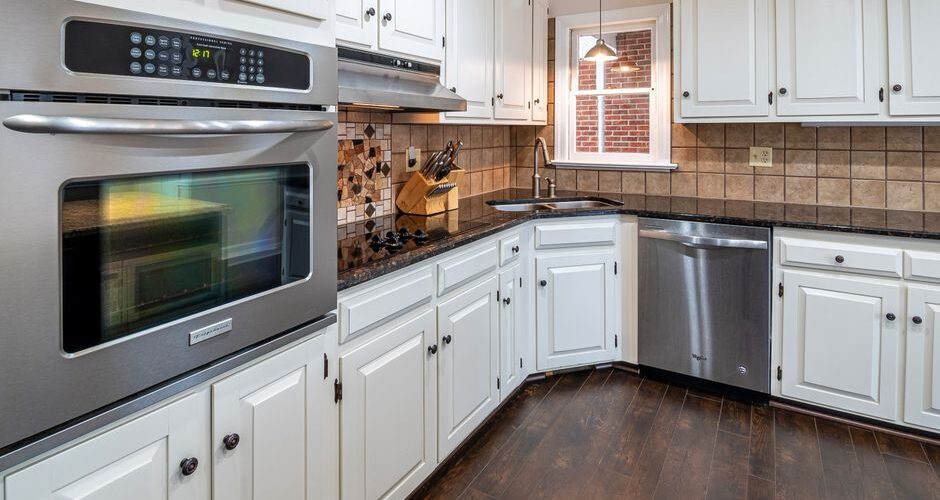
If you are remodeling a kitchen or bath in the Denver area, the cabinet finish will make or break the project. Homeowners, investors, and designers all want the same thing: a smooth, durable, “like new” finish that looks custom, photographs well, and holds up to tenants, kids, and daily cooking.
My Review of Graco FFLP Tips for Spraying Cabinets
The problem is that many painters claim they deliver a “factory finish,” but use the same tools and products they use on walls. The result often looks good for a few months, then chips around hardware, peels near dishwashers, or yellows under Denver’s high-altitude UV exposure.
Choosing a cabinet painting company that truly specializes in factory finishes is the difference between cabinets that feel like a new installation and cabinets that just look “good from ten feet away.” This guide breaks down what “factory finish” really means, how specialists work, what it should cost, and how to vet a pro before you sign a contract.
Cabinet Painting Service Areas in Denver & Surrounding Cities, Cabinet Refinishing in Denver County,
Serving Lakewood, CO, Littleton, CO, Golden, CO, Evergreen CO, Roxborough Park CO, Ken Carl Ranch CO,
Arvada, CO, Wheat Ridge, CO,
and Parker CO. Castle Pines CO. Englewood CO. Centennial CO.
Cabinet Painting in Arapahoe County, CO
Including Centennial, CO, Greenwood Village, CO,
Cherry Hills Village, CO, Englewood, CO,
and Aurora, CO.
Cabinet Painting in Adams County & Broomfield, CO
What A Factory Finish Really Means For Cabinets
Most companies use “factory finish” as a marketing phrase. A specialist treats it as a technical standard. At minimum, a true factory finish on site should include the elements below.
Key characteristics of a real factory finish
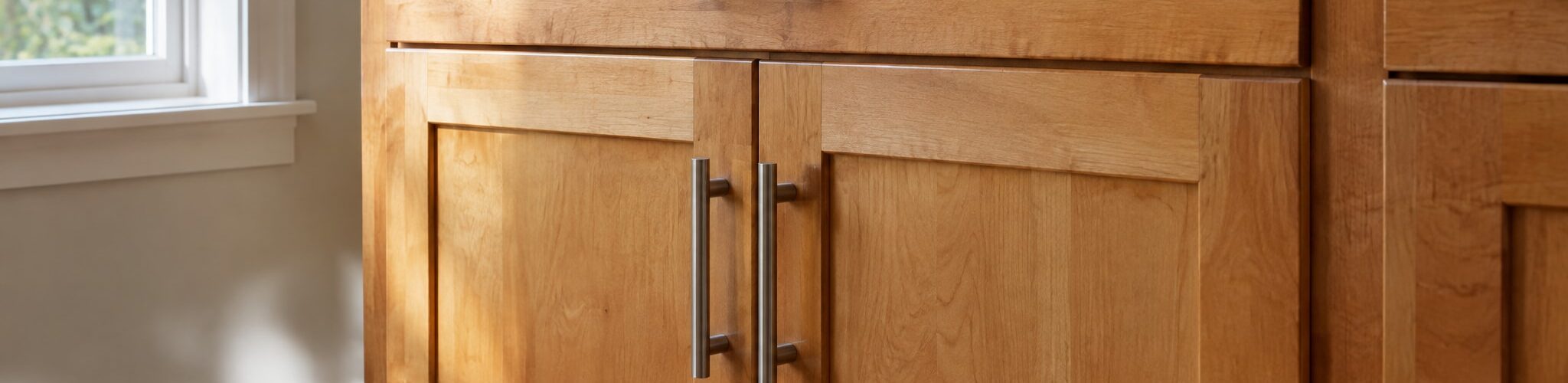
- Ultra smooth surface that feels like new cabinet doors from the manufacturer, with virtually no orange peel, brush marks, or roughness
- Consistent sheen and color from panel to panel, even on large runs of doors in open-concept kitchens
- Fully cured, hard film that resists fingernails, kids’ toys, and regular cleaning without soft spots or tackiness
- Clean edges and reveals around shaker profiles, glass doors, and trim, without heavy build-up or drips
If the company’s portfolio shows brush strokes, roller texture, or inconsistent gloss in photos, it is not a factory finish project.
Process versus marketing claims
A company that actually specializes in factory finishes will:
- Use professional spray equipment and controlled setups
- Follow a multi-stage prep and finishing system
- Specify products rated for cabinets and millwork, not standard wall paints
For a deeper technical dive into what this looks like on Denver projects, see Factory Finish Cabinet Painting In Denver The Definitive Guide.
Key Takeaway: If it is not sprayed, not properly prepped, and not using cabinet-grade coatings, it is not a true factory finish, no matter what the quote says.
The Specialized Process Professional Cabinet Painters Use
A cabinet painting company that truly focuses on factory finishes will have a clearly defined process. You should hear a version of the steps below when you ask, “Walk me through how you work.”
Prep and protection come first
High quality cabinet refinishing is mostly prep work. Expect to see:
- Detailed masking and containment to protect floors, counters, appliances, and adjacent rooms from overspray and dust
- Door and drawer removal with hardware carefully labeled and stored
- Thorough cleaning and degreasing, especially around ranges and pulls where skin oils and cooking residue build up
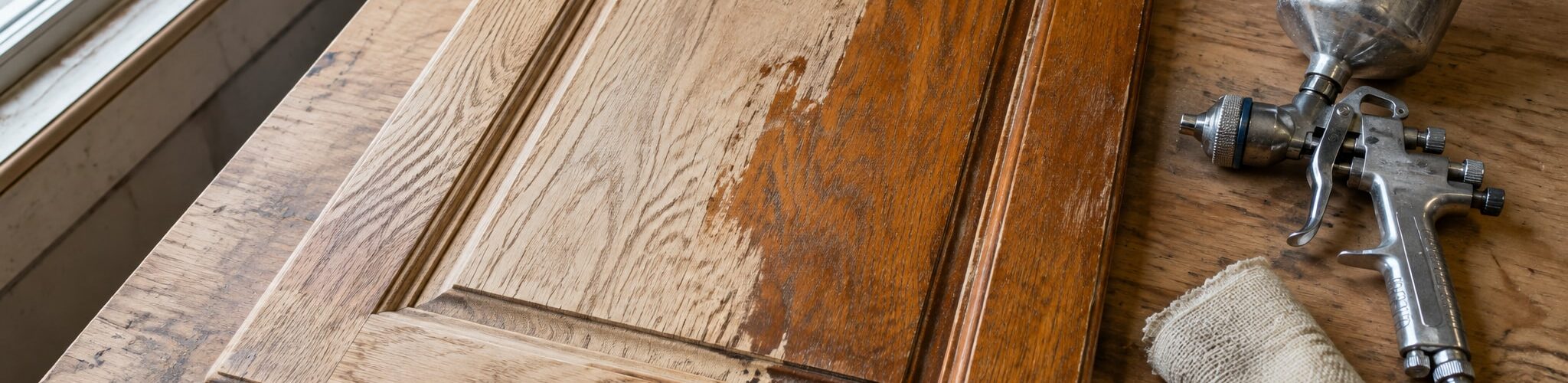
- Sanding and mechanical abrasion to knock down existing sheen and give the new coating proper tooth
- Repairs and caulking at seams, nail holes, and minor damage so the finish looks like new construction
If the company talks about “a light scuff and go,” you can expect adhesion problems in high-wear zones.
Priming for adhesion and stain blocking
Professional cabinet finishes typically involve:
- Bonding primers that lock onto factory finishes, varnish, or laminate
- Stain-blocking primers where there is oak grain, knots, or previous water damage
- Multiple passes of primer with sanding between coats for dead-flat surfaces
On problem substrates like thermofoil or laminate, technique matters even more. For example, Professional Laminate Cabinet Painting In Denver A Factory Finish That Lasts explains why generic wall primers fail on slick laminate faces.
Spraying for a factory-level surface
The signature of a factory finish is in the spray work:
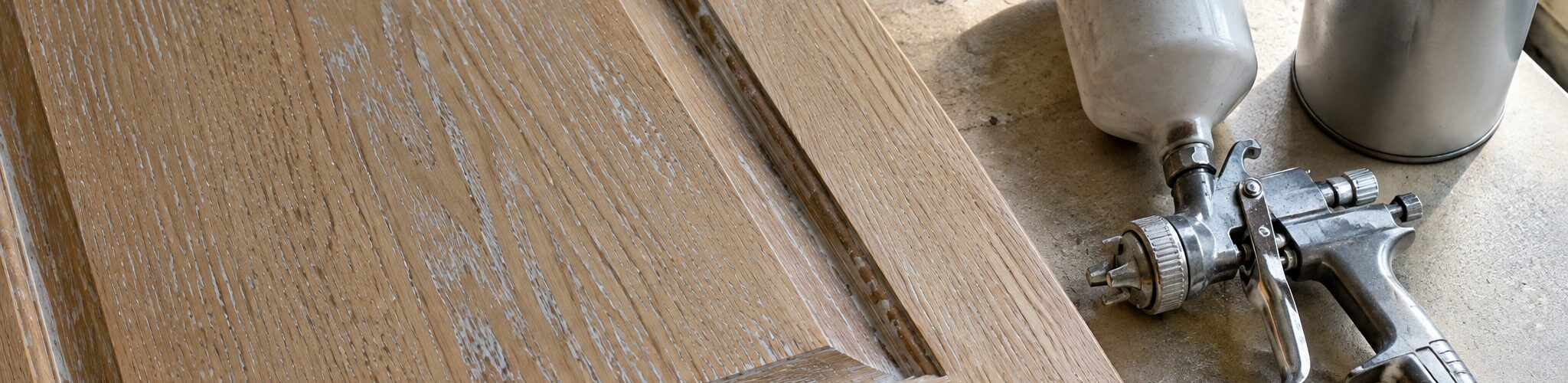
- Use of HVLP or airless with fine finish tips
- Spraying doors horizontally on racks for flatter, more even films
- Controlled crosshatch patterns for uniform coverage and color depth
- Tightly controlled lighting so defects can be caught and corrected
A company that specializes in this work should be able to tell you exactly which sprayers, tips, and products they prefer and why.
Choosing A Company That Truly Specializes In Factory Finishes
Your biggest risk is hiring a general house painter who “also does cabinets.” A specialist will look and sound different from the first phone call.
Signs you are talking to a true specialist
Look for companies that:
- Show cabinet-only portfolios, not just a few cabinet shots mixed into exterior projects
- Explain their cabinet system in clear, step-by-step detail
- Understand Denver-specific conditions, such as low humidity, temperature swings, and the impact of altitude on curing
- Offer targeted references from recent cabinet clients and, ideally, from designers or contractors
For spray quality specifics, the content at Spray Cabinet Painting Denver The Guide To A Flawless Factory Finish is useful as a comparison standard when you interview painters.
Essential questions to ask during estimates
Use these questions to separate real specialists from “we can probably do it” painters:
- What percentage of your work is cabinet refinishing compared to walls and exteriors?
- Which products do you use on cabinets, and why did you choose them?
- How do you handle oak grain if I want a smooth finish?
- How do you manage dust and overspray inside an occupied home?
- What is your typical project timeline, from removal to reinstallation?
- What happens if something chips or fails within the first year?
Pro Tip: Ask to see before, during, and after photos of the same project. Mid-process shots reveal how seriously the company takes prep and containment.
Cost, Timelines, And ROI For Denver Kitchens And Baths
Most readers want to understand whether a true factory finish is worth it compared to replacement or refacing, especially in investment properties or flips.
Typical cost ranges for factory-finish cabinet painting
Actual pricing depends on kitchen size, door count, condition, and color shift, but in the Denver metro area, professional factory finish cabinet painting usually falls somewhere in these ranges:
| Project Type | Typical Range (Denver) | Notes |
|---|---|---|
| Small kitchen (20–25 doors/drawers) | $3,000 – $4,500 | Minimal repairs, 1–2 colors |
| Average kitchen (30–40 doors/drawers) | $4,500 – $7,000 | Most homeowner projects |
| Large or custom kitchen | $7,000 – $10,000+ | Multiple colors, islands, panels |
| Full cabinet replacement | $18,000 – $35,000+ | Mid-range to semi-custom |
| Cabinet refacing | $10,000 – $20,000+ | New doors, veneer on boxes |
These numbers typically include removal, shop work, on-site spraying of boxes, and reinstallation.
Timelines and occupancy considerations
A specialist cabinet painting company will usually need:
- 5 to 10 working days on site for an average kitchen, with some work happening offsite in a spray shop
- Temporary setup so the kitchen remains partially usable, though you will lose doors and drawers during the project
- Clear communication about when sinks, appliances, and access will be impacted
For rental properties, plan gaps between tenants to avoid disruption. For flips, align the cabinet schedule with countertop templating and backsplash installation.
ROI factors for homeowners and investors
A properly executed factory finish can:
- Make older cabinets look like new installations at roughly 30 to 40 percent of replacement cost
- Support higher rent in multi-unit buildings and short-term rentals because kitchens photograph and show better
- Help listings stand out in buyer searches, which often recoups the investment as part of the sale price
For investors, the key is durability. Chipping doors mean service calls. This is where specialist-grade products and prep save money over time.
How Specialists Handle Different Cabinet Materials
Not every cabinet substrate behaves the same. A cabinet painting company that specializes in factory finishes will adjust their system based on what they are working on.
Solid wood and stained finishes
For oak, maple, or alder:
- Grain management is the big decision point. Some owners like visible grain, others want a furniture-smooth look.
- Specialists may fill open grain with grain filler or multiple primer coats and sanding cycles for a near-glass finish.
- Tannins in some species require the right primer system to avoid yellowing through lighter colors.
Factory-painted or lacquered cabinets
These can be excellent candidates for refinishing if the coating is sound:
- Light to medium mechanical abrasion is used to break the gloss.
- The painter will test for compatibility, especially if switching chemistries.
- Problem areas like sink bases, trash pull-outs, and dishwasher sides need extra inspection for moisture damage.
Laminate, thermofoil, and other non-wood substrates
These are common in condos, rental properties, and some builder-grade homes. They demand specific handling:
- Proper cleaning and deglossing are essential because contaminants sit on the non-porous surface.
- Primers must be rated for adhesion to slick substrates, not just wood.
- Edgebanding, peeling corners, and delamination must be addressed before finishing.
If you are working with laminate specifically, review Professional Laminate Cabinet Painting In Denver A Factory Finish That Lasts so you can verify that any company you hire is using an appropriate system.
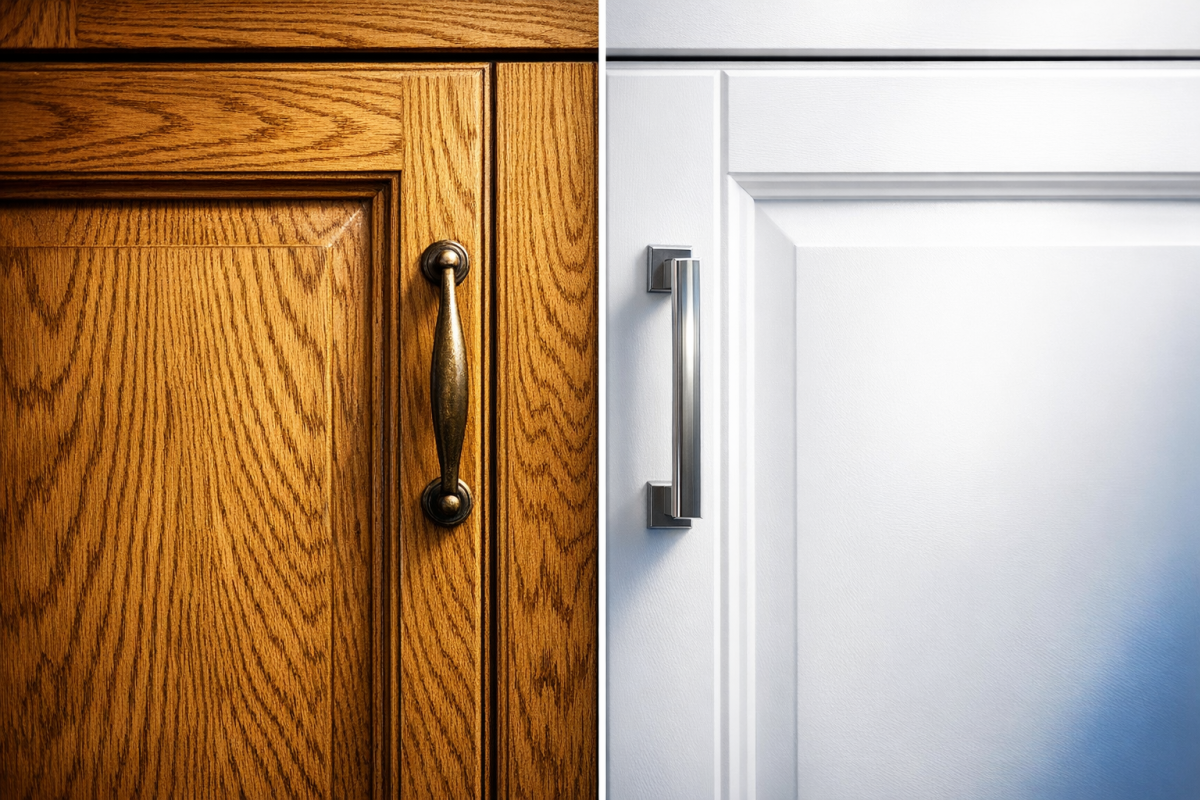
Inspecting Quality: How To Tell If The Finish Is Truly “Factory”
Even if you are not a contractor or designer, you can evaluate the quality of a cabinet job with a simple checklist once the work is complete.
Visual and tactile inspection
Check the following:
- Feel the doors and drawer fronts. They should feel consistently smooth, without rough spots, nibs, or runs.
- Look along the edges and profiles. Paint buildup or sagging indicates poor control.
- Assess sheen consistency under both daylight and artificial light. Uneven dull or shiny patches are a red flag.
Run your hand along the frames near pulls and edges. A high-quality finish will feel uniform, not gummy or soft.
Functional tests
Once the crew says the job is complete and safe to use:
- Open and close every door and drawer to ensure no sticking or sticking points in reveals.
- Inspect hinge cups and hardware screw holes for over-spray or clogging.
- Gently tap a fingernail on a hidden edge. It should feel hard, not rubbery.
Clean-up and protection
A company that truly specializes in factory finishes treats your home like a jobsite and a residence:
- Masking lines at walls, ceilings, and floors should be sharp and clean.
- Overspray on glass, appliances, or floors should be non-existent or fully removed.
- Touch-ups, if needed, are handled systematically, not as rushed dabs.
Important: Do your final walkthrough in good light, ideally during the day. Many minor defects are obvious in daylight but easy to miss in evening lighting.
[INFOGRAPHIC: Step-by-step process diagram showing "Estimate and Color Selection", "Prep and Masking", "Priming and Sanding", "Finish Spraying", "Curing and Reinstallation", "Final Walkthrough and Care Instructions"]
When To Call A Specialist: Common Scenarios In Denver
Certain situations benefit especially from a cabinet painting company that focuses on true factory finishes, not basic repaints.
Homeowners modernizing outdated kitchens
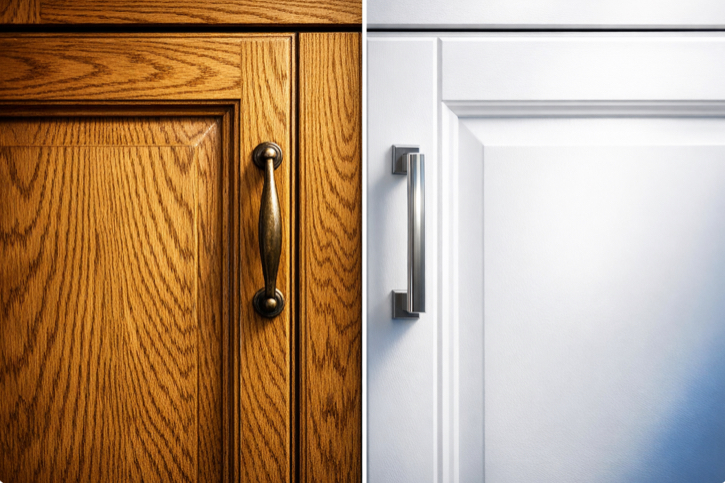
If you have solid cabinets with dated stain or honey oak, a factory finish:
- Achieves the “new kitchen” feel without the cost of replacement
- Coordinates with new quartz or solid-surface counters and updated flooring
- Avoids the demo mess, electrical changes, and plumbing revisions that replacement often triggers
Real estate investors and house flippers
Investors in Denver’s competitive market often need:
- Fast, reliable turnarounds that photograph beautifully for listings
- Durable finishes that survive showings, moves, and inspections
- Predictable pricing to keep renovation budgets on track
A specialist can often complete a full kitchen refinish between other trades, which keeps holding costs down.
Property managers and multi-unit owners
For multi-unit buildings or repeating floor plans:
- A standardized cabinet finishing system produces consistent results from unit to unit.
- You can often negotiate better rates at scale for multiple kitchens or turnovers.
- Tenants experience less disruption compared to full replacement.
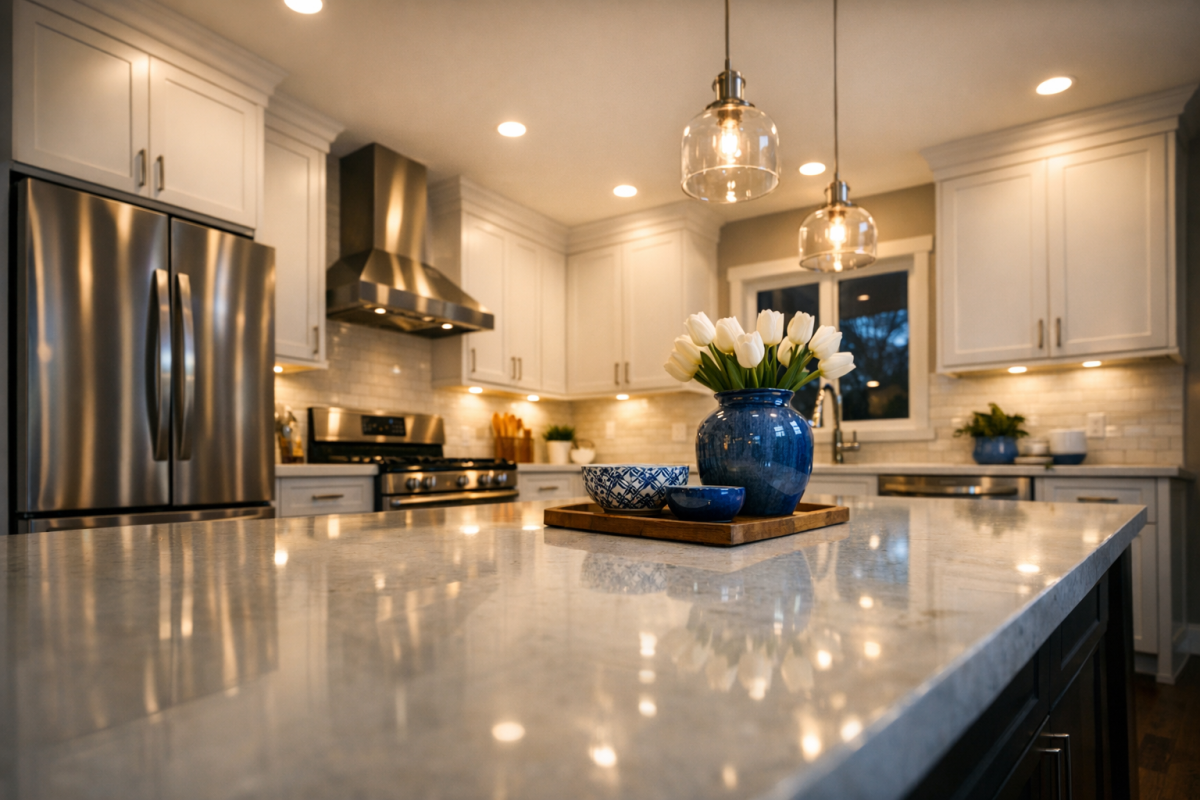
How Cabinet Refinishing Denver Helps You Get A True Factory Finish
If you are in the Denver metro area and want a cabinet painting company that specializes in genuine factory finishes, Cabinet Refinishing Denver focuses specifically on this type of work.
Their process typically includes:
- Shop-quality spraying techniques brought on site with professional containment
- Cabinet-grade primers and topcoats tailored to Colorado’s climate
- Detailed attention to grain control, edge quality, and long-term durability
Whether you are a homeowner upgrading your forever kitchen, a designer specifying a palette for a client, or an investor planning several units, they can help you balance cost, appearance, and longevity.
You can review detailed process information, project photos, and additional technical guides at Cabinet Refinishing Denver.
Call or request a quote through their site to discuss your specific kitchen or bath, and how a true factory finish can fit your budget and timeline. Learn more.
Putting This Knowledge Into Action
Your next step is to use this information to evaluate your options:
- Decide whether repainting, refacing, or replacing best fits your budget and goals.
- Shortlist only companies that specialize in cabinet factory finishes, not generic painting.
- Ask targeted process and product questions, then compare answers to the standards in this guide.
- Inspect portfolios and, if possible, see a completed kitchen in person before committing.
A well-chosen cabinet painting company that truly specializes in factory finishes can deliver a finish that looks and feels like new cabinets, at a fraction of replacement cost and with far less disruption.
Frequently Asked Questions
How long does a factory finish cabinet painting job usually take?
For an average Denver kitchen with 30 to 40 doors and drawers, expect about 5 to 10 working days. The first days focus on prep, masking, and priming. Doors are usually taken offsite for shop spraying while boxes are sprayed in place. Curing time varies by product, but cabinets are generally usable soon after reinstallation, with full hardness developing over several days to weeks.
How durable is a professionally sprayed factory finish compared to new cabinets?
When done correctly with cabinet-grade products, a sprayed factory finish is very comparable to many manufacturer finishes. It resists chipping, staining, and regular cleaning, and holds up well in busy family kitchens and rentals. The key is proper prep, adhesion-promoting primers, and controlled film build. Cheap wall paints or shortcut prep will not perform the same way over time.
Can laminate or thermofoil cabinets get a true factory-style finish?
Yes, but only if the painter uses the right system. Laminate and thermofoil are slick and non-porous, so adhesion is the primary concern. A specialist will use aggressive cleaning, mechanical abrasion, and primers designed for hard, glossy surfaces, then top with a compatible cabinet coating. Done correctly, the result looks like a fresh factory finish and can last many years.
Will I be able to use my kitchen while the cabinets are being refinished?
You will usually have partial use. Most companies leave appliances in place and maintain access to sinks and counters when possible. However, doors and drawers are removed, and some days you will have limited access due to spraying and ventilation. My Review of Graco FFLP Tips for Spraying Cabinets If you plan ahead with simple meal prep and temporary storage, most homeowners manage fine during the 1 to 2 week process.
How do I maintain and clean factory-finished painted cabinets?
Use mild cleaners and soft cloths. Avoid abrasive pads, harsh chemicals, and repeated soaking around door edges and hardware. Many pros recommend a diluted dish soap solution or cleaners labeled safe for painted wood. Wipe spills promptly, especially near dishwashers and sinks. With normal care, a professional factory finish will stay attractive for many years without special treatments.