
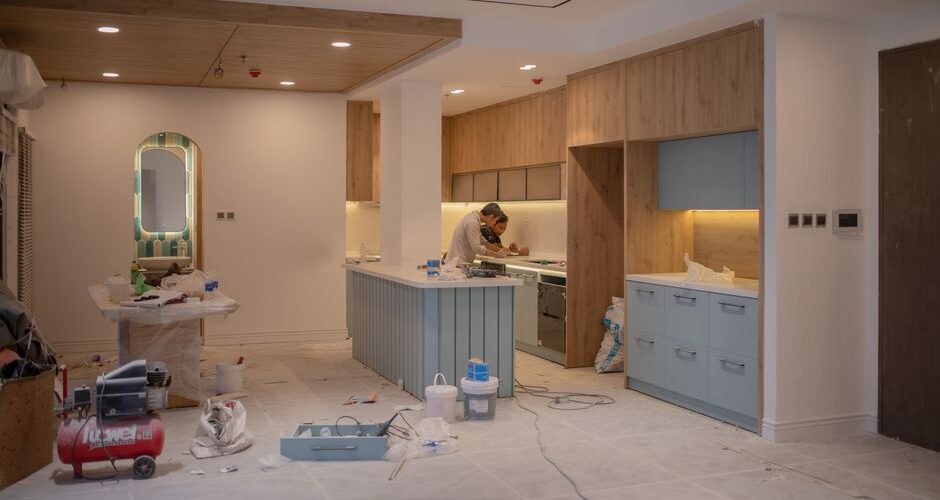
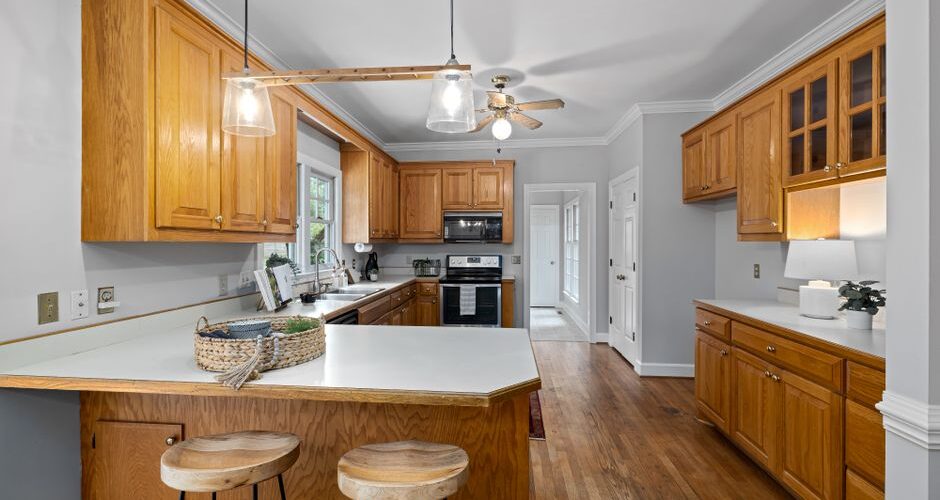
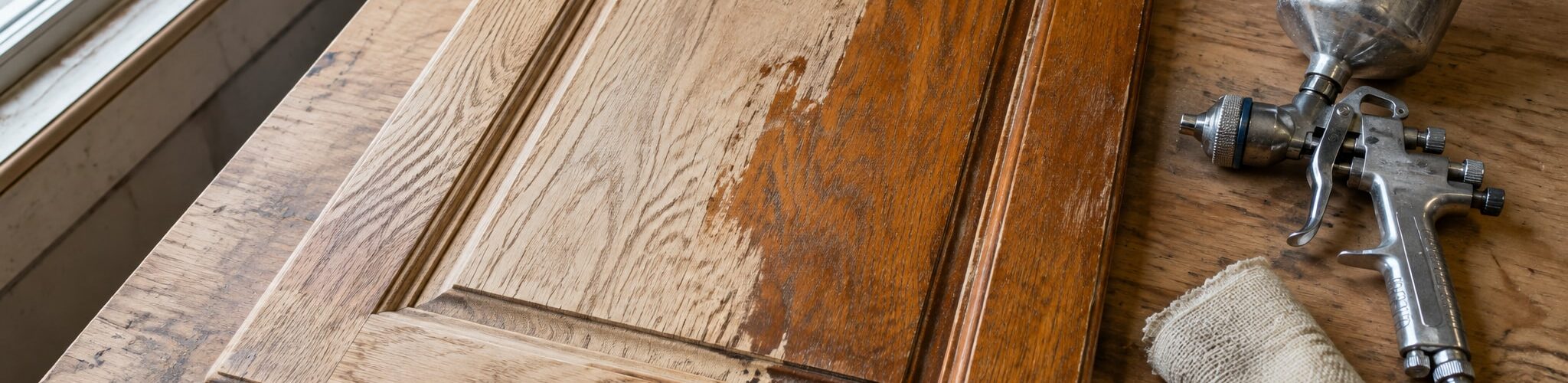

You’ve invested in transforming your kitchen with a flawless, factory-grade finish on your cabinets. The transformation is stunning, but a new concern quickly sets in: how do you keep them looking perfect? The fear of grabbing the wrong cleaning spray and accidentally dulling the sheen, or the panic that comes with a grease splatter, is real. You worry about chipping, peeling, or yellowing, and you need a maintenance plan built on professional expertise, not guesswork. This is where our over 45 years of experience becomes your greatest asset.
Cabinet Refinishing Service Areas in Denver & Surrounding Cities Cabinet Painting in Denver County, CO
Serving Lakewood, CO, Littleton, CO, Golden, CO, Arvada, CO, Wheat Ridge, CO, Evergreen, CO, and Morrison, CO.
Cabinet Painting in Arapahoe County, CO
Including Centennial, CO, Greenwood Village, CO, Cherry Hills Village, CO, Englewood, CO, and Aurora, CO.
Cabinet Painting in Adams County & Broomfield, CO
Serving Thornton, CO, Westminster, CO, Northglenn, CO, Commerce City, CO, Brighton, CO, and Broomfield, CO.
Cabinet Painting in Boulder County & Northern Colorado
Including Superior, CO, Louisville, CO, Lafayette, CO, Erie, CO, Firestone, CO, Frederick, CO, Longmont, CO, Loveland, CO
We also service projects throughout the entire state of Colorado.
This guide cuts through the confusion. We provide the definitive, no-nonsense plan for caring for refinished wood cabinets. You will learn the simple daily, weekly, and long-term routines that are vital for protecting your investment. We will give you a clear list of safe and unsafe products, so you never have to second-guess your cleaning choices again. From handling minor scratches to understanding the difference in care for painted versus stained finishes, we guarantee you’ll have the confidence to maintain that outstanding finish for years to come.
Key Takeaways
- Understand why a professional, multi-layer cabinet finish requires specialized care that is different from standard paint jobs.
- The most vital part of caring for refinished wood cabinets is establishing a simple routine with approved, non-abrasive cleaning products.
- Learn to act quickly and correctly to handle common kitchen spills and splatters, preventing them from causing permanent damage to the finish.
- Protect your investment for years by performing simple annual maintenance that addresses hardware, humidity, and sun exposure.
Understanding Your New Finish: Why Professional Care Matters
A professional cabinet refinish is more than just a coat of paint. It’s an industrial-strength, multi-layer system designed for a flawless, factory finish. We use precatalyzed primers and durable lacquers to create a surface that is built to last. However, even the toughest finish requires proper maintenance. Effective caring for refinished wood cabinets starts with understanding what you’re protecting. The foundation of understanding wood finishes is knowing they are engineered for durability, not invincibility.
To see how proper cleaning can revive and protect a finish, watch this helpful video:
The Critical First 30 Days: Let the Finish Cure
Your new cabinet finish looks and feels complete, but it is still undergoing a crucial hardening process known as curing. For the first 30 days, the finish is vulnerable as it hardens to its maximum durability. During this critical period, be gentle with your cabinets. Avoid scrubbing, using harsh cleaners, or placing wet cloths or appliances on the surfaces. This initial patience is a vital factor in ensuring a long-lasting, resilient finish.
Painted vs. Stained Wood: Key Differences in Care
While our cleaning recommendations work for all our finishes, knowing your surface type helps with long-term care. The core of caring for refinished wood cabinets depends on what you are protecting:
- Stained Finishes: The beautiful wood grain is visible through a transparent, industrial-strength clear topcoat. Your main goal is to protect this topcoat from scratches and harsh chemicals that can cause dullness.
- Painted (Lacquered) Finishes: These opaque, pigmented finishes offer a solid, flawless color. Care focuses on preventing chips from impacts and avoiding stains from acidic foods or harsh dyes that could compromise the colored surface.
Rest assured, the simple and effective cleaning methods we outline next are safe for both of these durable, professional-grade finishes.
The Essential Routine: Daily and Weekly Cabinet Cleaning
You invested in a flawless, factory finish for your cabinets; now, the most vital factor is protecting that investment for years to come. The secret to long-term durability isn’t found in harsh chemicals or complicated procedures. Effective caring for refinished wood cabinets is built on a simple, consistent routine that prevents the build-up of grime, grease, and damage before they can take hold. This daily and weekly plan is your non-negotiable strategy for keeping that professional, lacquered look.
Your 2-Minute Daily Wipe-Down
Commit to a quick, two-minute wipe-down at the end of each day. Use a soft, dry microfiber cloth to gently remove dust, smudges, and fingerprints from cabinet surfaces. Pay special attention to high-touch areas like the doors and drawers around knobs and handles. The most important rule: wipe up any spills, cooking splatters, or water drips immediately. This simple habit prevents moisture and food residue from penetrating and damaging the finish.
The Weekly Degreasing Clean
Once a week, tackle the invisible layer of kitchen grease and airborne particles that inevitably settle on surfaces. Create a mild cleaning solution by adding just a few drops of a gentle dish soap (like original blue Dawn) to a bowl of warm water. Dampen a soft cloth-it should feel moist, not be dripping wet-and wipe down all cabinet faces, frames, and pulls. Immediately follow with a separate clean, dry cloth to remove every trace of moisture. This preventative process is essential for removing grime from woodwork before it becomes a stubborn problem and is a key part of maintaining their flawless sheen.
Proper Handling Habits
The final piece of your routine is about mindful interaction. A durable, industrial-strength finish is tough, but it’s not indestructible. Adopting proper handling habits is a simple way to prevent accidental scratches, dings, and premature wear. Make these actions second nature:
- Always use handles and pulls: Avoid touching the cabinet face itself. Oils and residue from your hands can degrade the finish over time, especially in high-contact spots.
- Prevent heavy impacts: Be mindful when moving pots, pans, or other heavy items near your cabinets to avoid bumps and dents that can chip the finish.
- Keep sharp objects away: Protect the lacquered surface from scratches by keeping knives, keys, and abrasive items away from the finish.
Your Approved Cleaning Toolkit: Products to Use & Avoid
After investing in a professional, factory-finish for your cabinets, the last thing you want to do is damage it with the wrong cleaning product. The industrial-strength lacquer we apply is designed for durability, but it is not invincible. The good news is that caring for refinished wood cabinets is straightforward and does not require expensive, specialized chemicals. Using the right tools protects your investment and keeps your kitchen looking flawless for years.
The ‘Safe for Finish’ List
For routine cleaning and tackling everyday kitchen grime, stick to this simple, effective toolkit. These items will clean the surface without compromising the protective topcoat.
- Microfiber Cloths: These are your most important tool. Their fine fibers trap dust, grease, and grime without scratching the finish. Use one for cleaning and a separate, dry one for buffing.
- Mild Dish Soap: A few drops of a gentle, grease-cutting dish soap (like original Dawn) in a bucket of warm water is the perfect solution for weekly cleaning.
- Water & Vinegar Solution: For stubborn grime or grease buildup, a 50/50 mixture of distilled water and white vinegar can be used. Apply it with a cloth, but use it sparingly and only when needed.
- Rinse and Dry: Always follow any cleaning solution by wiping the surface with a cloth dampened with clean water, then immediately dry the cabinet completely with a separate, dry microfiber cloth.
The ‘Never Use’ List: Products That Ruin Finishes
Using the wrong products is the fastest way to ruin a professional finish, leading to dullness, discoloration, or even complete failure of the topcoat. Avoid these items at all costs.
- Harsh Chemicals: Never use products containing ammonia, bleach, solvents, or harsh citrus oils. These chemicals are designed to strip surfaces and will break down the protective lacquer on your cabinets.
- Abrasives: Scouring pads, steel wool, magic erasers, and powdered cleansers like Comet will create micro-scratches in the finish. Over time, these scratches will dull the sheen and make your cabinets look worn and hazy.
- Waxes & Polishes: Avoid furniture polishes like Pledge or oil-based cleaners like Orange Glo. They do not nourish the sealed finish; instead, they leave behind a silicone or wax buildup that attracts dust and is difficult to remove.
- Excessive Water or Steam: Never saturate the surface or use a steam cleaner. Water can penetrate seams and joints, causing the underlying wood to swell and potentially damaging the finish from the inside out.

First Aid for Your Cabinets: Handling Common Kitchen Mishaps
Even with the most durable factory finish, life happens. A busy kitchen is prone to spills, splatters, and the occasional bump. The key to long-term beauty is knowing how to react quickly. Proper and immediate action is a vital part of caring for refinished wood cabinets and can prevent a minor mishap from turning into a permanent problem. This guide provides the straightforward steps you need to handle common issues with confidence.
Tackling Grease, Food, and Liquid Spills
The number one rule for spills is to act fast. The longer a substance sits on the finish, the more likely it is to cause damage. Follow these simple, results-oriented steps for effective cleanup:
- Blot Immediately: Use a clean, soft cloth or paper towel to blot up the spill. Never rub or scrub, as this can spread the mess and grind particles into the finish, causing scratches.
- Address Residue: For sticky messes like sauce or greasy splatters, use the mild soap solution mentioned in our cleaning guide. Gently wipe the area and follow up with a clean, damp cloth, then dry completely.
- Soften Dried-On Food: If you find dried-on food, don’t scrape it. Lay a warm, damp microfiber cloth over the spot for a few minutes to soften it, then wipe it away gently.
Addressing Minor Scratches and Nicks
Light surface scuffs are often less serious than they appear. Before panicking, try buffing the area firmly with a dry, clean microfiber cloth. This can often remove scuffs caused by friction. For small nicks or scratches that have removed the paint, the best solution is a precision touch-up. We recommend asking your refinisher for a small touch-up kit that perfectly matches your cabinet color. Apply it sparingly with a very fine artist’s brush, dabbing it only on the damaged spot.
When to Call a Professional for Repairs
Knowing your limits is essential when caring for refinished wood cabinets. While minor touch-ups are manageable, some damage requires an expert hand to ensure a seamless, durable repair. You should call a professional for:
- Deep gouges or chips that expose the underlying wood.
- Finish that is peeling, cracking, or bubbling.
- Extensive water damage that has caused swelling or discoloration.
These issues often require sanding, filling, and professional-grade respraying to restore the cabinet’s integrity and flawless finish. Don’t risk a bad repair that stands out more than the original damage. Contact the experts at Cabinet refinishing Denver.
Long-Term Care: Annual Maintenance for a Lasting Finish
A professional, factory-grade finish is built for durability, but proactive annual maintenance is the vital factor that ensures its beauty for decades. Moving beyond daily cleaning, this yearly check-up protects your investment from the slow, cumulative effects of daily use, heat, and light. Properly caring for refinished wood cabinets is a straightforward process that preserves the flawless look you paid for and prevents minor issues from becoming major problems.
Think of this as an annual inspection. A few minutes once a year is all it takes to guarantee your kitchen remains the centerpiece of your home. These simple steps are the key to long-term preservation.
Annual Hardware Check-Up
Your cabinet doors and drawers are opened and closed thousands of times a year. This constant use can lead to loosening and misalignment. A quick hardware check maintains functionality and prevents stress on the wood and finish.
- Tighten and Adjust: Using a screwdriver, gently tighten any loose hinges, handles, or knobs. Don’t overtighten. Check that all doors hang straight and drawers close smoothly without rubbing against the frame.
- Clean Metal Components: Clean handles and pulls according to the manufacturer’s directions, as harsh chemicals can damage both the hardware and the surrounding cabinet finish.
Managing Heat and Sunlight Exposure
Two of the biggest enemies of any cabinet finish are excessive heat and direct sunlight. UV rays can cause fading and discoloration over time, while high heat can compromise the integrity of the protective topcoat. Protecting your cabinets from these elements is a critical part of caring for refinished wood cabinets.
Use window coverings like blinds or curtains to shield cabinets from prolonged, direct sunlight, especially during peak hours. Avoid placing heat-producing appliances like toasters or coffee makers directly against or under your cabinets where steam and heat are concentrated. For cabinets near your stove, be extra diligent about wiping away grease splatter promptly to prevent buildup and finish degradation.
Following these long-term care strategies will ensure your refinished cabinets look as good in ten years as they do today. If you ever have questions about maintaining your specific finish, the experts at Painting Kitchen Cabinets Denver are here to help.
Your Guide to a Lasting Factory Finish
Your professionally refinished cabinets are a significant investment, and protecting that flawless look is straightforward. The most vital factors are consistency and using the right tools. A gentle, regular cleaning routine combined with the correct, non-abrasive products will preserve the integrity and beauty of the surface for years. Ultimately, successful caring for refinished wood cabinets is about simple, proactive maintenance that prevents damage before it starts.
Of course, a lasting finish begins with expert application. With over 38 years of local experience, we provide homeowners in Denver, Boulder, and Colorado Springs a guaranteed durable, factory-like finish that is built to last. When you demand quality work from seasoned professionals, you get results you can depend on. Trust your investment to the experts. Contact us for any cabinet refinishing needs in the Denver area. Your beautiful kitchen deserves a finish that stands the test of time.
Frequently Asked Questions About Cabinet Care
Can I use Clorox or other disinfecting wipes on my refinished cabinets?
No. You should never use disinfecting wipes, bleach, ammonia, or other harsh chemical cleaners on your refinished cabinets. These products are abrasive and will strip away the protective topcoat, damaging the factory finish and leaving it dull or sticky. A professional lacquer finish is durable, but it is not designed to withstand these aggressive chemicals. Stick to gentle, approved cleaning methods to ensure the longevity of your cabinet’s surface and sheen.
How do I remove the sticky, greasy film that builds up on kitchen cabinets?
To cut through tough kitchen grease without damaging the finish, use a simple and effective degreasing solution. Mix one part distilled white vinegar with two parts warm water and add a few drops of a mild dish soap like Dawn. Apply this solution with a soft microfiber cloth, wiping gently with the wood grain. Rinse with a separate clean, damp cloth and dry the surface immediately and thoroughly to prevent any moisture damage.
What is the best way to fix a small chip or scratch on a painted cabinet door?
The best way to achieve a seamless repair is by using a dedicated touch-up kit from your refinisher. This ensures you have the exact color and sheen to match the original industrial-strength coating. Use a very fine-tipped artist’s brush to apply a minimal amount of paint directly into the scratch or chip. Allow it to dry completely according to the product instructions. This method provides a professional result that blends perfectly with the surrounding finish.
Do I need to polish my refinished wood cabinets to keep them shiny?
Polishing is not necessary and should be avoided. Our professional refinishing process results in a hard, non-porous lacquered surface that has its own durable sheen. Furniture polishes and waxes, especially those with silicone, do not add protection. Instead, they build up on the surface, creating a cloudy film that attracts dust and dirt. Proper cleaning with mild soap and water is all you need to maintain the original, flawless luster of your cabinets.
How long after refinishing can I start cleaning my cabinets normally?
You must wait for the new finish to fully cure before resuming normal cleaning. While the surface may feel dry to the touch within hours, a full cure takes time. We recommend waiting at least 7 to 14 days before using any cleaning solutions. During this crucial period, you can gently wipe spills with a soft, damp cloth. This initial patience is a vital part of correctly caring for refinished wood cabinets and ensuring maximum durability.
Will my white refinished cabinets turn yellow over time?
No, your cabinets will not turn yellow when the right professional-grade materials are used. Yellowing is a common problem with low-quality, oil-based paints that react to sunlight and age. We use premium, water-based lacquers and conversion varnishes that are specifically formulated to be non-yellowing and UV-resistant. This guarantees your white cabinets will maintain their crisp, bright color for years to come, which is a key benefit of a true factory finish.