
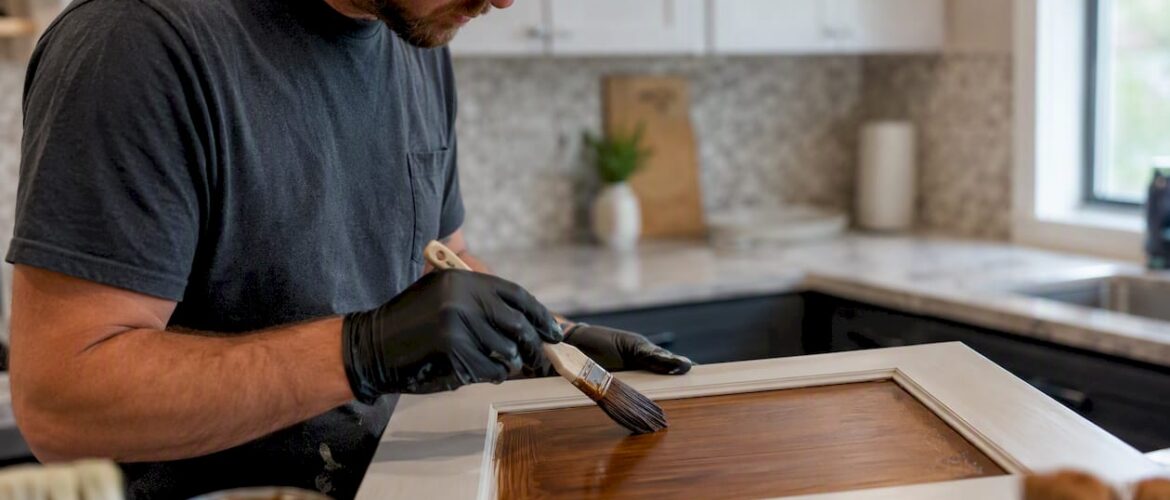
Professional cabinet glazing runs $1,200 to $3,500 for a standard kitchen, or roughly $9 to $25 per square foot, depending on cabinet count and prep work. Glazing costs more than a plain paint job because it adds an extra hand-applied layer and wipe-down step, but it delivers a custom, dimensional look you can’t get from flat color alone. If your budget is tight, DIY can knock this down to $200 to $600 in materials; if finish quality matters more than saving a weekend, hire a pro.
TL;DR:
- Labor accounts for the majority of cabinet glazing costs, with prep work such as stripping old paint or repairing damage significantly increasing the price.
- Glazing for a standard kitchen typically costs between $1,200 and $3,500, depending on cabinet size, complexity, and regional labor rates.
- Different glazing techniques, like antique or distressed finishes, can add $2 to $8 per square foot and may require more hand labor or specific skills.
- DIY glazing materials cost $200 to $600, but poor application can lead to higher professional correction costs, often exceeding the price of hiring a pro initially.
- An accurate quote requires detailed measurements, photos, and itemized estimates, with most professional jobs completed within 3 to 5 days.
Table of Contents
- How Much Does Cabinet Glazing Cost?
- What Factors Affect Cabinet Glazing Cost?
- What Are the Different Cabinet Glazing Options and Their Costs?
- Is DIY Cabinet Glazing Cheaper Than Hiring a Pro?
- How Long Does Cabinet Glazing Take?
- How Do You Get an Accurate Cabinet Glazing Quote?
- Why Professional Glazing Often Beats Replacement on Value
- What Actually Matters When Budgeting for Glazing
- Ready for an Itemized Cabinet Glazing Estimate?
- Sources
How Much Does Cabinet Glazing Cost?
Cabinet glazing prices are usually quoted two ways: by square foot and by whole-kitchen total. Neither number means much without the other, so here’s how they line up.
On a per-square-foot basis, glazing typically lands between $10 and $25, according to HomeGuide’s cabinet refinishing data. Homewyse’s cost calculator puts the national baseline slightly lower, at a similar range per square foot source, with the gap explained mostly by regional labor rates and how much prep the cabinets need before glaze goes on. “Square foot” here refers to the total door and drawer front surface area, not your kitchen’s floor space, which is why contractors often measure by linear foot of cabinetry and convert.
Translated into whole-kitchen jobs, the ranges break down roughly like this:
- Small kitchens (8 to 12 cabinet doors/drawers): often $800 to $1,500
- Standard kitchens (13 to 20 doors/drawers): typically $1,200 to $3,500, with Angi reporting an average near $1,800
- Large kitchens (21+ doors/drawers, islands, pantries): frequently $3,000 to $6,000 or more
A legitimate quote should include labor, glazing materials, masking and surface protection, a protective topcoat, and cleanup. If a bid skips any of those line items, ask why before you sign anything.
What Factors Affect Cabinet Glazing Cost?
Labor typically makes up a majority share of a refinishing quote source, which means the biggest cost swings come from anything that adds hours to the job rather than materials.
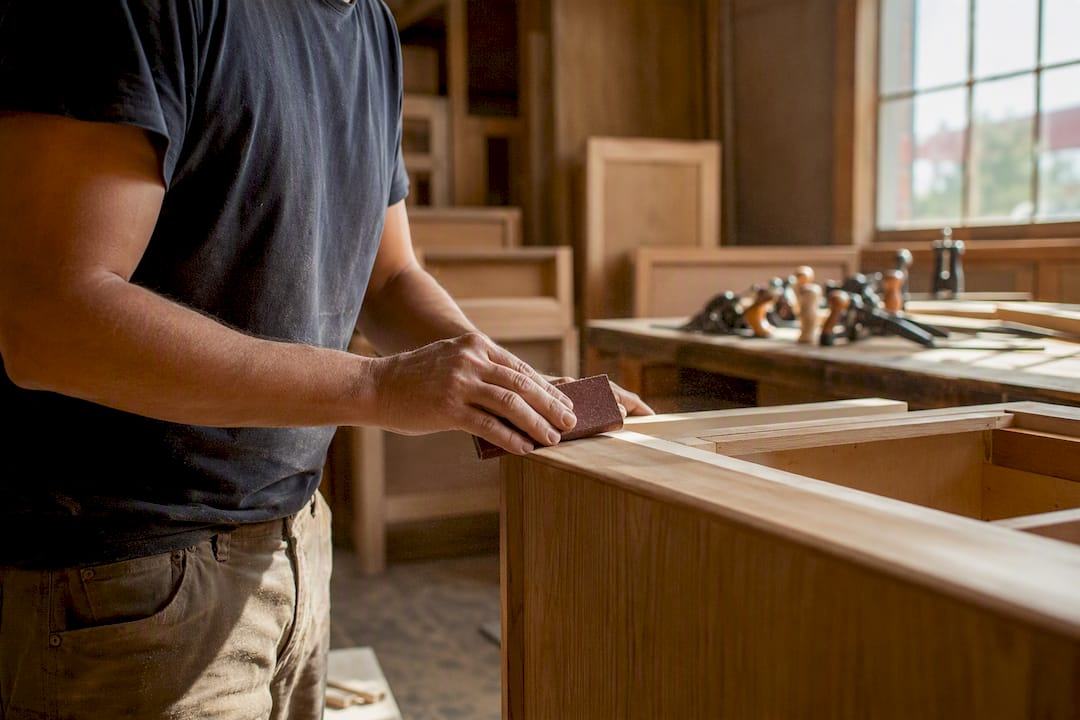
Prep work drives the largest variance. Cabinets with old paint that needs stripping, water damage, or loose joints that need repair can add several hundred dollars before glazing even starts. Design complexity matters too; in fact, interior doors add value similarly when considering door-style complexity and pricing for cabinet doors. Raised-panel or ornate doors take longer to glaze and wipe evenly than flat-slab doors, since every groove has to be worked by hand.
Other factors that move the price:
- New hardware, pulls, or hinges (added separately from glazing labor)
- Travel fees or minimum job charges for smaller projects
- Specialty finishes like metallic or two-tone glazing
- Regional labor rates, which can shift per-sqft pricing by several dollars
Permits are almost never required for cabinet glazing alone, but if it’s bundled into a larger kitchen remodel with electrical or plumbing changes, ask your contractor whether local permitting applies.
Pro Tip: Ask any contractor to separate “prep” from “glazing” on your written estimate. That single line item tells you whether your cabinets need extra work you didn’t budget for.
What Are the Different Cabinet Glazing Options and Their Costs?
Not all glazing looks cost the same, and the technique you pick changes both the price and how the finish ages.
- Brushed glazing: the most basic technique, close to base pricing, with glaze worked into grooves by brush and wiped back
- Antique glazing: adds $2 to $5 per square foot over a basic glaze for an aged, patina look
- Distressed glazing: combines physical distressing with glaze, often adding $3 to $6 per square foot due to extra hand labor
- Pinstripe/detail glazing: highlights panel edges with fine lines, a higher-skill technique that can add $4 to $8 per square foot
- Custom color glazing: color-matched glaze blends run near standard pricing but add cost if multiple test batches are needed
Distressed and antique finishes generally hold up well but can show wear at high-touch points like drawer edges, which means more frequent spot touch-ups down the road compared to a straightforward brushed glaze.
Is DIY Cabinet Glazing Cheaper Than Hiring a Pro?
On paper, yes. In practice, it depends on what you value more: dollars saved or finish quality.
- DIY materials and tools typically run $200 to $600, covering glaze, brushes, sandpaper, and topcoat for a standard kitchen. That price does not include your time, which for a full kitchen often means multiple weekends.
- Professional pricing for the same job lands in the $1,200 to $3,500 range, but you get factory-level consistency, faster completion, and often a workmanship warranty.
- Common DIY failure points include uneven glaze pooling in corners, visible brush strokes, and topcoat that peels within a year from skipped prep. Fixing a botched DIY glaze job can cost $500 to $1,500 in professional correction work, sometimes more than hiring a pro from the start.
If you’re set on doing it yourself, a DIY glazing technique guide walks through the steps that trip up most first-timers.
How Long Does Cabinet Glazing Take?
A standard whole-kitchen glazing job typically takes 3 to 5 days with a professional crew; larger kitchens or custom multi-step finishes can stretch to 7 to 10 days.
The stages that shape your schedule:
- Prep (day 1): cleaning, sanding, repairs, and masking
- Base coat and glaze application (days 2 to 3): applied and hand-wiped for the chosen effect
- Dry time and topcoat (day 3 to 4): glaze needs to cure before sealing
- Reinstall and final inspection (final day): doors and drawers rehung, hardware reattached
Many crews take doors off-site to spray in a controlled booth while cabinet boxes stay in place, which keeps your kitchen partially usable during the job. Ask upfront whether your contractor works this way or does everything on-site, since that affects how much of your kitchen is out of commission.
How Do You Get an Accurate Cabinet Glazing Quote?
Comparable quotes start with comparable information. Contractors need real measurements, not guesses, to price your job accurately.
- Provide linear footage, door and drawer counts, and photos showing current cabinet condition, including any damage or old paint layers.
- Ask about coats, products, and prep steps included in the price, plus whether the topcoat is sprayed or brushed.
- Request an itemized, written proposal rather than a single lump number. Homewyse’s cost guidance specifically flags itemization as the best defense against padded or vague estimates.
- Watch for red flags: one flat price regardless of cabinet count, no mention of warranty, or an inability to provide references from past jobs.
- Confirm payment structure before work starts. A deposit plus a final payment on completion is standard; full payment upfront is not.
Why Professional Glazing Often Beats Replacement on Value
Cabinetsrefinishing built its process around a factory-finish methodology: multiple protective coats applied in a controlled environment, which holds up better against kitchen humidity and daily wear than a rushed on-site job. That approach typically completes in 3 to 5 days, matching the industry-standard glazing timeline covered above.
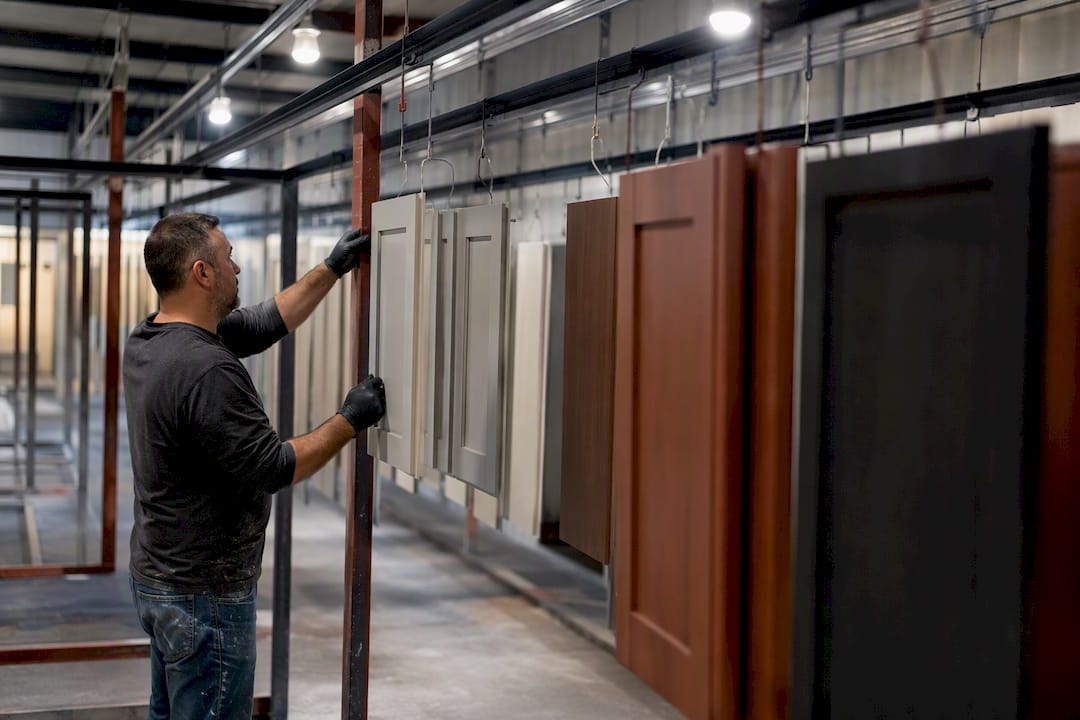
Full refinishing projects through Cabinetsrefinishing generally run several thousand dollars, compared to a much higher cost for cabinet replacement. When cabinet boxes are structurally sound and you just want a new look, glazing or refinishing is almost always the more practical call over tearing everything out.
What Actually Matters When Budgeting for Glazing
Most cost guides hand you a range and call it a day. That’s not enough. The real budgeting skill is knowing which line item in your specific kitchen will push you toward the low end or the high end of that $1,200 to $3,500 range, and prep condition is almost always the answer.
Conventional advice treats glazing style choice as the main decision. It isn’t. Whether your cabinets need stripping, repair, or heavy sanding before glaze ever touches wood determines more of your final bill than picking antique versus pinstripe. I’d tell any homeowner to get a contractor to physically inspect the cabinets before quoting, not just eyeball photos.
The other place people get it wrong is treating DIY as free. It’s not free, it’s deferred cost. A botched glaze job doesn’t just look bad, it often has to be professionally corrected, which can erase whatever you saved on materials. If your cabinets are in reasonable shape and you have the weekends, DIY glazing is legitimate. If they need real prep work, that’s exactly where professional labor earns its price.
— Jesse
Ready for an Itemized Cabinet Glazing Estimate?
Every quote from Cabinetsrefinishing breaks down labor, materials, prep, and topcoat separately, so you’re never guessing what you’re paying for. Most standard kitchens go from first inspection to a finished, factory-quality result in 3 to 5 days.

If your cabinets are structurally sound but tired-looking, glazing or a full refinish through Cabinetsrefinishing typically costs a fraction of replacement, without weeks of demolition or a gutted kitchen. Compare any itemized bid you receive against the checklist above, confirm the warranty terms and cleanup responsibilities in writing, then request your itemized cabinet refinishing estimate to see where your kitchen lands in the price range. Call or text 720-219-9716 to get a firm number based on your actual cabinet count and condition, not a generic national average.
Sources
- How Much Does It Cost to Glaze Cabinets? 2026 Data | Angi
- How Much Does It Cost to Refinish Cabinets? (2026) – HomeGuide
- Cost to Glaze Wood Cabinets – 2026 Cost Calculator (Customizable) | Homewyse
- Cabinet Refinishing Cost Calculator — 2026 Kitchen Estimator | UseCalcPro