
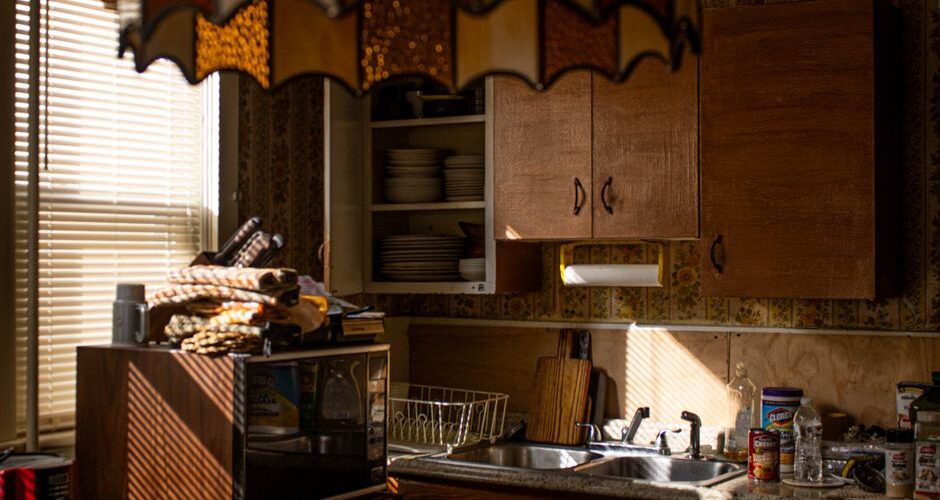
Replacing kitchen cabinets creates an immediate, practical problem that few people think about until demolition day: what happens to the old ones? Cabinets that have served the room for years suddenly become a stack of boxes and doors taking up space in the garage, and someone has to decide where they go.
The answer depends mostly on their condition and on how much effort the homeowner is willing to put into moving them along. A cabinet replacement rarely follows one single path. Some sets are sold, some are donated, some are cut apart and reused, and some end up at a waste facility. Here is how each route works and what to plan for.
Where Old Cabinets Usually End Up
Most old kitchen cabinets do not go straight into a dumpster. They get sorted, and the sort usually happens in stages as the removal progresses. Doors and drawers come off first, the boxes get detached from the wall, and somewhere in that process the homeowner figures out which pieces are still solid and which are falling apart.
Solid wood boxes in decent shape attract buyers and takers. Cabinets with water damage, swollen particleboard, or broken joints are harder to move and more often head for disposal. Homeowners on remodeling forums describe exactly this split, keeping the good pieces for resale or a second use and scrapping the rest.
Selling Old Kitchen Cabinets
Used cabinets have a real market. Another homeowner may be finishing a basement, outfitting a rental, or building a workshop, and a full set of kitchen cabinets at a fraction of new pricing is attractive. One widely shared account describes selling a set that “needed some love,” with the new owners touching them up and reconfiguring them for their own space.
Countertops can go the same direction. Selling used cabinets and granite together is a common approach, and it keeps usable building materials out of the landfill while putting some money back in the homeowner’s pocket.
Listing them takes preparation. Measure the width, height, and depth of each box, count the doors and drawers, photograph the interior and any damage honestly, and note the door style. A complete set with all its hardware sells faster than a partial one, and clear measurements save both parties a wasted trip.
Donating or Giving Cabinets Away
When speed matters more than money, giving the cabinets away is the simplest path. Homeowners routinely ask in neighborhood groups and community forums about old cabinets, and the responses usually come from neighbors who want them for a garage, a rental unit, or a renovation on a tight budget.
Donation works best when the cabinets come out intact rather than in pieces. Removing doors and drawers first makes the boxes lighter and easier to carry, and keeping the hardware bagged and labeled means the next owner can reassemble the set without hunting for parts.
What to have ready before you list or donate
A little prep shortens the time between “free to a good home” and a cleared driveway.
- Overall dimensions of each cabinet box, plus door and drawer counts
- Clear photos of the fronts, the interiors, and any damage
- Hardware, hinges, and shelf clips bagged and labeled
- A realistic removal date so pickups can be scheduled before demolition
- An honest note about condition, including any water damage or sticking doors

Upcycling Cabinet Doors and Boxes
Old cabinet doors are a favorite material for small projects. Common ideas include turning a door into a serving tray, building a new kitchen island worktop, making photo frames, and converting a door into a coat rack. Larger boxes get repurposed as shelving or storage elsewhere in the house.
Upcycling requires some work up front. A practical guide to the process starts with emptying out the contents and then sanding the surfaces down before any finish or paint goes on. The prep is what determines whether the finished piece looks intentional or just looks like an old cabinet door with a handle still attached.
Whole second-hand kitchens built from other people’s cabinets are also a thing. One DIY account describes assembling a cohesive kitchen from second-hand cabinets for nearly zero dollars, which kept perfectly good units out of the landfill and produced a look the owner described as creative and funky.
Reusing Cabinets Elsewhere in the House
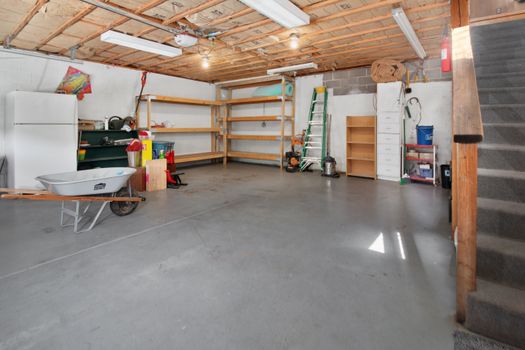
Not every old cabinet has to leave the property. Garage storage, laundry room shelving, basement workshops, and craft rooms are all common second homes for kitchen cabinets that are still structurally sound. Upper cabinets work well mounted above a workbench, and base units with drawers make a useful utility station.
There is also a middle path worth knowing about during a remodel. When the complaint is a dated look rather than a bad layout, rearranging and strategically altering the existing cabinets can be enough to change how the room feels, which means the old cabinets never become “old cabinets” at all.
Scrapping Cabinets Through a Waste Facility
Some cabinets genuinely are finished, and that leaves the question of disposal. Homeowners regularly ask whether old cabinets go in the regular garbage bins or need to go to a waste facility, and the honest answer is that it varies by municipality and by hauler.
Before hauling anything to the curb, confirm the local rules. Call the city or the waste hauler and ask about bulky item pickup, whether cabinet boxes need to be broken down, and whether construction debris is accepted in regular collection. Rules and fees differ from one place to the next, so verify with the relevant local authority rather than assuming.

Comparing the Disposal Routes
Each option asks something different of the homeowner, and most kitchens end up using more than one.
| Route | What it takes | Best for |
|---|---|---|
| Sell | Measure, photograph, list, coordinate pickup | Complete sets in decent shape |
| Donate or give away | Post locally, schedule a pickup | Usable cabinets and a tight timeline |
| Upcycle or repurpose | Sanding, prep, project work | Doors and single boxes worth saving |
| Reuse at home | Moving and remounting | Garage, laundry, workshop storage |
| Scrap | Confirm local rules, transport | Damaged or incomplete cabinets |
What Determines Whether Cabinets Get a Second Life
Condition drives almost everything. Solid boxes with square frames and working hinges find takers. Cabinets with swollen particleboard from a past leak, cracked face frames, or doors that no longer close properly are usually not worth the effort for anyone involved.
Completeness matters too. A full run of matching cabinets is far easier to move along than three orphan boxes with no doors. Timing is the third factor. Cabinets listed a few weeks before demolition have time to find a buyer. Cabinets listed the morning the installers arrive usually do not.
The Option Many Homeowners Skip: Keeping What You Have
Before any of this becomes necessary, it is worth asking whether the cabinets actually need to be replaced. Many kitchens that get torn out have boxes in perfectly good condition and a problem that lives entirely in the finish, the color, or the door style.
Cabinet refinishing addresses that problem without generating a pile of old cabinets at all. A spray-only process produces a smooth, factory-style finish rather than the textured look of a brush-and-roll paint job, and it works with color matching to major paint brands so the new finish fits the rest of the room. Cabinetsrefinishing.com serves Denver and surrounding suburbs with this approach, backed by a three-year warranty and decades of experience in the trade.
The practical advantage is simple. Refinishing skips removal, skips disposal, and skips the question of where the old cabinets go, because the cabinets stay bolted to the wall and come out of the process looking new. For homeowners weighing a full replacement against a refresh, that is often the difference between a multi-week demolition project and a finish that updates the kitchen in place.
How to Plan Removal So Less Gets Wasted
A little planning before demolition day keeps usable cabinets out of the trash and saves the homeowner a headache.
- Decide the route for each cabinet before the installers start, and label the ones being sold or donated.
- Photograph and measure everything while it is still mounted and easy to identify.
- Remove doors, drawers, and hardware carefully so the set stays complete and reusable.
- Bag hinges, pulls, and shelf clips and tape the bag to the matching cabinet.
- List or post the cabinets early enough that a pickup can happen before the new set arrives.
- Confirm local disposal rules for anything that cannot be sold, donated, or reused.
Handled this way, a cabinet replacement produces a few useful items for someone else and a much smaller pile at the curb. And if the cabinets turn out to be structurally fine with a finish that has simply gone out of style, refinishing them in place may be the best answer of all.
Frequently Asked Questions
Can I sell used kitchen cabinets?
Yes. Used cabinets and countertops are commonly sold to other homeowners, and doing so puts money back in your pocket while keeping usable building materials out of the landfill. Complete sets with matching doors and all their hardware are the easiest to sell. Measure each box, photograph the condition honestly, and list them well before your removal date so a buyer has time to arrange pickup.
Where can I donate old kitchen cabinets?
Neighborhood groups, community forums, and local donation outlets are the usual starting points. Homeowners frequently post old cabinets in community groups and hear from neighbors who want them for a garage, rental, or budget renovation. Remove the doors and drawers first to make the boxes easier to carry, and keep the hardware bagged and labeled so the next owner can reassemble the set.
Do old kitchen cabinets go in the regular trash?
That depends on your municipality and your waste hauler. Homeowners regularly ask whether old cabinets belong in the garbage bins or need to go to a waste facility, and the rules differ from place to place. Call your city or hauler before hauling anything to the curb, and ask specifically about bulky item pickup, whether boxes must be broken down, and whether construction debris is accepted.
What can I make from old cabinet doors?
Cabinet doors are popular upcycling material. Common projects include turning a door into a serving tray, using one as a new kitchen island worktop, making photo frames, and converting a door into a coat rack. Prep matters more than the idea: guides to the process start with emptying out the contents and then sanding the surfaces down before any new finish goes on.