
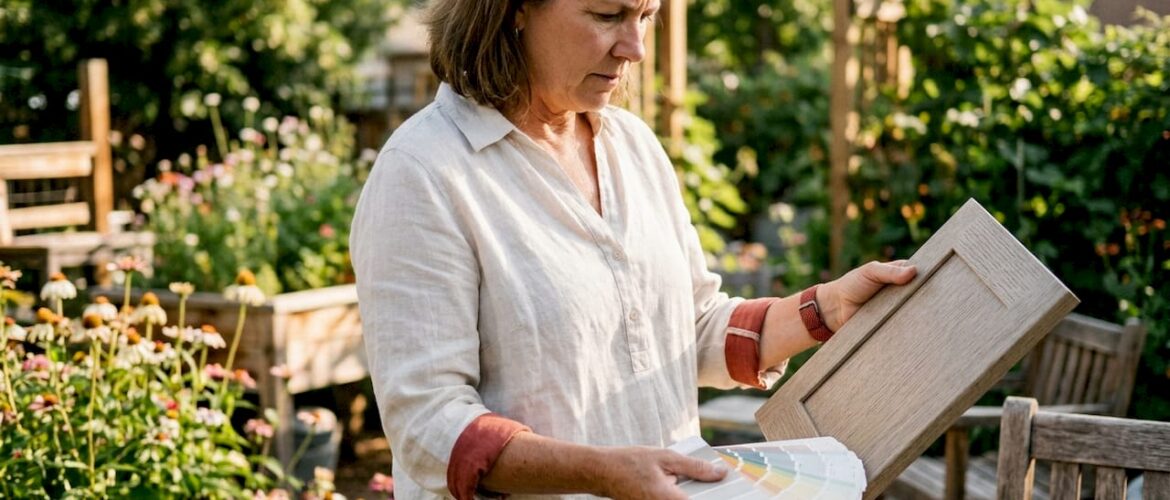
The best kitchen cabinet color trends for 2026 prioritize warmth and natural influences over the cool tones that dominated the past decade. Wood tones have overtaken white as the most popular cabinet finish for the first time in nine years, while green has emerged as the leading non-neutral color choice. If you are planning a kitchen renovation or refinishing project, these shifts matter. The colors you choose today will define how your kitchen feels for years to come, and the data behind these trends points clearly toward warmer, more personal spaces.
1. What are the top kitchen cabinet color trends for 2026?
Wood-toned cabinetry now leads the market, capturing 29% of renovating homeowners compared to 28% for white. That one-point gap is significant because it marks the first time in nine years that white has lost its top spot. The shift reflects a broader move toward kitchens that feel lived-in and warm rather than clinical and stark.
Green is the leading non-neutral color, with 60% of designers predicting it will dominate kitchen palettes this year. Two-tone configurations are also gaining ground fast, chosen by roughly 24% of homeowners. Together, these three directions define the core of what is trending in cabinet colors right now.
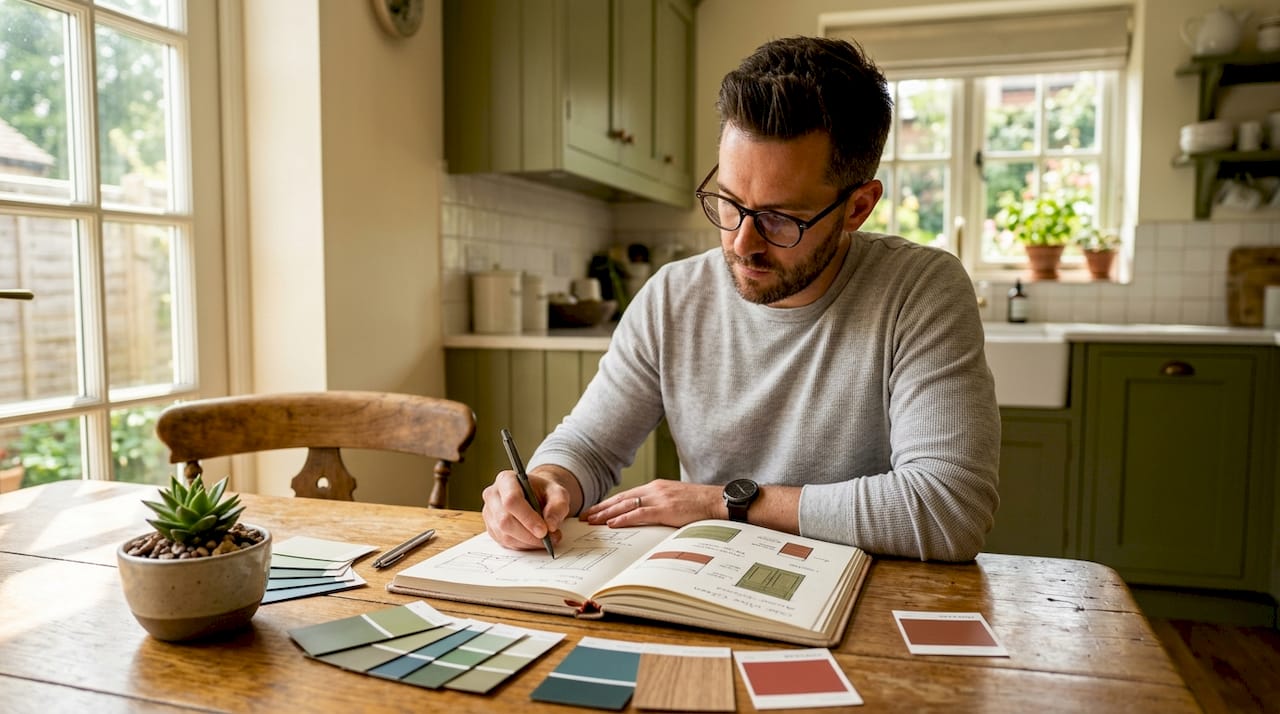
2. What are the top wood-toned cabinet colors trending in 2026?
Wood-toned cabinetry holds the top spot in 2026 because it delivers warmth, texture, and a connection to natural materials that painted finishes cannot replicate. The trend aligns directly with biophilic design principles, which favor natural elements that create calming, restorative spaces. Kitchens with wood-toned cabinets feel grounded and welcoming in a way that cool whites simply do not.
White oak leads the category. Light wood grain, especially white oak, accounts for 51% of wood cabinet specifications, favored for its aesthetic and durability. White oak offers a medium tone that resists showing wear while pairing well with a wide range of countertop materials, from quartz to butcher block.
Popular wood-toned finishes for 2026 include:
- White oak: Light to medium grain, works in both modern and transitional kitchens
- Walnut: Deeper, richer tone that adds sophistication to larger kitchens
- Cerused oak: A limed finish that lightens the grain for a coastal or Scandinavian feel
- Honey maple: Warm amber tones that complement cream and terracotta accents
- Driftwood gray-brown: A weathered finish that bridges wood and neutral palettes
Pro Tip: If your kitchen gets strong afternoon light, choose a medium wood tone like white oak rather than a very light or very dark finish. Strong light washes out pale woods and makes dark ones look uneven throughout the day.
3. Which green cabinet colors are setting trends in 2026?
Green has replaced gray as the new neutral for kitchen cabinets. Sage and olive green appear in 64% of green kitchen projects, making them the dominant shades within this category. These muted, earthy greens work because they read as neutral from a distance while adding far more depth and character than gray ever did.
The appeal of green goes beyond aesthetics. Muted greens complement natural materials like wood, stone, and linen, which makes them ideal partners for the wood-toned countertops and open shelving that are also trending. Green cabinets also photograph well, which matters to homeowners who want a kitchen that looks as good in photos as it does in person.
Top green shades gaining traction this year include:
- Sage green: Soft, gray-leaning green that works in small and large kitchens alike
- Olive green: Warmer and earthier, pairs well with brass hardware and walnut accents
- Forest green: Deeper and more dramatic, best used on lower cabinets or islands
- Eucalyptus: A blue-green hybrid that feels fresh without being cold
- Benjamin Moore Hunter Green: A classic deep green that reads as sophisticated rather than trendy
Pro Tip: Test your green paint sample under both natural daylight and your kitchen’s artificial lighting before committing. Green shifts dramatically between warm and cool light, and a sage that looks perfect in the morning can read almost blue by evening.
4. How popular are two-tone kitchen cabinet color combinations in 2026?
Two-tone cabinetry is chosen by approximately 24% of homeowners, and the approach has moved well beyond a passing trend. The logic is simple: two-tone designs let you use a bold color without overwhelming the entire kitchen. You get the visual interest of a statement shade while keeping the space balanced.
Placement follows a clear rule. Statement colors work best on lower cabinets or islands, with lighter hues on upper cabinets to avoid visual heaviness. Inverting this, placing dark colors on top and light on the bottom, makes kitchens feel top-heavy and crowded. The 57% of bold-color projects that place statement colors on islands confirm this approach as the industry standard.
Effective two-tone pairings for 2026:
- Navy lower cabinets + creamy white uppers: Classic and timeless, works in traditional and transitional kitchens
- Forest green island + white oak perimeter: Combines the two biggest trends of the year
- Charcoal lower cabinets + warm off-white uppers: Sophisticated without feeling cold
- Sage green lowers + natural wood uppers: A fully nature-inspired palette
- Oxblood island + warm gray perimeter: A bold, unexpected combination that photographs beautifully
For a deeper look at color combination strategies, the pairing principles above apply whether you are refinishing existing cabinets or starting fresh.
Pro Tip: Always pull your two-tone colors from the same temperature family. Mixing a warm lower cabinet color with a cool upper cabinet color creates visual tension that feels unresolved rather than intentional.
5. Which other standout cabinet colors and finishes are gaining popularity in 2026?
Warm neutrals are filling the gap left by cool gray. Shades like mushroom, taupe, and putty offer the same visual quietness as gray but with a softer, more inviting quality. These colors work particularly well in kitchens with warm-toned flooring or natural stone countertops, where cool gray would create an uncomfortable clash.
Warm, creamy whites with soft pink or yellow undertones are replacing the cool, bright whites that defined the 2010s. This shift creates kitchens that feel more lived-in and less like a showroom. The difference between a cool white and a creamy white is subtle in a paint chip but dramatic on a full set of cabinets.
Deep accent colors are also gaining ground, particularly for islands and lower cabinets:
- Burgundy: Rich and warm, pairs well with brass hardware and marble countertops
- Oxblood: A darker, more complex version of burgundy with red-brown depth
- Navy blue: Timeless and versatile, works in both traditional and contemporary kitchens
- Charcoal: A warm dark that offers the drama of black without the coldness
Dark blacks are declining in popularity because they feel cold and sterile. Designers now favor warm darks that offer depth and dimension. The distinction matters: a true black cabinet absorbs light and flattens a space, while charcoal or oxblood reflects warmth and creates visual interest.
Coordinating your cabinet colors with textiles and soft furnishings is also worth considering. Color harmony across kitchen textiles reinforces the overall palette and prevents the space from feeling disjointed.
6. What practical tips should homeowners consider when choosing cabinet colors?
Natural light is the single biggest factor in how a cabinet color reads in your kitchen. A north-facing kitchen with limited daylight will make cool colors feel even colder and dark colors feel oppressive. South-facing kitchens with strong light can handle deeper, richer tones without losing brightness.
Color drenching, which means applying the same color to cabinets, walls, and ceiling, is a bold technique that works well in kitchens with strong natural light. Color drenching demands careful lighting to avoid making the space feel cramped or dark. If your kitchen lacks good natural light, reserve color drenching for a single accent wall or the island rather than the full room.
Practical guidance for choosing your cabinet color:
- Test samples at full scale: Paint a 12-by-12-inch section and observe it at different times of day before deciding
- Match your hardware temperature: Warm cabinet colors pair with brass or bronze hardware; cool tones work with chrome or nickel
- Consider your countertop undertones: A green cabinet with a countertop that has pink undertones will clash; pull from the same color family
- Think about resale: Sage green, warm white, and wood tones all have broad appeal; very specific accent colors like oxblood carry more risk
- Factor in finish sheen: Satin and semi-gloss finishes show color more accurately and are easier to clean than flat finishes
Pro Tip: Before committing to a color, bring home a large paint chip and hold it against your countertop, floor, and hardware at the same time. Color relationships matter more than any single color in isolation.
The cabinet color selection process also involves choosing the right finish and preparation method, both of which affect how the final color looks and how long it lasts.
Key takeaways
The dominant kitchen cabinet color trends for 2026 center on wood tones, muted greens, and warm neutrals, all of which prioritize warmth and natural character over the cool minimalism of the previous decade.
| Point | Details |
|---|---|
| Wood tones lead the market | Wood-toned cabinets hold 29% market share, overtaking white for the first time in nine years. |
| Green is the new neutral | 60% of designers predict green dominates 2026, with sage and olive the top choices. |
| Two-tone placement matters | Place bold colors on lower cabinets or islands; lighter colors on upper cabinets prevent visual heaviness. |
| Warm whites replace cool whites | Creamy whites with pink or yellow undertones create more inviting kitchens than stark bright whites. |
| Warm darks beat true black | Burgundy, oxblood, and charcoal offer depth and warmth that flat black cannot deliver. |
What the 2026 color shift tells us about where kitchens are headed
The move toward warmer, more personal kitchens has been building for several years, but 2026 is the year it became undeniable. I have watched the design industry cycle through trends for a long time, and what strikes me about this moment is that it does not feel like a trend at all. It feels like a correction.
The cool white and gray kitchens that dominated the 2010s were beautiful in photographs but often uncomfortable to spend time in. They prioritized visual cleanliness over human warmth. The shift to wood tones, sage greens, and creamy whites is a direct response to that. Homeowners are choosing colors that make their kitchens feel like places they actually want to be.
The biophilic design influence is real and lasting. Colors that connect to the natural world, earthy greens, warm wood grains, terracotta accents, do not go out of style the way fashion-forward colors do. A kitchen with white oak cabinets and sage green accents will look current in 2030 in a way that an all-black kitchen simply will not.
My honest advice: choose a color you love in the warm-neutral or nature-inspired range, and do not chase the most extreme version of any trend. The homeowners I see most satisfied with their kitchens five years later are the ones who picked a slightly quieter version of what was trending, not the loudest one.
— Jesse
Cabinetsrefinishing can bring your 2026 color vision to life
Choosing the right color is only half the work. The finish quality determines whether that color looks like a professional result or a DIY project. Cabinetsrefinishing uses a factory-finish methodology with meticulous surface preparation and multiple protective layers to deliver a result that holds up to daily kitchen use.
Projects are completed in 3–5 days, and refinishing costs range from $3,000 to $8,000, compared to $15,000 to $40,000 for full cabinet replacement. If you are ready to apply one of 2026’s leading cabinet colors to your kitchen, professional cabinet refinishing in Denver gives you a durable, high-end result without the cost or disruption of a full remodel. Call or text 720-219-9716 to get started.
FAQ
What cabinet color is most popular in 2026?
Wood-toned cabinetry is the most popular cabinet finish in 2026, holding 29% market share and overtaking white for the first time in nine years, according to MasterBrand and Houzz data.
Is green a good color for kitchen cabinets in 2026?
Green is the leading non-neutral cabinet color in 2026, with sage and olive green specified in 64% of green kitchen projects. It pairs well with natural materials and works in a wide range of kitchen styles.
Are two-tone kitchen cabinets still trending in 2026?
Two-tone cabinets are chosen by approximately 24% of homeowners in 2026. The most successful approach places darker colors on lower cabinets or islands and lighter colors on upper cabinets.
Is white still a good choice for kitchen cabinets in 2026?
White remains popular but has shifted toward warmer, creamy versions with soft pink or yellow undertones. Cool, bright whites are declining because they create a sterile feel that most homeowners now want to avoid.
How much does it cost to refinish kitchen cabinets in a new color?
Professional cabinet refinishing typically costs $3,000 to $8,000, compared to $15,000 to $40,000 for full replacement. Cabinetsrefinishing completes most projects in 3–5 days with a factory-quality finish.
Recommended
- Kitchen Cabinet Color Trends 2026: Denver’s Guide to Modern Refinishing – Cabinet Refinishing and Cabinet Painting Denver 720-219-9716
- Kitchen Cabinet Color Trends Denver 2026: The Homeowner’s Guide to Modern Refinishing – Cabinet Refinishing and Cabinet Painting Denver 720-219-9716
- Cabinet Color Selection Refinishing Guide for 2026 – Cabinet Refinishing and Cabinet Painting Denver 720-219-9716
- Cabinet Color Combinations That Work: 2026 Guide – Cabinet Refinishing and Cabinet Painting Denver 720-219-9716