

Why cabinet painting in Denver suburbs is surging
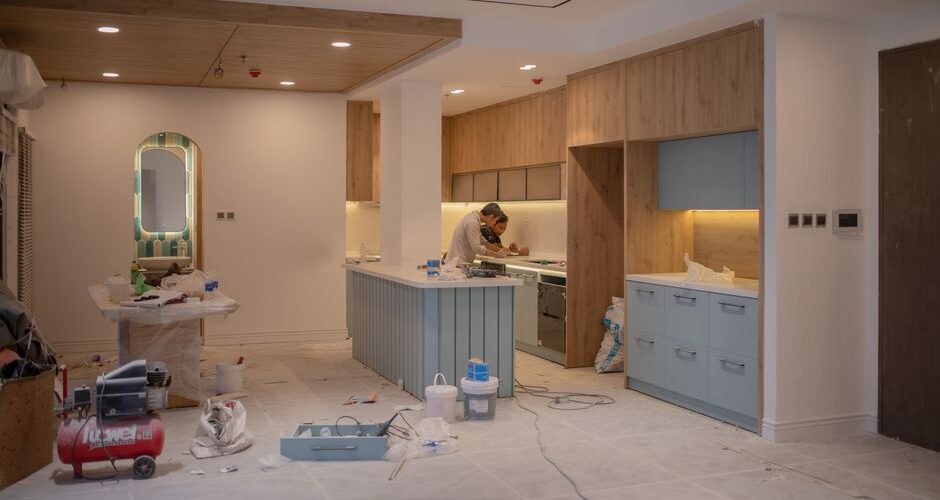
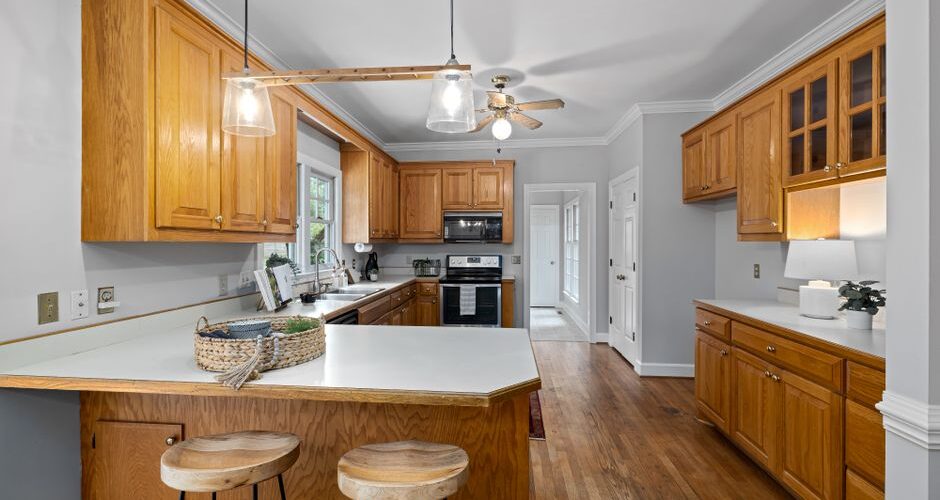
In the Denver suburbs, from Arvada and Golden to Highlands Ranch and Parker, homeowners and investors are rethinking full kitchen remodels. Labor costs are up, supply chains are unpredictable, and many older homes still have solid wood cabinets that are simply dated in color and style.
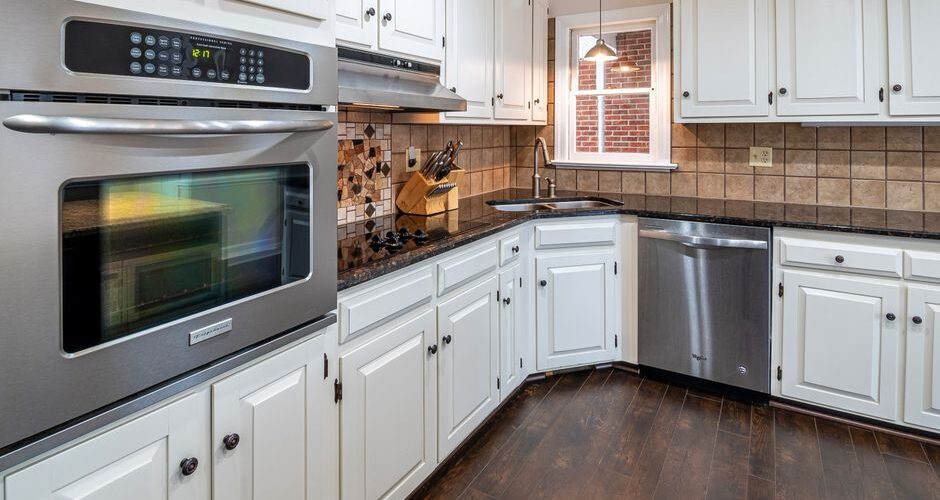
Cabinet painting and refinishing in Denver suburbs has become the smartest middle path. You keep your existing layout and cabinet boxes, but transform the look, feel, and even resale appeal of the kitchen or bath at a fraction of the cost and downtime of replacement.
<=”https://discover.hubpages.com/living/My-Review-of-Graco-FFLP-Tips-for-Spraying-Cabinets” target=”_blank” rel=”noopener”>My Review of Graco FFLP Tips for Spraying Cabinets
For homeowners, this means a high‑impact visual upgrade that fits real budgets. For real estate investors, flippers, and property managers, it means faster turns, modernized units, and stronger rent or sale prices without blowing the rehab budget.
This guide walks through costs, finishes, color choices, timelines, and how to choose the right professional specifically for Denver area conditions and property goals.
Why refinishing beats replacement in Denver suburbs
Cost and value compared to new cabinets
In the Denver metro area, full cabinet replacement for a typical 10×12 kitchen often runs:
| Option | Typical Denver suburbs range* | Notes |
|---|---|---|
| Big box stock cabinets | $12,000 – $18,000 | Basic layouts, lower material quality |
| Semi‑custom or custom cabinets | $20,000 – $40,000+ | Longer lead times, higher labor |
| Pro cabinet painting/refinishing | $3,000 – $8,000 | Depends on size, condition, finish |
*Excludes countertops, flooring, or layout changes.
Refinishing or painting typically comes in at 30 to 50 percent of the cost of replacement, but yields similar visual impact if your layout and boxes are sound.
Key Takeaway: If your cabinets are structurally solid, painting or refinishing usually delivers the highest return per dollar spent in a Denver kitchen or bath update.
Who benefits most
Cabinet painting and refinishing is ideal for:
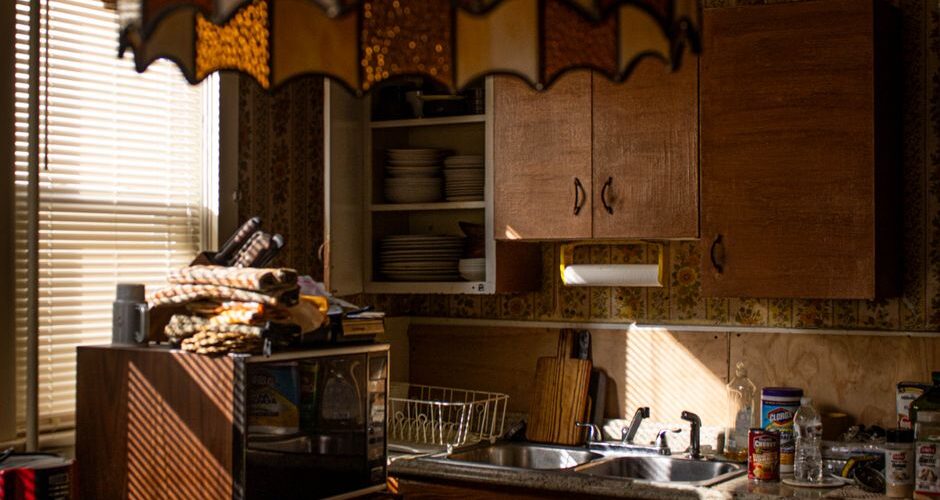
- Homeowners with oak or maple cabinets from the 1990s or 2000s that look dated but are still sturdy.
- Real estate investors updating rentals between tenants who need durable, cleanable finishes.
- House flippers who want a “model home” look without sinking $20k+ into cabinetry.
- Interior designers and stagers who must transform a space quickly before listing photos.
If your boxes are particle board and crumbling, or you want a totally different layout, replacement is better. Otherwise, painting and refinishing wins on cost, speed, and disruption.
Understanding cabinet painting vs refinishing vs refacing
These terms are often mixed up. For Denver area projects, it helps to be clear on options.
Cabinet painting
Cabinet painting involves:
- Cleaning and degreasing.
- Sanding or mechanical abrasion.
- Priming with an adhesion primer.
- Spraying or brushing a cabinet‑grade coating.
Painting is best when:
- You want a solid color, like white, greige, navy, or black.
- You have visible grain (like oak) and either accept some grain telegraphing or pair painting with grain‑filling.
Cabinet refinishing
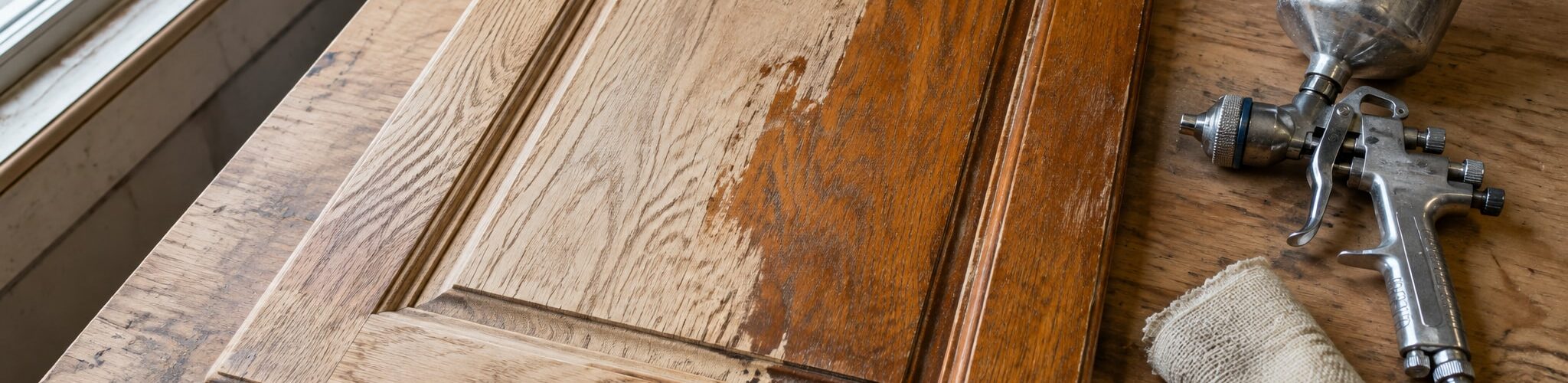
Refinishing typically means:
- Stripping or heavy sanding existing finish.
- Staining or toning to a new color, or clear‑coating to refresh.
- Applying durable clear topcoats.
Refinishing is ideal when:
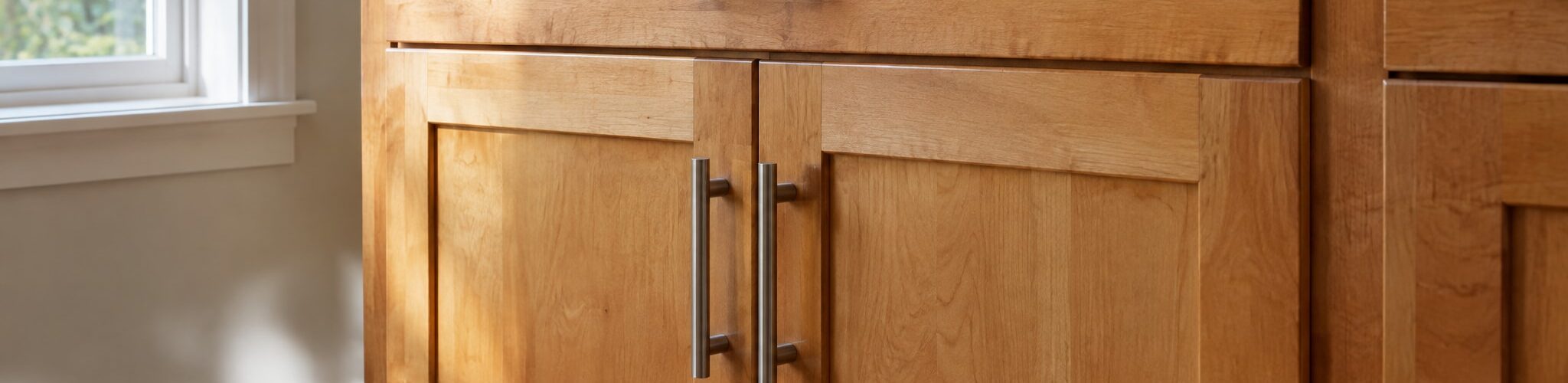
- You prefer natural wood tones.
- You have high quality wood cabinets you want to highlight.
- You are updating a higher‑end home where wood still markets well.
Cabinet refacing
Refacing is different. It usually includes:
- Leaving existing boxes in place.
- Adding new veneer to box faces.
- Installing new doors, drawer fronts, and sometimes hardware.
It costs more than painting, less than full replacement, and is useful when doors are damaged or very dated in profile, but boxes are good.
Pro Tip: When you contact a pro, specify whether you want painting, refinishing (stain), or full refacing so estimates are apples to apples.
For more detail on service differences in the Denver market, see Cabinet Refinishing Services Denver Co Cabinet Painting Services Denver Co Kitchen Cabinet Painting.
How Denver’s climate affects cabinet finishes
Denver’s high altitude, low humidity, and daily temperature swings put finishes under extra stress. This matters for durability and product choice.
Low humidity and wood movement
In suburbs like Littleton, Broomfield, and Thornton, indoor humidity often drops below 30 percent in winter. Wood shrinks, joints move, and any coating that is too brittle can crack along door joints.
Look for:
- Professional cabinet enamels or 2‑component products that remain flexible.
- Proper acclimation time if you replace doors or add new trim.
- Adequate cure time before heavy use.
Sun exposure and UV
Kitchens in south and west facing homes around Highlands Ranch, Castle Rock, and Lakewood see intense UV through windows. This can:
- Yellow cheaper topcoats.
- Fade darker colors over time.
- Unevenly change stain tone across different areas.
Solutions:
- Use non‑yellowing, UV‑resistant topcoats specified for cabinetry.
- Consider slightly warmer whites that age more gracefully than stark, bright whites.
- Use shades or UV film on large south‑facing windows if cabinets sit nearby.
Local products and VOC rules
Colorado has gradually tightened regulations on high VOC coatings. Professional Denver cabinet finishers commonly use:
- Waterborne 2K polyurethanes or polyacrylics with hardeners.
- Waterborne alkyd cabinet enamels that level like oil but cure harder and faster.
- Conversion varnishes for shop‑finished doors and drawer fronts.
A reputable pro should explain what they use and why it is appropriate for our climate.
Step‑by‑step process of professional cabinet painting
Understanding the process helps you judge quality when you compare bids.
Prep and protection
A typical Denver suburbs project for a mid‑size kitchen usually takes 4 to 6 working days:
- Site protection: Masking floors, counters, backsplashes, walls, and appliances. Creating plastic “spray booths” or zip walls to contain dust and overspray.
- Labeling: Numbering or labeling doors and drawers for accurate reassembly.
- Hardware removal: Pulling doors, drawer fronts, hinges, and pulls.
Poor masking is one of the top complaints homeowners have about low‑bid painters, so ask detailed questions about protection.
Cleaning, sanding, and repairs
Next, pros focus on adhesion:
- Degreasing: Heavy cleaning, especially around handles, stoves, and vent hoods.
- Sanding: Mechanical sanding to scuff existing finishes. Oak grain may be filled at this stage if a smooth look is desired.
- Repairs: Filling dings, soft‑closing hinge upgrades if requested, caulking seams where appropriate.
Priming and painting
Then comes the coatings:
- Priming: Stain‑blocking or bonding primers designed for glossy factory finishes.
- Sanding between coats: Light sanding for smoothness and adhesion.
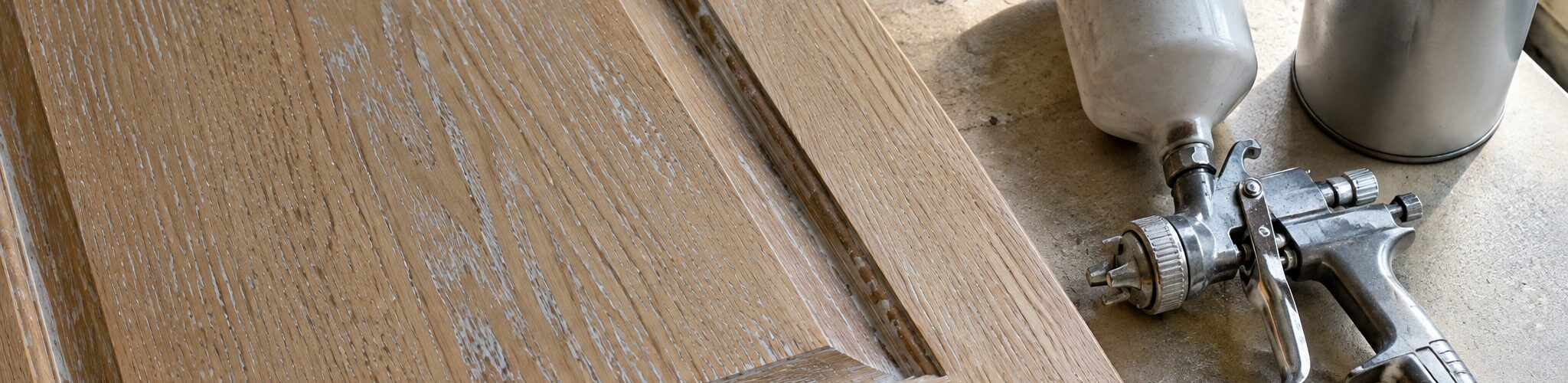
- Topcoats: Usually 2 to 3 coats of a cabinet‑grade enamel or 2K product, sprayed on doors and drawers, and either sprayed or carefully brushed/rolled on boxes.
Interior designers often prefer sprayed finishes since they look nearly factory‑made, especially when combined with updated hardware.
Reassembly and final walkthrough
- Curing: While many products are dry to the touch within hours, full cure may take 7 to 21 days. During this time, doors should be used gently.
- Reinstalling doors and drawers: Adjusting hinges so reveals are straight and gaps are even.
- Final punch list: Touch ups, hardware alignment, and cleanup.
[IMAGE: Close-up cinematic shot of a pro spraying cabinet doors in a plastic booth, with masked kitchen in background]
Color and finish choices that sell in Denver suburbs
Color trends in the Denver suburbs skew slightly different from coastal markets, since many buyers value warmth and mountain‑inspired palettes.
Popular colors for homeowners and flippers
Recent projects around Denver often favor:
- Warm whites and off‑whites: Great for listings in Arvada, Westminster, and Centennial since they photograph well and brighten smaller kitchens.
- Greige and taupe: Softer neutrals that pair well with existing tile and granite in 1990s and 2000s builds.
- Deep blues and greens: Used on islands or lower cabinets in higher‑end neighborhoods of Golden, Greenwood Village, and Lone Tree.
- Classic black: For modern, high contrast looks with light countertops and wood floors.
If you plan to sell in the next 2 to 3 years, stick to widely appealing neutrals for the main run of cabinets. Use bold colors only as accents.
Sheen and texture choices
For kitchen cabinets in the Denver market, pros typically recommend:
- Satin or low‑sheen finishes: Enough sheen for cleanability without highlighting every imperfection.
- Filled‑grain on oak: If you have heavy oak grain and want a smooth, “new cabinet” look, grain filling followed by painting can significantly elevate the result.
- Light distressing or glazing: More common in traditional or mountain‑style homes in areas like Evergreen or Castle Pines, but less common in suburban tract homes.
Important: Always test your chosen color in your actual kitchen lighting. Denver’s bright, high‑altitude sun can make whites look cooler and colors more intense than in the paint store.
For design‑driven examples and transformations, review Cabinet Refinishing And Cabinet Painting Denver Transforming Your Kitchen Space.
Timelines, disruption, and planning around tenants or families
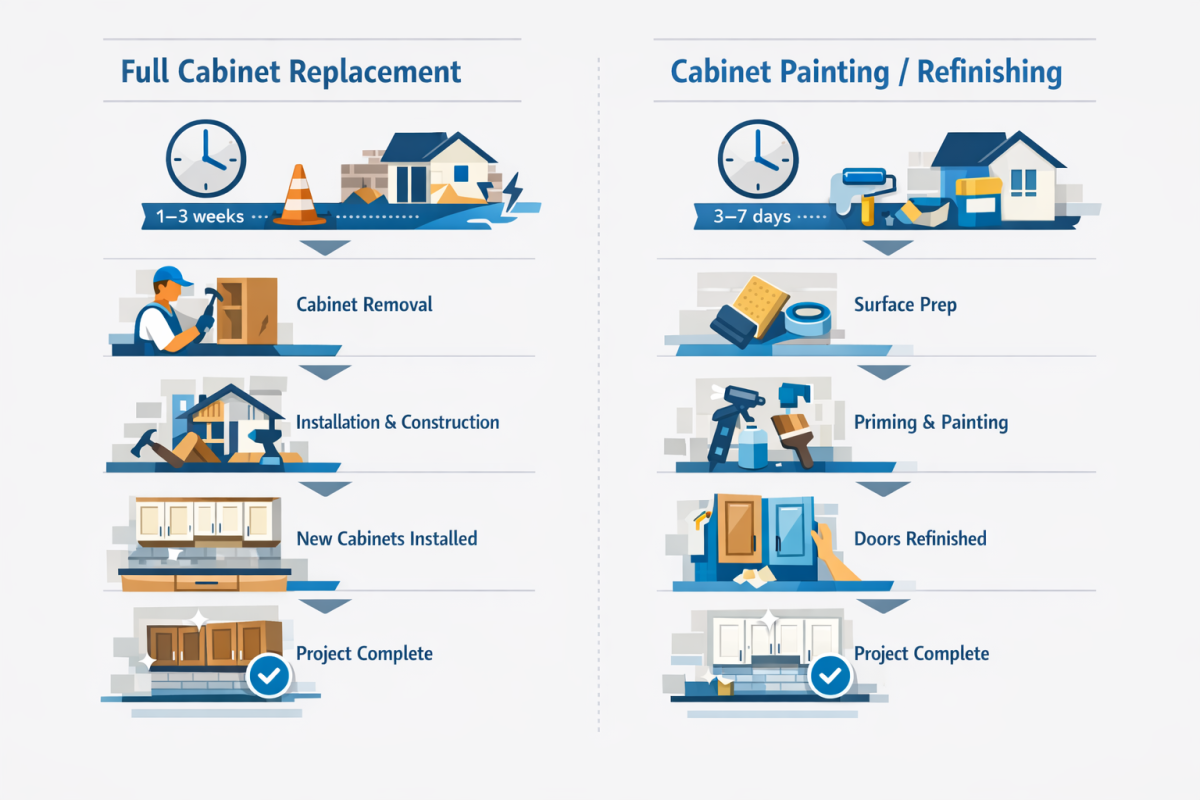
How long projects typically take
For a standard 30 to 40 door/drawer kitchen in suburbs like Aurora, Lakewood, or Parker:
- On‑site work: 4 to 6 working days, often split across 1 to 2 weeks.
- Cure time: Light use after a couple of days, but avoid heavy cleaning or slamming doors for 2 to 3 weeks.
Larger kitchens, bathrooms, and built‑ins can extend this by several days.
Living through the project
Homeowners should plan for:
- Limited kitchen use: You can usually still use appliances, but access may be restricted during certain days of spraying.
- Smell and noise: Modern waterborne products have lower odor, but ventilators and sanders create some noise and disruption.
- Pets and kids: Plan to keep them out of the work area to prevent accidents or contamination of the finish.
For landlords and property managers
For rentals in the Denver suburbs, cabinet painting can be timed between tenants:
- Turnaround: Many pros can complete cabinets during a standard 1 to 2 week turnover period, aligned with other trades.
- Coordination: Schedule after major drywall work, but before final cleaning and staging.
- Standard colors: Use the same cabinet color across multiple units to simplify touch ups and maintenance.
How to choose the right cabinet refinishing pro in Denver suburbs
Not all painting contractors specialize in cabinetry. The finish quality and longevity depend heavily on who you hire.
Questions to ask before you sign
Ask prospective contractors in areas like Arvada, Golden, or Littleton:
- How many cabinet projects have you completed in the last 12 months, specifically?
- What exact products do you use for primer and topcoat, and why?
- Do you spray doors and drawers off‑site, on‑site, or both?
- How do you handle masking and dust containment?
- What is your warranty on cabinet projects?
Compare their answers with best practices outlined in resources like Cabinet Refinishing Cabinet Painting Services Denver Co Golden Co Arvada Co Kitchen Cabinet Painting.
Red flags to avoid
Be cautious of:
- Quotes that are far below others, with vague details about products.
- Contractors who say cabinets can be “just rolled with wall paint.”
- Lack of photos of previous cabinet work.
- No dust control plan or vague promises like “we will be careful.”
Warning: Cutting corners on prep or product choice often leads to peeling, chipping, or sticky doors within months, which costs far more to fix than doing it right the first time.
When to DIY and when to hire a pro
When DIY might make sense
A DIY approach can work when:
- You are updating a small bathroom vanity or laundry room.
- The cabinets are in good shape and have a simple profile.
- You have a clean, heated garage for spraying doors and drawers.
- You are comfortable investing many evenings or weekends.
Even then, expect to spend hundreds on quality tools and coatings.
When professional help is the better investment
For most kitchens in the Denver suburbs, especially if you plan to sell or rent, a professional is usually the right call if:
- You need a factory‑like sprayed finish.
- Time is tight and you cannot have the kitchen disrupted for weeks.
- The property price point demands high‑end presentation.
- You are managing multiple units or projects simultaneously.
[IMAGE: Cinematic before‑and‑after split image of a dated oak Denver suburban kitchen vs. the same kitchen with freshly painted white cabinets and new hardware]
Get expert cabinet refinishing tailored to Denver suburbs
If you are considering cabinet painting and refinishing in Denver suburbs and want a result that stands up to Colorado’s climate and buyers’ expectations, working with a local specialist makes a measurable difference.
Cabinet Refinishing Denver focuses specifically on cabinet transformations across the Denver metro and surrounding suburbs. They use cabinet‑grade systems suited to Colorado’s dry air and strong sun, control dust and overspray carefully, and coordinate with your remodel or turnover schedule.
Whether you are a homeowner refreshing your forever kitchen, a flipper targeting a quick sale, or a property manager standardizing unit finishes, they can help you scope realistic options and budgets.
Learn more at Cabinet Refinishing Denver and request a project‑specific estimate: Learn more
Frequently Asked Questions
How much does cabinet painting cost in Denver suburbs?
Most homeowners in Denver suburbs pay between $3,000 and $8,000 for professional kitchen cabinet painting, depending on kitchen size, number of doors and drawers, existing finish, and whether grain filling or repairs are needed. Larger custom kitchens or projects that include built‑ins, islands, and bathrooms can reach $10,000 or more. This is still typically much less than replacing cabinets, which often runs $15,000 to $30,000 or higher.
How long will painted cabinets last in Denver’s climate?
With proper prep and cabinet‑grade coatings, painted cabinets in the Denver area commonly last 8 to 15 years before needing a refresh. Longevity depends on product selection, surface preparation, and day‑to‑day use. Homes with kids, pets, and heavy cooking may see more wear. Using mild cleaners, avoiding harsh scrubbing pads, and addressing minor chips quickly can significantly extend the life of the finish.
Can you paint over oak cabinets and hide the grain?
Yes, oak cabinets can be painted, and the grain can be minimized, but it requires extra steps. A standard paint‑only job will leave some grain texture visible. If you want a smooth, modern look, your contractor should apply a grain‑filling compound after sanding, then sand again before priming and painting. This adds cost and time but creates a much closer approximation to new, smooth‑faced cabinetry.
Is it better to paint or refinish cabinets for resale in Denver suburbs?
For most mid‑range suburban homes, painting cabinets in a neutral color provides the strongest resale impact relative to cost. Buyers often prioritize bright, updated kitchens with light cabinets and modern hardware. In higher‑end or custom homes with quality wood species, refinishing with updated stains can also be attractive. Your decision should consider neighborhood comparables, current cabinet condition, and whether your counters and floors lean modern or traditional.
How do I prepare my home before the cabinet painters arrive?
Before work starts, clear out cabinets and drawers as requested by your contractor, or at least remove items that could be affected by dust. Remove decorative items from countertops, open adjacent spaces for staging doors and drawers, and plan for limited kitchen use during work days. If you have pets or young children, arrange barriers or temporary areas away from the work zone. Clarify access times, parking, and any security details with the crew in advance.