
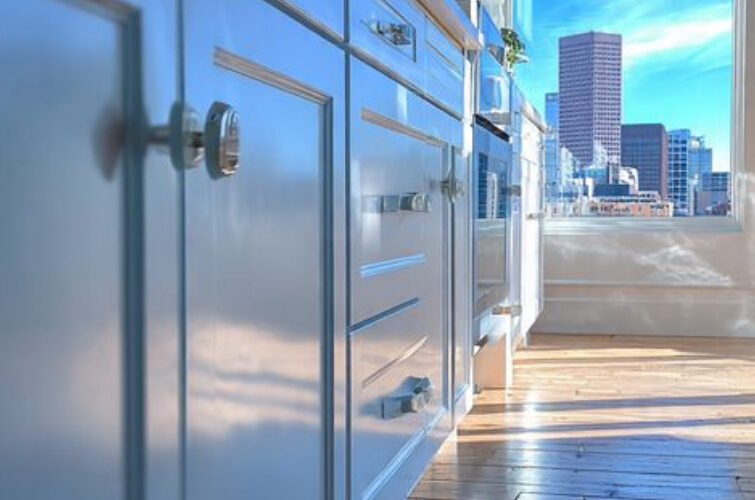
Why cabinet painters in Denver are in such high demand
For many Denver homeowners and investors, full kitchen remodels are no longer the default. Labor costs are high, permits add time, and tearing out cabinets can easily push projects past 40,000 dollars. That is why skilled cabinet painters in Denver have become one of the most cost‑effective ways to transform kitchens and baths without gutting the space.
If you own a Highlands bungalow, a Parker rental, or a multi‑unit in Lakewood, professionally painted or refinished cabinets can:
- Modernize dated oak or maple
- Boost resale or rental value
- Shorten days on market
- Avoid the disruption of full replacement
This guide walks through how Denver cabinet painting really works, what it costs, how to choose a contractor, and how strategies differ for homeowners, investors, designers, and property managers.
What professional cabinet painting in Denver actually includes
Most people think cabinet painting is just “scuff and paint.” A reputable Denver cabinet painter provides a much more involved process that directly affects durability, especially in our dry, high‑altitude climate.
Typical multi‑day process
A professional, production‑grade process usually includes:
My Review of Graco FFLP Tips for Spraying Cabinets
- Jobsite protection: Plastic off counters, floors, appliances, and adjacent rooms, plus dust control.
- Labeling and removal: Doors and drawers removed, labeled, and hardware stored separately.
- Cleaning and de‑greasing: Critical in kitchens where cooking oils are embedded.
- Sanding and de‑glossing: Mechanical scuff sanding or chemical de‑glosser so coatings bond.
- Repairs: Filling dings, nail holes, and minor grain cracks, caulking gaps at face frames.
- Priming: Bonding primer designed for lacquered or factory‑finished cabinets.
- Spraying or brushing: Sprayed finishes for doors and drawer fronts, often brush and roll on frames if space is tight.
- Curing and reassembly: Adequate dry time, then reinstall, adjust doors, and add hardware.
Key Takeaway: If a “cabinet painter” in Denver promises to finish your kitchen in a single day, you are almost certainly getting a wall‑paint process, not a cabinet‑grade finish.
For a deeper look at process and options, many Denver owners reference specialized services like Cabinet Refinishing Services Denver Co Cabinet Painting Services Denver Co Kitchen Cabinet Painting.
Cost of cabinet painters in Denver and what drives it
Most kitchens in the Denver metro fall between 3,000 and 8,500 dollars for professional cabinet painting or refinishing. Larger or more detailed sets can exceed 10,000 dollars. The range is wide because several specific factors drive pricing.
Key cost drivers
| Factor | How it affects cost in Denver |
|---|---|
| Number of doors and drawers | More pieces means more labor and materials |
| Current finish | Heavy grain oak or dark stain requires more prep and primer |
| Desired finish | Basic paint vs conversion varnish or sprayed lacquer |
| Color choice | Whites often need extra coats for full coverage |
| Layout and access | Islands, crown, wine racks, and built‑ins add complexity |
| Repairs and modifications | Filler, trim upgrades, new panels, and molding raise cost |
| Occupied vs vacant | Vacant rentals and flips are faster to protect and prep |
Typical Denver price ranges
- Small condo galley kitchen: 2,500 to 4,000 dollars
- Average family kitchen with island: 4,000 to 7,000 dollars
- Large custom kitchen with butler’s pantry: 7,000 to 12,000 dollars
- Add bathrooms and laundry: +600 to 2,000 dollars depending on size
For house flippers and buy‑and‑hold investors, these numbers are usually compared against the 18,000 to 25,000 dollars or more for full replacement with midrange cabinets. That gap is why services like Cabinet Refinishing And Cabinet Painting Denver The Key To A Faster Sale are so attractive when speed to market matters.
Choosing the right cabinet painters in Denver
Skill level varies a lot in the Denver market. Some “cabinet painters” are actually wall painters who also paint cabinets. Others are true refinishers with shop‑quality equipment and systems. Here is how to separate them.
Credentials and experience to look for
Ask about:
- Years specializing in cabinets, not just general painting
- Number of cabinet projects completed in the last 12 months
- Whether they spray, brush and roll, or both, and where they spray
- Familiarity with lacquer, pre‑cat lacquer, and conversion varnish, not just wall paint
- Insurance and, if applicable, license and lead‑safe certification for older homes
If you own in Golden, Arvada, or similar suburbs, regional experts that focus on these areas, such as Cabinet Refinishing Cabinet Painting Services Denver Co Golden Co Arvada Co Kitchen Cabinet Painting, may already know your builder’s cabinet types and common issues.
Questions to ask during estimates
Use your estimate meeting to qualify the contractor:
- “What exact products and primers will you use on my existing finish?”
- “How do you control dust and overspray in occupied homes?”
- “Can I see a project in my neighborhood or detailed before‑and‑after photos?”
- “What happens if doors stick or chip within the first year?”
- “Who will be on site each day and how will they access the property?”
Pro Tip: Ask them to walk you through, step by step, how they will prep and finish one door. Anyone who cannot describe the process clearly is not a process‑driven refinisher.
Best paint types and finishes for Denver’s climate
Denver’s dry air, strong sun, and wide temperature swings are tough on coatings. Choosing the right system is as important as choosing the right contractor.
Coating options commonly used on cabinets
| Finish type | Pros | Cons or cautions |
|---|---|---|
| Cabinet‑grade acrylic enamel | Good durability, water clean‑up, low odor | Less hard than lacquer in heavy rental use |
| Pre‑catalyzed lacquer | Very smooth, fast cure, factory‑like look | Requires good ventilation and sprayer skills |
| Conversion varnish | Extremely durable, chemical and moisture resistant | Higher cost, usually shop applied |
| 2‑part urethane systems | Maximum durability for demanding rentals | Complex, strong fumes, overkill for many homes |
For most Denver homeowners, high‑quality cabinet enamel or pre‑catalyzed lacquer provides the best balance of cost, durability, and appearance. In rough‑use rentals or Airbnbs, especially close to downtown where turnover is high, your painter may suggest more robust systems.
Sheen and color choices that work in Colorado homes
- Popular sheens: Satin or semi‑gloss, which balance washability and flaw hiding.
- Trending colors: Warm whites, soft grays, greige, and deeper blues or greens for islands.
- Lighting considerations: Denver’s strong natural light can make cool whites feel stark. Slightly warmer whites often photograph and show better.
Important: Ask your cabinet painter for sample doors in actual finishes, not just paint chips. Real samples show how the grain, sheen, and color will look in your own light.
[IMAGE: Close-up cinematic shot of a Denver kitchen cabinet door being sprayed with a fine finish in a controlled environment, with mountains faintly visible through a window]
Tailored strategies by property type and goal
Cabinet painting decisions should align with how you use the property and your return on investment goals. A Cherry Creek primary home, a Lakewood rental, and a Thornton flip each call for a different approach.
For homeowners updating a primary residence
Priorities:
- Long‑term durability and daily cleanability
- A finish that feels “factory,” not like wall paint
- Color choices that work with existing counters and floors
Recommended approach:
- Invest in thorough prep and higher‑end finishes.
- Consider soft‑close hinges and upgraded hardware while the doors are off.
- Plan for 4 to 7 workdays of partial kitchen disruption.
For real estate investors and house flippers
Priorities:
- Speed to market and visual impact in photos
- Neutral, widely appealing colors
- Maximizing perceived value per dollar spent
Recommended approach:
- Use consistent cabinet colors across your portfolio to simplify materials.
- Pair fresh cabinet colors with inexpensive but high‑impact updates like new pulls and modern lighting.
- Coordinate cabinet timing tightly with flooring and countertop installers to avoid work conflicts.
Cabinet painting is often featured in investor guides because it can help a property show like a higher price bracket, without the full cost of replacement, which is why resources like “Cabinet Refinishing And Cabinet Painting Denver The Key To A Faster Sale” are so widely referenced by Denver flippers.
For property managers and multi‑unit owners
Priorities:
- Durability across many tenants
- Standardization across units
- Minimal vacancy time during turns
Recommended approach:
- Choose one or two proven coating systems that your cabinet painters in Denver can repeat reliably.
- Ask about off‑site finishing, where doors are taken to a shop, to reduce time inside occupied buildings.
- Build cabinet repainting into scheduled refresh cycles instead of waiting for catastrophic wear.
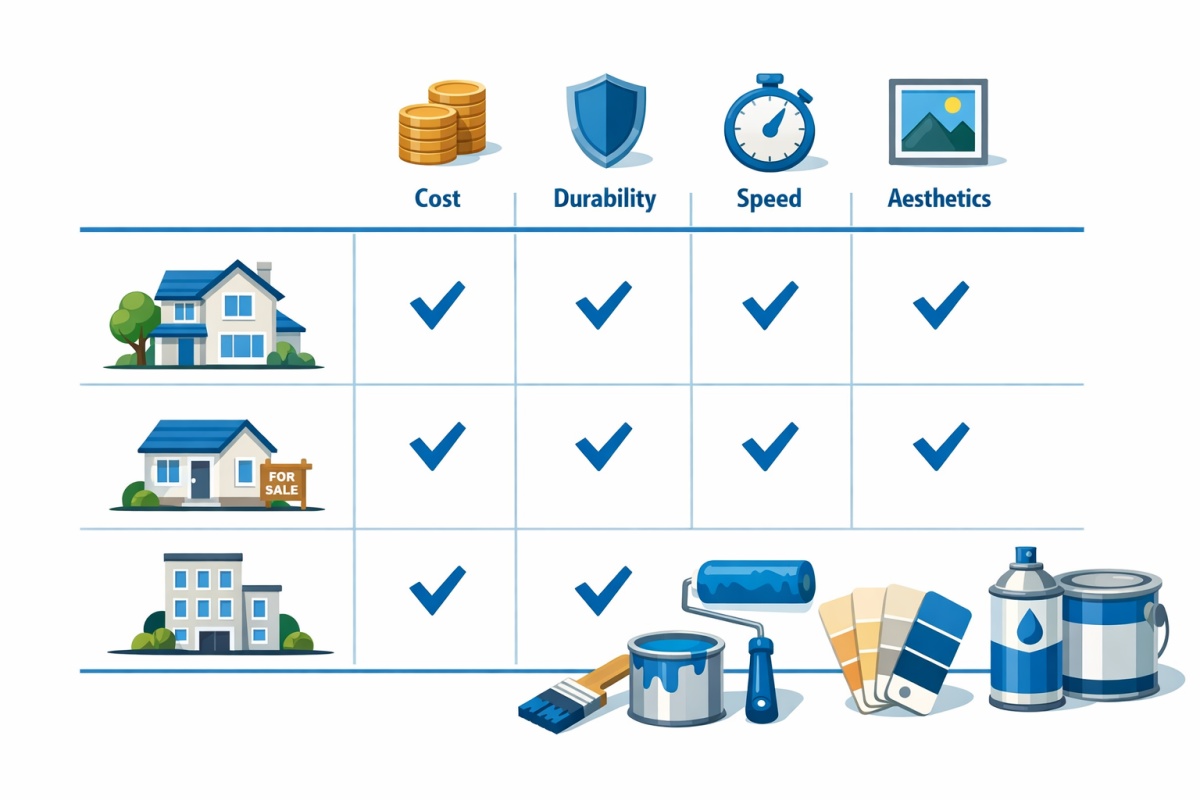
Timeline, disruption, and how to prepare your space
Even a well‑managed cabinet painting project will disrupt your kitchen or bath for several days. Planning ahead can make the process smoother for both you and your contractor.
Typical project timeline in Denver
For an average kitchen:
- Day 1: Protection, cleaning, labeling, door removal, and initial sanding.
- Days 2–3: Priming and spraying doors and drawers, plus frame prep and priming.
- Days 4–5: Finish coats on doors, drawers, and frames.
- Day 6: Curing, touch‑ups, and reassembly.
Vacant properties can go faster. Complex custom kitchens can take longer, especially if there are multiple bathrooms or built‑ins.
How to prepare as a homeowner or manager
Before your cabinet painters arrive:
- Empty cabinets, or at least clear lower shelves and anything fragile.
- Remove valuables, wall art, and window treatments near the work area.
- Plan for limited kitchen use: set up a temporary coffee station and microwave zone.
- Notify tenants in multi‑unit buildings of odors and access times.
Pro Tip: Ask your painter where they plan to set up their spray area. Good contractors will designate a ventilated zone or use a portable spray booth, which minimizes dust and overspray in the rest of the home.
[IMAGE: Cinematic wide shot of a Denver kitchen fully masked and prepped for cabinet painting, with plastic, tape, and a temporary spray booth visible]
When to choose refinishing instead of simple painting
Not all cabinets should just be “painted.” In many Denver homes, especially from the 1990s and early 2000s, cabinets are solid oak or maple with heavy grain and strong stain colors. In those cases, cabinet refinishing, sometimes with grain filling or toned lacquer, can produce a more upscale, furniture‑like result.
Signs your cabinets are good candidates for refinishing
- Solid wood doors, not laminate over particleboard
- Structurally sound boxes, with only cosmetic wear
- Desire to change stain color, not just paint over everything
- Interest in partial stain and paint combinations, such as painted bases and stained uppers
Refinishing often costs more than straightforward painting, but can still be significantly less than replacement. If you are targeting a high‑end look in neighborhoods like Wash Park, Hilltop, or Greenwood Village, explore specialized refinishing services such as Cabinet Refinishing Denver, which focus on this higher level of finish.
How Cabinet Refinishing Denver can support your project
If you are comparing cabinet painters in Denver and trying to decide between simple repainting and full refinishing, it helps to work with a company that handles both, at scale, in this specific market.
Cabinet Refinishing Denver focuses on:
- Detailed prep tailored to Denver’s dry climate and common cabinet types
- Multiple finish systems, from durable enamels to professional lacquer and refinishing
- Occupied homes, flips, and multi‑unit projects with tight schedules
Whether you are a homeowner aiming for a custom look, an investor trying to shorten days on market, or a property manager refreshing multiple units on a budget, their processes are designed to give you predictable results rather than surprises.
Learn more: Cabinet Refinishing Denver
Putting your cabinet project into motion
Once you understand the process, pricing, and finish options, the next step is simple: collect two or three bids from cabinet specialists, not general painters, then compare scope and systems in detail, not just price.
Ask each Denver cabinet painter to:
- Specify products, number of coats, and prep steps in writing
- Provide at least one recent client you can speak with
- Clarify warranty terms and what is considered normal wear
If you align your cabinet strategy with your property type and long‑term plans, cabinet painting or refinishing can give you a “new kitchen” look in days, not months, and at a fraction of full replacement cost.
Frequently Asked Questions
How long does cabinet paint last in Denver’s climate?
With proper prep and cabinet‑grade products, a professionally painted cabinet set in Denver should look good for 8 to 15 years in an owner‑occupied home. Heavy‑use rentals and Airbnbs may show wear sooner, especially around trash pull‑outs and sink bases. The key to longevity is bonding primer, thorough cleaning, and a hard finish coat, not just a wall paint applied over glossy factory finishes.
Is painting cabinets cheaper than replacing them in Denver?
For most kitchens, professional cabinet painting is significantly cheaper than replacing. Typical paint or refinish jobs run 3,000 to 8,500 dollars, while full replacement with midrange cabinets can easily exceed 18,000 to 25,000 dollars before considering new counters and backsplash. For investors and homeowners who like their layout and cabinet boxes, painting or refinishing usually offers the best cost‑to‑value ratio.
Can I stay in my home while cabinets are being painted?
Yes, nearly all cabinet painters in Denver are set up to work in occupied homes. You should expect 4 to 7 days of partial kitchen disruption, with masked‑off areas and limited access to some cabinets. Odor levels depend on the products used. If you are sensitive, ask your contractor about low‑VOC options and how they ventilate. Most families set up a temporary “mini kitchen” with a microwave and essentials.
What cabinet colors are best for resale in Denver?
For resale and rentals, neutral and light colors perform best. Warm whites, soft grays, and greige tones pair well with the granite and engineered stone commonly found in Denver‑area homes. Deeper blues or greens can work well on islands if the surrounding cabinets remain light. Extreme trends, such as very dark or highly saturated colors, can limit your buyer pool, especially in conservative suburban markets.
How do I know if my cabinets are good candidates for painting instead of replacing?
Cabinets are usually good candidates for painting if the boxes are solid, doors are not warped, and there is no significant water or structural damage. Even dated oak or orange‑stained maple can be transformed with modern finishes. If door styles are extremely ornate, or if many boxes are damaged, full replacement may be more cost‑effective. A qualified cabinet painter in Denver can evaluate this during an on‑site estimate.
Cabinet Painting Service Areas in Denver & Surrounding Cities, Cabinet Refinishing in Denver County