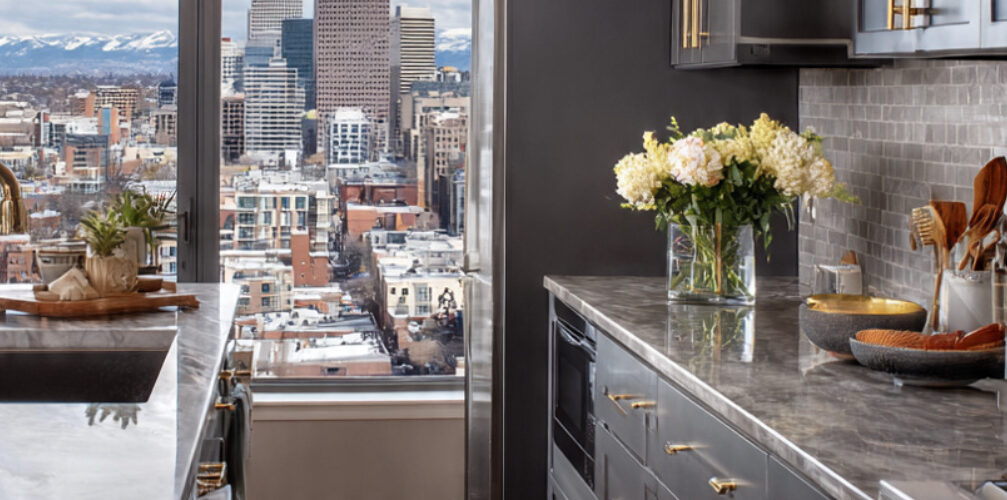
Why Denver’s Climate Changes How You Paint Cabinets
Choosing the best paint for kitchen cabinets in Denver is not just about color. The city’s high altitude, intense UV exposure, and dry indoor air change how paints cure, how long they last, and how they look over time.
Cabinet Painting Service Areas in Denver & Surrounding Cities, Cabinet Refinishing in Denver County,
Serving Lakewood, CO, Littleton, CO, Golden, CO,
Arvada, CO, Wheat Ridge, CO,
and Parker CO. Castle Pines CO. Englewood CO. Centennial CO.
Cabinet Painting in Arapahoe County, CO
Including Centennial, CO, Greenwood Village, CO,
Cherry Hills Village, CO, Englewood, CO,
and Aurora, CO.
Cabinet Painting in Adams County & Broomfield, CO
In Denver, you are dealing with:
- Very low humidity that can cause paints to dry too fast
- Big temperature swings between day and night
- Strong sunlight that can fade or yellow finishes
- Active kitchens in older and newer homes that need durable, scrubbable surfaces
If you pick the wrong product, cabinet doors can chip within months, seams can crack, and white finishes can yellow around stoves and windows. This guide explains which paint types and finishes actually perform best in Denver’s climate, how to prep correctly, and when it makes sense to call in a professional cabinet refinishing service in Denver.
Key Takeaway: In Denver, the “best paint” for kitchen cabinets is usually a high quality enamel or cabinet-specific coating that resists chipping, handles dry air, and tolerates strong sunlight without yellowing or fading.
What “Best Paint” Really Means For Denver Kitchen Cabinets
Before picking a brand name, it helps to define what success looks like in Denver’s specific conditions.
Performance criteria that matter in Denver
For most Denver homeowners, investors, and contractors, the best cabinet paint must:
- Resist chipping and scratching from kids, pets, rentals, and frequent use
- Hold up to dry air without shrinking or cracking along joints
- Cure properly at altitude despite faster surface drying
- Stay stable in UV so whites do not yellow and darker colors do not fade quickly
- Clean easily from cooking grease, fingerprints, and food splatters
- Look smooth and professional, even over older oak or maple grain
Why regular wall paint is a mistake
Standard interior wall paints are not engineered for cabinet-level abuse. In Denver’s climate, they:
- Dry too fast on the surface, which leads to poor adhesion and later peeling
- Stay softer under the surface, so they mark and chip easily
- Do not tolerate repeated cleaning with degreasers or scrubbing pads
Warning: If you are painting rental or flip property cabinets, wall paint might look fine for listing photos, but it often starts failing within 6 to 12 months in real-world use.
Best Paint Types For Kitchen Cabinets In Denver Climate
Different paint chemistries behave very differently in dry, high-altitude conditions. Below is how they compare specifically for Denver kitchens.
Comparison of cabinet paint options
| Paint Type | Pros in Denver Climate | Cons / Risks | Best Use Cases |
|---|---|---|---|
| Waterborne alkyd enamel | Hard, durable, low odor, better leveling and cure | Requires careful prep, mid to high price | Owner-occupied homes, mid to high end flips |
| Acrylic urethane cabinet coatings | Excellent hardness and chemical resistance, flexible | Typically pro-grade, learning curve, higher cost | Long term rentals, high use family kitchens |
| High quality acrylic enamel | Good durability, easy to work with, low VOC | Slightly softer than alkyd hybrids, precise prep req. | Budget minded upgrades, condos, light duty |
| Oil based enamel | Very hard, classic finish | Yellows, higher VOCs, slower drying, restricted use | Rarely recommended in Denver for kitchens |
Expert Insight: For most Denver projects, a waterborne alkyd enamel or a pro grade acrylic urethane cabinet coating is the best balance of toughness, appearance, and indoor air safety.
Why waterborne alkyd enamels work well in Denver
Waterborne alkyds combine oil like hardness with water based cleanup. In dry Denver conditions they:
- Cure more completely than regular acrylics, which reduces blocking and tackiness
- Stand up to repeated cleaning and occasional impact better than wall paints
- Level out better, which hides brush and roller marks
Brands marketed as “cabinet and trim enamel” or “urethane-alkyd enamel” usually fall into this category.
Choosing The Right Sheen And Color For Denver Kitchens
Even with the right chemistry, sheen and color choices affect how long your cabinets look good, especially in sunny, dry climates.
Best sheens for Denver kitchen cabinets
- Satin: Most popular choice. It hides minor imperfections, cleans well, and does not highlight every grain line in older oak cabinets.
- Semi gloss: Higher durability and wipeability, but it will emphasize grain, patches, and any prep flaws. Good for newer, flat panel doors.
- Matte or flat: Generally a poor choice for cabinets. They scuff easily and hold onto grease and dirt.
Pro Tip: In Denver’s bright light, semi gloss can look very shiny, especially on upper cabinets near windows. Satin often gives a more modern, forgiving appearance.
Color considerations in a high UV environment
- Pure whites: Beautiful, but susceptible to yellowing near stoves and windows if paired with the wrong primer or if oil based products are used underneath. Use high quality, non yellowing primers and topcoats.
- Off whites and warm grays: More forgiving to slight yellowing and dust. Excellent for rentals and flips in the Denver metro.
- Dark blues, greens, and charcoals: On trend and dramatic, but show dust and wear faster. Use top tier cabinet coatings and very thorough prep.
- Stain blocking: In older Denver homes, tannins from oak or knots can bleed through lighter colors unless you use a proper bonding and stain blocking primer.
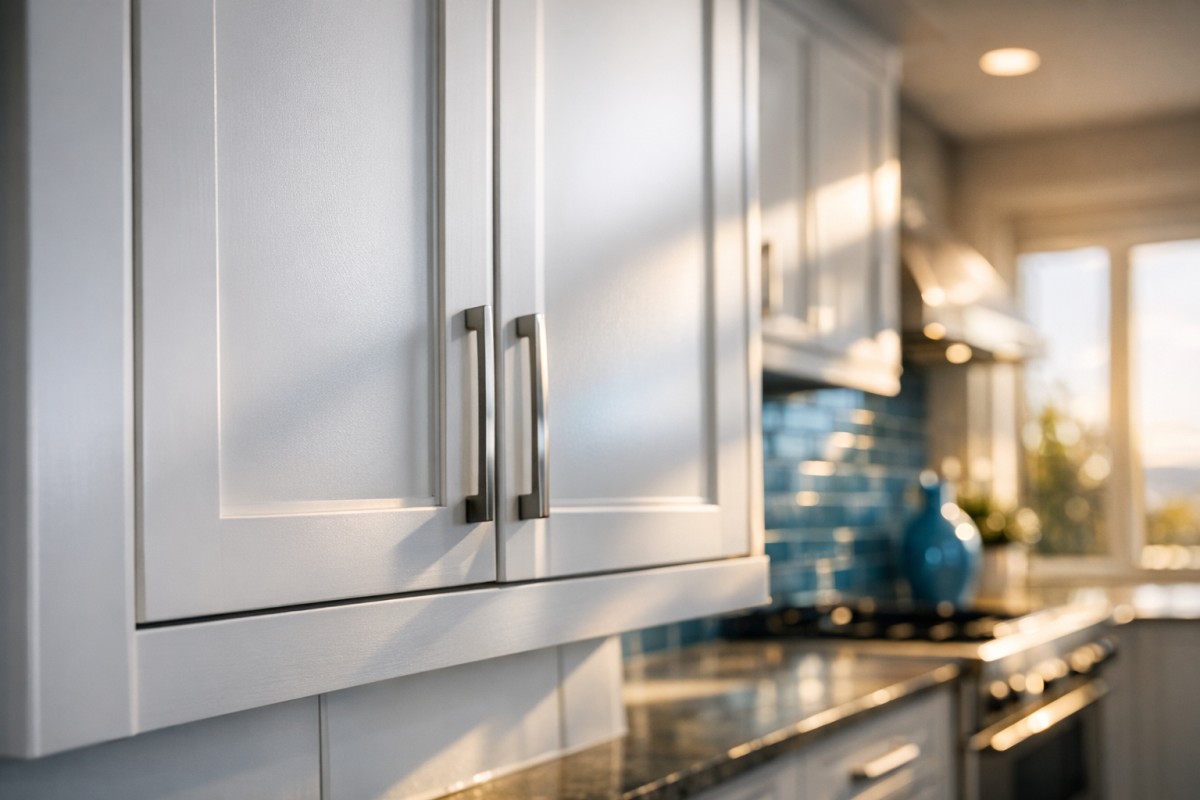
Critical Prep Steps For Denver’s Dry, High Altitude Conditions
Even the best paint will fail if surface preparation does not account for Denver’s unique environment.
Clean and de-grease thoroughly
Denver kitchens tend to have forced air heating and, often, gas ranges. Both increase airborne grease and dust. Before any sanding or priming:
- Wash all surfaces with a degreaser or TSP substitute
- Rinse with clean water and allow full drying
- Pay extra attention to handles, edges, and areas above stoves and microwaves
Sanding and de-glossing in dry air
In low humidity, sanding dust becomes very fine and airborne:
- Use a vacuum attached sander where possible
- Scuff sand all surfaces to dull existing finishes, especially factory lacquers
- Wipe with a tack cloth or microfiber dampened with denatured alcohol
This creates a micro profile that bonding primers can grip, which is non negotiable for cabinet durability.
Priming for bond and stain blocking
In Denver, choose your primer with as much care as your topcoat:
- Use a bonding primer designed for slick surfaces like factory finished cabinets
- If you see heavy grain, knots, or orange tinting from oak, use a stain blocking primer that resists tannin bleed
- In especially dry conditions, avoid working near active furnace vents or open windows that accelerate drying too much while you are brushing or rolling
Key Takeaway: In Denver, the prep sequence should be: deep degrease, thorough sanding, dust removal, bonding and stain blocking primer, then 2 or more coats of high quality cabinet paint.
For a detailed look at professional level prep, see this guide on updating your kitchen cabinets with cabinet refinishing and cabinet painting in Denver.
Application Techniques That Work Best In Denver Climate
How you apply the paint can matter as much as the product itself, especially when dry air causes paints to skin over quickly.
Managing dry time and curing at altitude
In Denver, paints can:
- Create a dry skin on top while remaining soft underneath
- Lose open time, which makes it hard to keep a wet edge
To counter this:
- Work in smaller sections, for example one side of a door at a time
- Avoid painting in direct sunlight or near active heat sources
- Use manufacturer recommended extenders or conditioners, if allowed, which help maintain a workable open time
Brush, roller, or spray
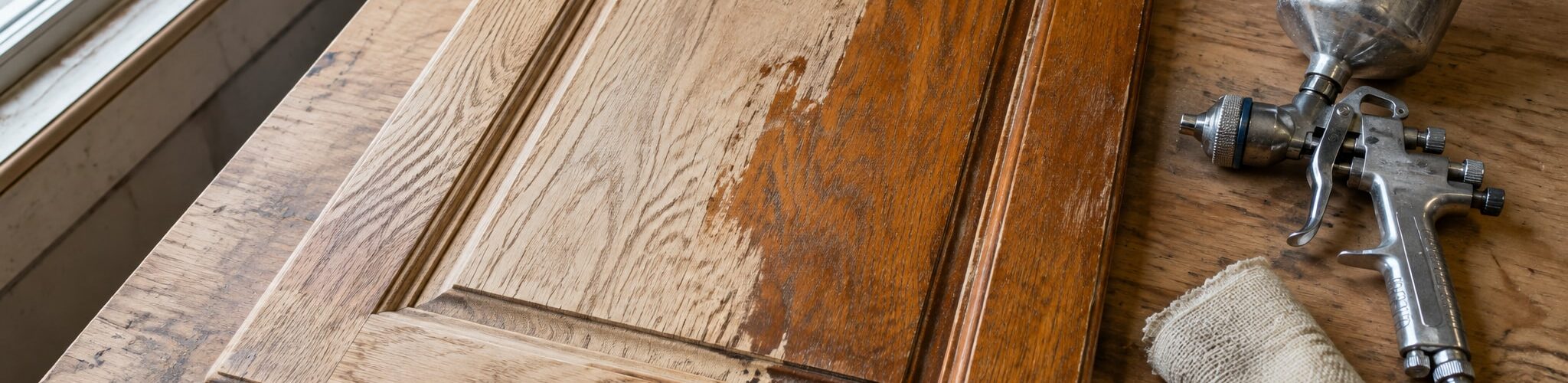
- Spraying gives the smoothest factory like finish, but it requires masking, equipment, and experience. Best for pros and serious DIYers.
- Brush and foam roller combo works well for most homeowners. Use a high quality synthetic brush and a fine foam or microfiber roller labeled for enamels.
- Hybrid approach: Spraying doors in a garage or shop while brushing frames in place is common in Denver homes and rentals.
Real-World Example: Many Denver contractors remove doors and spray them off site, since garages stay dry and ventilated. Frames and boxes are then brushed and rolled on site, which limits disruption for homeowners or tenants.
Number of coats for durable coverage
For most cabinet jobs in Denver:
- 1 coat of bonding and stain blocking primer
- 2 coats of your chosen cabinet paint, with light sanding between coats
Deep colors may need a third coat for even coverage, especially over white primers.
Special Considerations For Rentals, Flips, And High Use Kitchens
The “best” cabinet paint can vary slightly depending on how the kitchen will be used in the Denver area.
Owner occupied homes in Denver metro
Priorities:
- Long term durability
- Refined, smooth finish
- Ability to touch up small areas over time
Recommended:
- Waterborne alkyd enamel or acrylic urethane cabinet coating in satin
- Neutral but modern colors that work with Denver’s natural light
Rental properties and multifamily units
Priorities:
- Resistance to abuse from tenants
- Easy cleaning between leases
- Practical touch up options without repainting entire doors
Recommended:
- High quality acrylic enamel or acrylic urethane in satin or low semi gloss
- Off whites or mid tone grays that hide minor dings and stains
Fix and flip projects
Priorities:
- Fast turnaround
- High visual impact for listing photos and showings
- Reasonable durability to get past inspection and sale
Recommended:
- Pro grade waterborne alkyd enamel
- Trendy yet broadly appealing colors like warm whites, greige, or muted navy islands
If you are weighing DIY versus professional help for rentals or flips, review this resource on cabinet refinishing in Denver and painting kitchen cabinets in Denver.
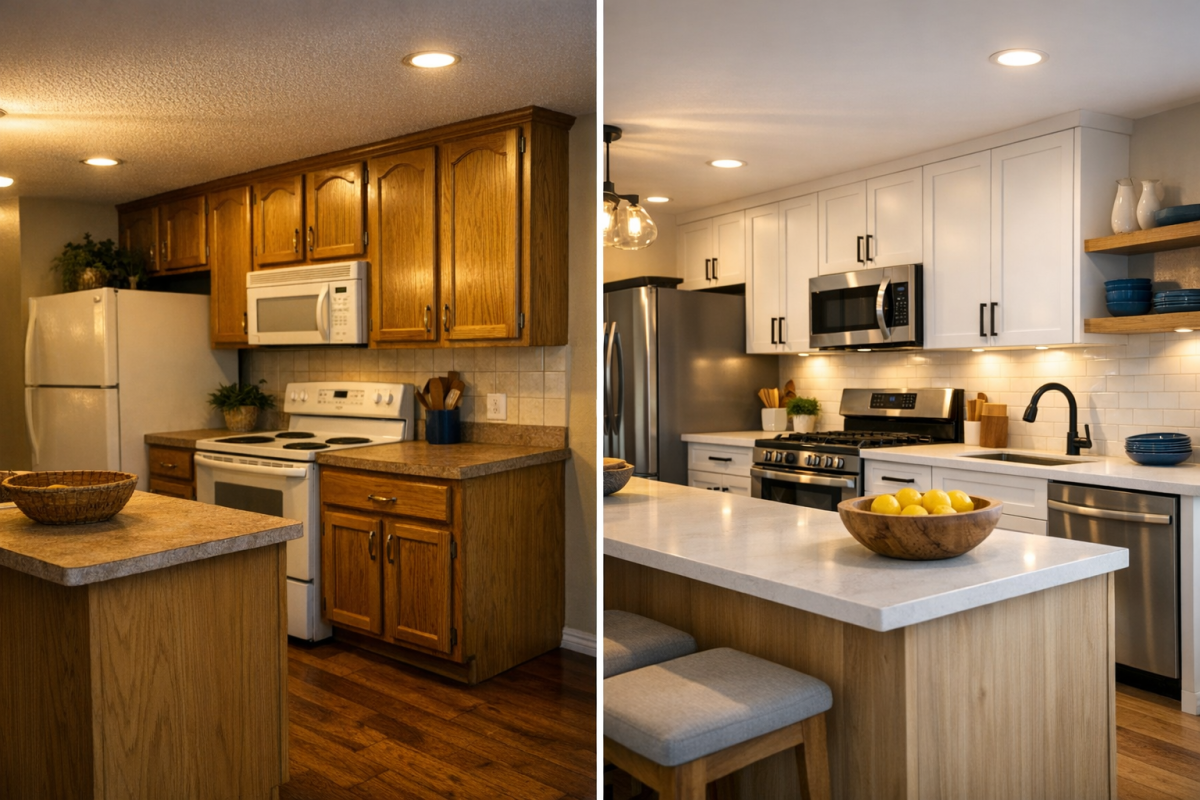
Visual Guide To The Ideal Denver Cabinet Painting System
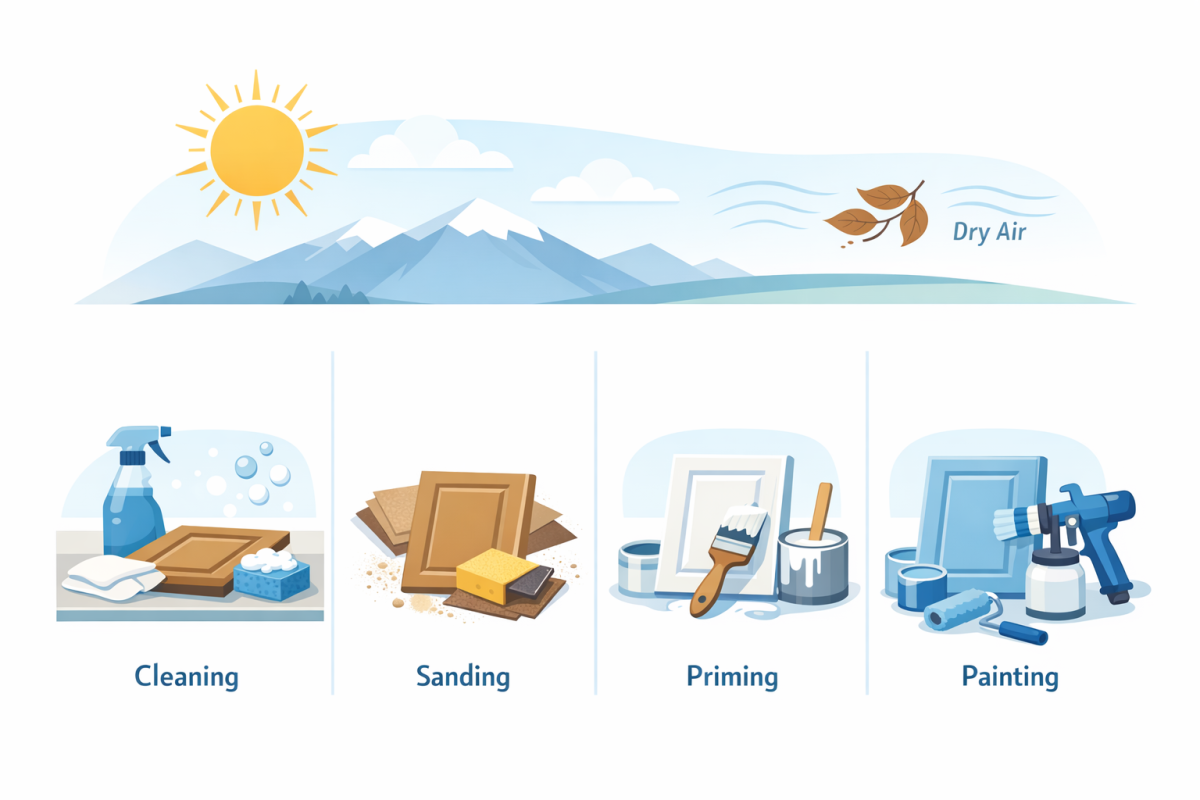
Key Takeaway: The best results in Denver come from treating cabinet painting as a system: climate aware prep, bonding and stain blocking primer, and a cabinet grade enamel applied in controlled conditions.
When To Hire A Pro: Cabinet Refinishing Denver
High altitude, dry air, and Denver’s strong UV make kitchen cabinet painting less forgiving than many homeowners expect. If you want a factory smooth finish, limited kitchen downtime, and products that stand up to years of use, partnering with a specialist can be cost effective.
Cabinet Refinishing Denver focuses specifically on kitchen cabinet refinishing and painting in the Denver metro area. A professional team can:
- Recommend the best cabinet grade coatings for your specific home and exposure
- Control temperature, humidity, and dust for a smoother, more durable finish
- Handle door removal, spraying, and reinstallation with minimal disruption
- Advise on color and sheen that will look good in Denver light and wear well over time
If you are planning a remodel, updating a rental, or prepping a flip, visit Cabinet Refinishing Denver to explore options and see project examples. Learn more about how a tailored refinishing system can extend the life and appearance of your cabinets in Denver’s challenging climate.
Frequently Asked Questions
What is the single best type of paint for kitchen cabinets in Denver?
For most situations, a high quality waterborne alkyd enamel is the best all around choice for Denver kitchen cabinets. It combines the hardness of traditional oil with the low odor and easier cleanup of water based products. It also cures more reliably in Denver’s dry air and resists chipping, blocking, and frequent cleaning better than standard acrylic wall paints.
Will white cabinet paint yellow faster in Denver’s sunny climate?
White paints can yellow over time, but the main causes are oil based products and low quality clear coats, not sunlight alone. In Denver, choose a non yellowing waterborne primer and a premium cabinet enamel formulated for light stability. Avoid oil based undercoats when possible. Slight warming near stoves and windows can still occur, but good products minimize visible yellowing.
How long does cabinet paint take to cure in Denver’s dry air?
Surface dry time may be fast, sometimes within an hour, but full cure usually takes 21 to 30 days, even in Denver. You can reinstall doors and use the kitchen gently within a few days, but avoid heavy cleaning, harsh chemicals, or slamming doors until the paint has fully hardened. Follow the manufacturer’s cure time recommendations for best durability.
Can I use regular interior wall paint on my kitchen cabinets?
You can, but it is rarely a good idea in Denver’s climate. Wall paints are formulated for broad, less abused surfaces and will typically chip, scratch, and stain more easily on cabinets. In dry air, they also tend to form a weaker bond if prep is imperfect. For cabinets, always choose a product specifically marketed as trim, enamel, or cabinet paint.
Do I really need a bonding primer if my cabinets are already painted?
Yes, in almost all cases. Existing coatings, especially factory finishes and older enamels, are relatively slick. A bonding primer is designed to adhere tightly to these surfaces and to give your new cabinet paint a solid base. In Denver, where dry air can cause paints to dry too quickly on the surface, skipping a bonding primer significantly increases the risk of future peeling and chipping.
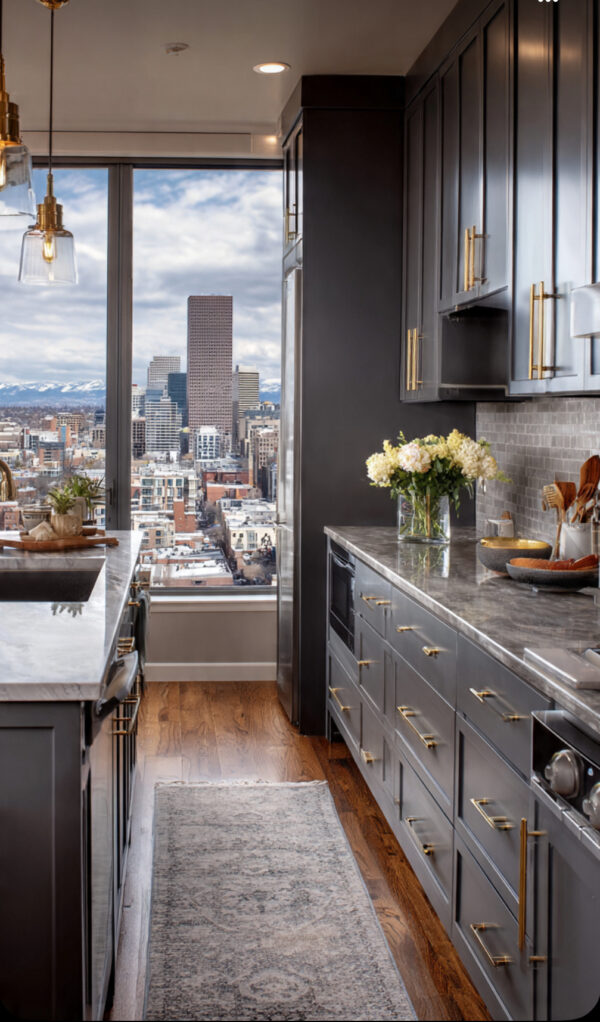
Cabinet painting Denver with a factory finish