
Why Denver cabinet painting is often smarter than new cabinets
In Denver, full kitchen remodels routinely run $25,000 to $75,000. A big portion of that is tied up in cabinet replacement, even when the existing boxes are structurally sound. For many homeowners, investors, and contractors, that spend simply does not pencil out.
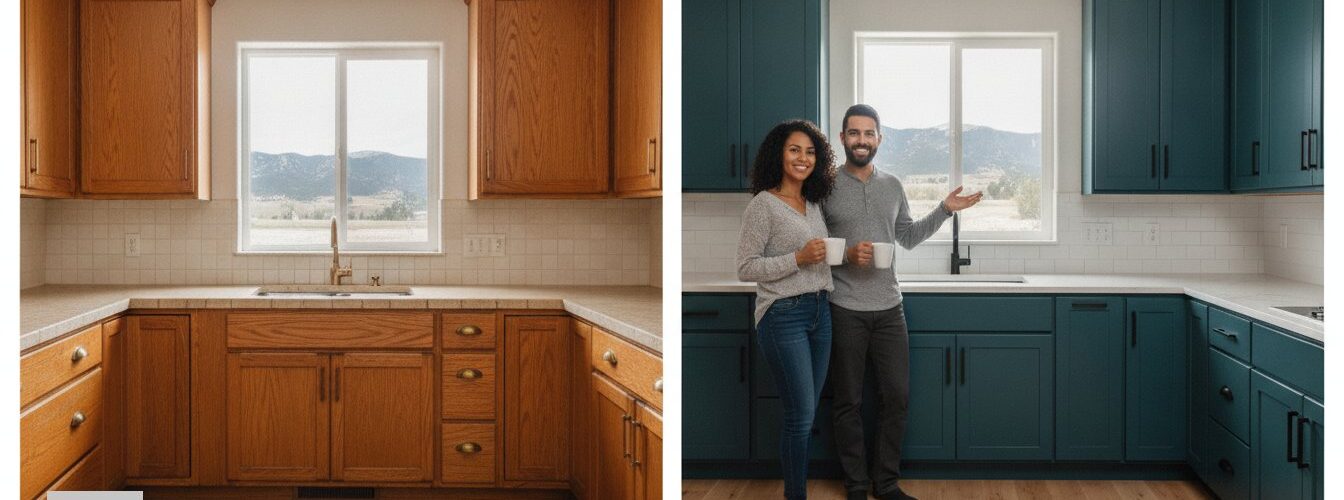
Professionally done cabinet painting or refinishing can deliver a dramatic, modern look at a fraction of the cost and time. Typical projects in the Denver metro come in at 20 to 40 percent of the price of new cabinets, with timelines measured in days instead of weeks.
If you are a homeowner trying to refresh a dated kitchen, a flipper racing to hit the market, or a property manager working across multiple units, understanding Denver cabinet painting options is critical. This guide walks through costs, finishes, process, and decision criteria so you can choose the right solution, not just the cheapest quote.
Key benefits of cabinet painting in Denver’s market
Cost and value compared to replacement
For structurally sound cabinets, painting has some clear financial advantages in the Denver area:
| Option | Typical Denver Cost* | Timeline | Notes |
|---|---|---|---|
| Full cabinet replacement | $15,000 – $35,000+ | 3 – 6 weeks | Includes demo, new boxes, countertops, plumbing |
| Cabinet refacing (new doors) | $8,000 – $18,000 | 1 – 3 weeks | Keeps boxes, replaces doors and faces |
| Pro cabinet painting/refinish | $3,000 – $9,000 | 3 – 7 days | Best ROI when boxes are solid |
*For an average Denver kitchen with 25 to 35 doors/drawers.
For rentals and flips, that difference changes the deal math. Saving even $8,000 per kitchen across a 10-unit portfolio is $80,000 that stays in your project budget.
Key Takeaway: If your cabinet layout and boxes are good, painting typically delivers the highest return per dollar spent in Denver kitchens and baths.
For more detail on cost structures and service scopes, see:
Cabinet Refinishing Services Denver Co Cabinet Painting Services Denver Co Kitchen Cabinet Painting
Speed and disruption
Denver families and tenants cannot be without a kitchen for long. Compared to full replacement, professional cabinet painting:
- Usually wraps within 3 to 7 working days
- Keeps appliances and countertops in place
- Allows partial kitchen use for part of the project
- Reduces dust and demolition noise
For occupied rentals, that means fewer hotel nights or concessions. For flippers, a faster turn means earlier listing and potentially better timing in Denver’s seasonal market.
Style flexibility for design pros
Interior designers and stagers love cabinet painting because it is flexible:
- Rapid color shifts to match new flooring or counters
- Two-tone schemes on perimeter and island
- Sheen choices to pair with natural light in Central Park versus a shaded Lakewood condo
- Fast updates when a buyer or tenant profile changes
Designers often pair painted cabinets with new hardware, lighting, and backsplash to reframe a kitchen at modest cost, while still commanding higher listing photos and appraisals.
Smart options: paint, refinishing, and hybrid approaches
Before you hire anyone, decide what result you actually want. “Painting cabinets” can mean different things depending on surface preparation, coating systems, and repair work.
Full cabinet painting with enamel or urethane
This is the most common choice in Denver:
- Clean, degloss, and sand existing finishes
- Repair dings, cracks, and open grain as needed
- Prime with bonding primer suited to lacquers or factory finishes
- Spray or brush/roll a high quality cabinet enamel or urethane
Best for:
- Solid but dated oak, maple, or hickory cabinets
- Medium and higher end homes in Highlands Ranch, Parker, or Boulder
- Owners seeking a durable, like-new painted look
Pros:
- Wide color choice, including whites, grays, and bold tones
- Smooth, factory-like finish when sprayed
- Strong durability with modern cabinet-grade products
Cons:
- Requires strong prep and proper curing conditions
- Not ideal for failing particle board or water-damaged boxes
Cabinet refinishing that keeps a stained-wood look
Refinishing focuses on preserving or updating wood grain:
- Strip or sand existing stain and topcoat
- Restain to a new tone or refresh existing color
- Seal with clear lacquer or polyurethane
Best for:
- Higher end custom wood kitchens in Cherry Creek, Greenwood Village
- Homeowners who want to keep a wood aesthetic
- Restoration of quality builder-grade cherry or maple
Pros:
- Highlights natural wood, which looks expensive in listing photos
- Age-appropriate for historic Denver homes
- Often longer perceived life than painted white in busy rentals
Cons:
- More labor intensive prep than painting
- Color options limited to wood tones
- Not suitable for laminate or thermofoil doors
Hybrid: partial replacement plus painting
For some kitchens, a hybrid strategy is ideal, especially when combining painting with new features:
- Replace only damaged doors, then paint all for a matched finish
- Add new panels on island or peninsula, paint entire set
- Combine with new crown molding or light rail, all painted together
This often appears in projects like:
Cabinet Refinishing Cabinet Painting Services Denver Co Golden Co Arvada Co Kitchen Cabinet Painting
Best for:
- Flippers who need a custom look without custom cabinet costs
- Designers adding architectural details to builder kitchens
- Owners addressing a few bad doors without a full tear-out
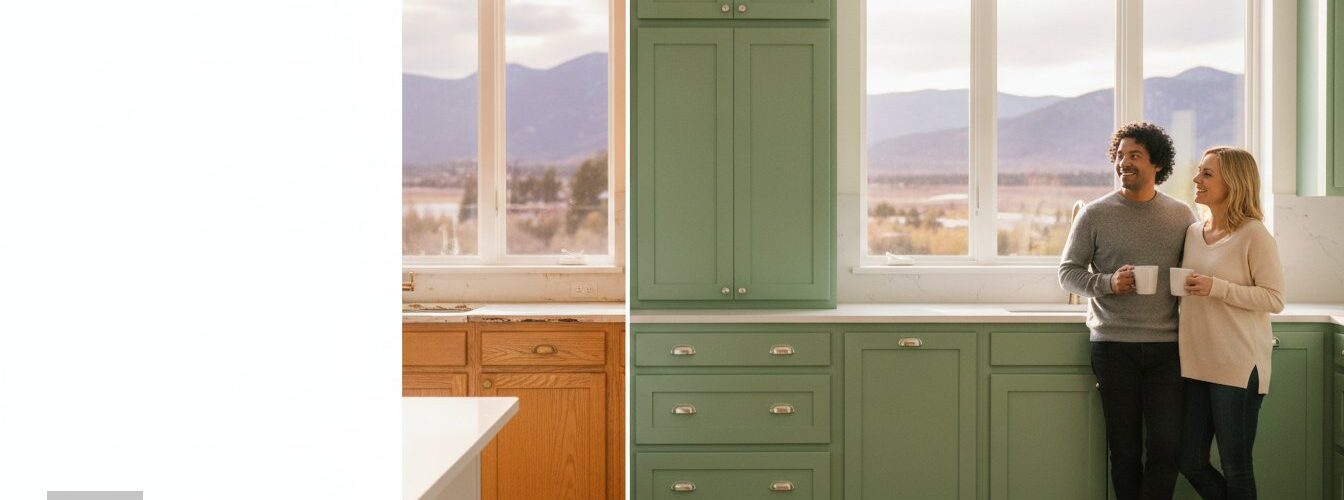
[IMAGE: Cinematic wide shot of a Denver kitchen showing a mix of painted perimeter cabinets and a darker painted island, with mountain light coming through large windows]
My Review of Graco FFLP Tips for Spraying Cabinets
DIY vs professional Denver cabinet painting
Many Denver homeowners are handy. The question is not “can I” but “should I” handle this as a DIY project, especially when resale value and tenant expectations are on the line.
When DIY can work
DIY can be realistic if:
- You have a smaller kitchen or only a bathroom vanity
- You own a high quality sprayer or are comfortable with fine-finish rolling
- You have at least two full weekends you can fully commit
- Imperfect results will not hurt your sale or rental rate
To improve your odds:
- Choose a cabinet-specific enamel, not generic wall paint
- Label doors and hardware carefully to avoid reassembly chaos
- Set up a dedicated, dust controlled spraying or painting area
Why many Denver projects go professional
Common issues with DIY cabinet painting:
- Flashing and roller marks that show clearly in Denver’s high natural light
- Chipping at high touch points within months
- Poor adhesion on factory finishes or thermofoil faces
- Overspray or paint on walls, floors, or appliances
Professional cabinet painters bring:
- Commercial sprayers and drying racks
- Experience with bonding primers and 2K urethane systems
- Dust control and masking systems that protect surrounding finishes
- Predictable timelines, which matters when coordinating with countertop or flooring crews
Pro Tip: If you are flipping or preparing a rental, calculate your hourly rate. What is two or three weekends really worth, especially if a flawed finish reduces your sale price or rent by even 1 to 2 percent?
For an example of a professional process, review:
Cabinet Refinishing And Cabinet Painting Denver 2
Denver specific factors: climate, substrates, and property type
Denver is not a generic market. Elevation, humidity, and housing stock all influence the right cabinet painting approach.
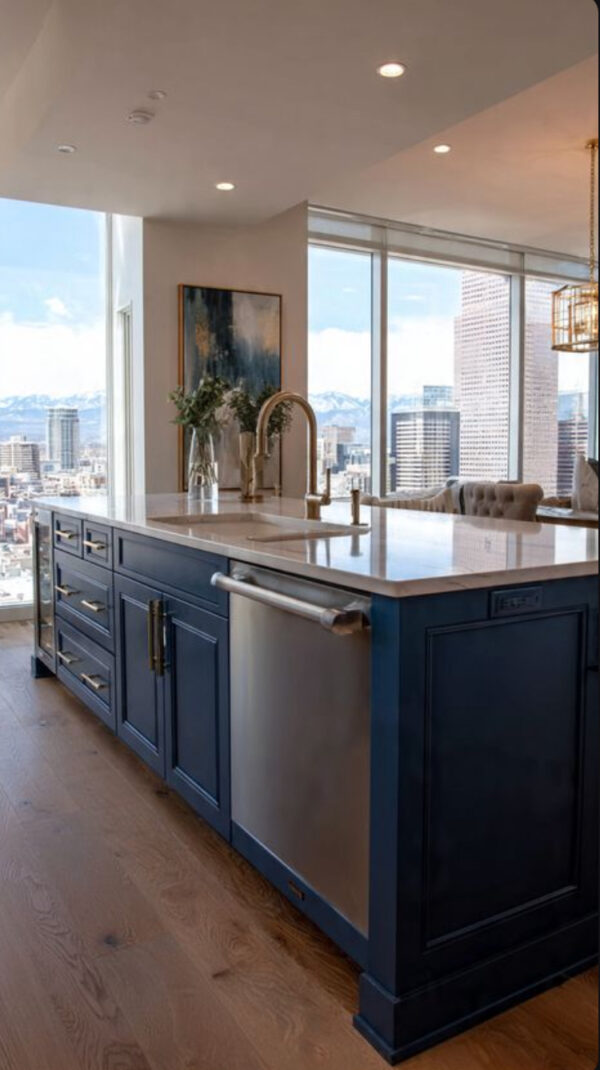
Cabinet Painting Service Areas in Denver & Surrounding Cities, Cabinet Refinishing in Denver County
Climate and curing conditions
At 5,280 feet, Denver’s climate affects coatings:
- Low humidity speeds surface drying but can slow full cure
- Temperature swings in older homes can affect overnight curing
- Open windows may introduce dust and pollen into wet finishes
Professionals account for this with controlled environments and product choices. For DIY, plan your project for stable weather and avoid painting in garages during cold snaps or heat waves.
Common cabinet materials in Denver homes
Different eras of Denver construction used different cabinet types:
- 1950s to 1970s: solid wood frames, often stain-grade, ideal for refinishing or painting
- 1980s to early 2000s: lots of oak, both stain and golden oak, very paint friendly with proper grain filling
- 2000s to 2015: more maple, alder, and some thermofoil doors
- Newer builds and multifamily: more laminate and budget particle board
Each responds differently:
- Oak benefits from grain filling if you want a smooth “non-wood” painted look
- Thermofoil often needs careful prep, and sometimes partial replacement
- Particle board faces or bottoms that have swelled from water may not be worth painting
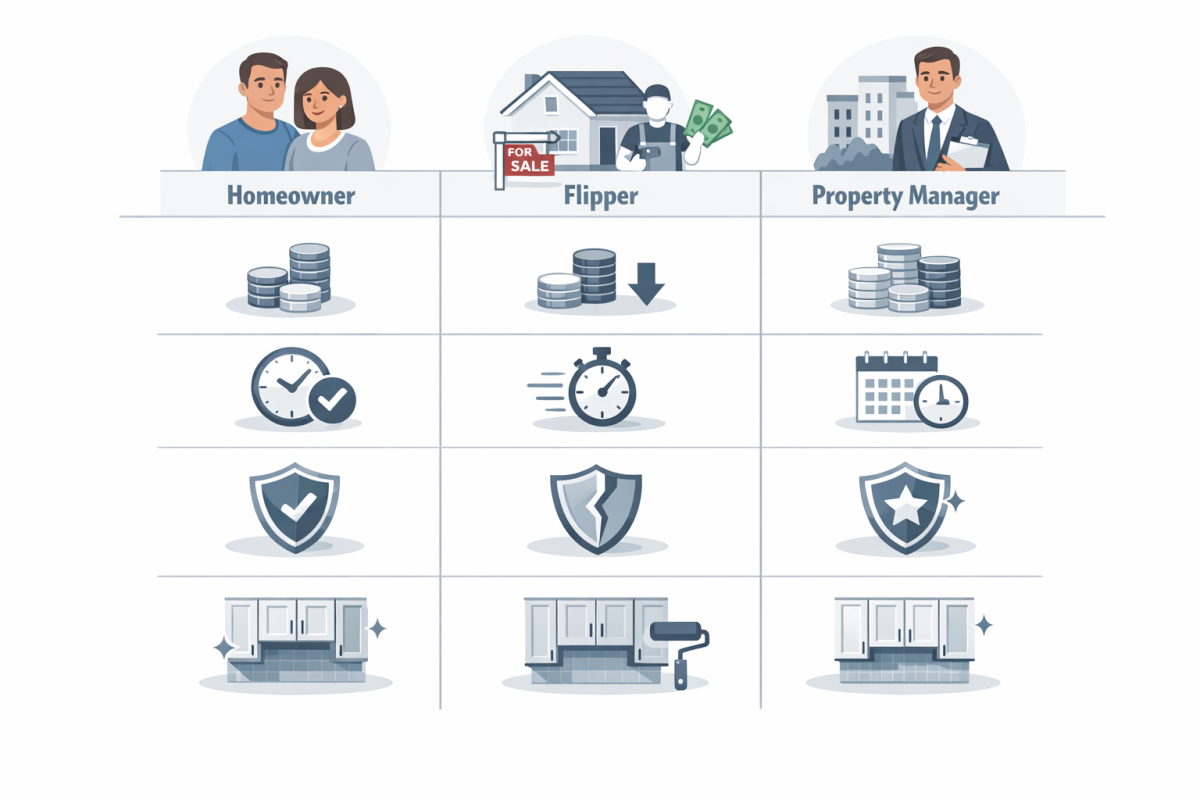
Property type: homeowner vs investor vs property manager
- Homeowners: value aesthetics and durability, willing to pay more for flawless finishes
- Flippers: care about speed and photo impact, but must still pass inspection and buyer scrutiny
- Property managers: emphasize durability and repeatability, especially across dozens of near-identical units
Selecting products and scope with your property type in mind prevents mismatched expectations. For example, a luxury Cherry Creek home might justify higher end urethanes that resist micro-scratching, while a rental in Aurora might prioritize repairability and touch-up ease.
How to evaluate Denver cabinet painting quotes
You will see a wide price range in quotes. Instead of defaulting to the lowest number, compare what you are actually getting.
What a detailed quote should include
Look for these items in writing:
- Scope: number of doors, drawers, and cabinet boxes included
- Prep steps: cleaning, sanding, grain filling, repairs
- Products: primer and topcoat brand, type, and number of coats
- Application method: spray, brush/roll, or hybrid
- Masking and protection: floors, countertops, appliances
- Timeline: start date, duration, and curing time before full use
- Warranty: what is covered, for how long, and under what conditions
If a quote is vague, you are taking on more risk, even if the price looks attractive.
Red flags in low bids
Be cautious if you see:
- No mention of primer, or “paint and primer in one” for cabinets
- One day “miracle” timelines on full kitchens
- Little to no surface prep listed
- No on-site dust protection or masking plan
- Only brush/roller mentioned for large, modern flat-panel designs
Warning: In Denver’s resale market, sloppy cabinet finishes stand out immediately to buyers and inspectors. A visibly uneven or peeling finish can trigger price negotiations that wipe out any savings from a cut-rate job.
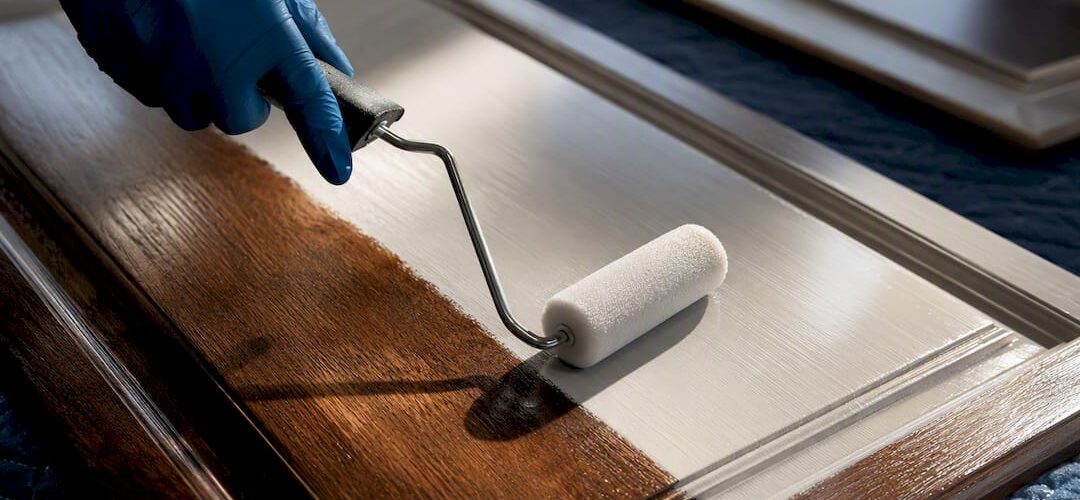
[IMAGE: Cinematic close-up before-and-after of a cabinet door in a Denver kitchen, showing worn oak finish beside a smooth modern painted finish]
Practical planning tips for a smooth project
Coordinate with other trades
If you are updating more than just cabinets, sequence matters:
- New countertops are usually templated after any cabinet modifications
- Flooring that runs under toe kicks should be scheduled before cabinet painting
- Backsplash work is tidier when cabinet painting and wall patching are complete
Ideally, discuss your complete scope with your painter so they can protect new surfaces and avoid extra trips.
Prepare your household or tenants
Plan for:
- Temporary loss of access to some cabinets
- Stronger odors on certain days, especially priming
- The need to keep kids and pets out of the work area
For rentals, clear communication on the schedule and expectations reduces complaints and helps avoid rent concessions.
Maintenance after painting
A professionally painted finish is durable, but not indestructible. To extend its life:
- Use soft cloths and mild cleaners, not abrasives
- Avoid hanging damp towels on doors, especially near dishwashers and sinks
- Address water leaks from sinks or appliances quickly
- Keep touch-up paint labeled and stored for small future repairs
Considering professional help? Cabinet Refinishing Denver
When the finish quality, timeline, and long term durability really matter, a specialized local team makes a difference.
Cabinet Refinishing Denver focuses specifically on Denver cabinet painting and refinishing, with systems tailored to:
- Common Denver cabinet materials, from 1990s oak to newer thermofoil
- Local climate and curing conditions, so finishes harden correctly
- The needs of homeowners, investors, and property managers who require predictable timelines
If you are evaluating whether your cabinets are good candidates for painting or refinishing, they can assess box condition, recommend products, and scope a project to match your budget and property goals.
Learn more: Cabinet Refinishing Denver
Frequently Asked Questions
How much does Denver cabinet painting typically cost?
For an average Denver kitchen with 25 to 35 doors and drawers, professional cabinet painting usually ranges from $3,000 to $9,000. Costs depend on prep complexity, product quality, door style, and whether you paint the interior boxes or only visible faces. Large custom kitchens or heavy repair work can increase that range, while small condos or partial projects can be less.
How long does professionally painted cabinetry last?
With proper prep and high quality cabinet enamels or urethanes, a professional finish often lasts 8 to 15 years in typical Denver homes. High traffic rentals or large families may see more wear on the most used doors, but these can usually be spot repaired. Good maintenance, such as gentle cleaning and avoiding prolonged moisture, extends the lifespan significantly.
Is cabinet painting a good idea for a Denver flip?
Yes, cabinet painting is often one of the highest ROI moves for Denver flippers. It modernizes listing photos quickly and at low cost relative to full replacement. The key is hiring a painter who can work to your timeline without sacrificing quality. Buyers in Denver are discerning, so overspray, drips, or peeling finishes can hurt your final sales price and inspection negotiations.
Can I paint over thermofoil or laminate cabinets?
It is possible, but prep is critical. Thermofoil and laminate are slick surfaces, so they require specific cleaners, sanding, and bonding primers. Some peeling or delaminating faces are better replaced before painting. A professional who regularly handles these materials in the Denver area can tell you which doors are worth saving and which should be swapped out.
Do I need to empty all my cabinets for painting?
Usually you can leave items in lower cabinets and some uppers, as long as painters only access faces and frames. However, if interiors will be painted, or if significant repairs and masking are required, you will need to clear those sections. Discuss this in advance so you can pack and stage kitchen items efficiently and avoid delays once the crew arrives.
By understanding your cabinets, your property goals, and the realities of Denver’s market, you can choose a cabinet painting approach that looks great in photos, holds up in daily life, and makes financial sense.