
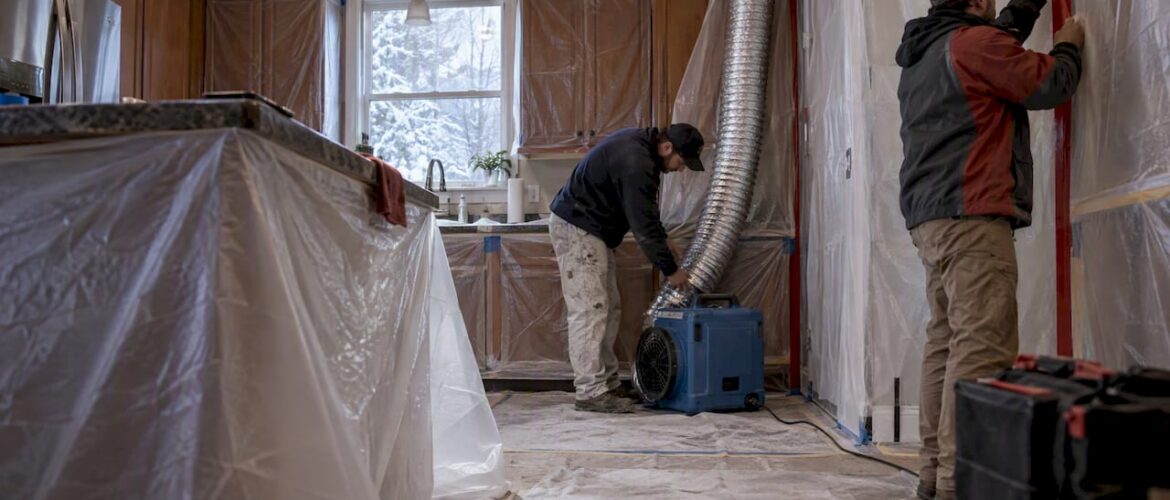
Yes, winter cabinet painting works well in Denver, provided your contractor controls ventilation and curing conditions rather than relying on an open window. Shop-based factory finishing sidesteps most cold-weather limits entirely, since doors and drawers cure in a heated, controlled booth instead of your kitchen. If a contractor wants to spray inside your closed-up house with no exhaust or containment plan, that is your signal to ask more questions or look at a shop-based option instead.
TL;DR:
- Using a shop-based finishing process allows cabinet doors and drawers to cure in a controlled environment, ensuring quality regardless of outdoor temperatures.
- Proper ventilation strategies, such as exhaust ducting and sealed barriers, are essential for safe and effective refinishing during Denver winter months when windows are less reliable.
- Cold weather slows the curing of water-based and catalyzed paints, making off-site spray booths the most consistent option for winter cabinet refinishing.
- Winter scheduling may extend project timelines for on-site spray jobs due to additional containment and ventilation requirements, despite the consistent 3 to 5 day turnaround in controlled shops.
- Contractors should provide clear, written plans for ventilation, containment, and timelines, especially when finishing in cold or icy conditions, to avoid delays and ensure safety.
Table of Contents
- Can you paint or refinish cabinets during Denver winters?
- Cost and timeline: what winter scheduling changes
- Prep, dust control, and keeping your household safe
- How professionals, including Cabinet Refinishing Denver, handle winter projects
- How to choose a contractor for winter cabinet painting in Denver
- Why winter refinishing can be the right call for Denver homeowners
- Get a winter-ready cabinet refinish from our Denver team
- FAQ
- Sources
Can you paint or refinish cabinets during Denver winters?
Cold weather does not rule out cabinet refinishing, but it changes what “proper ventilation” means. EPA guidance on remodeling air quality recommends sealed barriers paired with exhaust fans that create a pressure difference, pulling air out of the work zone rather than just cracking a window. That distinction matters more in January than July, since Denver homeowners rarely want windows open for days at a time.
Temperature and humidity also affect how finishes cure. Water-based and catalyzed cabinet paints need a minimum surface temperature to form a hard film, and cold, damp air slows that process and can leave a soft or uneven finish. Spraying concentrates the risk: the EPA’s testing on airless sprayer application found spray work raises particle and VOC levels in a closed room, which is why professional crews pair spraying with exhaust and respiratory protection.
Practical winter workarounds include:
- Spraying doors and drawers off-site in a heated shop booth instead of inside the home.
- Running engineered exhaust ducting to the outdoors instead of depending on a single open window.
- Scheduling framework for a day when temporary negative-pressure ventilation can run without heating the whole house.
Pro Tip: Ask whether doors and drawers will be finished in a shop rather than sprayed inside your kitchen; it removes most winter curing and air-quality concerns at once.
Cost and timeline: what winter scheduling changes
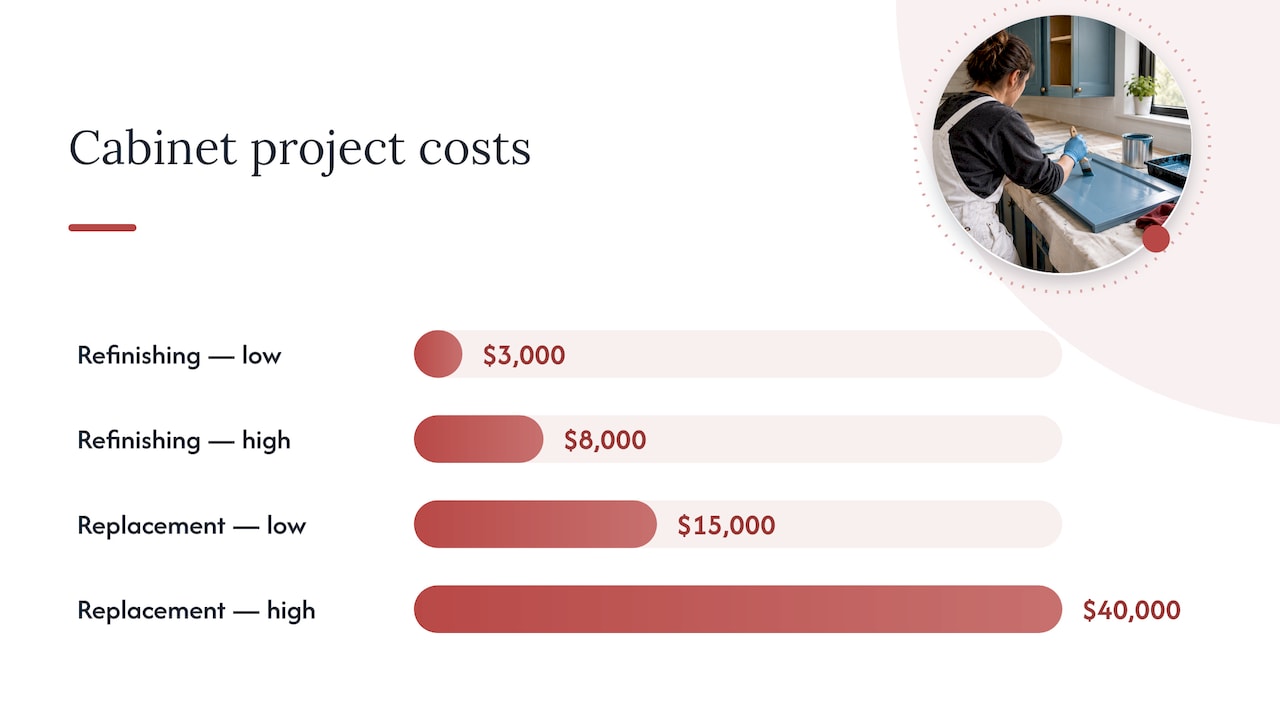
Refinishing cabinets typically costs far less than replacing them. Our own projects run $3,000 to $8,000 against a typical replacement cost of $15,000 to $40,000, though the final number depends on kitchen size, cabinet count, and finish complexity. Houzz’s roundup of Denver refinishing companies confirms this is the general range homeowners should expect locally.
Timeline shifts more than price in winter. Shop-based jobs still typically wrap in 3 to 5 days, since the booth environment is climate-controlled year-round. On-site spraying, by contrast, can stretch longer in cold months because contractors need wider ventilation windows and more careful containment timing.
A few winter-specific scheduling notes worth planning around:
- Shop slots fill up as homeowners tackle indoor projects during colder months, so book ahead.
- Exhaust routing through an exterior wall or window can be delayed by snow or ice.
- Some paint formulations are harder to source during cold snaps, which can push back start dates.
Prep, dust control, and keeping your household safe
Containment is the difference between a clean refinishing job and weeks of dust in your vents. A solid setup includes 6-mil poly sheeting across doorways, taped-off floor registers, and sealed openings between the work area and the rest of the house, following the same logic behind HUD and EPA containment standards for remodeling work.
- Confirm the crew will tape and seal registers before sanding begins, not after.
- Ask how exhaust air will leave the house when windows can’t stay open, whether through a window-mounted fan, ducted routing, or a dedicated make-up air plan.
- Request that ventilation continue after the final coat, not just during application.
EPA’s paint brochure recommends continuing ventilation for 2 to 3 days after painting, with EPA’s broader remodeling guidance pointing to 72 hours of exhaust after finishes go on to clear lingering pollutants before the space is back to normal use.
If your home was built before 1978, ask whether the crew follows lead-safe work practices and can show certification. That single question protects your household regardless of the season.
How professionals, including Cabinet Refinishing Denver, handle winter projects
The shop-first workflow exists largely to solve winter’s problems before they start. Doors and drawers come off, travel to a controlled spray booth, cure fully away from your living space, and go back on once hardened. Frames get finished in place with tighter containment, since they can’t be removed.
Our own process follows this pattern, with proof points worth asking any contractor about:
- A 3 to 5 day turnaround that holds steady regardless of outdoor temperature, since the booth environment doesn’t change with the weather.
- Multiple protective finish layers applied in a controlled setting, backed by a written warranty.
- Spray booths and filtered exhaust for applicators, along with respirator use during spraying, matching the protective measures outlined in EPA’s spray application testing.
Pro Tip: Ask directly: “Will my doors and drawers be sprayed in a shop or inside my house?” The answer tells you almost everything about how the project will handle winter conditions.
Our step-by-step cabinet painting process walks through exactly how that sequence works from removal to reinstallation.
How to choose a contractor for winter cabinet painting in Denver
A good winter proposal answers ventilation questions before you have to ask. Look for a clear containment plan, a stated shop or booth option, a firm timeline, a written warranty, and references from projects completed during colder months.
Red flags are usually easy to spot:
- Vague answers about where exhaust air actually goes.
- No written timeline or a refusal to commit to one.
- No mention of touch-up paint or how it will be stored.
| Contract item | Why it matters in winter |
|---|---|
| Ventilation and containment plan | Confirms exhaust routing works when windows stay closed |
| Shop or booth finishing option | Removes most cold-weather curing risk |
| Written warranty | Protects you if cold-weather humidity affects durability |
| Touch-up paint storage | Prevents freeze damage per PaintCare’s storage guidance |
Before signing, confirm cleanup standards and how color samples will be approved, ideally viewed in your kitchen’s actual winter light rather than under a showroom bulb.
Why winter refinishing can be the right call for Denver homeowners
Homeowners worry that winter means trapped fumes or a rushed job. In practice, a shop-based crew that follows EPA-style containment and exhaust practices sidesteps most of that risk, since the messiest, most VOC-heavy work never happens inside your kitchen at all. Ask to see a portfolio of winter projects and read the warranty terms closely before you commit.
— Jesse
Get a winter-ready cabinet refinish from our Denver team
Winter is one of the better times to tackle this project precisely because spraying is kept out of your living space. Doors and drawers finish in a shop booth, cure fully, and come back ready to install, typically within a 3 to 5 day window regardless of the forecast.

When you request a free estimate, ask us for our containment plan, finish samples to view in your own kitchen light, warranty terms, and a written timeline. If you’re ready to see what a factory finish looks like in your space, start with our cabinet painting services in Denver page or call to schedule a walkthrough.
For color decisions, our guide on choosing a cabinet paint color for Denver homes and One Day Doors & Closets’ interior color guidance are both worth a look before you finalize samples.
FAQ
Does Home Depot do cabinet painting?
Home Depot sells DIY cabinet paint kits, such as Nuvo’s Antique White kit, rather than offering a professional refinishing service. These kits use roller or brush application and work for small updates, but they carry the same cold-weather curing limits as professional paint without the shop-based controls a contractor can offer.
Can I paint my interior cabinets during the winter?
Yes, as long as the contractor manages ventilation and curing conditions rather than depending on open windows. A shop-based spray process avoids most winter limitations since the booth stays climate-controlled year-round.
What color should I avoid for kitchen cabinets?
There’s no universally wrong color, but very bright white can show dirt quickly and very dark tones can make a small or dim kitchen feel heavier. Test large samples in your kitchen’s actual winter daylight and evening lighting before approving a final color, as described in our Denver color selection guide.
Can I just paint over old paint on cabinets?
Painting over existing cabinet paint is possible, but durability depends heavily on surface prep, including sanding and proper primer. Skipping that prep is one of the most common reasons DIY cabinet paint jobs chip or peel within a year.
Sources
- Best Practices for Indoor Air Quality when Remodeling Your Home | US EPA
- Measurements of Volatile Organic Compounds and Particles During Application of Latex Paint with an Airless Sprayer
- Store Right | PaintCare