
What Cabinet Refinishing Really Costs In Denver
For most Denver kitchens, cabinet refinishing typically costs $2,000 to $6,500, with most homeowners landing around $3,500 to $4,500 for a standard‑size kitchen. Smaller condo kitchens can fall in the $1,500 to $3,000 range, while large custom kitchens or high‑end finishes can reach $7,000+.
Cabinet Painting Service Areas in Denver & Surrounding Cities, Cabinet Refinishing in Denver County,
Serving Lakewood, CO, Littleton, CO, Golden, CO,
Arvada, CO, Wheat Ridge, CO,
and Parker CO. Castle Pines CO. Englewood CO. Centennial CO.
Cabinet Painting in Arapahoe County, CO
Including Centennial, CO, Greenwood Village, CO,
Cherry Hills Village, CO, Englewood, CO,
and Aurora, CO.
Cabinet Painting in Adams County & Broomfield, CO
That range is wide, which is why many homeowners, investors, and contractors want a clearer breakdown. You do not want to be surprised halfway through a remodel or underestimate costs on a flip.
This guide explains what drives cabinet refinishing prices specifically in the Denver metro area, typical costs by kitchen size, what is usually included, how refinishing compares with refacing and replacement, and how to evaluate quotes so you know exactly what you are paying for.
Key Takeaway: In Denver, most well‑executed cabinet refinishing projects cost less than half of full replacement, while delivering a “factory finish” look that significantly boosts kitchen appeal and resale value.
Quick Cost Breakdown For Denver Cabinet Refinishing
Here is a realistic cost overview for typical projects in the Denver area. These assume professional work with proper prep, sprayed finish, and mid‑grade materials, not handyman brush jobs.
| Kitchen Type / Scope | Typical Cost Range | What This Usually Includes |
|---|---|---|
| Small condo / galley kitchen | $1,500 – $3,000 | 8–15 doors, 3–6 drawers, basic prep, sprayed finish |
| Average single‑family home kitchen | $3,000 – $5,000 | 18–30 doors, 8–15 drawers, minor repairs, color change |
| Large or semi‑custom kitchen | $4,500 – $7,000 | 30+ doors, crown, panels, island, detailed prep |
| Add island or pantry only | $500 – $1,500 | As add‑on to main project |
| Bathroom vanities (per room) | $400 – $900 | 4–6 doors, 2–4 drawers |
Common pricing structures you might see:
- Per opening (door or drawer front): Roughly $80 – $150 per opening, depending on complexity and finish
- Per project: Flat fee based on total scope, condition, and finish type
For a detailed look at how professional Denver companies structure their services, see this page on Cabinet Refinishing Services Denver Co Cabinet Painting Services Denver Co Kitchen Cabinet Painting.
Key Factors That Drive Cabinet Refinishing Cost In Denver
Several variables can move your quote toward the low or high end of the range. Understanding these helps you predict costs before you start requesting bids.
Size, Layout, And Number Of Openings
More surface area means more labor, more materials, and more time.
- Number of doors/drawers: The most direct cost driver
- Tall cabinets and pantries: Require more prep and access time
- Crown, panels, and decorative trim: Add detail work that increases labor
Example:
A Wash Park bungalow with 20 doors and 10 drawers will cost significantly less than a Greenwood Village home with 40 doors, a large island, and a built‑in hutch.
Existing Condition Of The Cabinets
Condition determines how much prep and repair is needed before any paint or finish goes on.
- Light wear: Minor scuffs and dull clear coat, minimal extra cost
- Moderate wear: Chipped finish, small cracks, some peeling, adds prep hours
- Heavy damage: Water damage near sink, swollen doors, large cracks, can significantly increase labor or require replacement of some components
Warning: If you skip proper repairs and prep, you may see peeling, chipping, or visible grain telegraphing through within 6 to 12 months, which effectively doubles your long‑term cost.
Type Of Finish And Desired Look
Your finish choice has a direct cost impact.
- Same‑color refresh (re‑clear or re‑stain): Typically at the lower end
- Light color change (off‑white, warm gray): Mid‑range, popular for resale
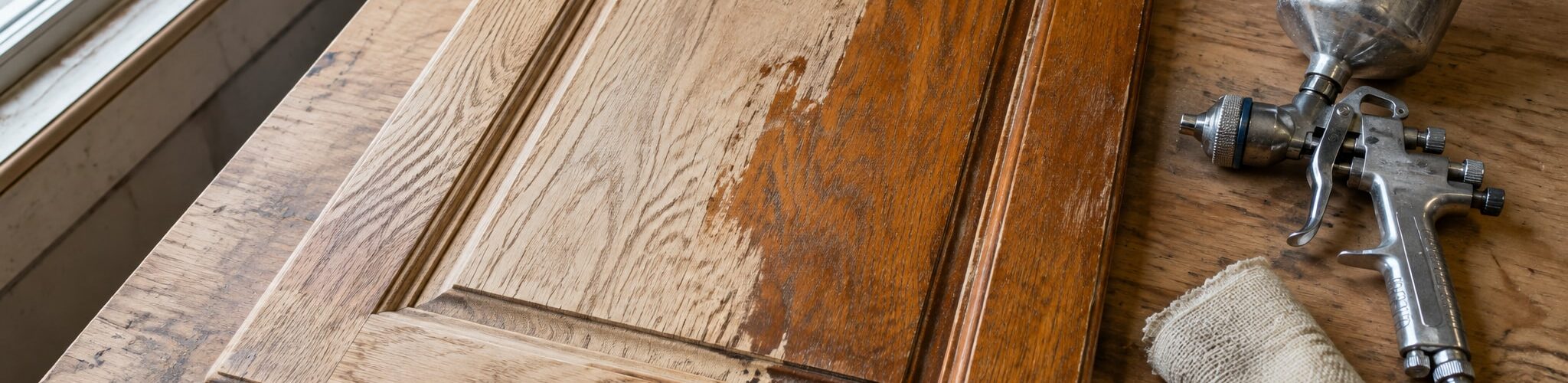
- Dark color or dramatic change (oak to smooth white): Requires extra coats and more careful grain control
- Upgraded coatings: Pre‑cat lacquers, 2K urethanes, and industrial enamels cost more but last longer and resist yellowing
For details on finishes and how they affect both cost and durability, review Cabinet Refinishing Denver How To Select The Right Finish And Color.
Level Of Prep And Application Method
This is where reputable Denver pros separate themselves from cheap bids.
- Proper prep includes:
- Degreasing and cleaning
- Sanding and de‑glossing
- Filling grain and imperfections when needed
- Priming with a bonding or stain‑blocking primer
- Application methods:
- Sprayed finish: Usually higher cost, provides that smooth “factory finish”
- Brush and roll: Lower cost, but more texture and visible strokes
For a deeper dive into how professionals achieve a high‑end finish, see Cabinet Refinishing Denver How To Achieve A Factory Finish With Proper Preparation.
Pro Tip: When comparing bids, ask specifically whether doors and drawers are sprayed in a controlled environment. That one detail is a strong indicator of quality and longevity.
Denver‑Specific Cost Influencers
A few local realities affect pricing in the Denver metro market:
- Labor rates: Skilled finishing labor typically runs higher than national averages due to Denver’s construction boom
- Altitude and climate: Dry air and temperature swings require specific products and longer cure considerations
- Lead time and demand: Spring and early summer remodeling seasons often see higher demand, which can nudge prices up
What Is Usually Included In A Professional Refinishing Quote
A thorough quote should itemize what is included so you can compare apples to apples.
Typical Inclusions
Most reputable Denver cabinet refinishing companies include:
- On‑site protection and setup
- Plastic sheeting and masking of counters, appliances, and floors
- Temporary plastic walls or zip walls for dust and overspray control
- Door and drawer removal
- Labeling and transporting to a shop or on‑site spray area
- Surface prep
- Cleaning, sanding, de‑glossing
- Filling minor dings and imperfections
- Caulking select seams as needed
- Priming and painting or finishing
- 1–2 coats of bonding or stain‑blocking primer
- 2 finish coats, sprayed on doors and drawer fronts, brushed/rolled or sprayed on boxes
- Hardware reinstallation
- Reinstalling existing hinges and pulls, minor adjustments
- Cleanup
- Removal of masking, disposal of materials, job site vacuum and wipe down
Common Add‑Ons Or Extra Charges
Clarify whether these are included or additional:
- New hardware installation
- New pulls or knobs, non‑standard hole patterns, or hardware relocation
- Extensive repairs
- Replacing doors, fixing water‑damaged boxes, major crack repair
- Glazing or specialty finishes
- Distressing, two‑tone islands, or accent colors
- Inside cabinet box finishing
- Most quotes cover only face frames and visible edges, not interior walls and shelves
Important: Ask each contractor to confirm what is included in writing. If one quote is 30 percent lower than the others, it usually reflects a difference in scope or process, not a “deal.”
Refinishing vs Refacing vs Replacement In Denver
Homeowners and investors in Denver often consider three options: refinishing, refacing, or full replacement. Cost and impact vary significantly.
Cost Comparison At A Glance
| Option | Typical Denver Cost Range* | What It Involves | Best For |
|---|---|---|---|
| Refinishing | $2,000 – $6,500 | Keep boxes and doors, change color/finish | Solid cabinets, budget‑friendly transformation |
| Refacing | $6,000 – $14,000+ | New doors/veneers, keep boxes | Outdated door style but good layout and boxes |
| Replacement | $15,000 – $40,000+ (cabinets only) | Completely new cabinets, often layout changes | Poor layout, bad condition, high‑end remodels |
*For an average to large Denver kitchen, not including new counters, appliances, or flooring.
When Refinishing Makes The Most Sense
Refinishing is usually the best value when:
- Cabinets are structurally sound, with solid boxes and decent doors
- You like the current layout, or changes are minor
- You need to control budget, such as for rentals, flips, or first homes
- You want to align with current buyer preferences, mainly lighter colors
For investors and flippers in areas like Aurora, Arvada, and Lakewood, refinishing often delivers the highest return on investment per dollar, especially when combined with new hardware and counters.
When To Consider Refacing Or Replacement Instead
Refacing or replacement may be more appropriate if:
- Doors are severely damaged or warped
- Layout is inefficient and you plan to stay long term
- You are targeting a luxury resale, such as Cherry Hills or Hilltop
- You want a complete style change that your current door profile cannot support
Key Takeaway: In most mid‑range Denver neighborhoods, refinishing delivers about 70 to 80 percent of the visual impact of new cabinets for 30 to 50 percent of the price.
How To Budget And Plan For Cabinet Refinishing In Denver
Whether you are a homeowner planning your dream kitchen or a real estate investor managing multiple units, a clear budget prevents surprises.
Step 1: Estimate Your Ballpark Range
Do a quick count:
- Count the total number of cabinet doors and drawer fronts
- Note any extras, such as a large island, pantry, or built‑ins
- Assess condition: light wear, moderate, or heavy damage
As a rough guide in Denver:
- Under 20 openings, light wear: Expect $1,500 – $3,000
- 20 to 35 openings, average wear: Expect $3,000 – $5,000
- 35+ openings or detailed trim: Expect $4,500 – $7,000
Step 2: Decide On Your Finish And Upgrades
Choices that impact cost and performance:
- Color: Whites and very dark colors usually require more coats
- Sheen: Satin or semi‑gloss are common, higher sheen may reveal imperfections
- Hardware: Budget $5 – $15 per piece plus any labor for drilling/relocation
- Extras: Two‑tone schemes, glazed doors, or accent islands
Step 3: Get 2–3 Detailed Quotes
Request quotes from specialized cabinet refinishing contractors, not just general painters. Ask each to specify:
- Scope and surfaces included
- Prep steps and products used
- Number of coats and application methods
- Warranty terms and limitations
- Project timeline and daily schedule
Pro Tip: For rental properties or multi‑unit buildings, ask about economies of scale. Doing several units in sequence often reduces per‑unit cost and minimizes total downtime.
What A “Factory Finish” Costs And Why It Is Worth It
Many Denver contractors market a “factory finish,” but the quality and process vary. Understanding what is behind that term helps you justify higher‑end quotes when appropriate.
My Review of Graco FFLP Tips for Spraying Cabinets
What A True Factory Finish Involves
A professional, high‑quality factory‑style finish typically includes:
- Thorough degreasing and sanding
- Grain filling or surfacing on open‑grain woods like oak
- High‑build primers that provide a smooth base
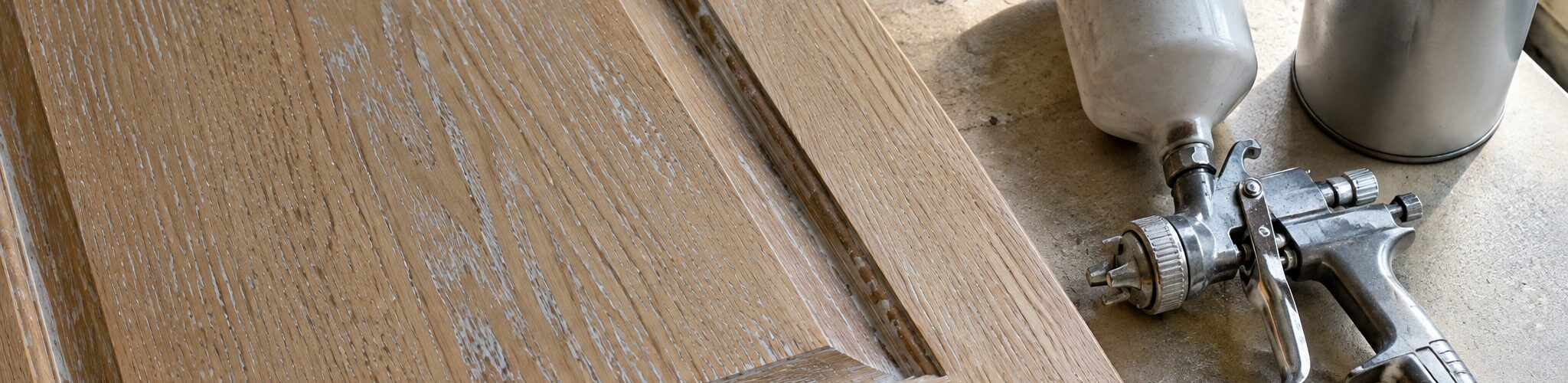
- Sprayed application in a controlled environment
- Use of cabinet‑grade coatings such as lacquers, urethanes, or enamel systems
These steps increase labor hours and material cost but significantly improve durability and visual quality.
Why It Pays Off In Denver Kitchens
In busy Denver households and rental properties, cabinets see heavy daily use plus the dry climate. A superior finish:
- Resists chips and scratches better than basic wall paint
- Cleans more easily, ideal for families and tenants
- Maintains color stability over time, especially with whites
For a more granular look at the preparation needed to achieve that standard, study Cabinet Refinishing Denver How To Achieve A Factory Finish With Proper Preparation.
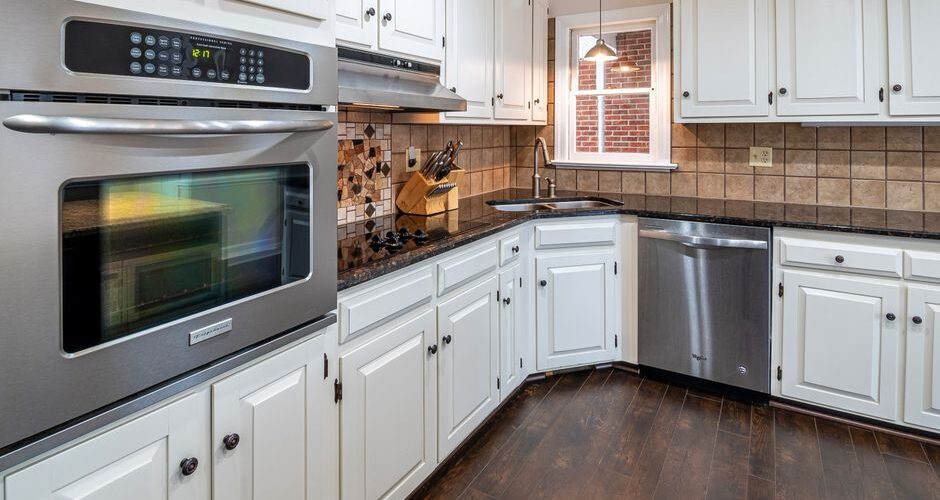
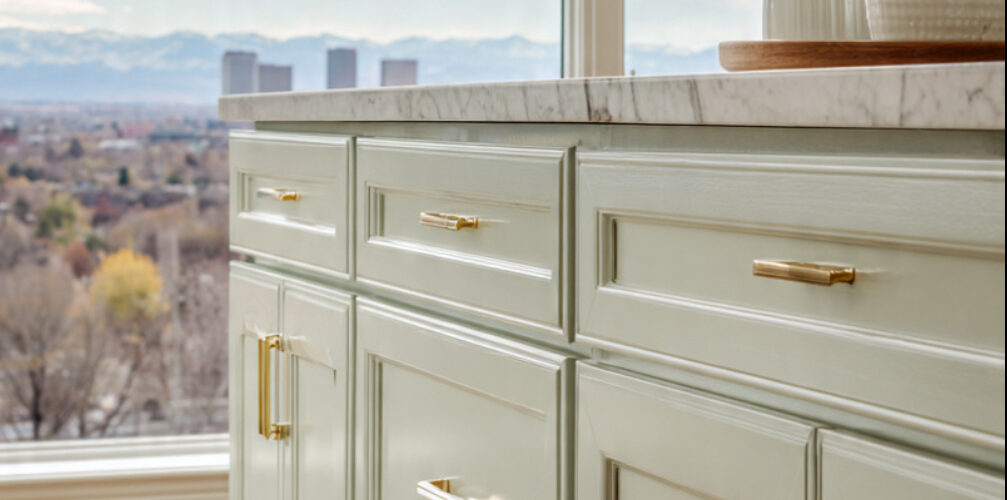
[IMAGE: Close‑up cinematic shot of refinished Denver kitchen cabinets with a smooth, semi‑gloss white factory finish reflecting soft light]
Visual Planning: Costs Across Common Scenarios
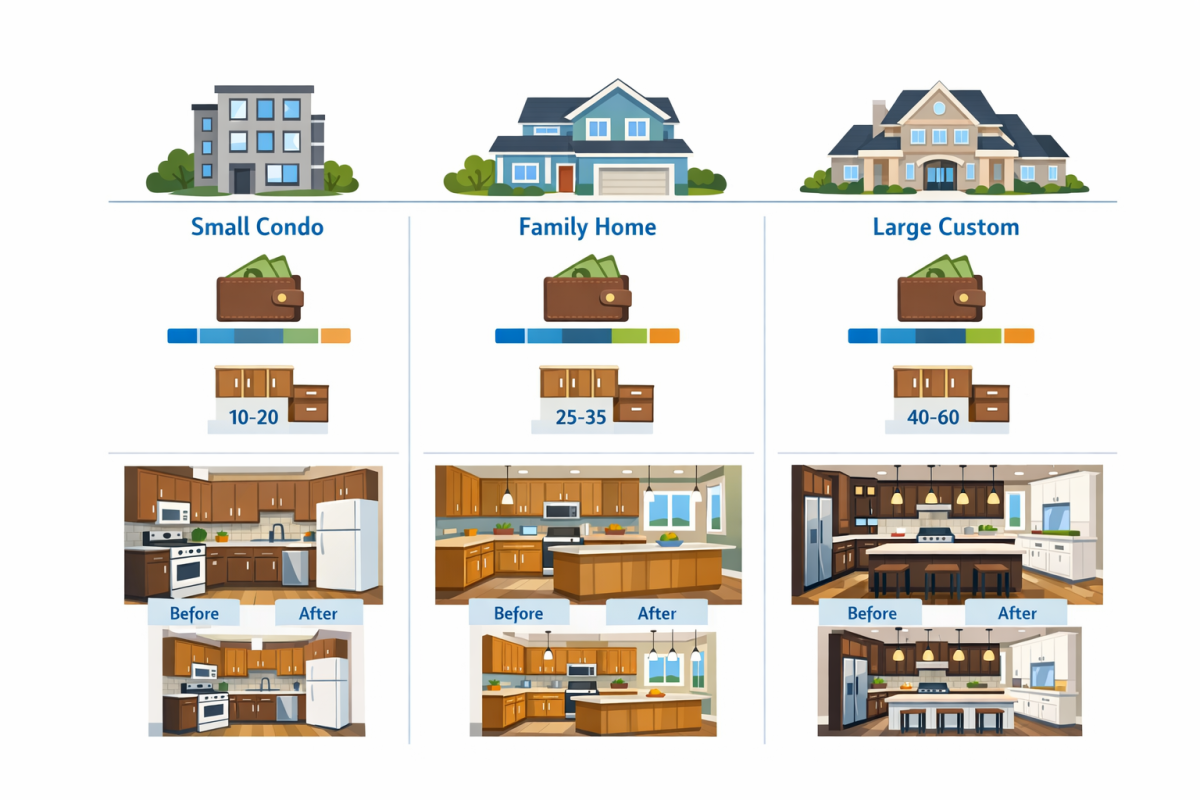
Key Takeaways At A Glance
- Typical Denver cost: Most full‑kitchen cabinet refinishing projects fall between $2,000 and $6,500
- Main drivers: Number of doors/drawers, existing condition, finish type, and quality of prep
- Best value: Structurally sound cabinets, layout you like, desire for a modern color
- What to look for: Detailed written scope, proper prep steps, sprayed finish on doors, cabinet‑grade coatings
- For investors and flippers: Refinishing usually delivers strong ROI and market appeal, especially when paired with new counters and hardware
When To Call A Pro: Cabinet Refinishing Denver
If you are comparing quotes and want a clear, transparent explanation of what you are paying for, a specialized refinishing company is your best ally.
Cabinet Refinishing Denver focuses specifically on cabinet refinishing throughout the Denver metro. Their process emphasizes:
- Thorough preparation for long‑lasting adhesion
- Sprayed finishes that look and feel like new factory cabinets
- Guidance on color and finish selection tailored to Denver homes and buyers
You can explore their detailed service offerings and approach here:
Cabinet Refinishing Denver – Learn more
For color and finish planning, their resource on Cabinet Refinishing Denver How To Select The Right Finish And Color is particularly useful.
[IMAGE: Cinematic wide shot of a remodeled Denver kitchen featuring refinished shaker cabinets, quartz counters, and modern hardware in natural morning light]
Frequently Asked Questions
How much does it cost to refinish kitchen cabinets in Denver?
Most Denver kitchen cabinet refinishing projects fall between $2,000 and $6,500. Smaller condos or townhomes can be as low as $1,500 to $3,000, while larger or semi‑custom kitchens can reach $7,000 or more. The primary cost drivers are the number of doors and drawers, existing condition, and whether you choose a basic color refresh or a higher‑end factory‑style finish.
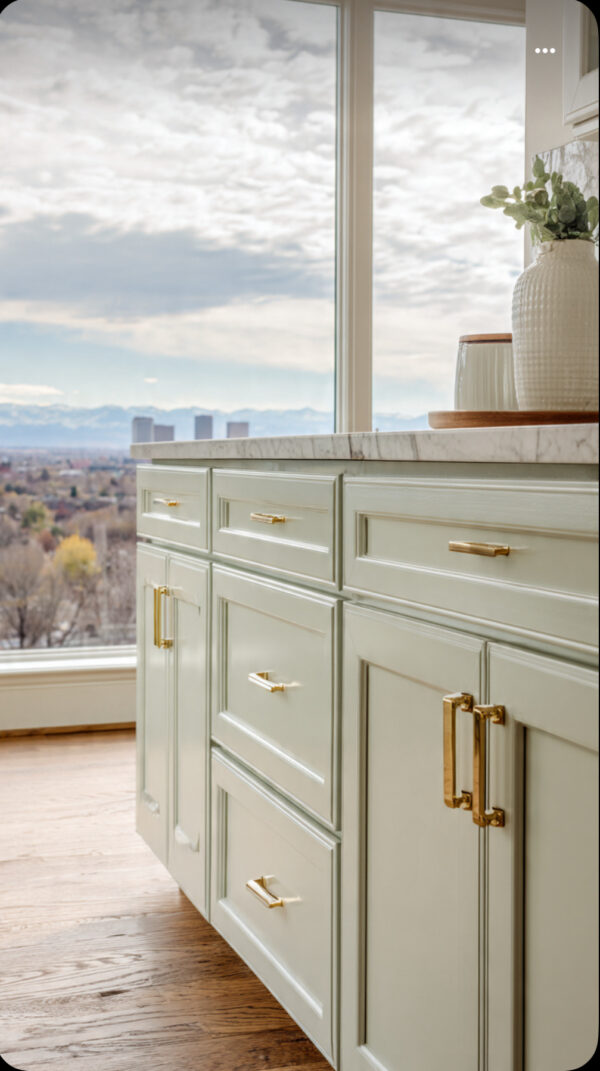
Cabinet Painting Denver CO
Is it cheaper to refinish or replace cabinets in Denver?
Refinishing is typically 50 to 70 percent cheaper than full cabinet replacement. Where replacement cabinets for a standard Denver kitchen can cost $15,000 to $40,000+ before counters and appliances, refinishing usually runs $3,000 to $5,000 for the same footprint. Refinishing is ideal if cabinets are structurally sound and you are mainly updating color and style.
How long does cabinet refinishing take for a typical Denver kitchen?
Most professional refinishing projects in Denver take 3 to 7 days of on‑site work, plus cure time before heavy use. The schedule depends on kitchen size, complexity, and whether doors are sprayed off‑site in a shop. Plan for limited kitchen use during active work and light, careful use for several days while the finish hardens.
Will refinished cabinets last in Denver’s dry climate?
Yes, if the prep and products are appropriate for our climate. High‑quality cabinet coatings, such as lacquers or urethane enamels, combined with thorough degreasing, sanding, and priming, typically provide 8 to 15 years of service in Denver homes. Lower‑quality wall paints or poor prep can fail in as little as 1 to 3 years, which is why contractor selection matters.
Is cabinet refinishing a good investment for rentals or flips in Denver?
For most rentals and flips in the Denver metro, refinishing is one of the highest‑ROI upgrades. A modern, light cabinet finish can dramatically improve listing photos and perceived value at a fraction of replacement cost. Investors often pair refinishing with new hardware and counters to create a “fully remodeled” look while keeping renovation budgets tight and turnover times short.
By using these cost ranges and decision points, you can confidently evaluate quotes, plan your budget, and choose the level of finish that fits your Denver property and long‑term goals.