

Why The Right Cabinet Painting Specialist Matters In Denver
Cabinet painting is one of the highest ROI updates for kitchens and bathrooms in the Denver metro area. It can modernize a dated space, help a listing photograph better, and stretch renovation budgets for homeowners, flippers, and property managers. Yet the result depends almost entirely on the specialist you hire.
Denver presents unique challenges: dry climate, strong UV exposure, and wide temperature swings. If prep, products, or curing are handled poorly, you will see peeling, chipping, and yellowing far sooner than you should. For investors and multi‑unit owners, that means more turnover costs. For homeowners, it means living with a finish you dislike for years.
This guide walks you through how to evaluate cabinet painting specialists near Denver, Colorado, what to expect in terms of process, pricing, and timelines, and how to make decisions that fit your property type and goals.
What Makes A True Cabinet Painting Specialist In Denver
Not every painter who offers cabinet work is a cabinet specialist. Cabinets are a different discipline than walls or trim, especially at Colorado altitude.
Core skills and experience to look for
Ask potential pros about:
- Years specializing in cabinet refinishing, not just general painting
- Number of cabinet projects completed in the last 12 months
- Experience with oak grain filling and laminate or thermofoil surfaces
- Familiarity with low‑VOC products that still cure hard in dry climates
A true specialist can explain their full cabinet system without hesitation, from degreasing to final cure.
Key Takeaway: If a contractor cannot clearly walk you through their cabinet‑specific process step by step, they are probably not a specialist.
Tools, products, and shop capabilities
Serious cabinet painting specialists near Denver, Colorado typically:
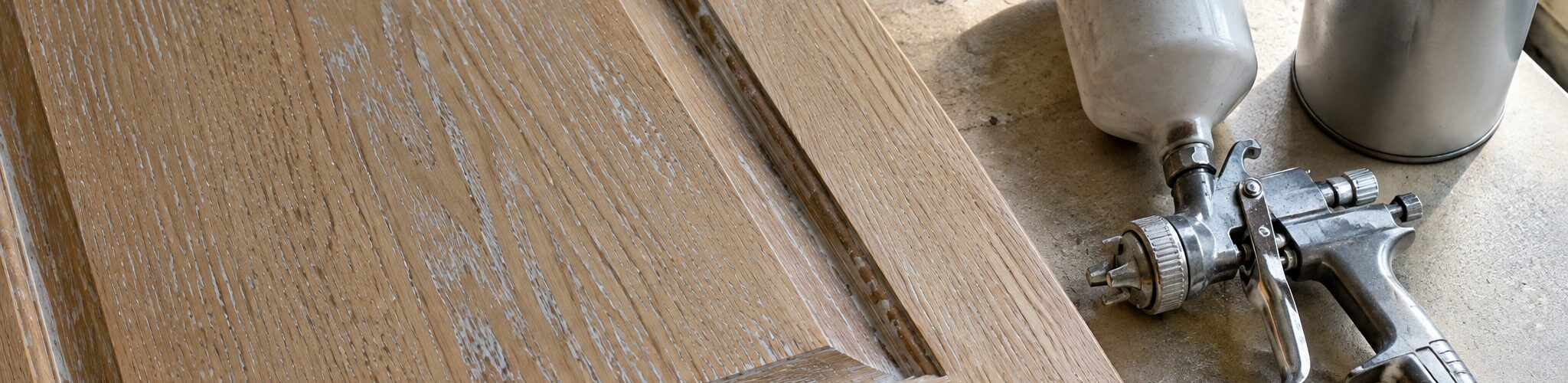
- Use industrial sprayers for doors and drawer fronts
- Maintain a controlled spray shop for off‑site finishing
- Work with cabinet‑grade primers and urethane or lacquer topcoats, not basic wall paint
- Own dust‑collection and ventilation equipment suited to fine finishes
Ask which primer and topcoat brands they use, and why. Pros should have reasons grounded in durability, stain blocking, and yellowing resistance.
Licensing, insurance, and professionalism
Confirm:
- General liability insurance, and workers’ compensation if they use a crew
- Business registration in Colorado
- Written contracts and detailed proposals
- Consistent communication channels and a clear point of contact
Professionalism predicts how the project will go. If basic paperwork is sloppy, expect similar issues on site.
Understanding The Cabinet Painting Process Step By Step
Knowing the process helps you separate true specialists from low‑bid generalists.
Assessment and scope
A thorough site visit should cover:
- Cabinet material: solid wood, veneer, MDF, or laminate
- Existing finish: stained, painted, glazed, or factory finish
- Damage: water swelling, loose doors, broken hinges, smoke or cooking residue
- Access and logistics: condo restrictions, multi‑unit scheduling, occupied vs vacant
From this, you should receive a written scope with line items, not a single vague number.
Preparation and masking
Quality prep in Denver’s dry climate is crucial:
- Degreasing: multiple passes with dedicated cleaners around stoves and handles
- Mechanical abrasion: sanding to promote adhesion, with HEPA vacuum attachment
- Repairs: filling dings, caulking gaps, addressing oak grain if a smooth look is desired
- Masking: plastic and paper protection for counters, floors, appliances, and adjacent rooms
Cheap bids often skip thorough degreasing or sanding, which is where most premature failures start.
Priming and coating
Ask how many coats are standard and under what conditions:
- Primer: bonding and stain‑blocking primers, often shellac or urethane modified, for Denver’s dry air
- Sanding between coats: light sanding for smoothness and adhesion
- Topcoats: typically 2 coats of cabinet‑grade urethane enamel or catalyzed lacquer
Specialists will also adjust for altitude and humidity, for example modifying drying times and spray technique so finishes level properly.

Reinstallation and finishing touches
After doors and drawers cure sufficiently, the crew should:
- Reinstall doors, drawers, and hardware
- Verify alignments and soft‑close functions
- Touch up minor defects on site
- Provide care and cleaning instructions, such as avoiding harsh chemicals for the first 30 days
This final walkthrough is where you can spot details that distinguish a meticulous specialist from a basic painter.
Cost And Timeline For Cabinet Painting Near Denver
Budget and schedule are key for homeowners, flippers, and property managers who must coordinate other trades or listing dates.
Typical price ranges in the Denver metro
Actual pricing varies by condition, size, and finish level, but for context:
| Property Type / Scope | Approximate Range (Denver Metro) |
|---|---|
| Small condo kitchen, 10–15 doors/drawers | $2,000 – $3,200 |
| Average single‑family kitchen, 20–30 pieces | $3,000 – $5,000 |
| Large custom kitchen, 35–50+ pieces | $5,000 – $8,500+ |
| Add‑ons (crown, panels, built‑ins, vanities) | $300 – $1,500+ depending on scope |
Expect higher numbers for heavy grain filling, complex glazing, or color changes from very dark to bright white.
Timeline expectations
For a typical occupied home in Denver:
- On‑site prep and masking: 1–2 days
- On‑site box painting: 1–2 days
- Off‑site door and drawer finishing: 5–10 business days
- Reinstallation and touch‑ups: 1 day
Overall, most projects fall in the 7–14 day window, depending on crew size, drying conditions, and complexity.
Schedule considerations for investors and property managers
If you are flipping or managing multiple units:
- Batch similar units to reuse the same color and product system
- Coordinate cabinet painting before countertop or backsplash installation
- Build in a 2–3 day buffer for unexpected repairs or extended cure time in cold months
Pro Tip: When tight on time, ask specialists if they offer accelerated scheduling for vacant properties, since they can mask more aggressively and work longer hours.
Choosing Cabinet Painting Specialists Near Denver, Colorado
You will find many local options when you search for cabinet painting specialists near Denver, Colorado. Use a structured evaluation process rather than relying only on price or reviews.
Key questions to ask during estimates
Prepare a consistent list for each contractor:
- How many cabinet projects have you completed in the last year, and can you share recent photos from Denver‑area homes?
- What primer and topcoat system do you use, and why is it suited to our climate?
- Do you spray or brush and roll, and where is each method used?
- How do you handle occupied homes versus vacant flips or rentals?
- What is your warranty, and what does it actually cover?
Document answers so you can compare apples to apples.
Evaluating portfolio and references
Look for:
- Before‑and‑after examples of kitchens similar to yours
- Projects with the same door style, such as oak cathedral or flat panel maple
- References in your part of the metro area, for example Lakewood vs Parker, because water quality and environmental factors can differ slightly
Check if a contractor’s finishes hold up in real Denver conditions, not just for staged photo days.
Reading bids the right way
Focus on scope quality, not just numbers:
- Line items for prep, primer, topcoats, hardware changes, and repairs
- Clear note on number of coats and whether grain filling is included
- Specific brand and product names, not generic “premium paint”
When comparing, also factor in scheduling, communication responsiveness, and how thoroughly they inspected your cabinets.
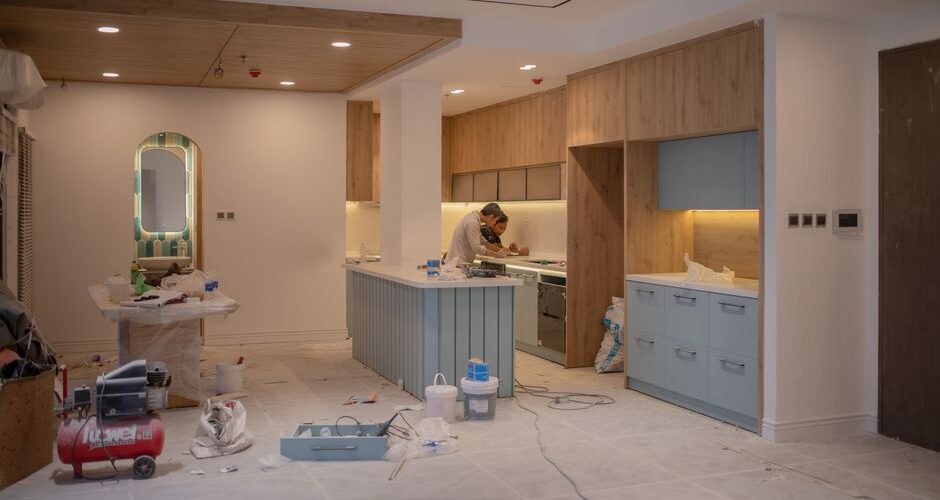
[IMAGE: Cinematic wide shot of a Denver kitchen mid‑project, cabinets masked and doors removed, showcasing professional setup]
Style, Color, And Finish Choices That Work In Denver Homes
The right specialist will guide you on finishes that look good now and age well in Colorado’s climate and market.
Popular cabinet colors for Denver buyers and renters
For resale‑focused renovations and flips:
- Warm whites and soft creams that pair with both warm and cool floors
- Light greiges and taupes for buyers who prefer subtle contrast
- Deeper blues or greens on islands only, with perimeter cabinets in a lighter tone
For rental properties:
- Mid‑tone greige or beige that hides wear better than bright white
- Satin or low‑sheen finishes that show fewer fingerprints
These palettes photograph well in Denver’s bright natural light without appearing washed out.
Sheen and durability considerations
In our dry climate, higher sheens can appear too shiny and show more imperfections. Most specialists recommend:
- Satin or matte‑satin on cabinet frames and doors
- Avoiding flat finishes, which mark too easily
- Considering semi‑gloss only for high‑traffic rental units where wipeability matters more than subtlety
Talk through sheen using actual samples under your kitchen’s lighting.
Coordinating with counters, floors, and backsplashes
Professional cabinet painting does not stand alone. For best results:
- If you have busy granite, keep cabinet colors simple and light
- With solid‑surface or quartz in light tones, consider a slightly deeper cabinet color for definition
- For older floors you do not plan to replace, bring a sample to color selection meetings or share high‑quality photos with your specialist
For more ideas and photos, review local examples from Cabinet Refinishing Services Denver Co Cabinet Painting Services Denver Co Kitchen Cabinet Painting.
Special Considerations For Investors, Designers, And Property Managers
Different audiences around Denver have different priorities, even when they all search for cabinet painting specialists near Denver, Colorado.
Homeowners and new buyers
Primary goals:
- Long‑term durability
- Alignment with personal taste and neighborhood values
- Minimal disruption to daily life
Ask contractors about low‑odor products and how they protect your belongings during work.
Real estate investors and flippers
Primary goals:
- Impact on listing photos and appraised value
- Speed to market
- Broad buyer appeal
Investors often work with specialists who can standardize a few “go‑to” color schemes across multiple projects and who coordinate tightly with stagers and photographers. The article on Professional Cabinet Refinishing Cabinet Painting Services In Metro Denver Colorado offers examples of such standardized systems in the local market.
Interior designers and staging professionals
Primary goals:
- Finish quality visible in close‑up photos and video tours
- Color accuracy between samples and final result
- Consistency with project mood boards and client expectations
Designers benefit from specialists who can produce sample doors and who are comfortable executing more complex finishes such as two‑tone schemes or subtle glazing.
Property managers and multi‑unit owners
Primary goals:
- Durability under heavy use
- Repeatable, predictable results on every unit
- Minimal downtime during turnovers
Look for specialists experienced with multi‑unit schedules, who can coordinate keys, elevator access, and HOA rules. For an example of services structured for larger portfolios, review Professional Cabinet Refinishing Cabinet Painting Services In Metro Denver Colorado 3.
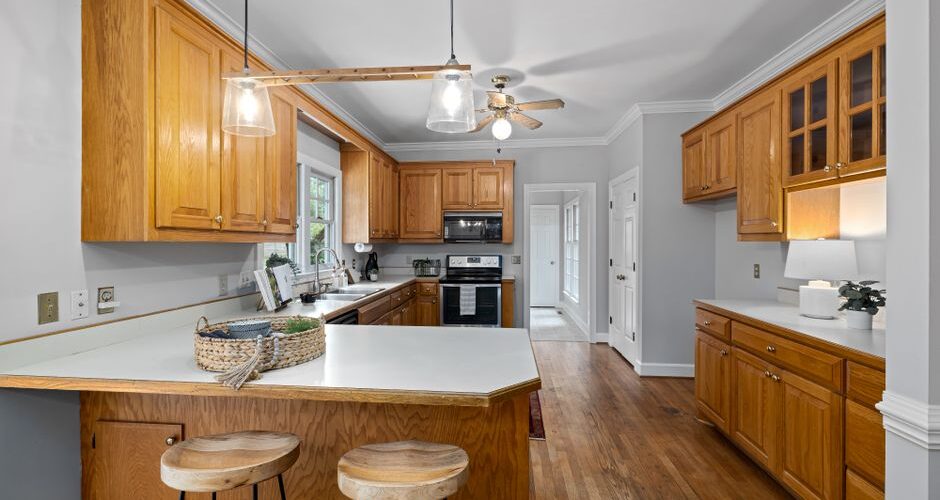
[IMAGE: Cinematic before‑and‑after split image of a dated Denver rental kitchen versus the same space with freshly painted cabinets and modern hardware]
When To Call Cabinet Refinishing Denver
If you are actively comparing cabinet painting specialists near Denver, Colorado, you can use Cabinet Refinishing Denver as a benchmark for process and quality.
Cabinet Refinishing Denver focuses specifically on cabinet refinishing and painting, not just general residential painting. Their team uses cabinet‑grade primers and urethane systems suited to Denver’s climate, offers detailed written scopes, and has experience across occupied homes, high‑end flips, and multi‑unit properties throughout the metro area.
They can help you:
- Evaluate whether your cabinets are good candidates for refinishing versus replacement
- Select colors and sheens that fit your property type and resale or rental goals
- Plan a schedule that works with other trades and minimizes downtime
To see project photos, details of their process, and service areas, visit Cabinet Refinishing Denver at cabinetsrefinishing.com and Learn more about how their approach compares to other cabinet painting specialists near Denver, Colorado.
Putting This Knowledge Into Action
You now have a clear framework for choosing cabinet painting specialists near Denver, Colorado, understanding their process, and aligning the project with your investment or lifestyle goals. Your next steps:
- Shortlist three to five local specialists
- Use the questions and criteria outlined above to request structured bids
- Review portfolios and references with your specific property type in mind
- Confirm schedule and scope in writing before work begins
Handled correctly, cabinet painting can deliver a fresh, modern kitchen or bathroom at a fraction of replacement cost, while standing up to Denver’s climate and daily use for years.
Frequently Asked Questions
How long does cabinet paint typically last in Denver’s climate?
With proper prep, cabinet‑grade products, and normal household use, professionally painted cabinets in Denver often last 8–12 years before needing more than minor touch‑ups. Heavy rental or short‑term rental use can shorten that window. Longevity depends heavily on degreasing, primer choice, and how well moisture and UV exposure are managed, especially near sinks and sunny windows.
Is it worth painting builder‑grade cabinets, or should I replace them?
If your cabinets are structurally sound and practical for your layout, painting is usually more cost‑effective than replacement. In Denver, painting an average kitchen often costs 30–50 percent of full replacement with similar quality boxes. However, if boxes are water‑damaged, poorly constructed, or you plan a major layout change, replacement may be wiser. A specialist can assess this during an on‑site visit.
Can I stay in my home while cabinets are being painted?
Most homeowners in Denver remain in place during cabinet projects. Professional specialists use plastic sheeting, masking, dust control, and low‑odor products to minimize disruption. You will lose full use of the kitchen for several days, so plan simple meals, grilling, or takeout. For sensitive occupants or very tight schedules, some clients choose to be away during the heaviest prep and spraying days.
How should I maintain painted cabinets to avoid chipping and yellowing?
Use mild, non‑abrasive cleaners and soft cloths, and avoid harsh chemicals like bleach or ammonia. Wipe spills promptly, especially around sink bases and dishwashers. Do not hang wet towels on doors, and avoid slamming. Most cabinet paints continue curing for several weeks, so treat surfaces gently during the first month. For white cabinets, limit prolonged direct UV exposure where possible with blinds or shades.
What is the difference between spraying and brushing cabinets?
Spraying, when done by a trained specialist, produces a smoother, more factory‑like finish with fewer visible brush marks, which is ideal for resale or high‑end projects. Brushing and rolling can still perform well for budget‑conscious rentals or small projects but usually show more texture. Many Denver specialists spray doors and drawers in a shop, then brush or spray frames on site, depending on conditions and client goals.

Cabinet, painting, and cabinet refinishing Denver