
Why smart homeowners are choosing cabinet refinishing
If you own a home in the Denver metro area, you have probably felt the sting of rising remodel costs. Full kitchen replacements often run from $30,000 to $80,000, and bathrooms are not far behind. For many homeowners, investors, and property managers, that is simply not a smart use of capital.
Cabinet Painting Service Areas in Denver & Surrounding Cities, Cabinet Refinishing in Denver County,
Serving Lakewood, CO, Littleton, CO, Golden, CO, Evergreen CO, Roxborough Park CO, Ken Carl Ranch CO,
Arvada, CO, Wheat Ridge, CO,
and Parker CO. Castle Pines CO. Englewood CO. Centennial CO.
Cabinet Painting in Arapahoe County, CO
Including Centennial, CO, Greenwood Village, CO,
Cherry Hills Village, CO, Englewood, CO,
and Aurora, CO.
Cabinet Painting in Adams County & Broomfield, CO
Cabinet staining and refinishing services for homeowners offer a different path. You keep your existing cabinet boxes and layout, and focus on transforming the visible surfaces. When done correctly, you can cut project costs by 40 to 60 percent compared with full replacement, while still achieving a factory quality finish.My Review of Graco FFLP Tips for Spraying Cabinets
This guide walks through how professional cabinet refinishing works, what to expect at each step, and how to decide between staining, painting, or a complete refinish. It is written for homeowners, real estate investors, and contractors in the Denver area who want a durable, high end look without a full gut renovation.
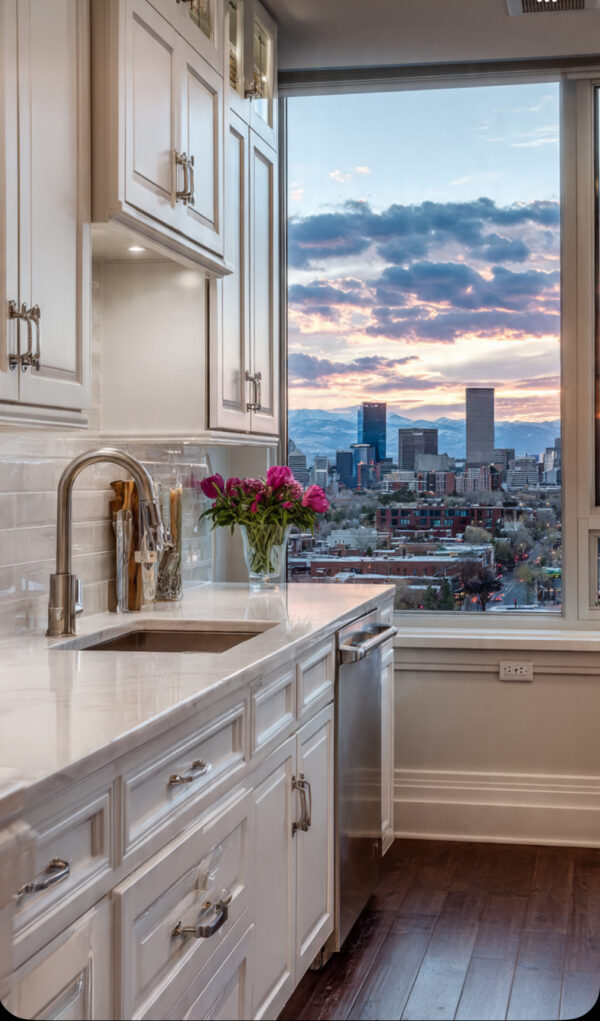
Cabinet is Refinishing and staining services for all homeowners.
Stain, paint, or refinish: choosing the right approach
Before you hire a refinishing company, you need clarity on terminology. Many homeowners use “staining,” “painting,” and “refinishing” interchangeably, although they are not the same service.
When cabinet staining is the right choice
Staining enhances the natural wood grain rather than covering it. It is ideal when:
- You have solid wood doors and face frames in decent condition
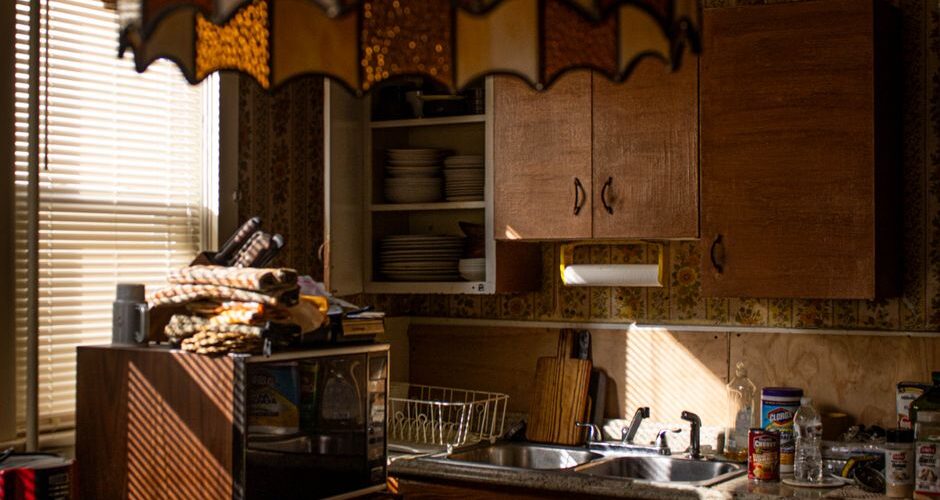
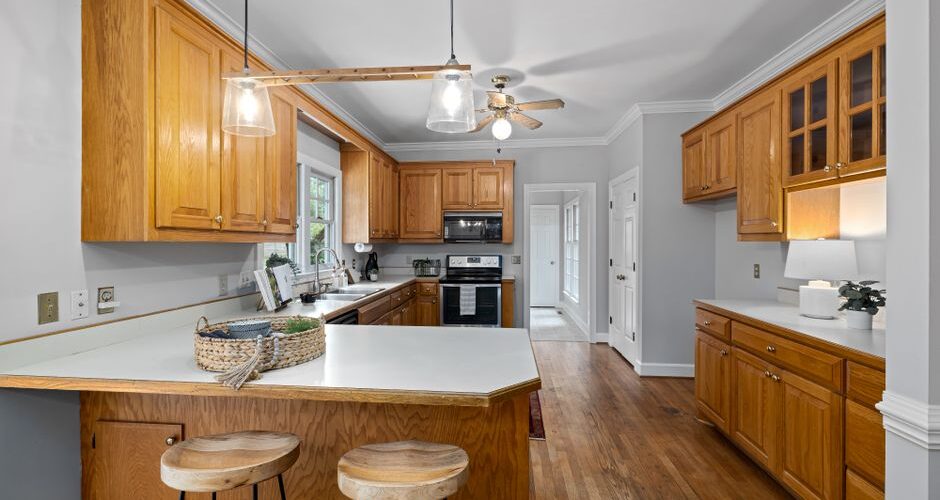
- You like the look of wood, but not the current color, such as orange oak from the 1990s
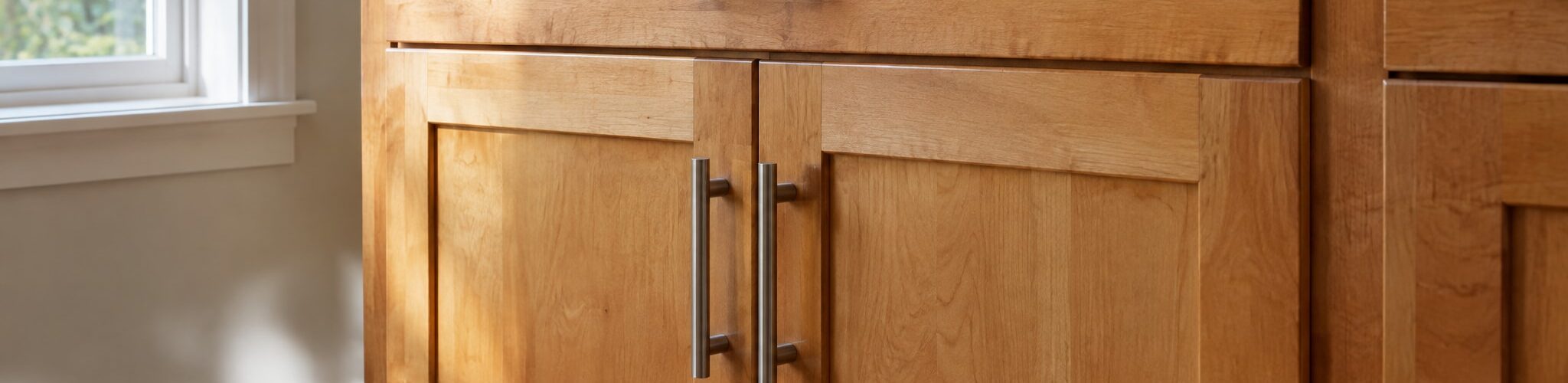
- You want a richer, more modern tone, perhaps walnut, espresso, or a cool-toned gray-brown
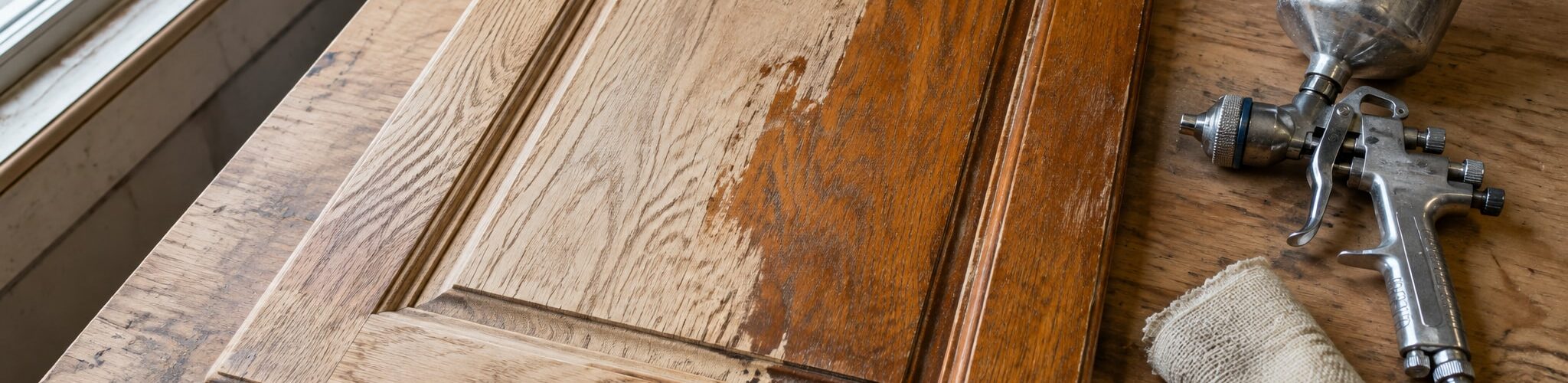
Staining typically involves:
- Stripping or sanding away the existing finish
- Applying a penetrating stain in one or more coats
- Protecting the surface with clear topcoats such as lacquer or conversion varnish
Because stain does not hide grain or defects, it is less forgiving on damaged or heavily filled surfaces.
When cabinet painting is a better fit
Painting covers the wood completely. It works especially well when:
- You have dated grain patterns that you want to minimize
- Doors are a mix of solid wood and MDF
- You prefer crisp, solid colors like white, greige, navy, or black
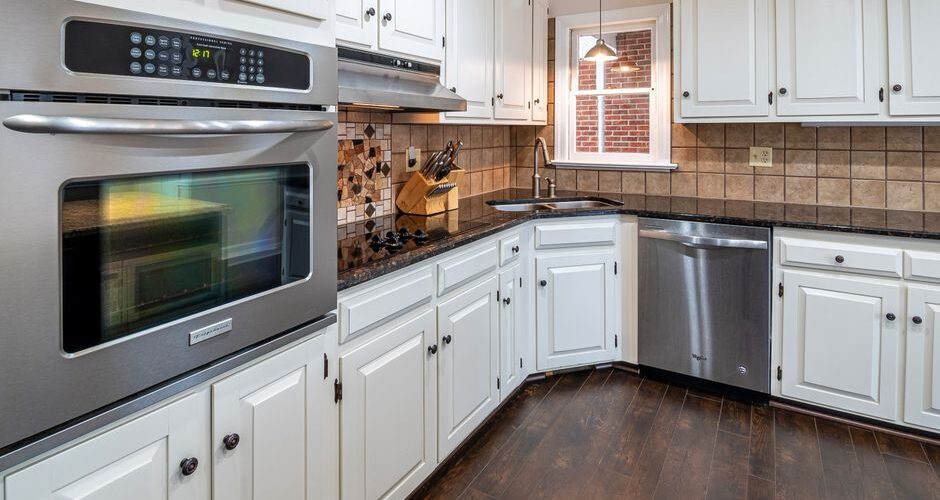
Professional cabinet painting often provides the biggest visual transformation for resale, particularly in starter homes and rentals. For detailed information on finishes and color options, see Cabinet Refinishing Services Denver Co Cabinet Painting Services Denver Co Kitchen Cabinet Painting.
What “refinishing” really covers
Refinishing is the broader category. It may include:
- Cleaning, degreasing, and deglossing existing surfaces
- Minor repairs, caulking, and wood filler
- Either stain or paint, plus protective clear coats
If you are comparing quotes in Denver, ask each contractor what is specifically included under “refinishing,” especially number of coats, spraying versus brushing, and whether doors are finished off-site.
Key Takeaway: Decide first whether you want to see wood grain or a solid painted color. That single choice drives everything else about your cabinet refinishing project.
What to expect from professional cabinet staining and refinishing
Quality refinishing is far more than a quick sand and new color. A professional process is systematic and predictable, which is especially important for investors and property managers working on tight timelines.
Typical step by step process
Here is how a well run refinishing project usually unfolds:
- Assessment and color consultation
The contractor inspects cabinet material, existing finish, and damage. You review stain samples or color decks in your actual lighting, which avoids surprises. - Jobsite preparation and protection
Surfaces are masked, floors and counters are covered, and dust control is set up. For occupied homes, containment is crucial so you can still live in the space. - Cleaning and surface prep
Cabinets are degreased to remove cooking residue, then scuffed sanded or chemically stripped depending on the existing finish. Any loose doors, cracks, or dings are repaired. - Priming or stain conditioning
For paint, a bonding primer is applied that resists chipping. For stain, a conditioner may be used on blotchy woods like pine or maple. - Stain or paint application
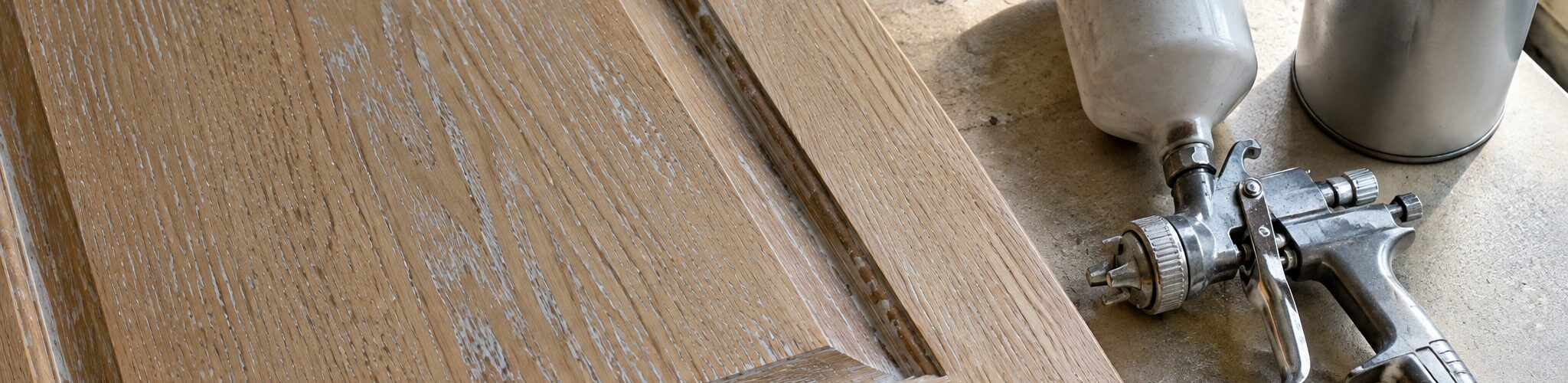
Pros almost always spray doors and drawer fronts to achieve a smooth, factory-level finish. Frames may be sprayed or brushed, depending on the space and ventilation. - Clear coats and curing
Several coats of durable topcoat are applied, then allowed to cure fully. This is what determines how long your cabinets actually last. - Reassembly and hardware
Doors are reinstalled, adjustments are made, and new handles or pulls are added if needed.
[IMAGE: Close-up cinematic shot of a professional spraying stain on cabinet doors in a controlled shop environment, with overspray curtains and proper lighting]
Project timelines and livability
For an average Denver metro kitchen with 25 to 35 doors and drawers, a professional refinishing team typically needs:
- 3 to 5 days of active on-site work
- 1 to 2 additional days for full curing before heavy use
Occupied homes can usually keep basic kitchen functionality for most of the project, especially if doors are finished off-site and only frames are worked on in the home.
Cost, ROI, and value for different property types
Most homeowners evaluate cabinet refinishing based on cost and resale value. The numbers are often compelling compared with full replacement or custom cabinetry.
Typical cost ranges in Denver metro
Actual pricing depends on size, material, and finish complexity, but these ballpark ranges are common:
| Project type | Typical range (Denver) | Notes |
|---|---|---|
| Small kitchen, painting only | $3,000 – $4,500 | 15–20 doors |
| Average kitchen, painting or staining | $4,500 – $7,500 | 25–35 doors, moderate prep |
| Large kitchen with island and hutch | $7,500 – $11,000 | 40+ doors, detailed finishes |
| Add-on bathrooms or laundry rooms | +$800 – $2,000 each | Often discounted with kitchen |
By contrast, replacing cabinets entirely in the same homes will often run:
- At least $12,000 to $20,000 for stock or semi custom cabinets
- $25,000 and up for custom work
Return on investment for key audiences
- Homeowners planning to sell in 1 to 5 years
Freshly refinished cabinets can make your listing photos pop and often help your home compete with newer builds. National remodeling reports regularly show minor kitchen updates recouping 70 to 80 percent of cost at resale, which is more efficient than full gut remodels. - Real estate investors and flippers
Refinishing lets you redirect budget to other value drivers such as countertops or flooring. For mid range flips, painting dated oak cabinets white and updating hardware is frequently the highest ROI cosmetic upgrade in the kitchen. - Property managers for multi unit buildings
Consistent refinishing across units can standardize finishes, reduce future maintenance, and justify rent increases without lengthy vacancies.
For additional examples of cost effective transformations in Denver, Golden, and Arvada, review Cabinet Refinishing Cabinet Painting Services Denver Co Golden Co Arvada Co Kitchen Cabinet Painting.
Pro Tip: If you plan new countertops, refinish cabinets first. It protects your investment because contractors will not be working over brand new counters with sanders and sprayers.
Design decisions that make refinished cabinets look custom
A professional finish is only part of the story. Your design choices are what make the kitchen feel elevated instead of “just painted.”
Color and stain strategy
For Denver area homes, some consistently successful directions include:
- Light painted finishes
Soft whites and warm greiges brighten spaces, especially in older homes with smaller windows. They also photograph exceptionally well for listings and rental ads. - Mid to dark stains on flat panel or Shaker doors
Rich espresso or walnut tones pair well with contemporary hardware and light countertops. This works nicely in open plan homes where the kitchen connects to the living area. - Two tone combinations
Darker island, lighter perimeter, or light uppers with darker lowers. Two tone layouts add depth without a huge cost increase.
If your doors are high quality wood, consider a stain update instead of paint so the grain becomes a feature, not a flaw.
Hardware and hinge upgrades
Refinishing is the ideal time to:
- Add modern pulls or knobs in black, brushed nickel, or brass
- Convert to soft close hinges and drawer slides
- Correct awkward or poorly placed hardware from previous installs
Relatively small hardware investments often produce an outsized visual impact. Many Denver homeowners spend $200 to $600 on new hardware and feel the kitchen looks several price brackets higher.
Coordinating with counters, backsplash, and flooring
Cabinets dominate the visual field. Plan finishes in this order:
- Cabinet color or stain
- Countertop material, whether quartz, granite, or solid surface
- Backsplash and grout
- Flooring tone
This sequence prevents clashing undertones and makes the space look intentionally designed, even if you are updating in phases over several months.
Quality checks and questions to ask before you hire
Not all cabinet staining and refinishing services for homeowners are equal. The difference between a two year finish and a ten year finish usually lies in prep, products, and process control.
Vetting refinishing contractors
When interviewing refinishing companies, ask:
- Do you spray or brush doors and drawer fronts?
- Where are doors finished, in home or off site?
- What specific primers, stains, and topcoats do you use?
- How many coats are included, and what are the dry times between coats?
- Do you offer a written warranty, and what does it cover?
Professional operations in Denver should be very comfortable answering these questions and explaining why they use their specific system.
Red flags to avoid
Be cautious if you hear:
- “We just scuff and shoot, that is good enough”
- “We use wall paint on cabinets, it is all the same”
- “No need to remove doors, we can paint everything in place”
Shortcuts like these may look acceptable in week one, but they often lead to chipping, blocking, or peeling within a year, especially around high use areas like sink bases and trash pull outs.
How to inspect finished work
Before making final payment:
- Look across doors at a low angle to check for sagging, runs, or heavy orange peel texture
- Open and close doors to confirm they do not stick together or to the frames
- Examine high touch edges and profile details for proper coverage
If anything feels “tacky” more than a few days after completion, raise it with your contractor. Proper cabinet coatings should cure to a hard, cleanable surface.
[IMAGE: Cinematic wide shot of a finished Denver kitchen with freshly refinished white shaker cabinets, dark island, quartz counters, and updated hardware]
When refinishing is not the right solution
While refinishing is highly effective, there are scenarios where it is not your best investment.
Structural or layout issues
Refinishing will not fix:
- Poor kitchen layouts, such as tight corners or badly placed appliances
- Severely water damaged boxes, particularly under sinks
- Cheap cabinet boxes that are already sagging or separating
In these cases, full or partial cabinet replacement may be the smarter long term move.
Laminate and thermofoil surfaces
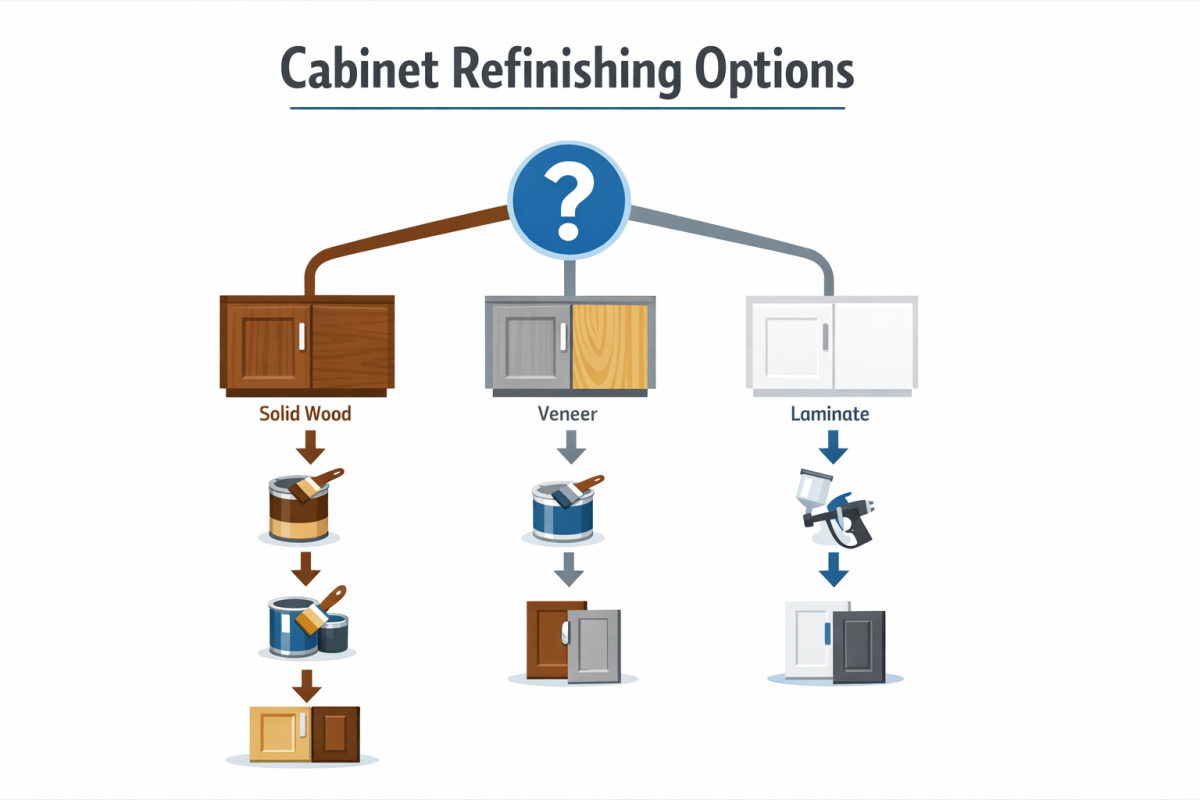
Some laminate or thermofoil doors can be refinished, but not all. Success depends on:
- How well the existing layer is adhered
- Whether edges are failing or peeling
- The specific products used for bonding
An experienced refinisher will test adhesion before accepting the job. If they will not, consider that a warning sign.
Important: If cabinet doors are extensively warped, delaminated, or swollen from moisture, refinishing will only mask the issue temporarily. Replacement is usually more cost effective over five to ten years.
How Cabinet Refinishing Denver can support your project
For homeowners, investors, and property managers in the Denver metro area, working with a specialist can remove guesswork and risk.
Cabinet Refinishing Denver focuses specifically on high quality cabinet staining, painting, and refinishing, with systems tailored to Colorado’s dry climate and UV exposure. Projects are typically managed with:
- Off site spraying for doors so your home stays cleaner
- Durable, cabinet grade coatings designed to resist chipping and yellowing
- Clear scheduling so you know exactly which days your kitchen will be impacted
If you are comparing replacing versus refinishing, or trying to coordinate cabinets with upcoming counters and flooring, explore their services and project photos at Cabinet Refinishing Denver. Learn more about how your existing cabinets can be transformed without a full remodel: Learn more.
For a closer look at door specific finishes and factory style results, see their Cabinet Door Refinishing Service Get A Flawless Factory Finish page.
Putting your cabinet refinishing plan into action
To move from research to results, use this simple sequence:
- Decide whether you want visible wood grain with stain, or a solid painted finish.
- Take clear, well lit photos of your kitchen or bath cabinets from multiple angles.
- Measure the number of doors and drawer fronts for accurate quoting.
- Speak with at least one refinishing specialist who can explain their process and show before and after examples from similar homes in your area.
- Align cabinet refinishing with any planned countertop or flooring changes so work happens in the most efficient order.
Handled correctly, cabinet staining and refinishing services for homeowners can make your kitchen or bathroom feel entirely new, without the disruption or cost of full replacement.
Frequently Asked Questions
How long does cabinet refinishing typically last?
With proper prep and quality materials, professionally refinished cabinets usually last 8 to 15 years before needing more than minor touch ups. Longevity depends on usage, humidity, and how well you clean and maintain them. Using cabinet grade primers, topcoats, and correct dry times is critical. Avoid harsh cleaners and always wipe spills quickly to extend the life of the finish.
Is it cheaper to refinish cabinets or replace them?
In most Denver area projects, refinishing costs 40 to 60 percent less than full cabinet replacement. Refinishing reuses your existing boxes and doors, which avoids demolition, new cabinet construction, and often keeps countertops in place. Replacement makes sense if cabinets are structurally failing or the layout is poor, but for solid, reasonably well built boxes, refinishing is usually the more cost effective choice.
Can laminate or thermofoil cabinets be refinished?
Some laminate and thermofoil cabinets can be refinished successfully, but it depends on their condition and material. If the outer layer is peeling, bubbling, or separating at the edges, refinishing may not hold up well. A skilled refinisher will test adhesion and may recommend replacement doors in extreme cases. For well bonded laminates, specialized primers and coatings can produce a durable, painted finish.
How disruptive is cabinet refinishing to daily life?
Compared with a full remodel, cabinet refinishing is relatively low disruption. Most projects take 3 to 5 days of on site work, and many teams remove doors to finish them off site, which keeps dust and fumes lower. You may lose full use of the kitchen for a day or two during heavy spraying or sanding, but basic functions like refrigeration and cooking can usually continue with minor adjustments.
What maintenance do refinished cabinets need?
Refinished cabinets are straightforward to care for. Use mild, non abrasive cleaners and soft cloths, not harsh chemicals or scouring pads. Wipe spills promptly, especially around sink bases and dishwashers where moisture accumulates. Avoid hanging wet towels on doors, which can cause long term damage around hinges. With these habits, your new finish should stay attractive for many years.