

Cabinet refinishing in the Denver metro costs $3,500 to $8,500 for a typical kitchen in 2026, with most Denver projects landing between $4,000 and $8,500. That is $10,000 to $35,000 less than new cabinet installation, which runs $15,000 to $45,000. These numbers apply directly to homeowners in Denver, Golden, Arvada, Lakewood, and Wheat Ridge.
Table of Contents
- What is cabinet refinishing, and how is it different from repainting or refacing?
- How much does cabinet refinishing cost in Denver, Golden, Arvada, Lakewood and Wheat Ridge in 2026?
- What does the professional cabinet refinishing process actually involve?
- How do Colorado's dry climate and altitude affect dry and cure times?
- Can you refinish or restain golden oak cabinets common in Golden, Arvada and Lakewood homes?
- Which cabinet colors and stains are trending in the west Denver metro in 2026?
- How does Cabinet Refinishing Denver handle a refinishing project from quote to cure?
- How do you care for refinished cabinets so the finish lasts?
- Key Takeaways
- References
What is cabinet refinishing, and how is it different from repainting or refacing?
Cabinet refinishing is a full-surface restoration process that cleans, degreases, sands, repairs, grain-fills, stains or primes, and then spray-applies a factory-grade topcoat to existing cabinet boxes and doors. The goal is a smooth, durable finish that looks like it came from a cabinet factory, not a brush.
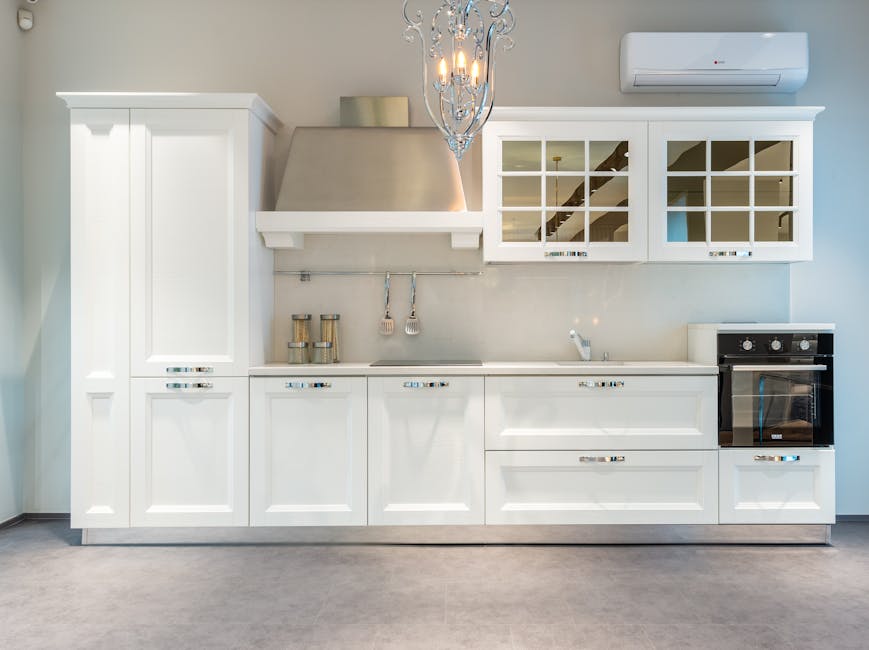
Refinishing is not the same as repainting. Repainting typically means a house painter brushes latex paint onto cabinet surfaces. According to cabinetspainting.com, brushed latex finishes chip in 6 to 12 months, while sprayed precatalyzed lacquer lasts 10 or more years. Refinishing also differs from refacing. Kitchen Tune-Up Arvada Westminster describes refacing as replacing door fronts while keeping existing cabinet boxes intact.
Refinishing makes sense when cabinet boxes are structurally solid but the finish is worn, dated, or damaged. Refacing works when doors are damaged but boxes are fine. Full replacement is only necessary when the layout has failed or the boxes themselves are compromised. For most west-metro Denver homes, refinishing is the lowest-cost path to a factory-like result.
How much does cabinet refinishing cost in Denver, Golden, Arvada, Lakewood and Wheat Ridge in 2026?
Cabinet refinishing in Denver costs $4,000 to $8,500 for a typical kitchen in 2026, with the broader refinishing average at $3,500 to $8,000, according to Cabinet Refinishing Denver. A small galley kitchen usually lands at the lower end of that range. A standard 10×10 kitchen sits in the middle. Large open-plan kitchens with islands and extended cabinet runs reach the upper end.
Per-door and per-drawer pricing varies by condition, grain fill needs, and color changes. Cabinets with heavy oak grain require more prep work than smooth maple or painted surfaces. cabinetspainting.com reports that most Denver kitchens cost $3,500 to $7,500 to spray with factory lacquer.
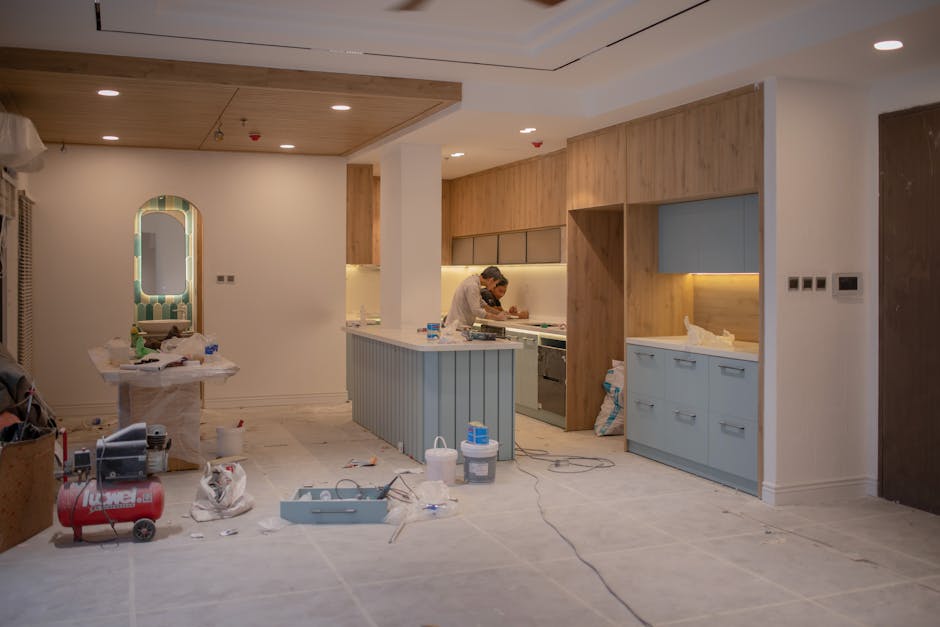
New cabinet installation runs $15,000 to $45,000 in the Denver market. The average Denver homeowner saves about $18,000 by choosing refinishing over replacement, according to Cabinet Refinishing Denver. Golden residents typically save $15,000 to $25,000 by refinishing existing cabinets instead of replacing them.
West-metro pricing in Golden, Arvada, Lakewood, and Wheat Ridge tracks close to Denver proper. Minor variation comes from travel time and shop logistics, not from a meaningful difference in labor or materials.
What does the professional cabinet refinishing process actually involve?
The professional refinishing process starts with removing all doors and drawer fronts. Boxes and face frames stay in place and are sprayed on-site. Doors and drawers go to a controlled shop environment for spraying, according to cabinetspainting.com.
Next comes cleaning and degreasing. Every surface gets stripped of cooking oils, hand oils, and old wax. Sanding follows to create a mechanical bond for primer. Repairs and grain fill come after sanding. Open grain, dents, and scratches get filled so the final surface is smooth.
The coating sequence matters. Tall Pines Painting applies 1 to 2 coats of primer followed by 2 to 4 coats of pigmented polyurethane. Cabinet Refinishing Denver uses a pre-catalyzed lacquer primer, then sprays a final coat of industrial-strength water-borne acrylic. For the final step, the company's painters prefer high-quality oil enamel because it dries smoother and harder.
Pigmented polyurethane topcoats can be color-matched to any shade. Cure time runs 1 to 2 weeks before the kitchen should go back into full daily use. Light use is possible after a few days, but the finish needs time to reach full hardness.
How do Colorado’s dry climate and altitude affect dry and cure times?
Low humidity and high altitude accelerate surface dry but can trap solvents if coats are applied too fast. A finish that feels dry to the touch may still be soft underneath. That is why shop-based spraying with controlled conditions produces a more consistent finish than on-site brushing in Colorado.
The dry air pulls moisture out of water-borne coatings quickly. This is good for speed but bad for leveling if the applicator rushes. Solvent-based lacquers and conversion varnishes flash off fast at altitude. Professional refinishers account for this by adjusting thinner ratios and recoating windows.
Practical cure-time guidance for Denver-area homeowners: light use after a few days, full cure over 1 to 2 weeks. The 1 to 2 week project window for refinishing already builds in Colorado cure time. New cabinet installation takes 4 to 8 weeks by comparison.
Can you refinish or restain golden oak cabinets common in Golden, Arvada and Lakewood homes?
Yes, golden oak is one of the most common cabinet types in Golden, Arvada, and Lakewood homes, and it is a strong candidate for refinishing. cabinetspainting.com states that the company specializes in Golden Oak grain-cover and laminate/MDF cabinets.
There are two paths for golden oak. Restaining keeps the wood grain visible while changing the tone. This works well when the homeowner wants a darker or more neutral wood look. Grain-covering and painting produces a smooth modern finish with no visible oak grain.
Grain fill is the step that lets oak take a painted finish without the grain telegraphing through. Without it, the open pores of oak show through the paint and create a textured look. Properly sprayed oak cabinets hold up for 10 or more years, according to cabinetspainting.com.
Which cabinet colors and stains are trending in the west Denver metro in 2026?
The trending 2025 to 2026 cabinet colors for Denver and the west metro are sage green, warm terracotta, deep navy, soft cream, and charcoal gray, according to Cabinet Refinishing Denver. These shades read well in west-metro homes with large windows and open floor plans.
Sage green and soft cream work especially well in Golden and Wheat Ridge homes with mountain views. Deep navy and charcoal gray anchor larger kitchens in Arvada and Lakewood. Warm terracotta adds warmth to spaces with lots of natural light.
Pigmented polyurethane and lacquer topcoats can be matched to any color, so the palette is not limited to stock shades. Two-tone designs with darker lowers and lighter uppers remain popular in Arvada and Wheat Ridge remodels.
How does Cabinet Refinishing Denver handle a refinishing project from quote to cure?
Cabinet Refinishing Denver starts every project with a free estimate and price quote. The company's average cost range is $3,500 to $8,000, and completion takes 1 to 2 weeks. The process uses shop-based spraying for doors and drawer fronts while boxes and frames are sprayed on-site.
The company offers cabinet refinishing, cabinet painting, cabinet glazing, cabinet restoration, and factory-finish spray painting with lacquer rather than house paint. Low-V.O.C. products are used throughout, which matters for occupied homes and Colorado air-quality sensibilities.
All work is backed by a 3-year warranty. The shop-based spraying workflow keeps dust out of the home and produces a more consistent finish than on-site brushing. Homeowners in Denver, Golden, Arvada, Lakewood, and Wheat Ridge can expect a factory-like result without the factory price.
How do you care for refinished cabinets so the finish lasts?
Use soft cloths and mild soap rather than abrasive cleaners or scrubbing pads. Sprayed lacquer and conversion varnish tolerate normal kitchen use but not solvent-based cleaners. Avoid hanging damp towels on doors, and keep steam and heat away from the finish.
Touch up chips early to prevent moisture from getting under the coating. Keep the original color code on file so future touch-ups match. Annual cleaning with a gentle degreaser keeps the finish looking fresh without breaking down the topcoat.
Key Takeaways
- Cabinet refinishing in Denver costs $4,000 to $8,500 for a typical kitchen in 2026, with a broader average of $3,500 to $8,000.
- New cabinet installation runs $15,000 to $45,000, so refinishing saves Denver-area homeowners $10,000 to $35,000.
- Golden residents typically save $15,000 to $25,000 by refinishing instead of replacing.
- Refinishing takes 1 to 2 weeks, while new cabinet installation takes 4 to 8 weeks.
- Sprayed precatalyzed lacquer lasts 10 or more years, while brushed latex house paint chips in 6 to 12 months.
- Trending 2026 colors for the west Denver metro include sage green, warm terracotta, deep navy, soft cream, and charcoal gray.
- Cabinet Refinishing Denver backs all work with a 3-year warranty and uses low-V.O.C., shop-sprayed lacquer products.
References
- Cabinet Painting and Refinishing in Evergreen, Golden, and the Denver Foothills — Tall Pines Painting, date unknown
- Cabinet Refinishing and Cabinet Painting Denver, Metro, Golden, Arvada — Cabinet Refinishing Denver, date unknown
- Cabinet Painting Denver | Factory Finish Specialists — cabinetspainting.com, date unknown
- Arvada Westminster Custom Cabinets, Refacing & Restoration — Kitchen Tune-Up Arvada Westminster, date unknown