


Cabinet Painting Denver CO
Understanding Refacing vs Refinishing In Denver’s Market
If you are planning a kitchen or bath update in the Denver area, you have probably heard two similar sounding terms: cabinet refacing and cabinet refinishing. They are not the same thing, and choosing the wrong one can easily add thousands to your project or leave you disappointed with the results.
Put simply:
- Cabinet refinishing keeps your existing boxes and doors, and restores or changes the finish with paint or stain.
- Cabinet refacing keeps the boxes, but replaces doors and drawer fronts, then adds a new veneer to the cabinet frames so everything looks brand new.
Both can be smart alternatives to full replacement, especially for Denver homeowners and investors trying to balance resale value with budget. The right choice depends on your cabinets’ condition, your design goals, and how long you plan to keep the property.
Key Takeaway: Refinishing is primarily a finish upgrade, refacing is a finish plus door replacement upgrade. The more you change, the higher the cost, but also the bigger the transformation.
What Cabinet Refinishing Actually Involves
Cabinet refinishing is a finishing process that keeps all existing components in place, which is why it is often the most budget friendly way to transform a kitchen.
Core Refinishing Process
A professional refinishing project in Denver typically involves:
- Cleaning and degreasing all surfaces
- Light to moderate sanding or mechanical abrasion
- Repairs to minor dings, nail holes, and surface flaws
- Priming with an adhesion primer suited to the existing finish
- Spraying or brushing new paint, or applying new stain and clear topcoats
- Reinstalling doors and drawers, often with new hardware
The structure of the cabinet does not change. You are investing in the coating system, not the cabinetry components.
For more technical detail on how professional refinishers approach this process in the Denver climate, see the local resource on cabinet refinishing and cabinet painting services in Denver.
When Refinishing Makes Sense
Refinishing is usually the best fit when:
- Your cabinet boxes are solid, level, and functional
- You are satisfied with the existing layout and door style
- You want a color change, not a full style change
- Your timeline is tight and you need minimal downtime
- You are working within a modest renovation budget
Typical use cases:
- A Denver homeowner updating oak cabinets to a modern painted finish before selling
- A real estate investor freshening a rental kitchen between tenants
- A property manager updating multiple units to a neutral white or greige
What You Can and Cannot Change With Refinishing
Refinishing can:
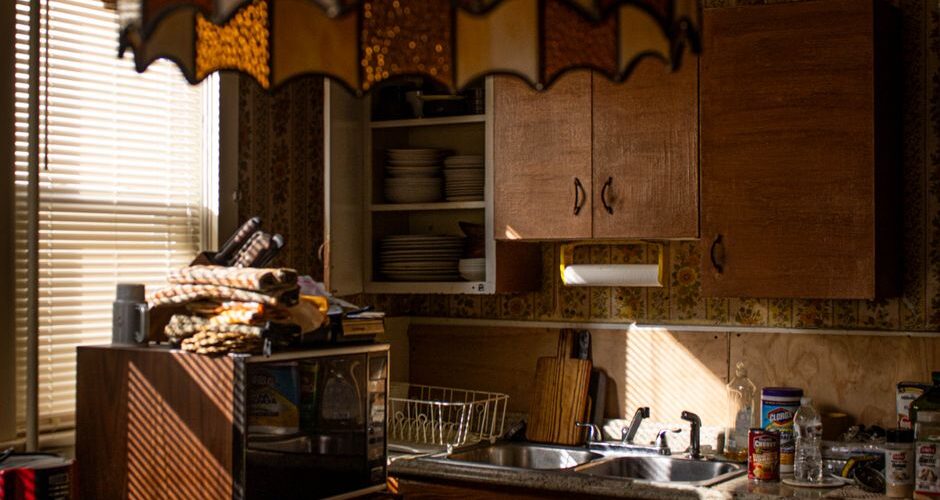
- Change color dramatically, for example honey oak to crisp white
- Shift from stained wood to painted or the reverse
- Improve durability with higher quality lacquers or urethanes
- Hide many small surface imperfections
Refinishing cannot:
- Change the door style, such as from raised panel to flat slab
- Correct major layout issues, sagging boxes, or structural damage
- Eliminate heavy water damage, swollen particle board, or delamination
Pro Tip: If you dislike the profile or shape of your door and drawer fronts, refinishing alone will not solve that problem. You will need refacing or full replacement to change style.
What Cabinet Refacing Involves And How It Differs
Refacing combines a cosmetic update with new cabinet fronts, so the transformation is closer to getting a new kitchen without replacing boxes.
Core Refacing Process
A typical professional refacing project includes:
- Evaluating box structure for level, plumb, and stability
- Removing all existing doors and drawer fronts
- Installing new doors and drawer fronts in your chosen style
- Applying matching veneer or laminate to the face frames and any exposed cabinet sides
- Updating hinges, and often adding new knobs or pulls
- Optional extras like crown molding, light rail, or panels
The cabinet boxes remain, but every visible surface gets a new skin.
Style Flexibility With Refacing
Refacing allows:
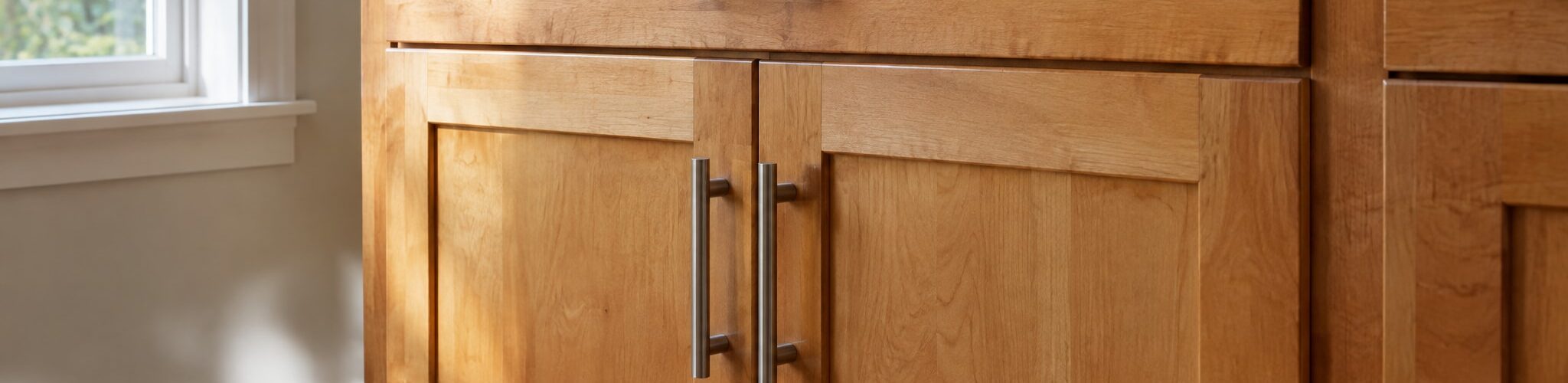
- Switching from arched raised panel to clean Shaker or slab
- Moving from golden oak to a modern painted white or deep charcoal
- Combining wood grain lower cabinets with painted uppers
- Adding decorative end panels so exposed cabinet sides look finished and custom
This is why many Denver homeowners choose refacing when they want a showpiece kitchen without paying for full custom cabinetry.
When Refacing Is The Better Choice
Refacing is often the right fit when:
- Your boxes are in good shape, but the doors look dated
- You want a noticeable style change for resale value
- You plan to stay in the home for several years and want a more custom result
- You own a higher end property where door design impacts perceived quality
House flippers in neighborhoods like Highlands Ranch or Arvada might choose refinishing for entry level homes but step up to refacing on higher value flips where buyers expect updated styles.
Cost, Timeline, And Disruption Compared
For most readers in the Denver metro area, cost, downtime, and return on investment are just as important as design.
Side by Side Overview
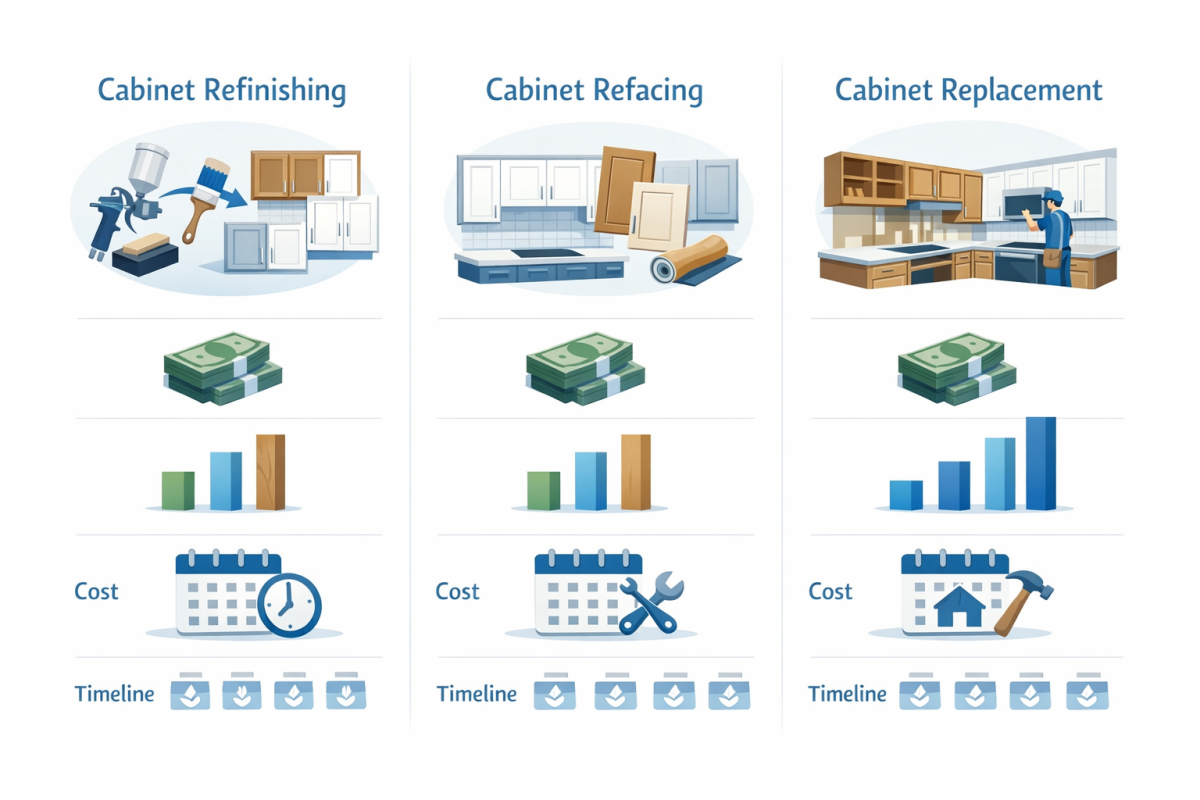
| Factor | Refinishing | Refacing |
|---|---|---|
| Typical cost vs replacement | Roughly 30 to 40 percent of full replacement | Roughly 50 to 70 percent of full replacement |
| Primary changes | New color and finish only | New doors, drawer fronts, and frame veneer |
| Timeline | About 3 to 7 days in most homes | About 5 to 10 days, depending on kitchen size |
| Kitchen usability | Limited but often partially usable during work | More disruption, more surfaces removed and replaced |
| Impact on layout | None | None, boxes stay put |
| Visual transformation | Moderate to dramatic, depending on color shift | Dramatic, often “new kitchen” appearance |
Costs vary by cabinet count, door style, and materials, but refinishing almost always comes in lower than refacing for the same kitchen.
Key Takeaway: If you primarily want a color change and your doors are acceptable, refinishing gives the best cost to impact ratio. If you dislike the door style or edge profile, refacing justifies the extra investment.
Denver Specific Cost Considerations
In the Denver market, several local factors influence pricing for both methods:
- Higher labor rates compared to many non metro areas
- Popular demand for painted finishes, which require more surface prep
- Altitude and low humidity, which affect dry times and product selection
- Access and parking considerations in dense neighborhoods or multi unit buildings
Working with a contractor who understands these conditions, such as specialists focused on cabinet refinishing in Denver and surrounding cities like Brighton and Arvada, helps avoid schedule surprises. My Review of Graco FFLP Tips for Spraying Cabinets
Durability, Maintenance, And Denver’s Climate
A finish that looks great on day one is not enough. Denver’s elevation, strong UV exposure, and dramatic humidity swings can stress cabinet coatings.
How Refinishing Holds Up
Professional refinishing with quality products can be very durable when:
- Surfaces are properly cleaned and deglossed
- An adhesion primer formulated for slick factory finishes is used
- Multiple coats of cabinet grade enamel, lacquer, or urethane are applied
In Denver, high quality waterborne enamels specifically rated for cabinets are common. They resist yellowing, cure harder than wall paint, and are easier to touch up than factory baked finishes.
Maintenance tips:
- Clean with mild soap and water, avoid harsh degreasers
- Use soft cloths rather than abrasive pads
- Wipe spills quickly around sinks and dishwashers
How Refaced Cabinets Perform
Refaced cabinets use factory finished doors and drawer fronts combined with frame veneer or laminate. Durability depends on:
- The quality and thickness of the veneer or laminate
- Adhesion to the existing frames
- Matching clear coat protection on all exposed wood
In many cases, refaced doors are as durable as new midrange cabinets, especially when using rigid thermofoil or high pressure laminates. However, veneer edges and seams must be well executed to prevent lifting over time.
Climate And Material Choices
In Denver’s dry, sunny environment:
- Darker colors can show wear faster on heavily used doors
- South facing kitchens may experience more UV exposure
- Solid wood doors can move slightly with seasonal changes
Important: Ask your contractor which specific products they use and how they perform in local conditions. Not all cabinet paints and veneers are formulated for Colorado’s combination of low humidity and intense sun.
How To Decide: Refinishing Or Refacing For Your Project
The right choice depends on more than budget. Homeowners, investors, and designers should evaluate condition, aesthetics, resale, and long term plans.
Assess Your Existing Cabinets
Start by evaluating:
- Box structure: Are cabinets square, sturdy, and securely attached?
- Material: Solid wood, plywood, or particle board?
- Water damage: Any swelling, rot, or delamination?
- Door style: Do you dislike only the color, or also the shape and profile?
If boxes are weak, rotted, or severely out of level, neither refinishing nor refacing is wise. Full replacement is more appropriate.
Match The Project To The Property
Think about the property type:
- Owner occupied homes: Consider how long you plan to stay. If more than 5 years and you want a style overhaul, refacing can be a better long term investment.
- Rental properties: Refinishing is usually ideal, especially with durable neutral colors that are easy to touch up between tenants.
- Flips: Many flippers in the Denver metro choose refinishing for cost control, reserving refacing for high end projects where buyers expect fresh door styles.
- Multi unit buildings: Refinishing often delivers the best balance of speed, consistency, and ROI across many kitchens.
Design Goals And Future Flexibility
Ask yourself:
- Are you planning to change countertops or keep them?
- Do you want to add crown molding or decorative panels?
- Are you planning to update appliances and lighting at the same time?
If you are keeping existing countertops, refinishing is less invasive around the counter to cabinet joint. Refacing near fragile stone or tile requires careful handling.
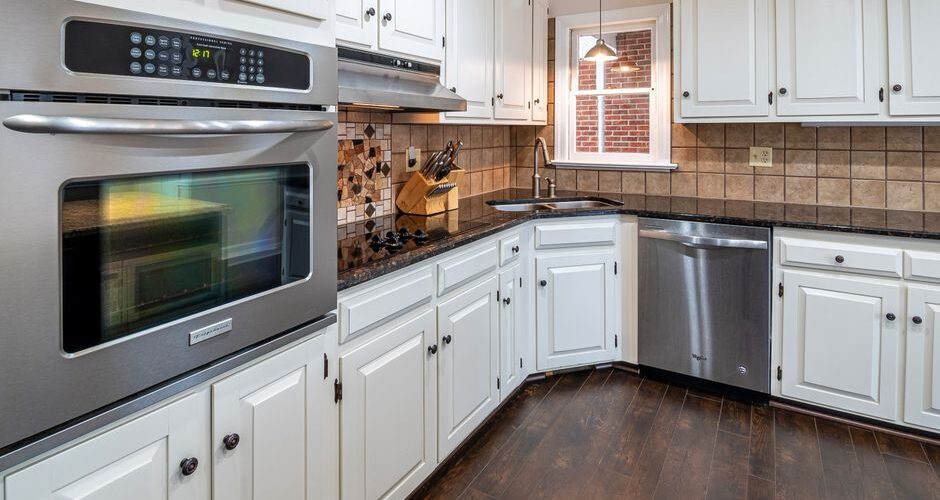
[IMAGE: Cinematic wide shot of a Denver kitchen, split view: left side cabinets refinished white, right side original oak finish]
Practical Examples For Denver Area Projects
To make the difference clearer, it helps to walk through typical local scenarios.
Example 1: Owner Occupied Wash Park Bungalow
- Existing cabinets: Solid oak, raised panel doors, structurally sound
- Goal: Brighter, more modern kitchen without moving walls
- Budget: Midrange, willing to invest for long term enjoyment
Options:
- Refinishing: Paint all cabinets soft white, upgrade hardware, keep classic door profile.
- Refacing: Replace doors with Shaker style, apply smooth painted veneer to frames, add crown and light rail for a semi custom look.
Here, refacing produces a more contemporary look that better aligns with renovated homes in the neighborhood, which may justify the higher cost.
Example 2: Aurora Rental Turnover
- Existing cabinets: Flat panel maple, minor wear, boxes in good shape
- Goal: Fast refresh to command higher rent
- Budget: Tight, across multiple units
Refinishing in a durable, renter friendly off white or greige is usually the smart choice. It keeps costs predictable, can be repeated across units, and coordinates with simple laminate or quartz counters.
Example 3: Highlands Fix And Flip
- Existing cabinets: Early 2000s cherry, heavy wear on lowers
- Goal: Modern, clean look that photographs well for online listings
- Budget: Focus on visible surfaces that impact buyer perception
Depending on cabinet condition, the investor might choose:
- Refinishing to a light, modern color with new pulls, which creates a dramatic before and after
- Or refacing with Shaker doors if the existing arch top doors look too dated for the target buyer
Real-World Example: Many Denver flippers combine refinishing with strategic upgrades, such as adding soft close hinges and new hardware. This approach keeps cabinet costs lower while still delivering a “new kitchen” feel in listing photos.
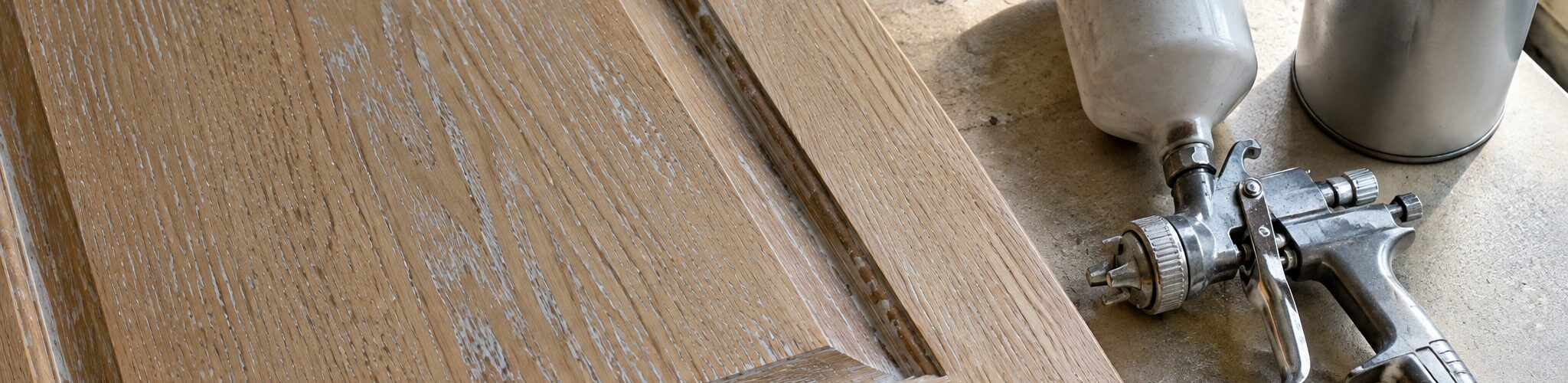
[IMAGE: Cinematic close up of a cabinet door being spray finished in a professional shop, with Denver skyline blurred in background]
Local Expertise And When To Bring In A Specialist
Cabinet work looks simple on the surface, but refacing and refinishing require solid prep and product knowledge. Mistakes are expensive and hard to hide in the center of your home.
A Denver based specialist can:
- Evaluate if your cabinets qualify for refinishing or refacing
- Identify hidden issues, such as moisture damage under sinks
- Recommend coatings and systems that perform in Colorado’s climate
- Coordinate with countertop and backsplash installers to avoid damage or rework
For readers comparing bids or planning multi property projects, exploring a local focused resource like Cabinet Refinishing Denver, Denver Cabinets Refinishing can provide additional process detail, finish options, and project photos that reflect real Denver homes.
When You Are Ready To Update: Your Next Steps
If you are still deciding between refacing and refinishing, follow this simple path:
- Inspect your cabinets for structural issues, water damage, or significant warping.
- Decide whether your main frustration is color, door style, or both.
- Consider your timeline, budget, and how long you will own the property.
- Gather 2 to 3 estimates that clearly specify whether they are quoting refinishing or refacing, and what products they will use.
- Ask to see local projects completed at least one year ago to judge how the finishes have held up.
Cabinet Refinishing Denver: A Focused Solution
If your assessment suggests refinishing is the right fit, Cabinet Refinishing Denver specializes in exactly this type of work for homeowners, investors, and property managers across the metro area. Their services are designed to:
- Transform dated stained cabinets into modern, durable painted finishes
- Minimize kitchen downtime with efficient, proven processes
- Use cabinet grade products suited to Denver’s dry, high altitude environment
- Coordinate across multiple units for consistent results in investment properties
You can explore service details, finish options, and service areas at cabinetsrefinishing.com.
Call to action: If you want a professional opinion on whether your project is better suited for refinishing or refacing, or you are ready to schedule an estimate, visit Cabinet Refinishing Denver and learn more.
Frequently Asked Questions
What is the main difference between cabinet refacing and refinishing?
Refinishing keeps your existing doors and boxes, and changes only the finish through sanding, priming, and applying new paint or stain. Refacing keeps the boxes, but replaces doors and drawer fronts and covers the cabinet frames with matching veneer or laminate. Refacing offers a bigger style change, while refinishing mainly delivers a color and finish update at a lower cost.
Is cabinet refinishing cheaper than refacing in Denver?
Yes, in most Denver projects, refinishing is significantly less expensive than refacing. Refinishing typically costs around one third to two fifths of full replacement, while refacing might be half to two thirds of replacement. Exact pricing depends on kitchen size, door count, materials, and prep work needed, but if budget is tight and you like your door style, refinishing usually offers the best value.
How long do refinished or refaced cabinets last?
With proper prep and quality products, refinished cabinets often perform well for 8 to 15 years, depending on use and care. Refaced cabinets, which use new factory finished doors and veneers, can last as long as comparably priced new cabinets, often 15 to 20 years or more. Longevity in Denver also depends on factors like sun exposure, humidity, and how aggressively the cabinets are cleaned.
Can all cabinets be refinished or refaced?
Not all. Cabinets with severe water damage, sagging boxes, extensive particle board swelling, or structural issues are poor candidates for either method. Refinishing also struggles on cabinets with heavy peeling or flaking veneer. A site evaluation is essential. If the boxes are not solid and stable, full replacement is usually more cost effective than putting new finishes or doors on a failing structure.
Which option is better for resale value in Denver?
Both can improve resale, but the better choice depends on the neighborhood and buyer expectations. In entry to midrange homes, a clean, modern refinishing job in popular colors often provides the best return on investment. In higher end areas, buyers may respond more strongly to the updated door styles available with refacing. In all cases, quality of workmanship and color selection matter as much as the chosen method.