
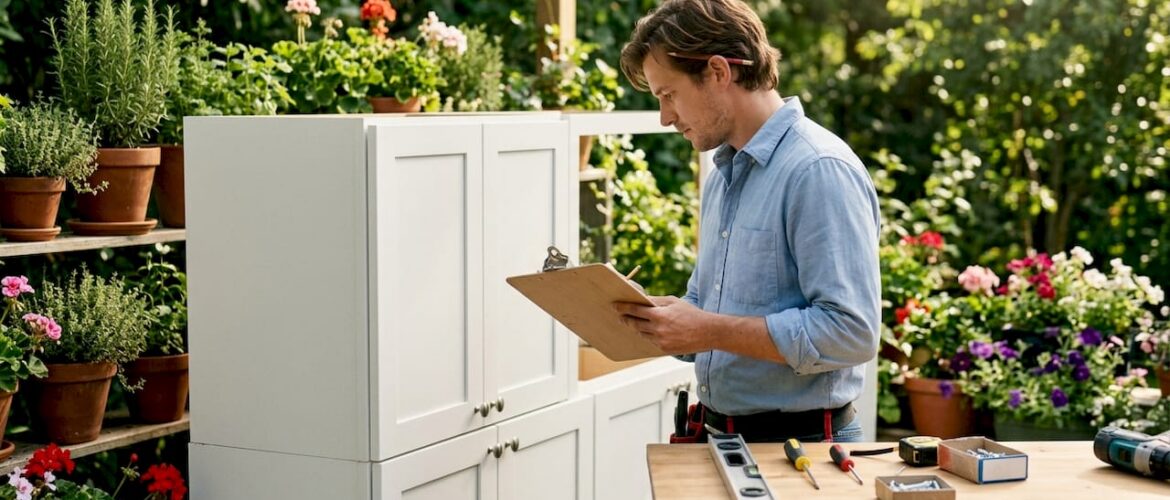
Tenant-proof cabinet finish options are defined as coatings that resist daily wear, moisture, stains, and abrasion while maintaining a clean appearance across multiple tenancy cycles. The industry standard for this level of protection is catalyzed two-part coatings, specifically conversion varnish and 2K polyurethane, which deliver factory-grade hardness with a lifespan of 15–20 years in high-traffic rental settings. For property owners and renters alike, choosing the right finish is not a cosmetic decision. It is a financial one that directly affects maintenance costs, vacancy time, and long-term cabinet value.
## 1. What are the best tenant-proof cabinet finish options?
The top tier of durable cabinet finishes for rentals starts with catalyzed two-part coatings. Conversion varnish and 2K polyurethane cure through chemical cross-linking rather than simple evaporation. That process creates a film that is significantly harder and more resistant than anything applied with a brush or roller on-site.
Below the premium tier, thermofoil and melamine finishes serve high-turnover units well. These materials resist moisture, scratches, and stains with an expected lifespan of 10–15 years. They clean easily with standard household products and cost far less than catalyzed coatings.
- Conversion varnish: Best for long-term rentals. Excellent chemical and moisture resistance. Requires professional application.
- 2K polyurethane: Comparable durability to conversion varnish. Slightly more flexible, which reduces chipping on cabinet edges.
- Thermofoil: Budget-friendly. Wraps around MDF for a smooth, seamless surface. Vulnerable to heat near stove areas.
- Melamine: Flat panel finish applied at the factory. Extremely easy to clean. Limited color options compared to painted finishes.
- Factory-applied paint with catalyzed topcoat: Combines color flexibility with professional-grade protection. The best middle-ground option for most rental kitchens.
Pro Tip: Always specify a satin or semi-gloss sheen when ordering factory-finished cabinets for a rental. These sheens hide minor scuffs better than matte while cleaning up faster than high gloss.
2. How factory-applied finishes outperform site-painted cabinets
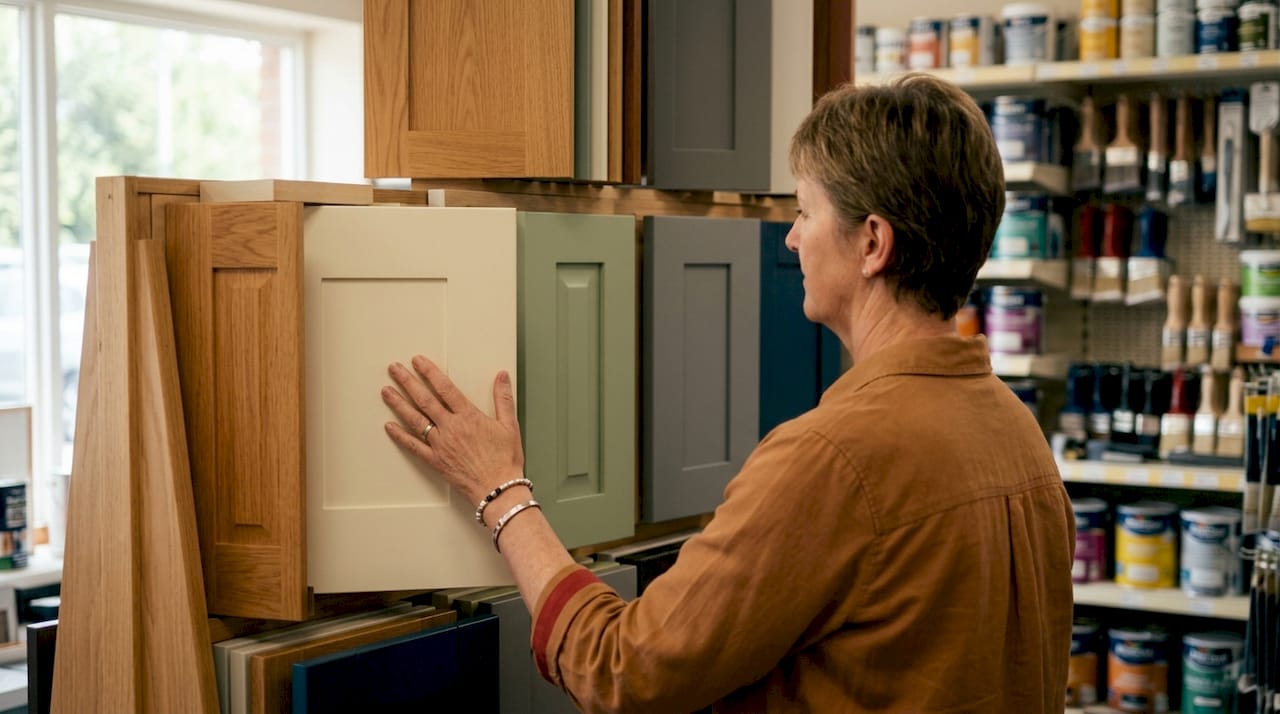
Factory-finished cabinets last significantly longer than site-painted ones. Factory finishes last up to 20 years versus five years or less for site-applied coatings. That gap exists because factory environments control temperature, humidity, and film thickness in ways that a job-site painter simply cannot replicate.
Cabinet Painting Service Areas in Denver & Surrounding Cities, Cabinet Refinishing in Denver County,
Serving Lakewood, CO, Littleton, CO, Golden, CO, Evergreen CO, Roxborough Park CO, Ken Carl Ranch CO,
Arvada, CO, Wheat Ridge, CO,
and Parker CO. Castle Pines CO. Englewood CO. Centennial CO.
Cabinet Painting in Arapahoe County, CO
Including Centennial, CO, Greenwood Village, CO,
Cherry Hills Village, CO, Englewood, CO,
and Aurora, CO.
Cabinet Painting in Adams County & Broomfield, CO
Serving Lakewood, CO, Littleton, CO, Golden, CO, Evergreen CO, Roxborough Park CO, Ken Carl Ranch CO,
Arvada, CO, Wheat Ridge, CO,
and Parker CO. Castle Pines CO. Englewood CO. Centennial CO.
Cabinet Painting in Arapahoe County, CO
Including Centennial, CO, Greenwood Village, CO,
Cherry Hills Village, CO, Englewood, CO,
and Aurora, CO.
Cabinet Painting in Adams County & Broomfield, CO
Site-painted cabinets cure by evaporation. Factory coatings cure by chemical cross-linking, which produces a much denser and harder film. The practical result is that site-painted cabinets commonly show edge and hinge wear within 3–5 years, while factory coats hold up for 15–20 years under the same conditions.
For landlords calculating return on investment, this difference is decisive. Paying more upfront for a factory-grade finish eliminates multiple rounds of touch-up painting between tenants. That saves both money and vacancy time over a five-year ownership window.
3. How finish types perform in high-traffic rental settings
Catalyzed finishes resist chemicals, grease, and repeated cleaning with household cleaners without breaking down. Conversion varnish, in particular, excels in moisture resistance and is the standard choice for kitchen and bathroom cabinetry in commercial settings. That same chemistry applies directly to rental properties with heavy daily use.
Thermofoil and melamine perform well under normal cleaning but have specific failure modes. Edge lifting is the most common problem with thermofoil, especially near heat sources. Melamine can chip at corners if struck by heavy objects. Neither finish is repairable in the field the way a painted surface can be touched up.
| Finish Type | Moisture Resistance | Scratch Resistance | Repairability | Lifespan |
|---|---|---|---|---|
| Conversion varnish | Excellent | Excellent | Moderate | 15–20 years |
| 2K polyurethane | Excellent | Excellent | Moderate | 15–20 years |
| Thermofoil | Good | Good | Poor | 10–15 years |
| Melamine | Good | Moderate | Poor | 10–15 years |
| Site-applied latex paint | Poor | Poor | Easy | 3–5 years |
Pro Tip: For rental kitchens, avoid matte finishes entirely. They absorb grease and cooking residue and cannot be scrubbed without dulling the surface. Satin is the practical minimum for any tenant-facing cabinet.
4. Which sheens and colors are most tenant-friendly?
Satin and semi-gloss finishes offer the best balance of washability and fingerprint resistance for rental kitchens. Satin hides minor wear while semi-gloss cleans faster, making both far more practical than matte or high-gloss options. High gloss shows every fingerprint and scratch, which creates a maintenance burden that compounds over multiple tenancies.
Color selection is equally important. Neutral tones, specifically whites, off-whites, warm grays, and greiges, appeal to the widest range of tenants. Neutral color schemes enable faster touch-ups and reduce vacancy downtime because they match virtually any countertop or flooring combination a new tenant might bring.
Colors and sheens to prioritize:
- White and off-white: Timeless, easy to match, and widely available in factory-finish programs.
- Warm gray and greige: More forgiving of minor discoloration than pure white. Photograph well for rental listings.
- Satin sheen: The default choice for most rental kitchens. Cleans well and hides light scuffs.
- Semi-gloss sheen: Preferred for high-humidity areas like kitchens near the sink or bathrooms.
Colors and sheens to avoid:
- Brass or gold-toned finishes: Date quickly and appeal to a narrow tenant pool.
- Dark saturated colors: Show dust and watermarks prominently. Harder to touch up without visible patches.
- High gloss: Amplifies every scratch and fingerprint. Requires constant cleaning to look presentable.
5. What substrate and finish pairings work best for rentals?
The substrate under the finish determines how well that finish holds up over time. MDF with thermofoil or laminate overlay is the most durable pairing for budget rentals. MDF substrates with thermofoil or laminate resist moisture and clean easily, making them the standard choice in high-traffic rental environments.
Solid wood and plywood substrates paired with factory-applied catalyzed paint offer the best combination of aesthetics and longevity for mid-range to premium rentals. Wood substrates hold fasteners better than MDF, which matters when tenants repeatedly open and close cabinet doors over years of use. The factory-applied catalyzed topcoat then provides the chemical resistance that wood alone cannot deliver.
Site-painted wood cabinets are the weakest pairing for rental use. The wood grain telegraphs through brush-applied paint, and the soft cure of latex or alkyd coatings means the surface dents and scratches within the first year of occupancy. For landlords considering a rental property upgrade, moving from site-painted wood to a factory-finished MDF or plywood cabinet is the single highest-impact change available.
6. How to match finish choice to your budget and rental type
The right finish depends on how frequently the unit turns over and how much damage each tenant cycle typically produces. High-end rentals with long-term tenants justify the investment in catalyzed two-part coatings. The 15–20 year lifespan means the finish outlasts multiple lease cycles without requiring refinishing.
High-turnover units with shorter leases benefit most from thermofoil or melamine finishes. These materials cost less upfront and clean quickly between tenants. The trade-off is that they cannot be repaired when damaged. A chipped thermofoil door requires full replacement rather than a spot touch-up.
Practical guidance by budget:
- Budget rentals (high turnover): Thermofoil on MDF. Easy to clean, affordable to replace individual doors when damaged.
- Mid-range rentals: Factory-applied paint with catalyzed topcoat on plywood. Balances cost, repairability, and longevity.
- Premium or long-term rentals: Conversion varnish or 2K polyurethane on solid wood or plywood. Maximum lifespan with professional-grade appearance.
Professional refinishing delivers the best return on investment when cabinets are structurally sound but cosmetically worn. Cabinet refinishing between tenant turnovers extends cabinet life with durable finishes and costs a fraction of full replacement. Cabinetsrefinishing completes most projects in 3–5 days, which minimizes vacancy time between tenants. For a deeper look at preparation techniques before any refinishing project, the cabinet sanding guide from Cabinetsrefinishing covers the steps that determine whether a new finish bonds properly or fails within months.
For renters planning a move, understanding what finishes are already in place helps set realistic expectations about what cleaning products are safe to use. A rental move guide for families covers how to maintain cabinet surfaces without voiding lease agreements or causing damage that triggers deposit deductions.
Key Takeaways
The most durable tenant-proof cabinet finishes are factory-applied catalyzed coatings, which outlast site-painted alternatives by 10–15 years and reduce total maintenance costs across multiple tenancy cycles.
| Point | Details |
|---|---|
| Top finish for durability | Catalyzed two-part coatings (conversion varnish, 2K polyurethane) last 15–20 years in rental settings. |
| Best budget option | Thermofoil and melamine on MDF resist moisture and clean easily with a 10–15 year lifespan. |
| Factory beats site-applied | Factory finishes last up to 20 years; site-painted cabinets typically fail within 3–5 years. |
| Sheen matters | Satin and semi-gloss sheens clean better and hide wear more effectively than matte or high gloss. |
| Color drives turnover speed | Neutral tones enable faster touch-ups and appeal to more tenants, reducing vacancy downtime. |
What I’ve learned after years of watching landlords get this wrong
Most landlords choose cabinet finishes based on what looks good in a showroom. That is the wrong starting point. A rental kitchen is not a showroom. It is a commercial surface that gets wiped down with bleach, splashed with cooking oil, and scraped by pots and pans every single day.
The landlords who spend the least on cabinet maintenance over time are the ones who paid for factory-applied catalyzed finishes at the start. They are not refinishing cabinets every three years. They are not patching chipped paint between every tenant. The upfront cost is higher, but the math over a decade is not close.
The second mistake I see constantly is choosing matte finishes because they look sophisticated. Matte finishes in a rental kitchen are a liability. They cannot be scrubbed without dulling. They absorb grease. They show every handprint. Satin is the minimum acceptable sheen for any surface a tenant will touch daily.
Neutral colors are not boring. They are a business decision. A landlord who picks a trendy cabinet color in 2026 will be repainting in 2029 because it looks dated and prospective tenants are walking away. Off-white and warm gray do not go out of style. They also photograph well, which matters when you are listing the unit online.
The most durable kitchen cabinet paint is always the one applied correctly in a controlled environment. Hiring a professional who uses catalyzed coatings and proper surface preparation is not a luxury. For a rental property, it is the lowest-cost long-term decision available.
— Jesse
Professional refinishing that delivers lasting results for rentals
Worn or outdated cabinets do not require full replacement to become tenant-proof. Cabinetsrefinishing applies factory-grade catalyzed coatings using the same multi-layer preparation process used in commercial cabinet manufacturing. The result is a finish that resists daily rental wear without the $15,000 to $40,000 cost of new cabinetry.
Refinishing costs through Cabinetsrefinishing range from $3,000 to $8,000, and most projects finish in 3–5 days. That turnaround keeps vacancy windows short and gets rental units back on the market fast. For landlords in the Denver area, cabinet refinishing in Denver is available with free estimates. Call or text 720-219-9716 to schedule a consultation and get a finish that holds up through every tenant cycle.
FAQ
What is the most durable finish for rental cabinets?
Catalyzed two-part coatings, specifically conversion varnish and 2K polyurethane, are the most durable finish for rental cabinets. These factory-applied coatings last 15–20 years in high-traffic settings.
How long do thermofoil cabinets last in a rental?
Thermofoil cabinets last 10–15 years in rental properties with proper care. They are best suited for high-turnover units where affordability and easy cleaning matter more than repairability.
What sheen is best for rental kitchen cabinets?
Satin and semi-gloss sheens are the best choices for rental kitchens. Both clean easily and hide minor wear better than matte, without showing fingerprints as prominently as high gloss.
Can rental cabinets be refinished instead of replaced?
Professional refinishing with catalyzed coatings extends cabinet life and costs a fraction of full replacement. Cabinetsrefinishing completes most refinishing projects in 3–5 days, minimizing vacancy time between tenants.
Why do factory-finished cabinets outperform painted ones in rentals?
Factory finishes cure through chemical cross-linking, creating a harder and denser film than site-applied paint, which cures only by evaporation. That difference in chemistry produces a surface that resists wear, moisture, and stains far longer than brush-applied coatings.
Recommended
- Cabinet Refinishing Between Tenant Turnovers: A Landlord’s Guide – Cabinet Refinishing and Cabinet Painting Denver 720-219-9716
- Cabinet Painting for Rentals: Landlord’s ROI and Durability.
- What is the most Durable Cabinet Paint? A professional Guide
- Why Matte Finish Suits Cabinet Painting in 2026 720-219-9716