
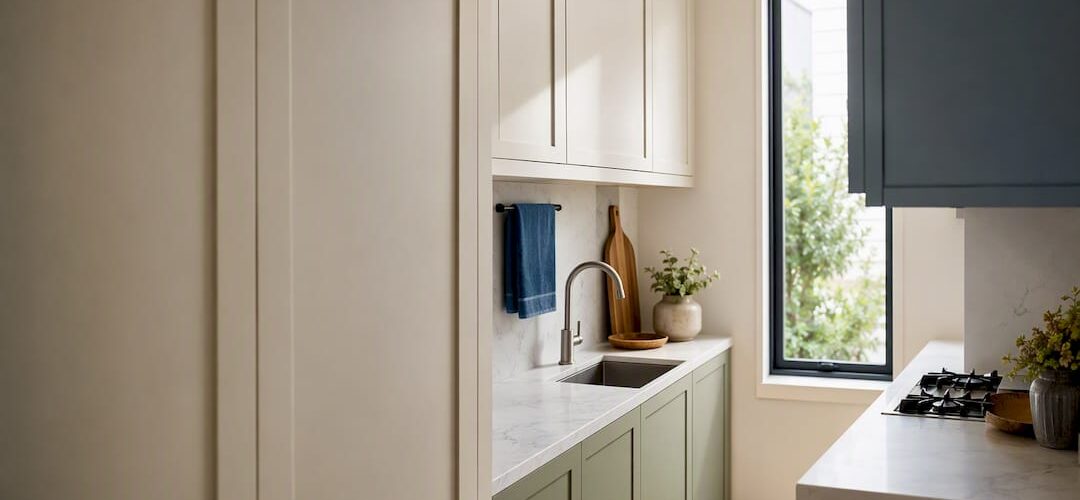
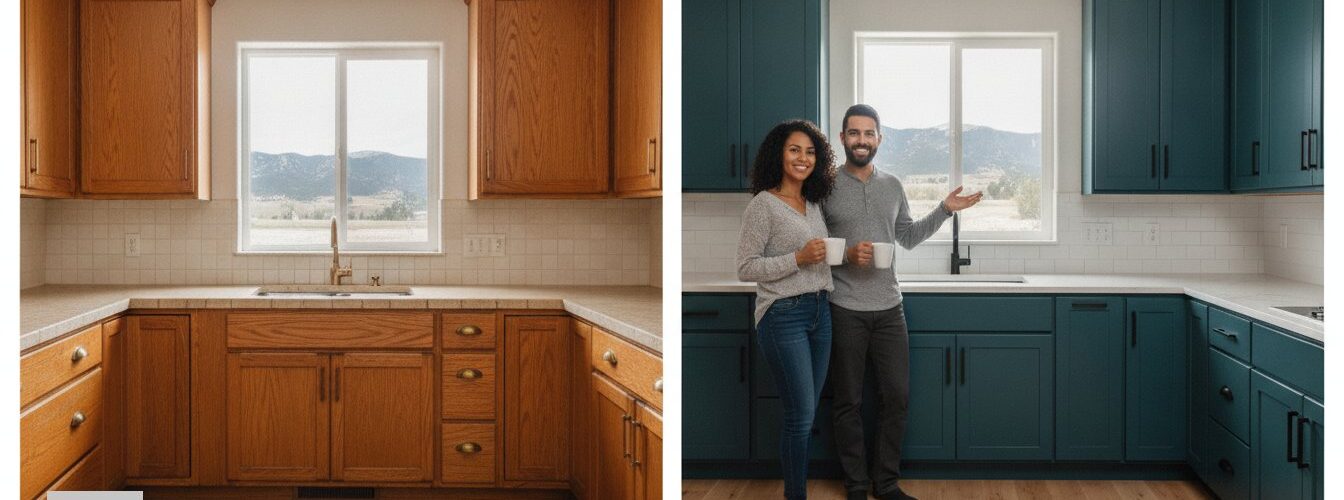
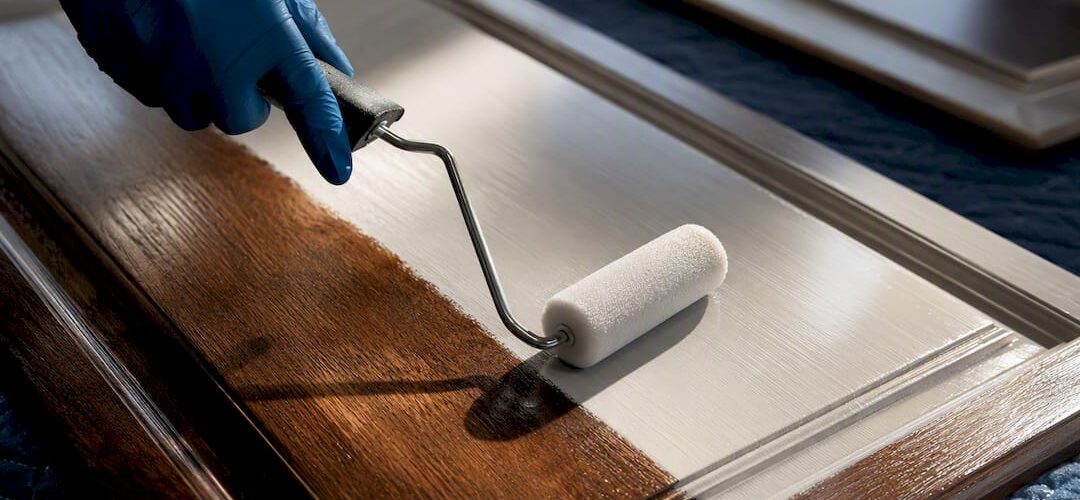

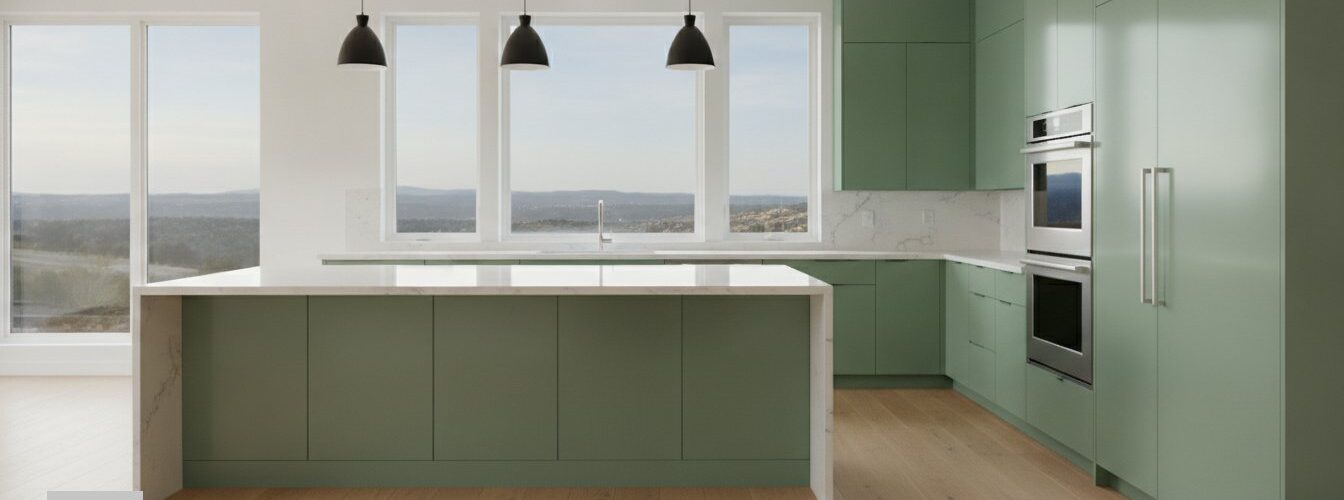
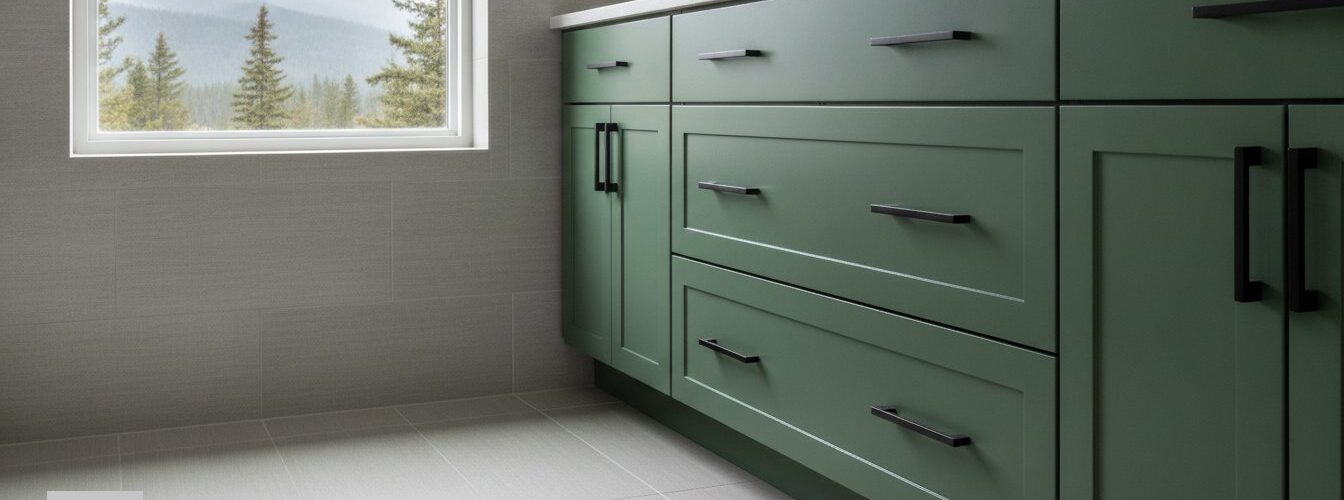
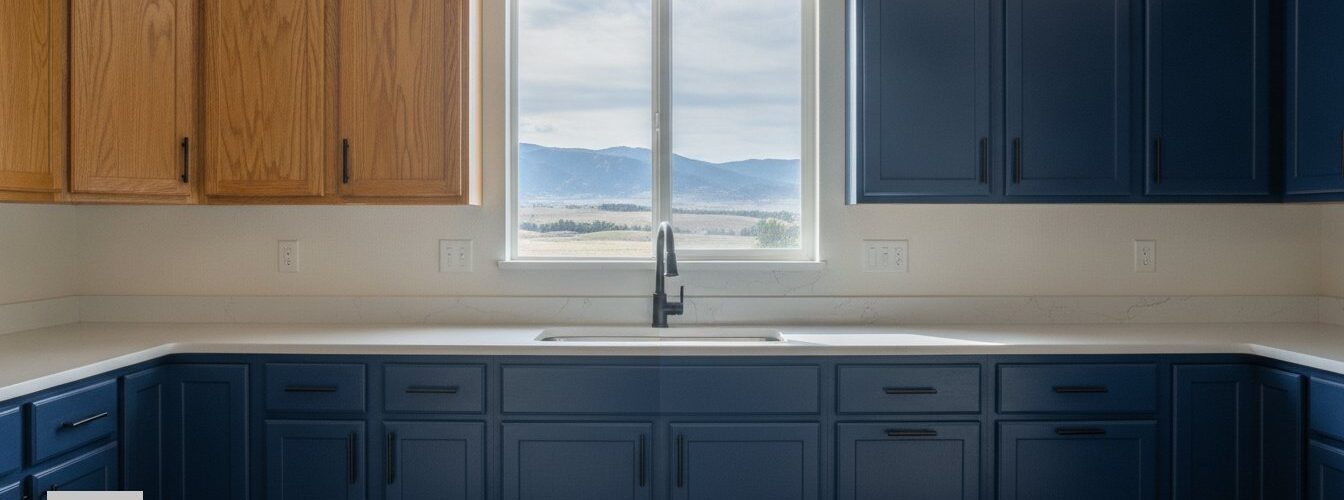
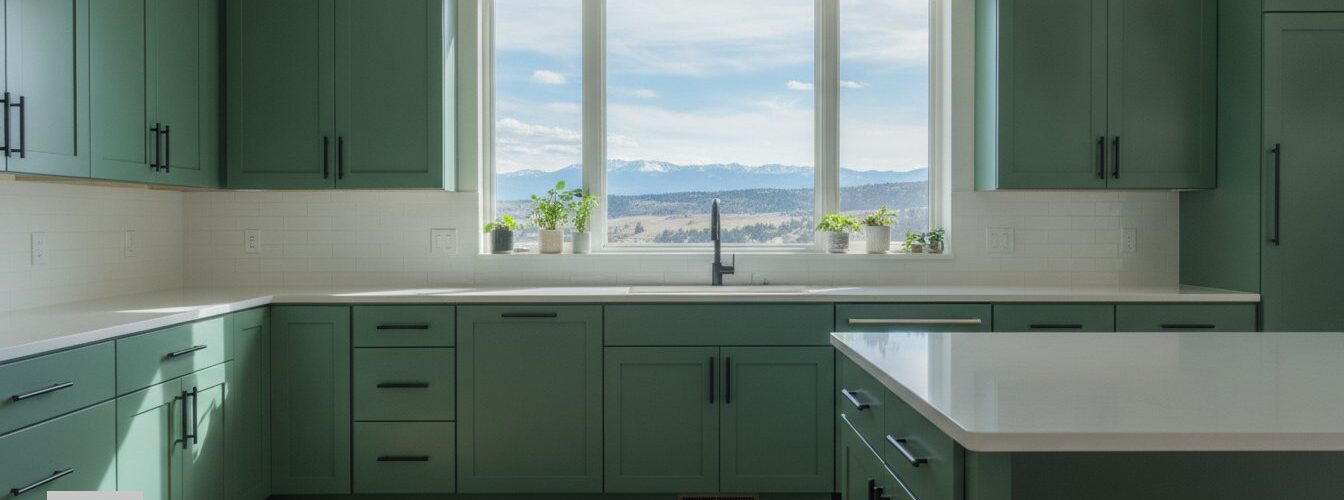
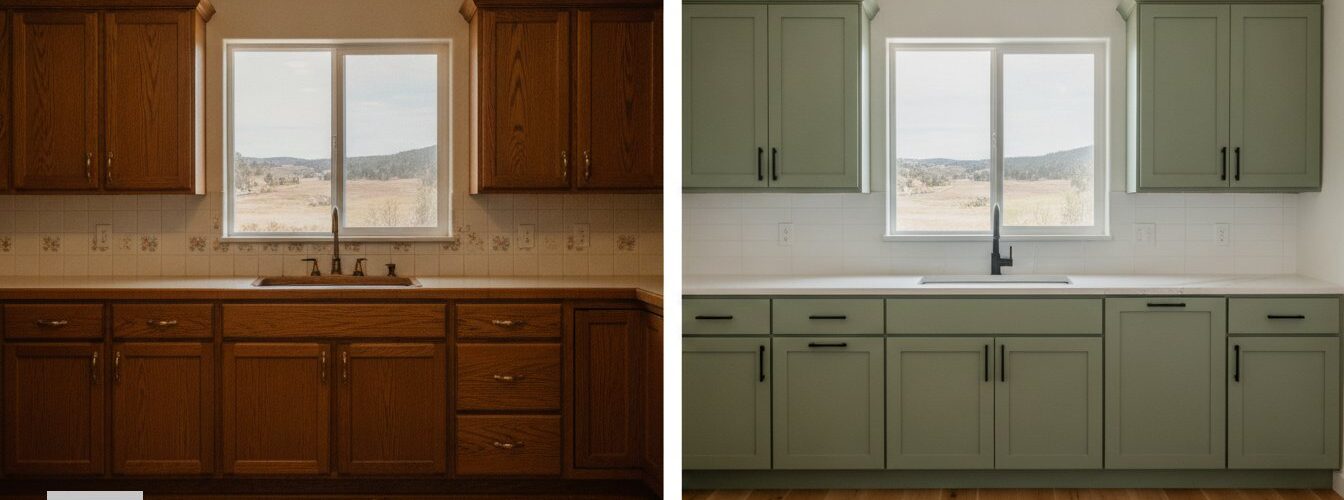
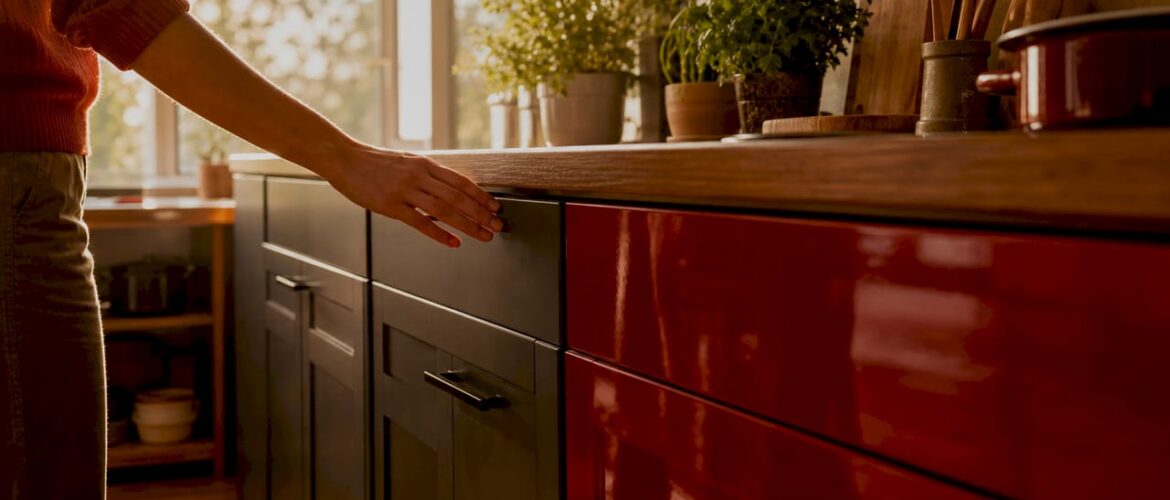
Cabinet finish changes kitchen brightness by controlling how much light reflects off or absorbs into cabinet surfaces, which directly shapes how bright and open your kitchen feels. This is not just about color. The sheen level, finish type, and even the paint chemistry all determine whether your cabinets bounce light around the room or swallow it. Understanding light reflectance in cabinet finishes, the industry term for this effect, helps you make smarter choices before you commit to a color or product. The right finish can make a dim kitchen feel alive without touching a single light fixture.
How cabinet finish types reflect or absorb light
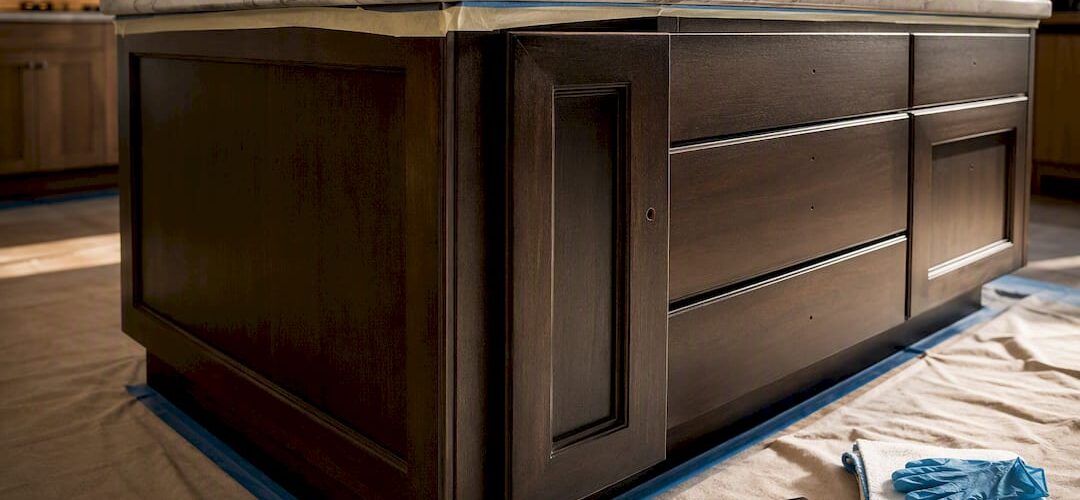
The finish category you choose sets the baseline for how light behaves in your kitchen. Painted surfaces generally reflect more light than stained wood because paint creates a uniform, opaque layer that bounces light outward. Stained wood, by contrast, lets the grain absorb light unevenly, which creates depth but reduces overall brightness. Dark stains absorb light, causing kitchens to feel smaller and more shadowy even when natural light is plentiful.
The sheen level within any finish category amplifies or reduces this effect. Here is how the main finish types compare:
- Matte finishes absorb most light and produce a soft, consistent look. Matte absorbs light and maintains color consistently, but it reduces brightness noticeably in poorly lit kitchens.
- Satin finishes reflect a moderate amount of light with a subtle sheen. They are the most practical choice for most kitchens because they balance brightness with durability.
- Semi-gloss finishes reflect more light than satin and are easy to clean, but they can highlight surface texture and brush marks.
- High-gloss finishes reflect the most light of any finish type. They create a mirror-like surface that pushes light across the room, making spaces feel larger and brighter.
| Finish type | Light behavior | Best use case |
|---|---|---|
| Matte | Absorbs light, minimal reflection | Large, well-lit kitchens with style-forward design |
| Satin | Moderate reflection, soft sheen | Most kitchens, especially family-use spaces |
| Semi-gloss | Higher reflection, slight texture visibility | Kitchens needing easy cleaning and moderate brightness |
| High-gloss | Maximum reflection, amplifies flaws | Small or dim kitchens where brightness is the priority |
The practical takeaway is simple. If your kitchen feels dark, a painted satin or gloss finish will do more work than any stained wood option at the same color value.
How does lighting type change the way cabinet finishes look?
The same cabinet finish can look completely different depending on your light source. Directional LED lighting exposes texture and sheen variations that diffused shop lighting completely hides. This is why a finish that looked perfect at the showroom can appear streaky or uneven once installed under your kitchen recessed lights.
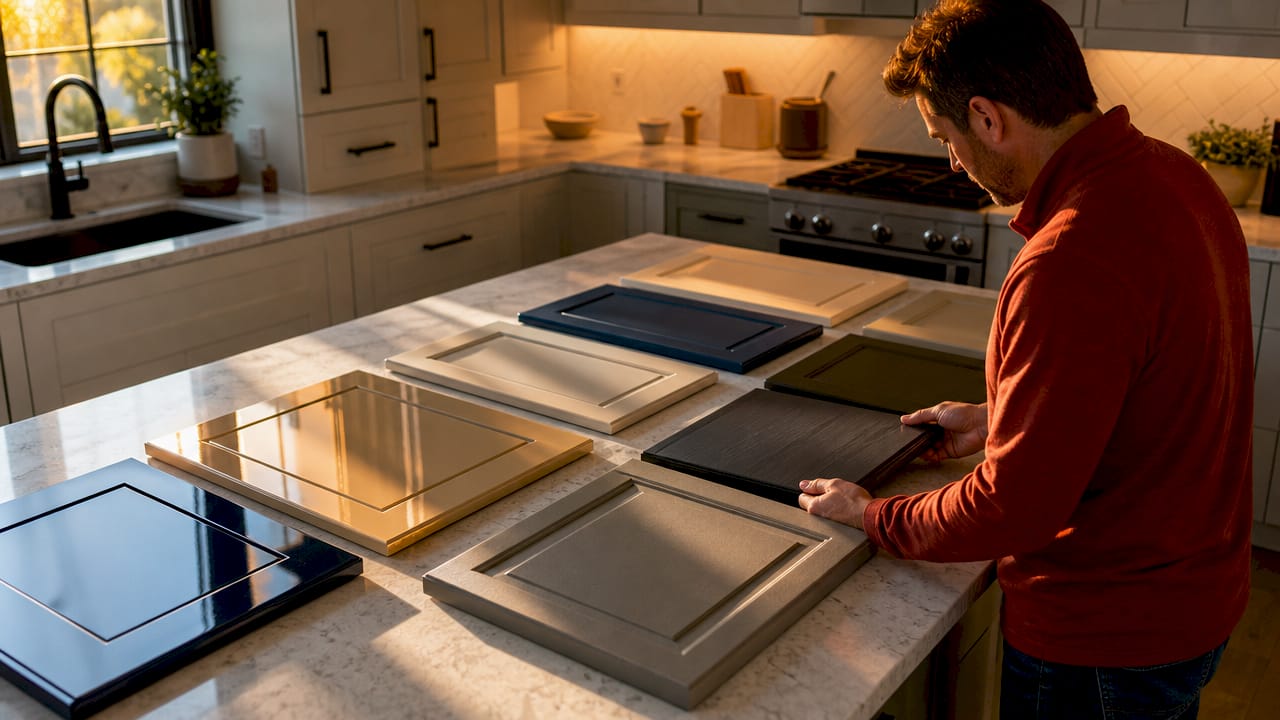
Color temperature is the other major variable. Light is measured in Kelvin (K), and the range from 2700K to 6500K covers everything from warm amber to cool daylight. White cabinets can look yellow under warm 2700K bulbs or cold and clinical under 5000K daylight LEDs. This color shift affects how bright the finish appears, not just how warm or cool it looks.
Natural light adds another layer of complexity. A north-facing kitchen receives cool, indirect light all day, which can make warm-toned finishes look flat. A south-facing kitchen gets direct sun that shifts from warm morning light to cooler afternoon tones. Testing finish samples at different times of day, including morning, midday, and evening, is the only reliable way to see how a finish will actually perform in your space.
- Warm LEDs (2700K–3000K) make cream and off-white finishes glow but can yellow bright whites.
- Neutral LEDs (3500K–4000K) are the most accurate for evaluating finish color and sheen.
- Cool LEDs (5000K–6500K) maximize perceived brightness but can make warm wood tones look gray.
- Natural light changes throughout the day, so a finish that looks great at noon may disappoint at 6:00 PM.
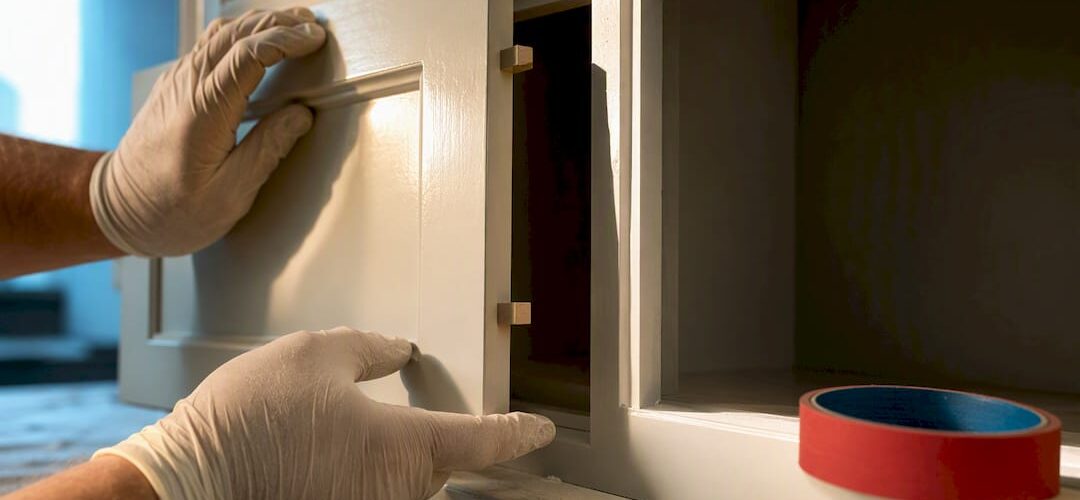
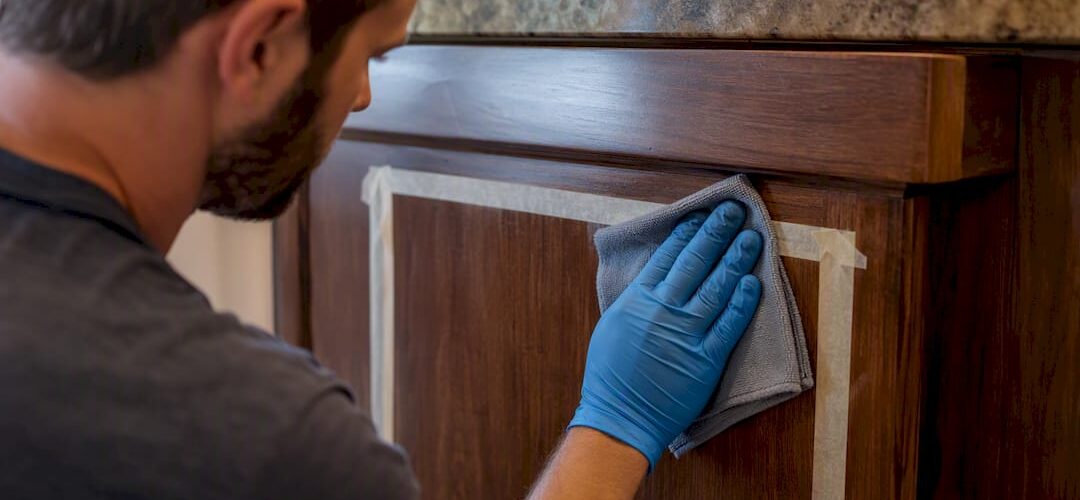
Pro Tip: Tape a 12-inch sample of your chosen finish inside a cabinet door and observe it at three different times of day before committing. What you see at noon under natural light is rarely what you get at dinner under recessed LEDs.
What sheen level is best for brightening your kitchen?
Sheen level is the single most controllable variable in how cabinet finish changes kitchen brightness. The industry standard measurement for sheen uses a gloss meter, and a satin to low semi-gloss range of 25–45 degrees gloss offers the best balance of brightness and durability when paired with modern high-CRI LED lighting.
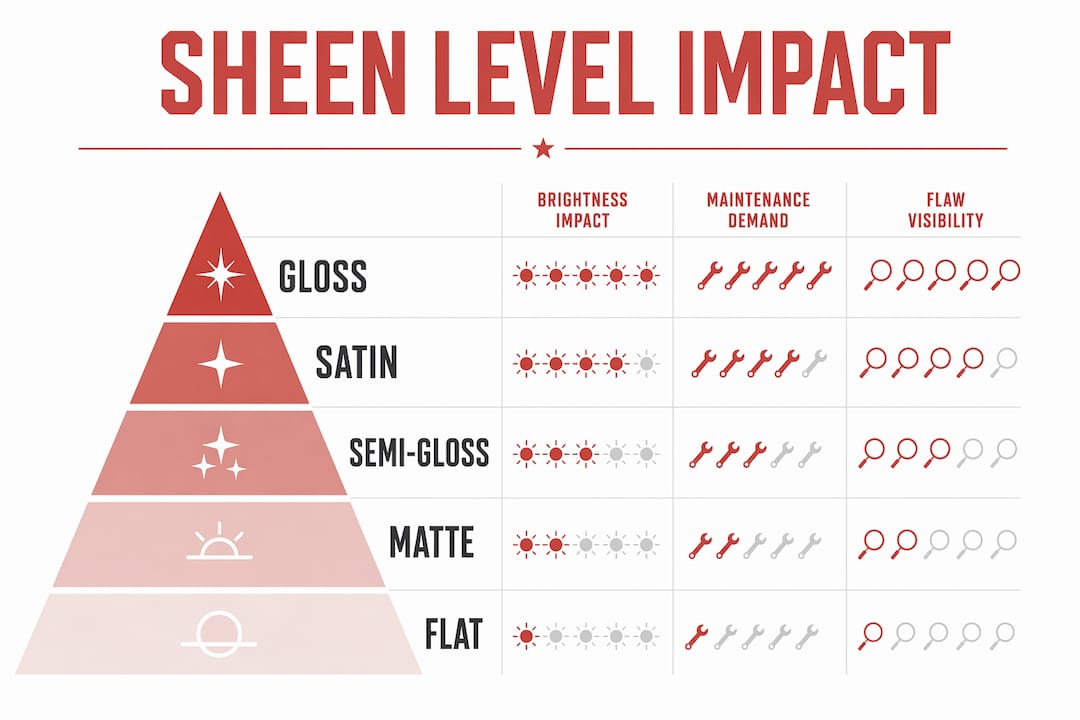
Satin is the dominant choice for good reason. About 65% of new factory-painted cabinets ship in satin finish, favored for its cleanability and balanced light reflection without glare. Satin reflects enough light to brighten a kitchen without the maintenance demands of gloss. It also hides minor flaws better than semi-gloss or gloss, which matters in real kitchens where cabinet doors take daily abuse.
High-gloss finishes maximize light reflection but come with real trade-offs. Glossy finishes amplify flaws and show fingerprints constantly, which means they require more frequent cleaning and more careful surface preparation before application. A gloss finish applied over poorly sanded wood will telegraph every imperfection under strong kitchen lighting.
| Sheen level | Brightness impact | Maintenance demand | Flaw visibility |
|---|---|---|---|
| Matte | Low | Low | Low |
| Satin | Moderate to high | Low to moderate | Low |
| Semi-gloss | High | Moderate | Moderate |
| High-gloss | Maximum | High | High |
Matte finishes work well in large, well-lit kitchens where the goal is a calm, design-forward look rather than maximum brightness. In a small or poorly lit kitchen, matte is the wrong tool for the job.
Pro Tip: If you want the brightness of gloss without the fingerprint problem, choose a satin finish in a bright white or light gray. You get 80% of the light reflection with a fraction of the upkeep.
Does room size change which finish you should choose?
Room size and natural light availability change the math on finish selection significantly. Glossy white or light gray finishes in small, dim kitchens increase perceived room size by 15–20% compared to matte finishes, purely because of light reflection. That is a meaningful visual difference without moving a single wall.
The impact of cabinet color on light compounds with room size. A small kitchen with dark matte cabinets faces two problems at once: the color absorbs light, and the finish absorbs what little remains. Switching to a light-colored satin or gloss finish addresses both problems in a single project.
Larger, well-lit kitchens have more flexibility. When natural light is abundant, matte finishes can look intentional and sophisticated rather than dark and heavy. The finish choice in a spacious kitchen becomes a style decision rather than a brightness fix.
- Small kitchens with limited windows benefit most from gloss or satin finishes in white, cream, or light gray.
- Poorly lit kitchens should avoid matte finishes regardless of color, since matte compounds the darkness problem.
- Well-lit, large kitchens can use any sheen level based on personal style and maintenance preference.
- Adding under-cabinet LED lighting alongside a new finish multiplies the brightness effect significantly.
Lighting upgrades and finish changes work together. A new satin finish in a bright white paired with under-cabinet LEDs at 4000K will do more for a dark kitchen than either change alone.
Key Takeaways
Cabinet finish type and sheen level are the two most direct controls over kitchen brightness, and satin finish in a light color delivers the best combination of brightness, durability, and low maintenance for most homeowners.
| Point | Details |
|---|---|
| Finish type sets the baseline | Painted finishes reflect more light than stained wood; gloss reflects the most of all finish types. |
| Sheen level controls brightness | Satin (25–45 degree gloss range) balances brightness and durability for most kitchen lighting setups. |
| Lighting type changes finish appearance | Test finish samples under your actual kitchen lights at multiple times of day before deciding. |
| Room size amplifies finish impact | Gloss or satin in light colors can increase perceived space by 15–20% in small, dim kitchens. |
| Maintenance follows sheen level | Higher gloss means more fingerprints and more visible flaws, requiring more frequent cleaning. |
What I’ve learned about finishes and kitchen light after years of real projects
Most homeowners focus on color when they should be focusing on sheen. Color matters, but sheen determines how the color behaves under your specific lighting conditions. I have seen bright white matte cabinets make a kitchen feel like a cave because the finish absorbed every photon in the room. I have also seen medium gray satin cabinets make a small kitchen feel twice its size because the sheen bounced light off every surface.
The showroom problem is real and it catches people off guard. Showroom lighting is almost always diffused and flattering. Your kitchen has directional recessed lights, maybe a window that gets afternoon sun, and a pendant over the island. High-CRI LED lighting reveals finish defects that are completely invisible under shop fluorescents. A finish that looked smooth and even in the store can look streaky and uneven at home if the surface preparation was not done correctly.
The other thing people underestimate is maintenance. Gloss finishes look incredible in photos and in freshly cleaned kitchens. After two weeks of cooking and kids touching the doors, they look like a crime scene. Satin is the honest choice for most families. It reflects enough light to brighten dark kitchen spaces meaningfully, cleans easily, and does not punish you for normal use.
My consistent recommendation is to get physical samples, not digital swatches. Tape them inside your actual cabinets, observe them at 7:00 AM, noon, and 7:00 PM, and make your decision based on what you see. That process takes one extra day and saves months of regret.
— Jesse
Cabinetsrefinishing: professional finishes that get the brightness right
Getting the finish right the first time requires more than picking a color from a chip. Surface preparation, primer selection, application technique, and sheen uniformity all affect how the final finish performs under your kitchen lights.

Cabinetsrefinishing uses a factory-finish methodology that controls every variable from sanding to final topcoat, delivering consistent sheen and color that holds up under real kitchen conditions. Projects complete in 3–5 days, and refinishing costs range from $3,000 to $8,000, compared to $15,000 to $40,000 for full cabinet replacement. If you want a professional cabinet refinishing result that actually brightens your kitchen the way you planned, call or text Cabinetsrefinishing at 720-219-9716. You can also explore the full range of sheen and finish options to find the right match for your kitchen’s lighting and style.
FAQ
What finish makes kitchen cabinets look brightest?
High-gloss painted finishes reflect the most light and create the brightest appearance. Satin finish in a light color is the practical alternative, offering strong brightness with lower maintenance demands.
Does cabinet color or sheen level matter more for brightness?
Sheen level has a greater impact on brightness than color alone. A light gray satin finish will outperform a white matte finish in terms of light reflection and overall kitchen brightness.
Why does my cabinet finish look different at home than in the store?
Showroom lighting is typically diffused and flattering, while kitchen lighting is often directional. Directional LEDs reveal texture and sheen variations that diffused lighting hides, making the same finish look different in each environment.
Can refinishing cabinets actually brighten a dark kitchen?
Yes. Switching from a dark stained or matte finish to a light-colored satin or semi-gloss painted finish is one of the most effective ways to brighten a kitchen without structural changes or new lighting fixtures.
What color temperature LED bulb works best with white cabinet finishes?
Neutral LEDs in the 3500K–4000K range give the most accurate and flattering result with white and light-colored cabinet finishes, avoiding the yellowing effect of warm bulbs and the clinical look of cool daylight bulbs.
Recommended
- Brightening Dark Kitchen: The Guide to Using Painted Cabinet
- How Cabinet Color Affects Kitchen Mood and Ambiance Colorado
- Best Sheen for Kitchen Cabinets in Denver: The Professional Guide
- The Best Sheen for Kitchen Cabinet Paint: A Professional Denver Guide – Cabinet Refinishing and Cabinet Painting Denver 720-219-9716