
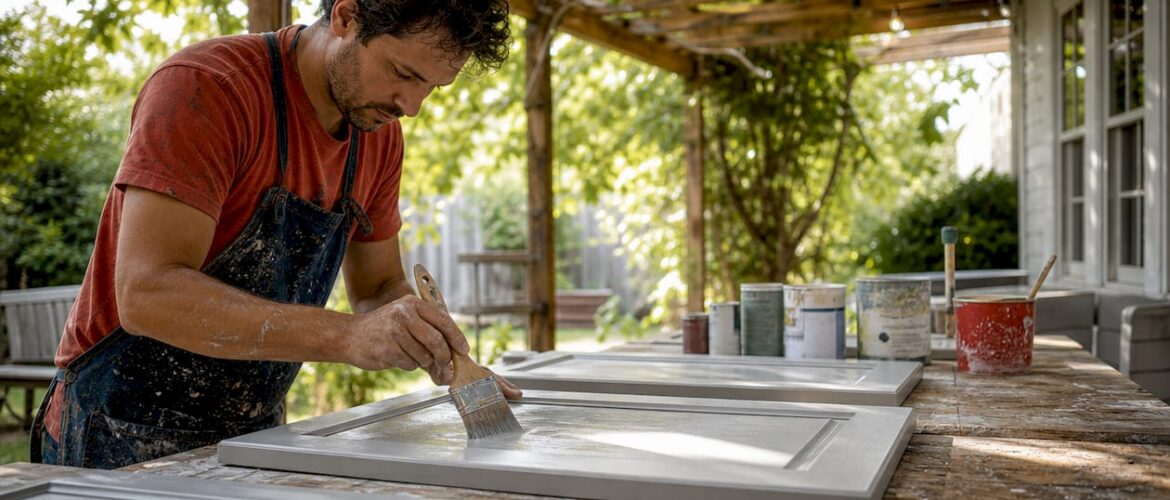
Staged cabinet refinishing is defined as the process of applying professional-grade coatings to existing cabinet surfaces to restore their appearance and durability without replacing the cabinet structure. This method suits properties because professional finishes last 10–15 years, far outlasting standard retail paint jobs that fail within 1–3 years. For homeowners and property managers seeking affordable kitchen updates, refinishing costs $3,000–$8,000 compared to $15,000–$40,000 for full replacement. The return on investment is strong, and the kitchen impact is immediate. Understanding why staged cabinet refinishing suits properties starts with knowing what it delivers: a factory-quality finish, a faster timeline, and a measurable boost to buyer appeal.
Why staged cabinet refinishing suits properties and boosts value
Cabinets are the kitchen’s focal point. Buyers form opinions about a kitchen within seconds, and worn or dated cabinets signal neglect even when everything else is updated. Cabinet appearance directly affects how buyers perceive the entire home.
Professional refinishing signals care and maintenance. A fresh, even finish tells buyers the property has been looked after. That perception reduces negotiating leverage for lowball offers and supports a stronger asking price.
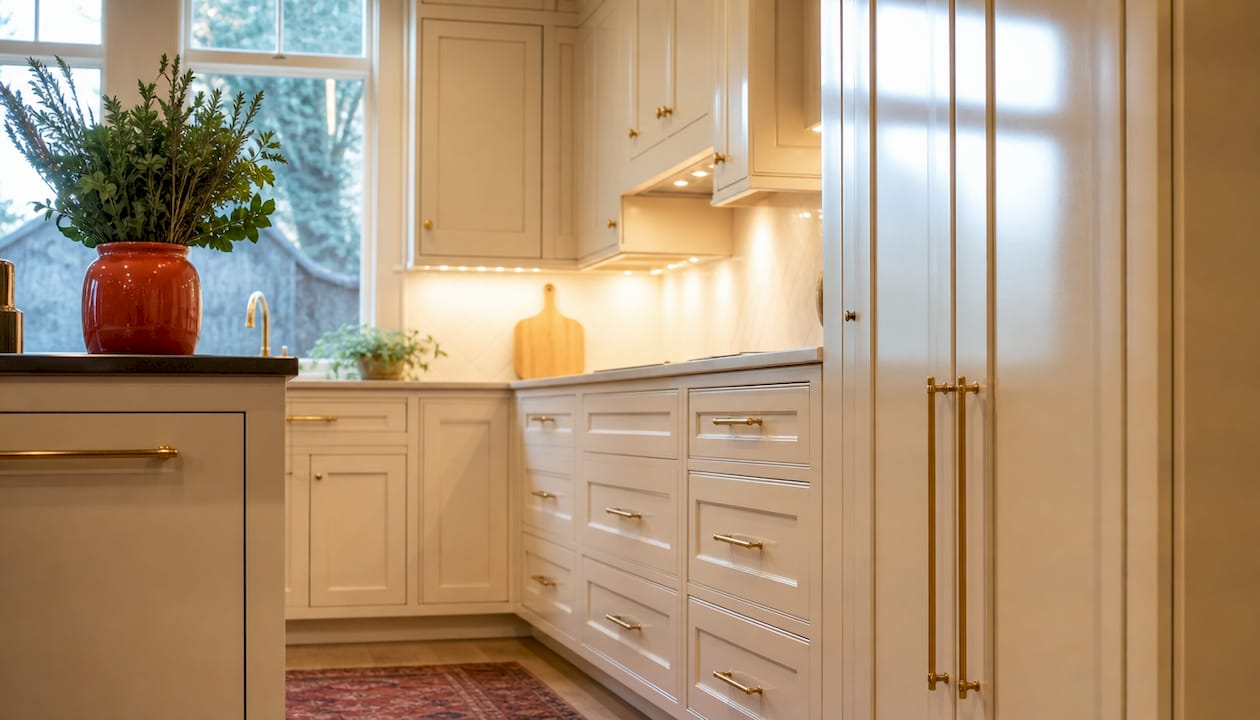
The cost-versus-value math is clear. Minor kitchen updates like refinishing recoup nearly all their cost at sale in many markets, while full remodels rarely return dollar for dollar. Refinishing costs roughly one-third of replacement, which means more equity stays in your pocket.
Staged cabinet refinishing also makes a property more competitive in a crowded market. Buyers comparing two similar homes will consistently favor the one with a clean, updated kitchen. The benefits of cabinet refinishing for home staging go beyond aesthetics. They reduce time on market and support faster closings.
Key reasons refinishing improves property value:
- Buyer first impression: Updated cabinets create an immediate sense of a well-maintained home.
- Appraisal support: Kitchen condition is a standard factor in home appraisals.
- Staging flexibility: Neutral, fresh cabinet colors photograph well and appeal to a wider buyer pool.
- Cost efficiency: Spending $3,000–$8,000 to protect a $15,000–$40,000 replacement cost is a straightforward financial decision.
- Market speed: Staged homes with updated kitchens typically attract offers faster than those with visibly dated cabinetry.
What are the key benefits of refinishing over replacement?
Refinishing beats replacement on cost, time, and environmental impact. Full cabinet replacement requires demolition, new materials, installation labor, and weeks of kitchen downtime. Refinishing avoids all of that.
Refinishing is eco-friendly because it extends the life of existing cabinet boxes and keeps demolition waste out of landfills. Preserving the original structure also avoids the resource consumption tied to manufacturing new cabinetry. For property managers overseeing multiple units, that sustainability factor matters both financially and for tenant relations.
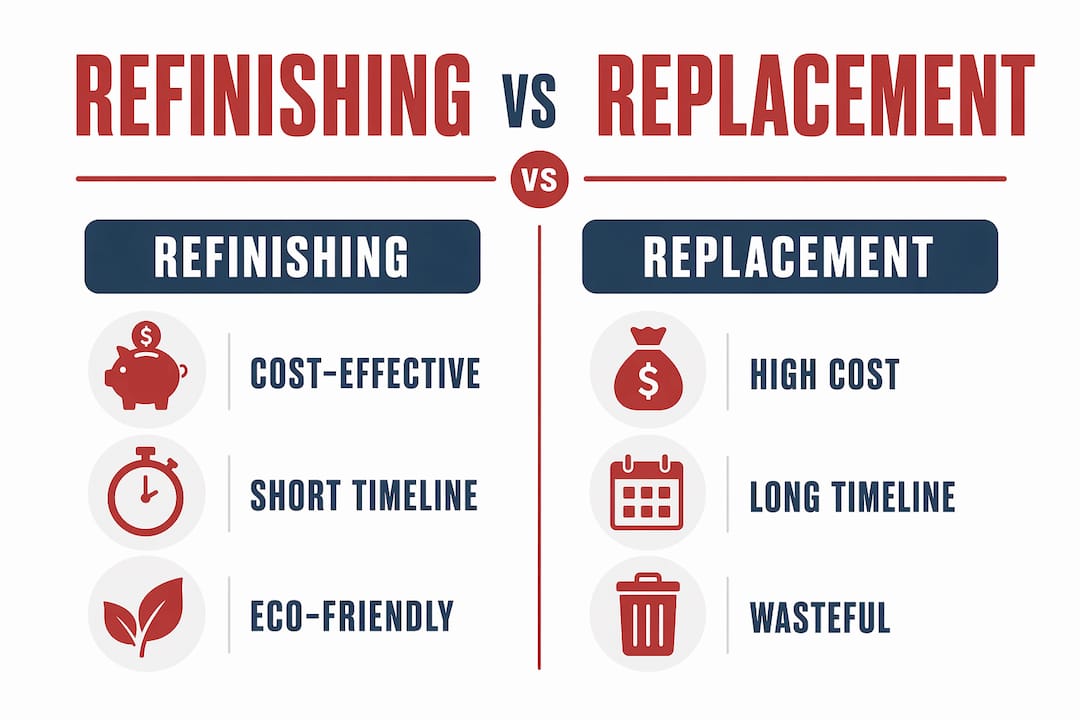
The timeline difference is significant. Cabinetsrefinishing completes projects in 3–5 days rather than the weeks required for full replacement. That means tenants or homeowners are back to using their kitchen quickly, with minimal disruption to daily life.
Finish quality with professional refinishing rivals new cabinetry. Experienced professionals achieve a factory-quality appearance by sanding, repairing surface defects, applying bonding primer, and using commercial-grade topcoats. The result looks and performs like new.
| Update method | Typical cost | Timeline | Disruption | Eco impact |
|---|---|---|---|---|
| Professional refinishing | $3,000–$8,000 | 3–5 days | Low | Minimal waste |
| Cabinet refacing | $6,000–$15,000 | 1–2 weeks | Moderate | Some waste |
| Full replacement | $15,000–$40,000 | 3–6 weeks | High | Significant waste |
Pro Tip: If your cabinet boxes are structurally sound but the doors and surfaces look worn, refinishing delivers the visual impact of replacement at a fraction of the cost. Check for warping or water damage first. Refinishing works best on solid, intact structures.
How do you prepare cabinets properly for staged refinishing?
Preparation is where refinishing projects succeed or fail. Common failures stem from skipped cleaning, insufficient sanding, and the wrong primer. Getting the prep right is more important than the painting itself.
Follow these steps for a finish that holds:
- Degrease all surfaces thoroughly. Kitchen cabinets accumulate grease and cooking residue that prevents paint adhesion. Use a degreasing cleaner on every surface, including the insides of door frames.
- Sand and scuff every surface. Sanding creates the mechanical bond that primer and topcoat need. Skip this step and the finish will peel, regardless of paint quality.
- Apply a bonding primer. Commercial-grade bonding primers grip surfaces that standard primers cannot. This step is non-negotiable for a durable result.
- Use professional-grade topcoats. Consumer-grade paints lack the hardness and moisture resistance required for kitchen environments. Professional products resist heat, humidity, and daily wear.
- Label and photograph every door and hinge before removal. Labeling each cabinet piece before removal prevents reinstallation errors and speeds the entire process. Number the doors and take photos from multiple angles.
- Allow full curing time. The finish cures to full hardness only after 14–30 days, even though it feels dry within 24 hours. Handle doors gently during this window.
Pro Tip: Stage hardware separately in labeled bags that match the numbered doors. This single habit cuts reinstallation time in half and eliminates the frustration of mismatched hinges.
The curing phase is where most homeowners make mistakes. During the 14–30 day curing period, avoid slamming doors, aggressive cleaning, or placing heavy objects against cabinet surfaces. The finish is still hardening, and early damage is permanent.
What are the common misconceptions about cabinet refinishing?
Refinishing is not a structural repair method. It improves appearance and surface durability, but it cannot fix warped frames, failing hinges, or water-damaged cabinet boxes. Homeowners who expect refinishing to correct structural problems will be disappointed.
Refinishing also cannot replicate a wood grain texture if the original surface is flat laminate. The finish will look clean and updated, but it will not mimic the depth of solid wood unless the original surface already has that character. Skilled professionals can get very close to a new-cabinet appearance on solid wood and MDF surfaces.
Common misconceptions to clear up:
- “Refinishing is just painting.” Professional refinishing involves sanding, priming, multiple topcoat layers, and proper curing. It is a multi-step process that requires commercial products and technique.
- “Any damage can be refinished over.” Severe water damage, delamination, or structural failure requires replacement, not refinishing.
- “The finish will last forever without maintenance.” A properly cured professional finish lasts 10–15 years with reasonable care. Wipe spills promptly, use mild cleaners, and avoid abrasive scrubbers.
- “DIY refinishing produces the same result.” Consumer products and professional commercial-grade systems perform very differently. The gap shows up in adhesion, hardness, and finish uniformity.
- “Refinishing devalues a home.” Professional cabinet refinishing done correctly adds value, not subtracts it. The key word is “professional.”
Knowing when to choose replacement over refinishing matters. If more than 30% of your cabinet boxes show structural damage, replacement is the better investment. For everything else, refinishing delivers the visual and functional result at a fraction of the cost.
Key Takeaways
Staged cabinet refinishing is the most cost-effective method for homeowners and property managers to boost kitchen appeal, protect home value, and avoid the disruption of full replacement.
| Point | Details |
|---|---|
| Durability of professional finishes | Professional refinishing lasts 10–15 years with proper prep and commercial-grade topcoats. |
| Cost advantage over replacement | Refinishing costs $3,000–$8,000 versus $15,000–$40,000 for full cabinet replacement. |
| Preparation drives results | Degreasing, sanding, and bonding primer determine whether the finish holds or fails. |
| Curing time is non-negotiable | The finish reaches full hardness after 14–30 days; gentle handling during this period prevents damage. |
| Refinishing suits most properties | Structurally sound cabinets with surface wear are ideal candidates; severe damage requires replacement. |
What I’ve learned after watching hundreds of kitchen updates
Most homeowners underestimate how much the kitchen drives a buyer’s decision. I’ve seen properties sit on the market for months, then sell within two weeks after a cabinet refinishing project. The kitchen did not change structurally. The layout was identical. The appliances were the same. Fresh cabinet finishes changed the entire perception of the space.
The ROI argument for refinishing is not theoretical. Spending $5,000 on professional refinishing to protect against a $25,000 replacement cost, while also improving your sale price, is one of the clearest financial wins available to a homeowner. Full kitchen remodels rarely return their full cost at sale. Refinishing consistently does.
What surprises most property managers is how little disruption the process creates. A 3–5 day project with no demolition, no contractor crews pulling out cabinets, and no weeks of an unusable kitchen is a practical advantage that full remodels simply cannot match. For rental properties especially, that timeline matters enormously.
The one thing I tell every homeowner: do not cut corners on preparation. The finish is only as good as the surface beneath it. A professional who skips degreasing or uses the wrong primer will give you a result that chips within a year. A professional who follows the full process, including proper curing time, gives you a finish that holds for over a decade. Choosing the right service provider is the decision that determines everything else.
— Jesse
Cabinetsrefinishing: professional refinishing for Denver properties
Outdated kitchen cabinets do not require a full replacement to look new again. Cabinetsrefinishing applies a factory-finish methodology to existing cabinets, delivering a durable, high-quality result in 3–5 days with minimal disruption to your home or rental property.

Projects range from $3,000 to $8,000, a fraction of what full replacement costs. The process includes meticulous preparation, commercial-grade primers, and multiple protective topcoat layers that hold up to daily kitchen use. For homeowners preparing to sell or property managers updating rental units, cabinet refinishing in Denver is the practical, high-return choice. Contact Cabinetsrefinishing at 720-219-9716 to schedule a consultation and get a clear picture of what your kitchen update will cost and how long it will take.
FAQ
How long does staged cabinet refinishing last?
Professional refinishing lasts 10–15 years when applied with proper preparation and commercial-grade topcoats. Standard retail paint jobs typically fail within 1–3 years by comparison.
Is cabinet refinishing worth it before selling a home?
Minor kitchen updates like refinishing recoup nearly all their cost at sale in many markets, making refinishing one of the highest-ROI pre-sale improvements available to homeowners.
How long does a refinishing project take to complete?
Most professional refinishing projects complete in 3–5 days. The finish then requires a 14–30 day curing period before it reaches full hardness and can handle normal kitchen use.
Can all cabinets be refinished?
Cabinets with structurally sound boxes and surface wear are ideal candidates for refinishing. Cabinets with severe water damage, delamination, or structural failure require replacement rather than refinishing.
What makes professional refinishing better than a DIY approach?
Proper cleaning, bonding primers, and sanding are the foundation of a lasting finish. Professionals use commercial-grade products and multi-step processes that consumer-grade materials and techniques cannot replicate.
Recommended
- Cabinet Refinishing for Home Staging in Denver: Boost Your Home’s Resale Value – Cabinet Refinishing and Cabinet Painting Denver 720-219-9716
- Cabinet Staining vs Paint : Which Finish Wins & is the best?
- Sanding Cabinets for Refinishing: A DIY Success Guide – Cabinet Refinishing and Cabinet Painting Denver 720-219-9716
- How Multi-Unit Cabinet Refinishing Works: Clear Guide value.