

![Low-VOC Cabinet Painting Denver: Healthy & Durable Kitchen Refinishing [2026]](https://cabinetsrefinishing.com/wp-content/uploads/2026/08/low-voc-cabinet-painting-denver-healthy-durable-kitchen-refinishing-2026-1344x500.jpg)
Why durable factory finishes matter in modern kitchens
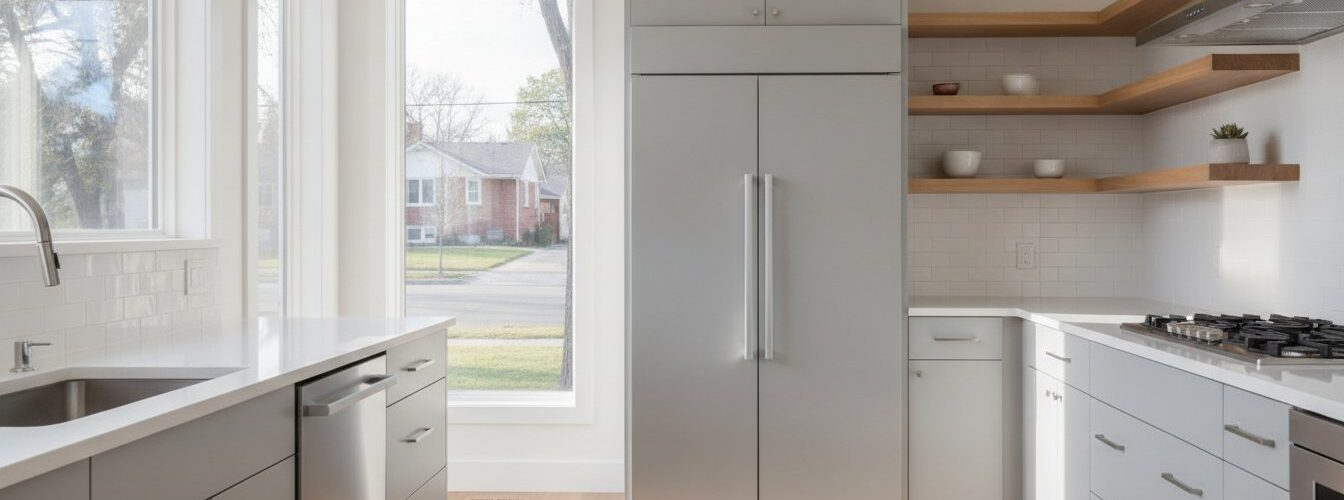
Modern kitchens in Denver and along the Front Range are doing more work than ever. They function as cooking spaces, workstations, homework zones, and entertaining hubs. That constant use is exactly where a durable factory finish cabinet painting system makes a visible difference. It resists chipping, yellowing, and moisture far better than basic DIY paint jobs.
Cabinet Painting Service Areas in Denver & Surrounding Cities, Cabinet Refinishing in Denver County,
Serving Lakewood, CO, Littleton, CO, Golden, CO, Evergreen CO, Roxborough Park CO, Ken Carl Ranch CO,
Arvada, CO, Wheat Ridge, CO,
and Parker CO. Castle Pines CO. Englewood CO. Centennial CO.
Cabinet Painting in Arapahoe County, CO
Including Centennial, CO, Greenwood Village, CO,
Cherry Hills Village, CO, Englewood, CO,
and Aurora, CO.
Cabinet Painting in Adams County & Broomfield, CO
For homeowners, investors, and designers, the finish is not just cosmetic. A durable factory style system protects cabinet boxes and doors, keeps white and light colors looking clean, and helps a remodel feel “new” for many years instead of just one or two. For rental portfolios and flips, it also drives higher perceived value at listing time.My Review of Graco FFLP Tips for Spraying Cabinets
This guide breaks down what “factory finish” really means in the context of cabinet painting, how professionals achieve it on site, which materials and processes matter most, and how to choose the right approach for your modern kitchen project in the Denver metro area.
Factory finish cabinets, Denver Colorado
What “factory finish” really means for cabinet painting
Most marketing copy uses “factory finish” loosely. If you want durable results, it helps to separate buzzwords from real technical standards.
Core characteristics of a true factory-style finish
A cabinet finish that legitimately compares to factory output typically has:
- A catalyzed or 2‑component coating, not basic wall paint
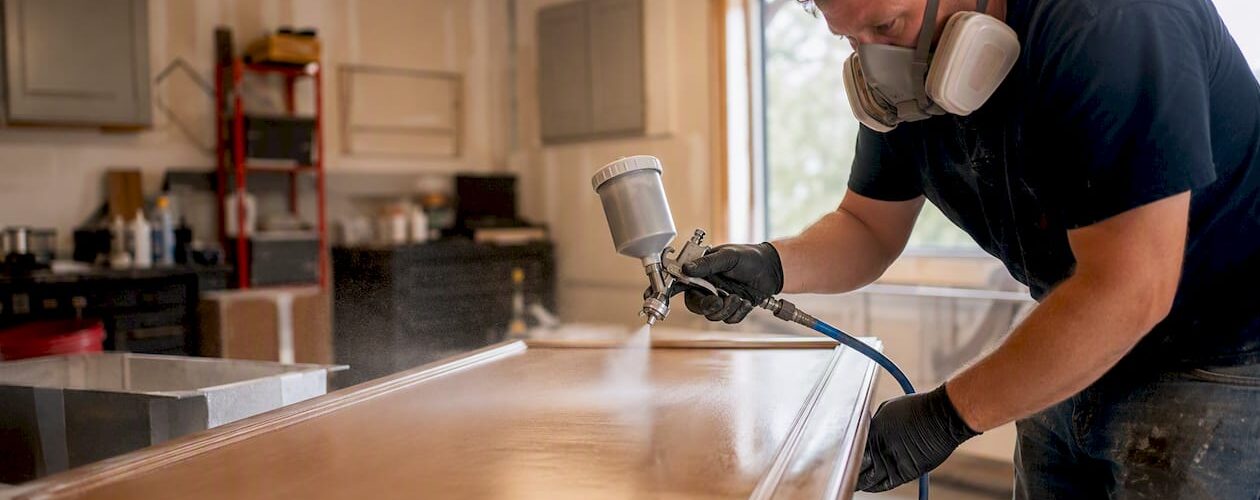
- Sprayed application with controlled film build and atomization
- Thorough mechanical and chemical prep for adhesion
- Measured dry times and proper recoat windows
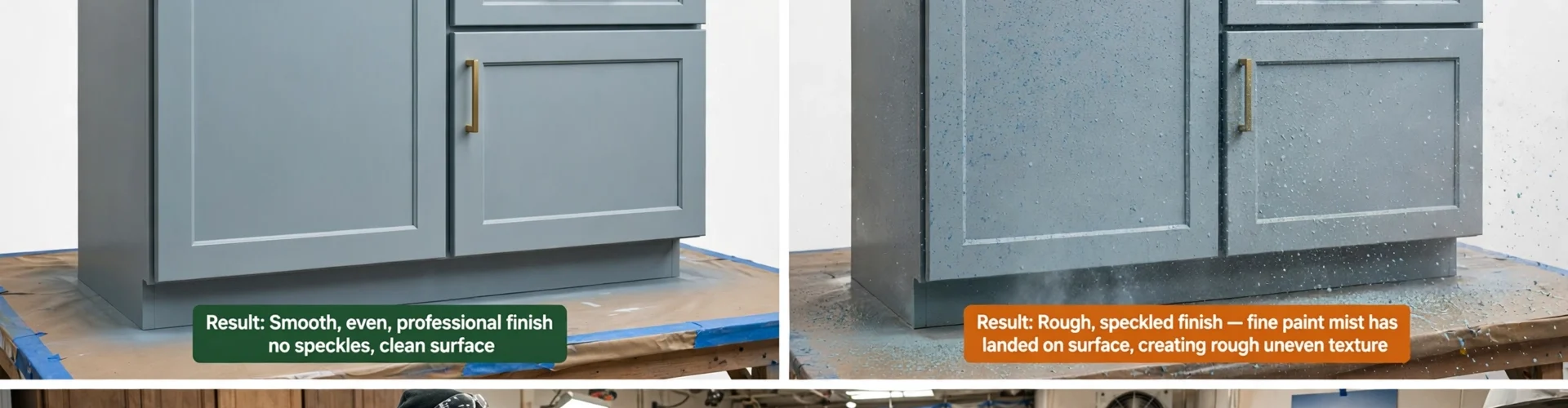
- A leveled, low-texture surface that feels smooth to the touch
Factory lines cure coatings under ideal conditions, which is hard to perfectly replicate in an occupied home. However, professional cabinet refinishers can get very close, especially when they isolate the work area and control airflow and dust.
Key Takeaway: When a finisher says “factory finish,” ask which coating system they use, how they spray it, and what their prep process includes. The products and process matter more than the label.
Common myths about “factory finish” paint
A few points that routinely confuse homeowners and investors:
- Myth: “Any spray job is a factory finish.”
Reality: Spraying is necessary but not sufficient. Product chemistry is just as important. - Myth: “Semi‑gloss wall paint is just as durable and cheaper.”
Reality: Even premium wall paint lacks the hardness and chemical resistance of cabinet-grade coatings. - Myth: “You must replace cabinets to get a true factory finish.”
Reality: In many cases, solid wood or high‑quality MDF doors can be refinished to near-factory quality for a fraction of replacement cost.
For more detail on professional processes in the Denver area, see Cabinet Refinishing And Kitchen Cabinet Painting In Denver.
Materials that create a durable factory-style cabinet finish
The coating system is where long-term durability is won or lost. This is especially true in Colorado’s dry climate, where temperature swings and low humidity can affect both adhesion and cure.
Types of coatings used in high-performance cabinet systems
Here is a comparison of common options you will encounter:
| Coating type | Durability & use case | Typical for factory-style? |
|---|---|---|
| Standard acrylic wall paint | Chips and scuffs easily, not designed for cabinets | No |
| Acrylic-alkyd enamel (waterborne) | Good hardness, low odor, solid for residential kitchens | Sometimes |
| 2K waterborne polyurethane | Excellent hardness, chemical and moisture resistance | Yes |
| Catalyzed conversion varnish | Very tough, common in factories, higher application skill | Yes, mostly shop-applied |
For occupied homes and rental turns, waterborne 2K poly and advanced cabinet enamels offer a strong balance of durability, low odor, and quick return to service.
Why primers and sealers matter as much as topcoats
Primer is the anchor between your old cabinet surface and the new finish. In modern kitchens with cooking oils, cleaners, and occasional moisture, the wrong primer will lead to peeling and stain bleed.
Look for:
- Bonding primers that are rated for glossy or factory-finished substrates
- Stain-blocking primers that lock in tannins from oak, cherry, or maple
- Shellac or hybrid primers for heavy knotting or smoke-stained rentals
On oak or pronounced-grain species, many pros also use a grain filler before priming. This is especially important when you want a sleek, modern look on previously traditional, grainy doors.
For an example of how a professional system is layered, see Cabinet Refinishing Denver And Kitchen Cabinet Painting.
Pro Tip: If you are comparing bids, ask for the exact primer and topcoat products by brand and line. Then look up their data sheets. If the coating is not rated for cabinets, moisture, and regular cleaning, keep looking.
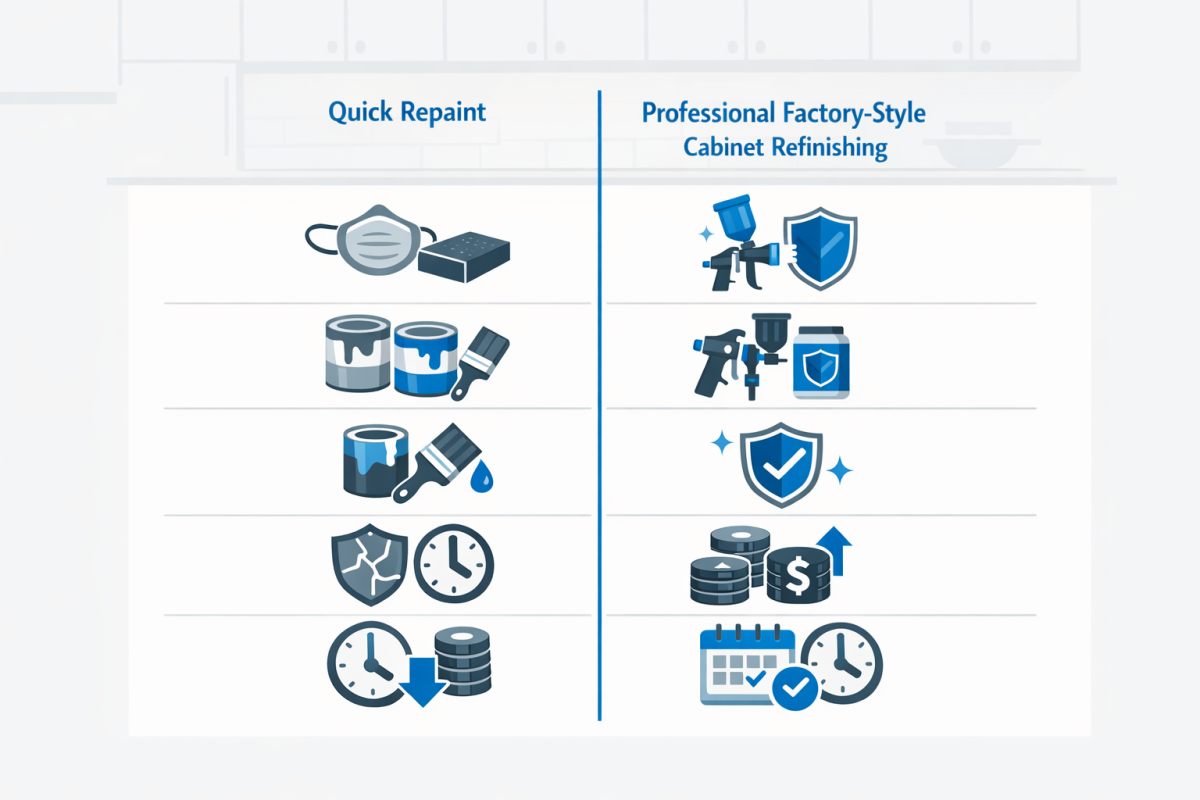
Process steps that separate durable finishes from quick repaints
Two projects can look similar on day one, but only one will still look sharp in five years. The difference is almost always in process, not color.
Surface prep: cleaning, sanding, and repairs
A durable cabinet finish starts with aggressive surface preparation:
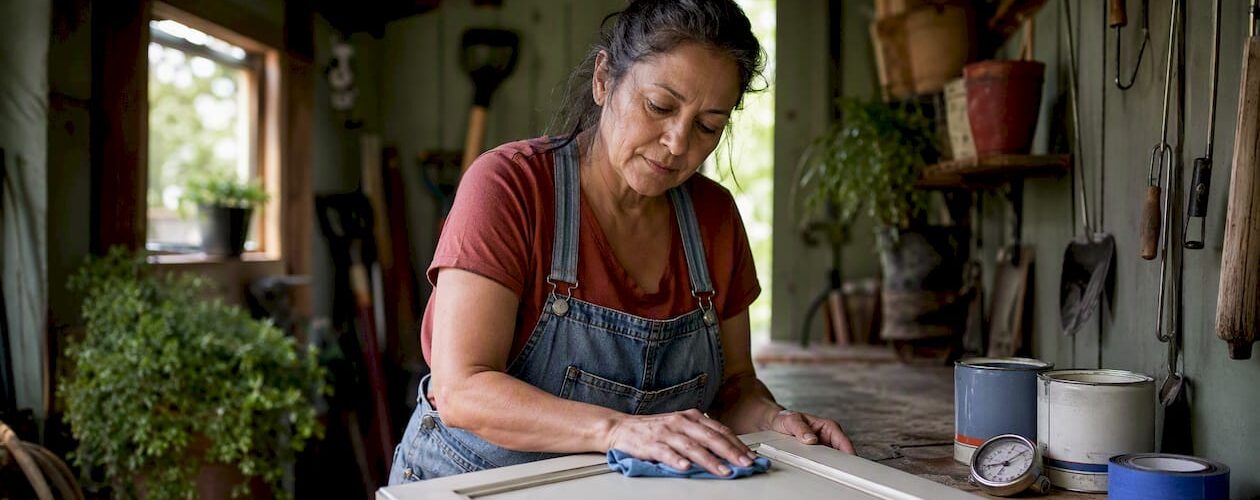
- Degreasing: Use dedicated cabinet degreasers, not just dish soap. Grease around pulls and near cooktops must be fully removed.
- Sanding: Mechanical sanding with appropriate grits creates a profile for primer to grip. Most pros sand both before and after priming.
- Repairs: Fill door dings, nail holes, and old hardware impressions with the right fillers. Caulk gaps at face frames and trim once primed.
For rental properties and flips, this step can also include reinforcing loose hinges or replacing worn drawer slides so the upgraded finish is supported by solid hardware.
Controlled spraying and curing conditions
Once cabinets are clean and repaired, professionals typically:
- Remove doors and drawer fronts for off-site or on-site spray work
- Mask off boxes, ceilings, countertops, and floors with plastic and paper
- Create temporary spray booths or use mobile spray enclosures
- Use HVLP or airless sprayers with fine-finish tips for even coverage
Cure time matters. Most cabinet-grade coatings are dry to the touch within hours, but continue to harden for days. A good contractor will:
- Avoid reassembly too quickly
- Advise you on gentle use for the first 7 to 10 days
- Keep dust and airflow controlled during early drying
Important: Rushing reassembly or heavy use in the first week is one of the fastest ways to damage a new finish, even if the underlying product is excellent.
For a deeper look at professional prep and spray workflow in the Denver metro area, you can review Cabinet Refinishing Cabinet Painting Services Denver Co Golden Co Arvada Co Kitchen Cabinet Painting.
Designing modern kitchens around durable cabinet finishes
Modern kitchen design is not just about flat-panel doors and minimalist hardware. The finish choice should respond to how the kitchen will be used and cleaned.
Finish sheens and how they perform in real life
Sheen affects both aesthetics and cleanability:
- Matte or satin: Very popular in modern kitchens, especially on darker colors. They hide minor imperfections and fingerprints but must still be scrub-resistant.
- Eggshell or low-sheen satin: A balanced choice for families, often looks soft but cleans easily.
- Semi-gloss: Still common in traditional spaces, reflects more light, and tends to be the most forgiving with common cleaners.
For Denver homes with abundant natural light, ultra-high gloss can sometimes show every flaw and dust speck. A high-quality satin or low-sheen is often the best visual and practical compromise for modern styles.
Color and material choices that pair well with factory finishes
Durable factory-style coatings work on several substrates:
- Existing stained oak or maple cabinets, especially when structurally sound
- MDF shaker doors, which take smooth paint exceptionally well
- New slab or Euro-style doors for full modern transformations
Modern color strategies that leverage a durable finish include:
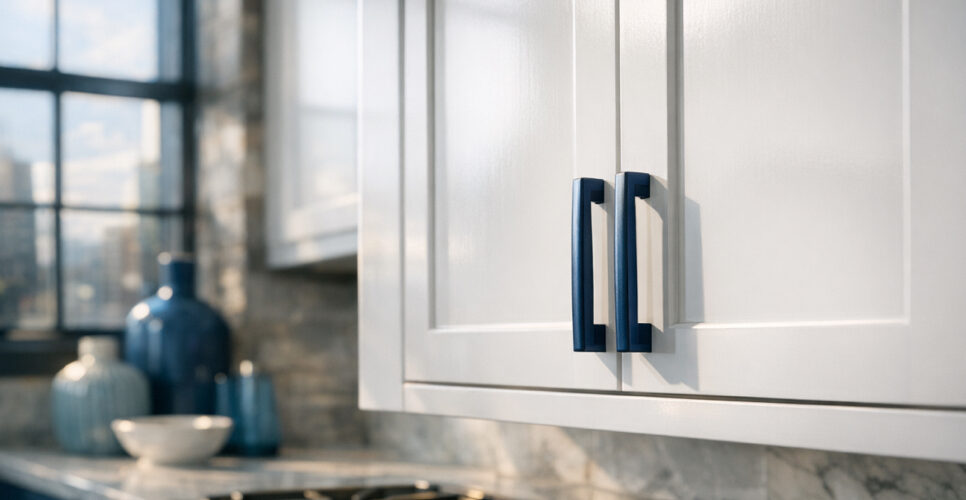
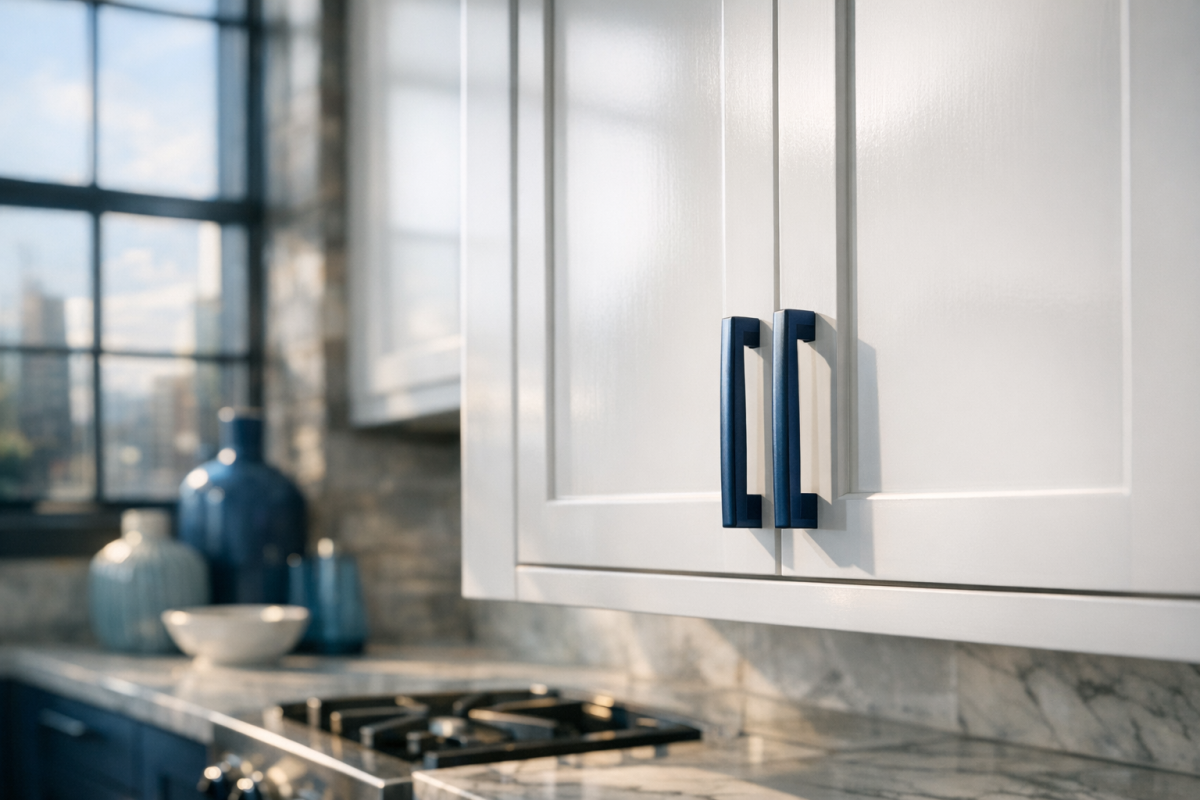
- Clean whites paired with black or bronze hardware for maximum contrast
- Warm greiges or taupes that hide dust and scuffs better than pure white
- Deep navy, charcoal, or forest green islands with lighter perimeter cabinets
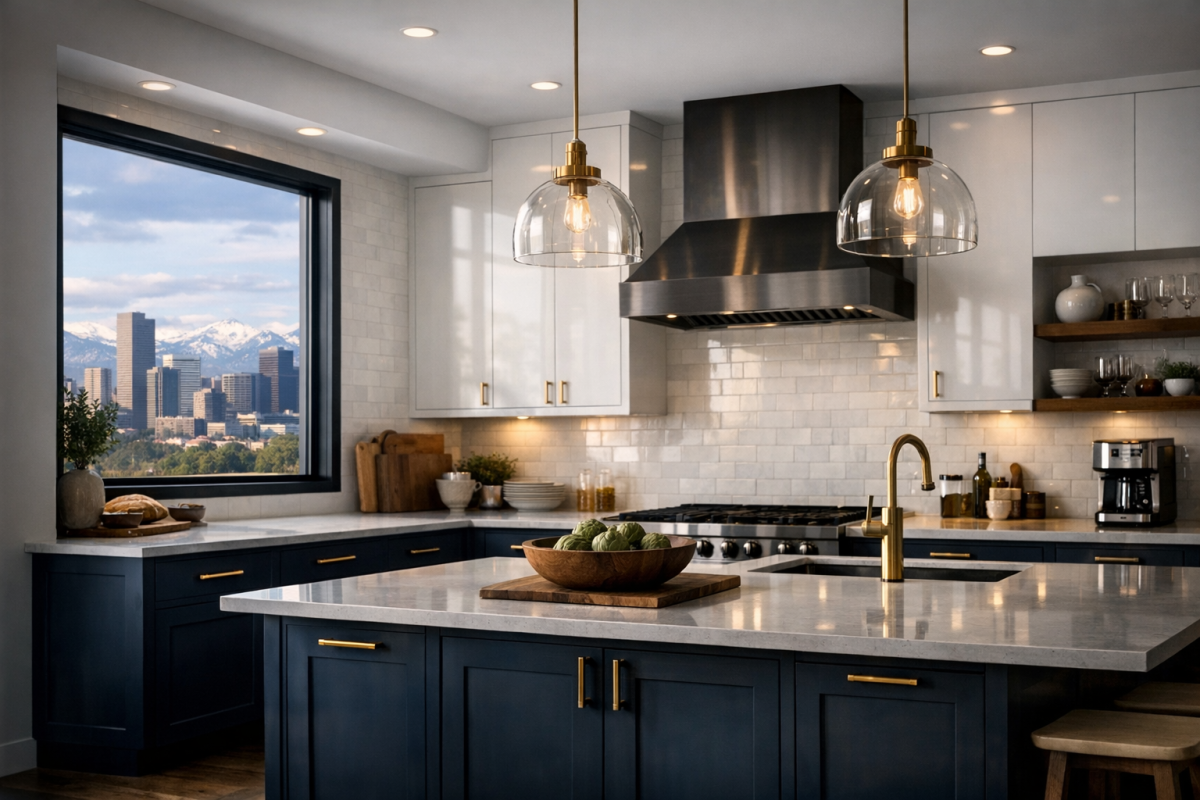
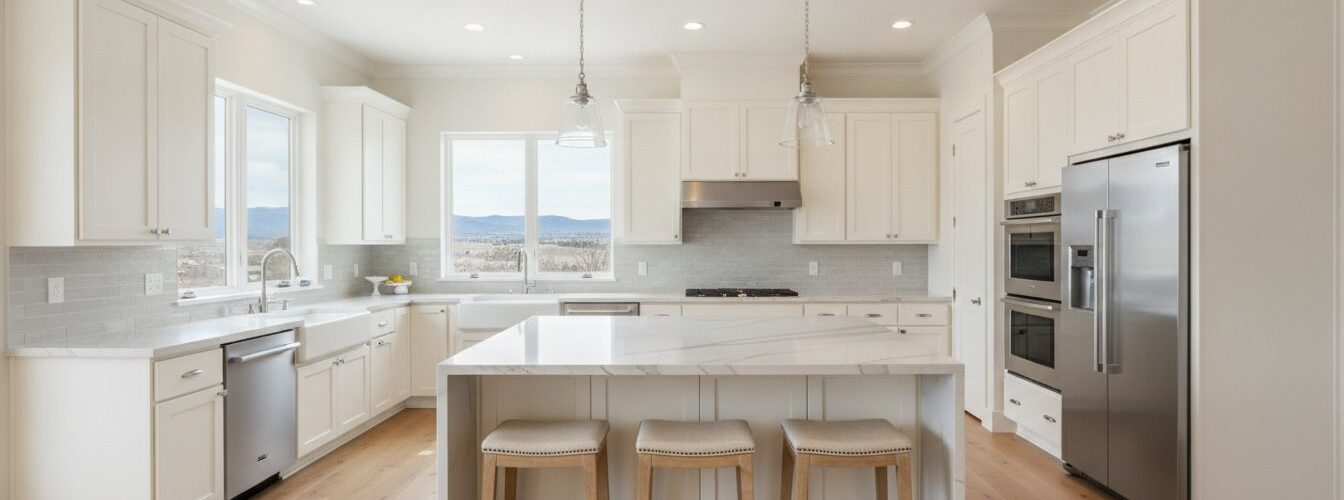
Real-World Example: In a recent Denver flip, repainting solid oak cabinets in a warm white 2K poly with satin sheen, paired with new pulls and quartz-look counters, increased perceived kitchen value enough to justify a list price bump of over $20,000, at a fraction of full replacement cost.
Cost, timelines, and ROI for different property types
Durable factory finish cabinet painting is often a value-driven alternative to full replacement, especially in markets where labor and material costs are high.
How pricing typically breaks down
Costs vary by market and condition, but in the Denver area you can expect:
- Standard kitchen, 25 to 35 doors/drawers: Refinishing often runs 30 to 50 percent of full replacement with comparable quality cabinets.
- Add-ons that affect price:
- Grain filling on oak for ultra-smooth modern look
- On-site spray booth setup for large or open-plan homes
- Color changes from dark to very light, which require additional coats
Investors and property managers should also factor in vacancy or downtime. High-performance waterborne systems allow faster reassembly than old solvent systems, which can put units back on the rental market sooner.
ROI for homeowners, investors, and managers
For different audiences, the return looks slightly different:
- Homeowners: A modernized kitchen with a durable cabinet finish improves daily experience and resale appeal. Remodeling surveys frequently show kitchen updates retaining 60 to 80 percent of their cost at resale, depending on scope and market conditions.
- House flippers: A strong cabinet repaint paired with new counters and lighting is often the highest-ROI kitchen move, especially where existing cabinet boxes are solid.
- Property managers: Durable finishes lower long-term touch-up and repaint frequency, which reduces make-ready costs and keeps units rent-ready with fewer maintenance calls.
Key Takeaway: If the cabinet layout and boxes are in good shape, investment in a factory-style refinishing system almost always beats full replacement from a cost-to-impact perspective for modernizing kitchens.
How to choose the right cabinet refinishing pro in the Denver metro area
Not every painter is a cabinet refinisher. The stakes are higher for cabinets because they take more abuse than walls and are constantly at eye level.
Questions to ask before you hire
Use these targeted questions to separate specialized pros from generalists:
- What specific coating system will you use on my cabinets, and why?
- How many cabinet refinish projects have you completed in the last 12 months?
- Will doors and drawers be sprayed off-site or on-site, and how will you control dust?
- What is your typical prep workflow from degreasing through final coat?
- How long before we can use the kitchen normally again?
Ask to see before-and-after photos of projects that resemble yours in style and cabinet material. If possible, visit a completed project or speak to a recent client.
Red flags to avoid
Be wary of:
- Contractors who only talk about color, not prep or products
- Quotes that are dramatically lower than multiple others with no clear explanation
- Proposals that use “trim paint” or wall paint, particularly in high-traffic modern kitchens
- Timelines that are unrealistically short, such as “one day full kitchen refinishing” without a robust team and controlled environment
When you want a finish that stands up for years, the right questions up front prevent costly disappointment later.
Local expert help: Cabinet Refinishing Denver
If you are planning a modern kitchen update in Denver, Golden, Arvada, or nearby communities, working with a team that specializes in cabinet-specific factory-style finishes is critical.
Cabinet Refinishing Denver focuses on:
- Cabinet-only systems that hold up to Colorado’s climate and daily kitchen use
- Professional prep, including degreasing, sanding, and grain management
- Sprayed finishes that mimic factory appearance with on-site practicality
- Scheduling that minimizes downtime for homeowners and landlords
Whether your goal is a fresh, modern white kitchen at home, a high-impact update for a flip, or a durable, easy-to-clean finish for a multi-unit building, they can tailor materials and process to your exact use case.
Learn how their process works and see examples of finished projects at Cabinet Refinishing Denver.
Call or request a quote when you are ready to discuss your specific cabinets and durability needs.
Putting durable cabinet finishes into practice
To move from research to action:
- Assess your existing cabinets for structural soundness and layout satisfaction.
- Decide how long you need the finish to last before your next major remodel.
- Choose colors and sheen levels that fit modern aesthetics and real-life cleaning habits.
- Vet refinishers by process, product, and cabinet-specific experience, not just price.
Investing a bit more up front in a factory-style cabinet finish gives modern kitchens a crisp, current look that stays that way under daily use. For Denver-area projects, a specialist refinisher can help you strike the right balance between cost, durability, and design impact.
Frequently Asked Questions
How long does a durable factory-style cabinet finish typically last?
With proper prep and a cabinet-grade coating, you can expect 8 to 15 years of solid performance in an owner-occupied kitchen, and often 5 to 10 years in higher-abuse rental units. Lifespan depends on how aggressively the cabinets are used, the quality of hardware, and whether harsh cleaners are avoided. Touch-ups or a light refresh may extend this even further without full refinishing.
Can any existing cabinets be refinished to a factory-style finish?
Most solid wood and quality MDF cabinets can be refinished successfully, provided they are structurally sound and not heavily water-damaged or swollen. Thermofoil doors are poor candidates and often require replacement. A good refinisher will inspect for delamination, loose joints, or significant warping before recommending a factory-style repaint. In borderline cases, door replacement with refinished boxes can be a smart hybrid solution.
How does cabinet refinishing compare to replacement in terms of cost?
Refinishing to a durable factory-style finish usually costs 30 to 50 percent of a quality cabinet replacement project, assuming the same footprint and similar style. Replacement also adds demolition, disposal, and possible plumbing or countertop work. When the existing layout is functional, refinishing delivers most of the visual impact of new cabinets without the full remodel cost or timeline, which is why it is popular for flips and budget-conscious modern upgrades.
Will a factory-style cabinet finish yellow or discolor over time?
High-quality modern waterborne cabinet coatings are significantly more yellowing-resistant than older oil-based enamels, especially in whites and light grays. However, prolonged UV exposure, heavy cooking without proper ventilation, and nicotine can still cause some discoloration over many years. Choosing UV-stable products and using range hoods consistently will help preserve color, particularly in sunny Colorado kitchens.
How should I clean cabinets with a factory-style finish?
Use mild, non-abrasive cleaners and soft cloths. Avoid scouring pads, powder cleansers, and cleaners with strong solvents such as ammonia or bleach, which can dull or damage even durable finishes over time. Wipe spills quickly, especially around sinks and dishwashers. For sticky areas, a diluted dish soap solution usually works well, followed by a clean water wipe and thorough drying.