
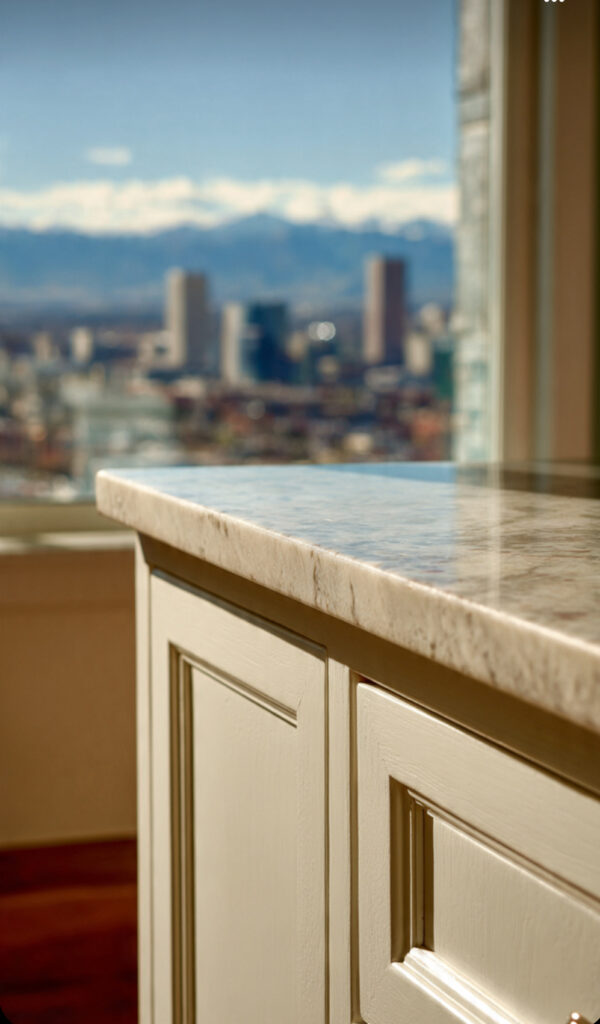
Factory finish, guaranteed, Colorado
Why Custom Cabinet Painting & Glazing Is Worth a Closer Look
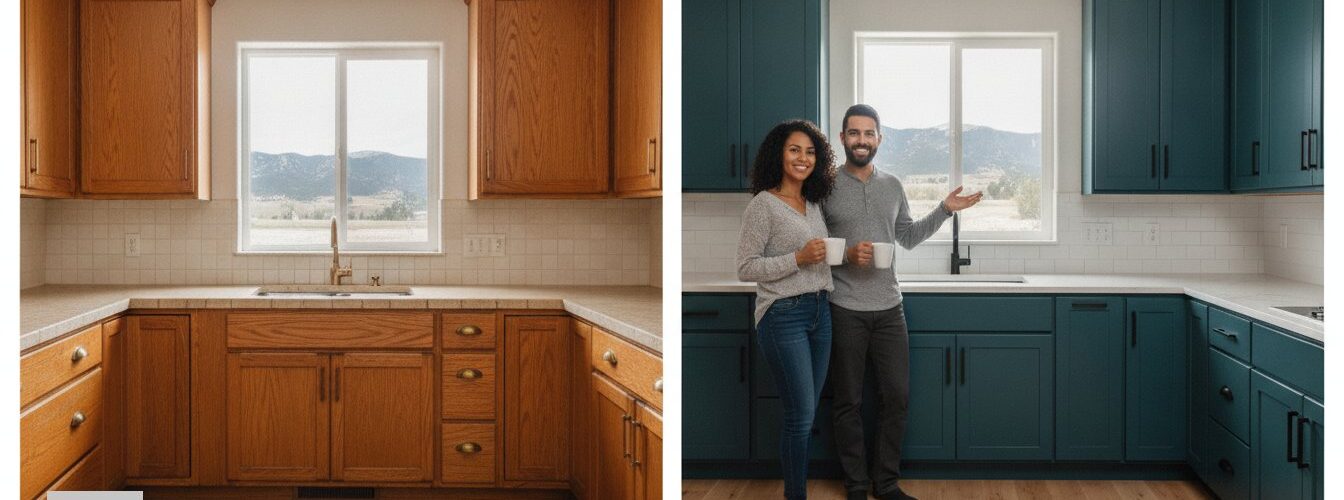
For many Denver homeowners and investors, cabinets are the single biggest visual element in a kitchen or bathroom. Replacing them can easily run $15,000 to $40,000 or more. Custom cabinet painting and glazing can deliver a similar visual impact at a fraction of that cost, often between 20 and 40 percent of full replacement.
My Review of Graco FFLP Tips for Spraying Cabinets
Whether you are updating a dated rental in Arvada, preparing a flip in Denver, or refreshing a Fort Collins home you just bought, the right paint and glaze combination can shift a space from builder basic to custom. The key is understanding which approaches work on your specific cabinets, what finishes stand up to Colorado’s dry climate, and how to avoid the common mistakes that make painted cabinets chip, yellow, or look amateur.
This guide walks through the entire topic in practical terms so you can plan a cabinet transformation that looks high end, lasts, and makes financial sense.
What Custom Cabinet Painting & Glazing Actually Means
Custom cabinet finishing is very different from a quick DIY repaint. It combines surface prep, professional-grade coatings, and, in some cases, artistic glazing techniques that add depth and character.
Paint vs Glaze vs Stain: How They Differ
- Paint
Opaque coating that hides the original wood tone. Ideal for major color changes such as oak to white. - Glaze
A translucent medium applied over paint or stain. It settles into profiles, corners, and grain to create shadow, depth, and sometimes an antiqued or furniture-grade look. - Stain
Penetrates the wood and highlights grain. Often used in combination with clear topcoats, and sometimes paired with glaze for more dimension.
Glaze is not a protective coat by itself. It is a decorative layer that must be locked in with a durable clear finish.
Key Takeaway: Think of paint as the color, glaze as the character, and the clear coat as the armor that keeps everything looking new.
Common Glazing Styles For Colorado Homes
- Soft mocha or gray glaze over white, popular in Denver and Golden for a classic but updated look
- Extra accent glaze in door profiles for traditional Cherry Hills or Highlands Ranch homes
- Subtle taupe or warm gray glazing on off‑white cabinets in rentals, which hides minor wear better than pure white
For more examples of professional finishing styles, you can review the projects and information connected to Professional Cabinet Painting Cabinet Glazing.
When Painting & Glazing Makes Sense (And When It Does Not)
Not every cabinet is a good candidate for paint and glaze. The material, condition, and layout all matter.
Good Candidates For Custom Painting & Glazing
You are likely a good candidate if:
- Cabinets are solid wood or quality wood veneer
- Doors and drawers are structurally sound and operate smoothly
- You like your existing layout, or only need minor modifications
- You are working within a budget that cannot justify full replacement
- You want to update oak, maple, or cherry cabinets without a full gut remodel
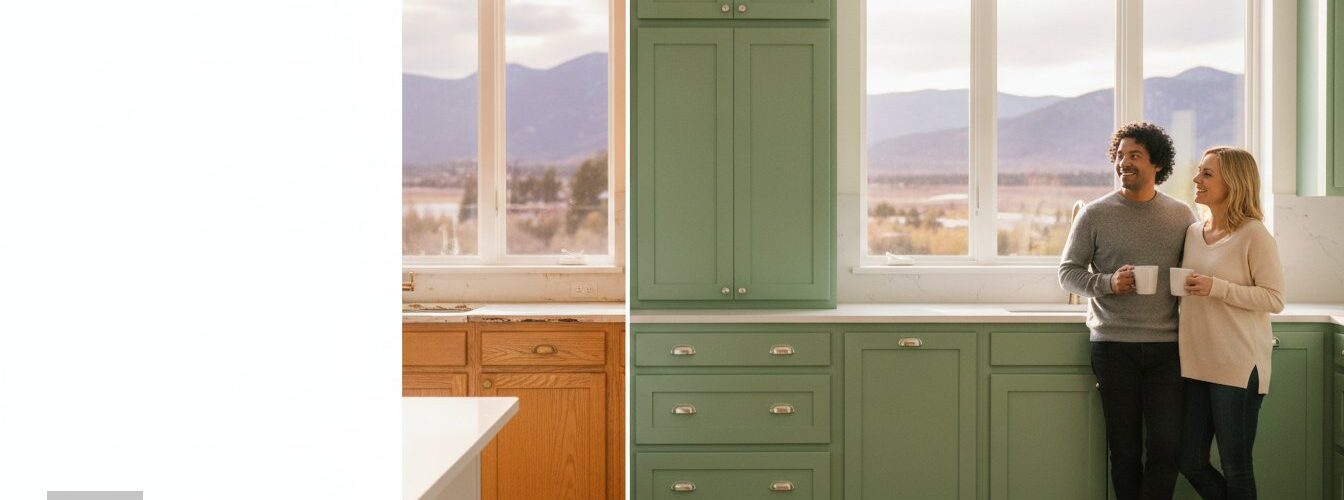
For example, a 1990s Golden kitchen with honey oak cabinets can often be fully transformed with a sprayed lacquer finish and a soft glaze for roughly one third of a custom replacement, while delivering a noticeably higher perceived value to buyers or renters.
Situations Where Replacement May Be Smarter
Consider full replacement instead if:
- Boxes are particle board and have water damage or swelling
- Multiple doors are warped, broken, or missing
- The layout is highly inefficient and you plan to move appliances or walls
- You want a completely different door style, such as slab to shaker, across the whole kitchen
In some of these cases, combining targeted replacement with painting and glazing still works. For instance, a contractor might add a few new cabinets or a custom range hood, then paint and glaze old and new pieces together so everything matches.
The Professional Painting & Glazing Process, Step By Step
High quality cabinet work is more like furniture finishing than wall painting. Skipping steps is what causes peeling and premature wear, especially in busy Denver kitchens.
Surface Preparation: Where Durability Begins
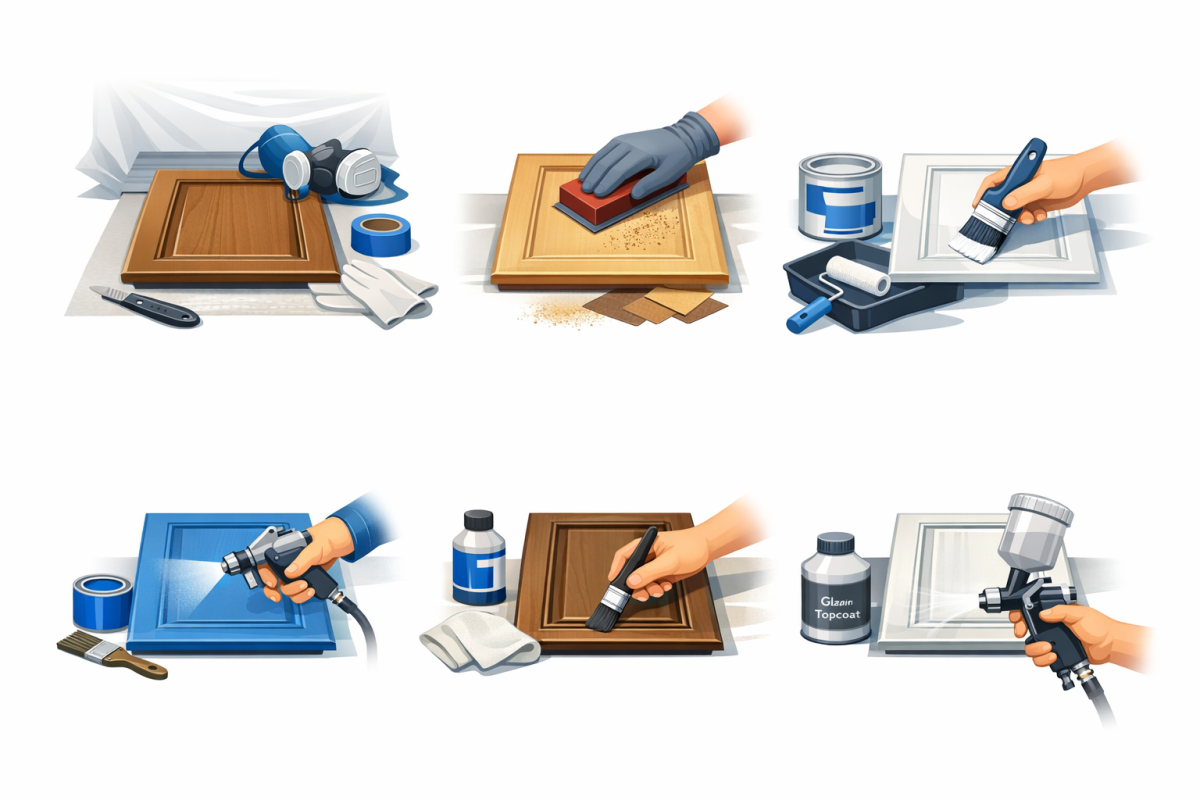
Expect a professional team to:
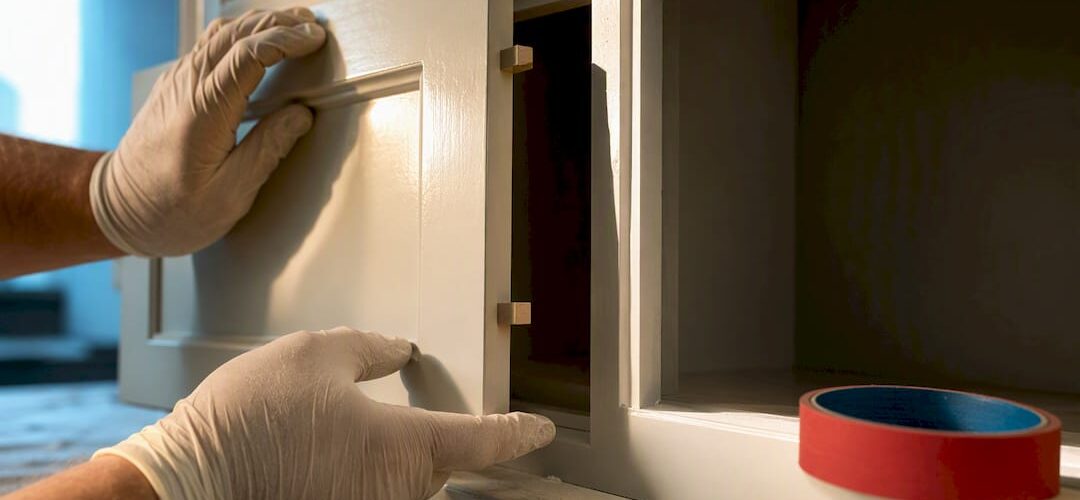
- Remove doors, drawers, and hardware, and label everything
- Clean grease and contaminants with a degreaser that is safe for finishes
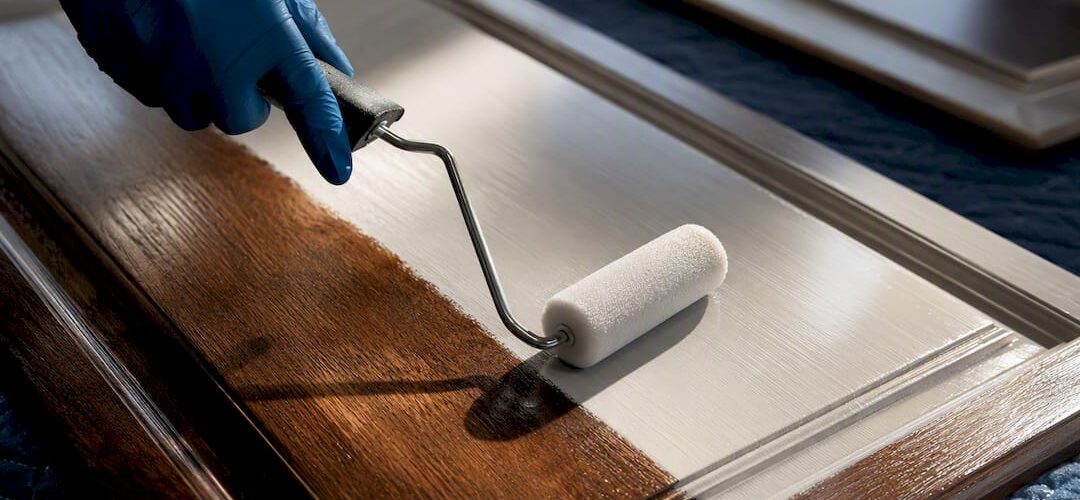
- Scuff sand existing finishes to create mechanical adhesion
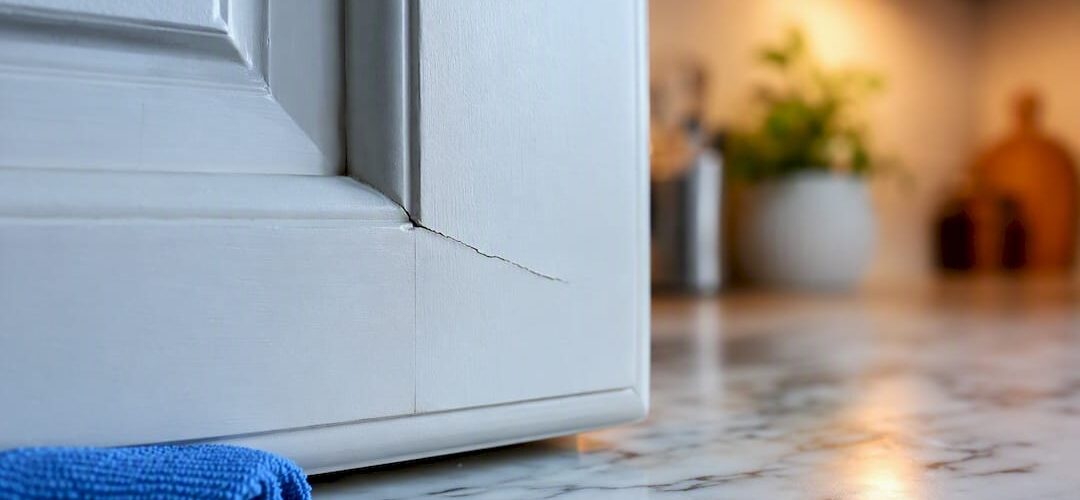
- Repair dents and dings with filler, then sand smooth
- Address oak grain if you want a smoother look, using grain fillers and multiple sandings
In most homes, 50 to 60 percent of the total project time is spent on prep. That investment is what keeps paint adhered for years.
Pro Tip: If a quote lists only one day on site for a full kitchen, you are not getting thorough prep. That is a red flag for chipping and peeling within the first year.
Priming: Locking In Tannins and Old Finishes
Quality primers are critical, especially over oak or stained cherry where tannins can bleed. Many pros use:
- Bonding primer to adhere to glossy existing finishes
- Stain-blocking primer to prevent yellowing over white and light colors
Two coats of the right primer, sanded between coats, create a uniform surface that lets glaze and finish coats look clean and even.
Applying Color, Glaze, and Topcoats
Typical sequence:
- Spray or brush first color coat, then sand for smoothness
- Spray or brush second color coat for full coverage
- Apply glaze by brushing, wiping, or spraying, then manipulating to achieve the desired effect
- Lock everything in with two or three coats of a durable clear topcoat such as catalyzed lacquer or 2K waterborne urethane
Professionals often spray doors and drawer fronts off site in a controlled environment. Boxes are masked and sprayed in place. For reference on service approaches in your area, see the details at Cabinet Refinishing Cabinet Painting Services Denver Co Golden Co Arvada Co Kitchen Cabinet Painting.
Choosing Colors, Glazes, and Sheens That Work In Real Homes
The wrong color or glaze pattern can date a kitchen just as quickly as the original finish. The goal is a custom, current look that fits your property type.
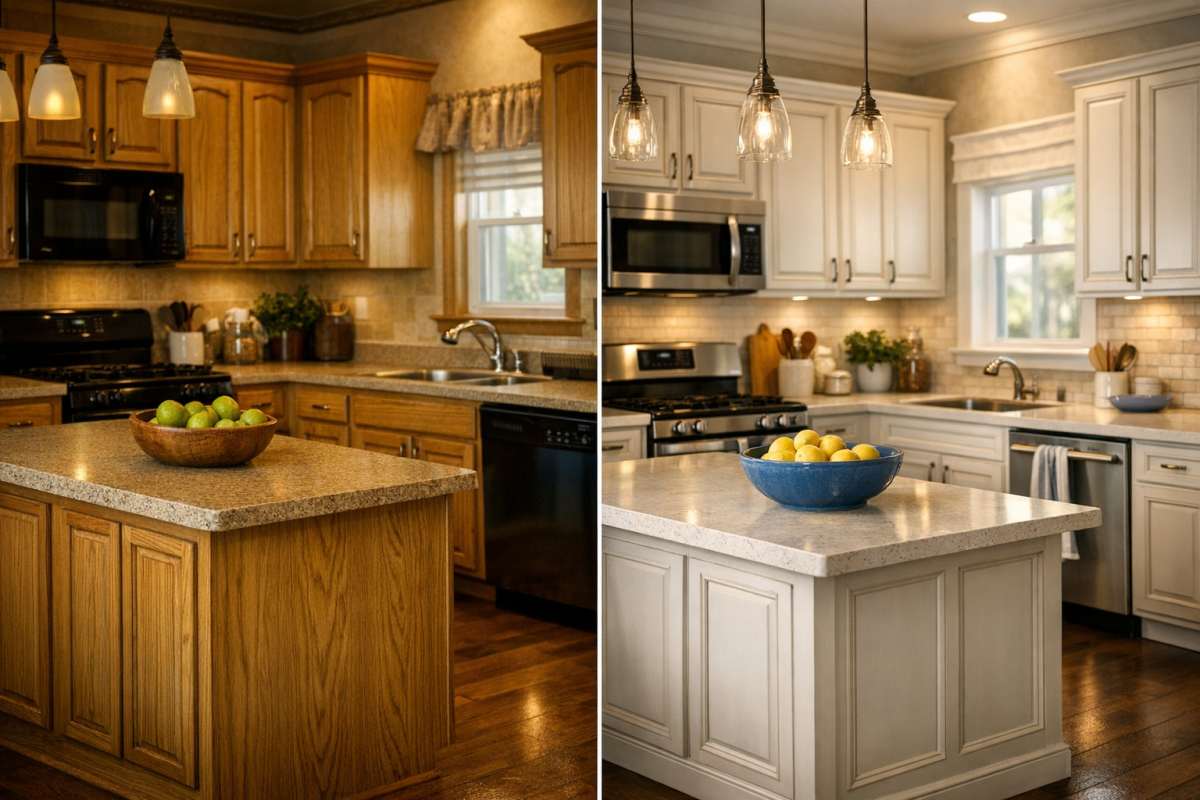
Color Strategies For Different Property Types
- Owner-occupied Denver or Boulder homes
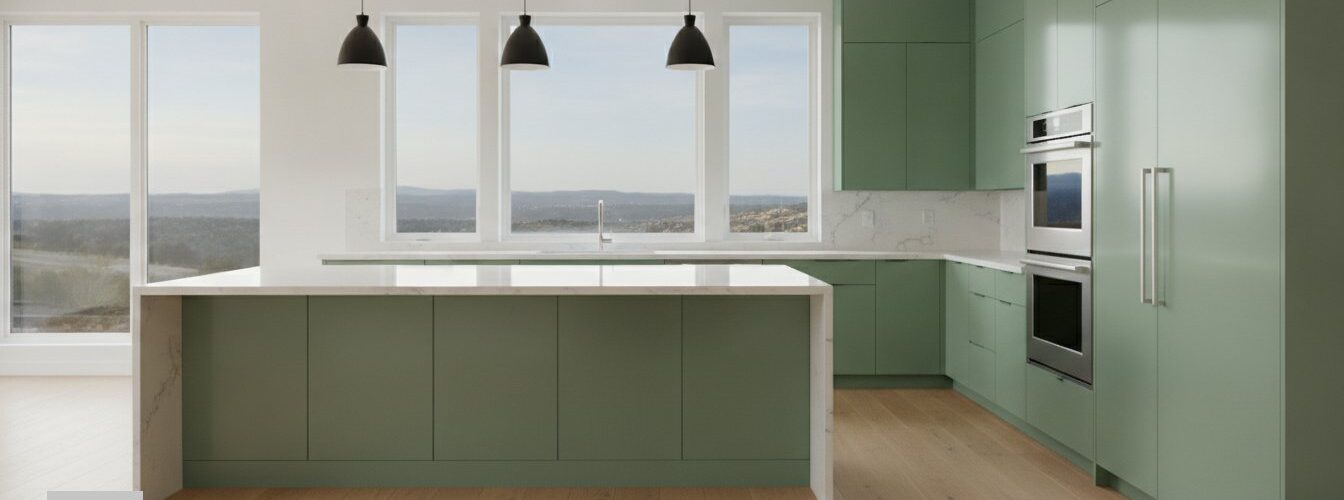
You can personalize a bit more. Navy or deep green islands with white perimeter cabinets plus a warm glaze in profiles is trending and photographs very well for resale later. - Rental properties in Arvada, Lakewood, or Aurora
Stick to light, neutral colors that hide fingerprints and minor scuffs. Soft white, warm greige, or light taupe with minimal or very subtle glazing is usually best. - Flips and resale-focused projects
Choose widely appealing palettes. White uppers with a slightly deeper gray or greige on lowers, a subtle glaze only in profiles, and satin sheen create a high-end, broadly marketable look.
How To Use Glaze Without Overdoing It
Heavy glazing that dramatically darkens crevices can feel dated. Modern use is more restrained:
- Focus glaze in profiles and corners, not over entire flat surfaces
- Choose glaze colors that are only one or two shades darker than the base coat
- For contemporary homes, use a very light gray or taupe glaze for faint shadow only
In Denver’s bright natural light, especially in homes with lots of windows, subtle glazing usually reads better and avoids harsh contrast.
Sheen Choices For Kitchens And Baths
- Satin
Most popular for cabinets, balances cleanability with a soft, furniture-like look. - Semi-gloss
Very durable and reflective, sometimes used in rentals. Can reveal surface imperfections more than satin. - Matte
Stylish but less forgiving with food splatter and moisture. Usually avoided for busy family kitchens.
Cost, Timelines, And ROI For Denver-Area Projects
Budget and return on investment are central for homeowners, investors, and property managers.
Typical Cost Ranges
Prices vary by condition, size, and finish complexity, but in the Denver metro:
- Small kitchen: often in the low four figures for professional painting without heavy glazing
- Average kitchen: mid four figures for full painting with moderate glazing and durable clear coats
- Large or very detailed kitchens: higher four figures, especially with extensive glazing or additional carpentry
Compared to a full cabinet replacement in Denver, which frequently lands in the tens of thousands, painting and glazing typically saves 60 to 80 percent while dramatically upgrading appearance.
Project Duration And Occupied Homes
Most projects follow this pattern:
- Prep and on-site work: 3 to 5 days in a typical kitchen
- Off-site spraying and curing: often overlaps, so total calendar time is usually one week or slightly more
- Light use after final coats: often within 24 to 48 hours
- Full cure: up to 30 days, depending on products and conditions
Professionals stage kitchen work to minimize downtime. You will usually have limited access during spraying days, but can often use key appliances evenings and between steps.
ROI For Different Stakeholders
- Homeowners: Attractive cabinets can make kitchens feel new, raising perceived home value and shortening time on market.
- Flippers: Painting and glazing is often among the highest ROI interior improvements when selling within a year.
- Property managers: Updated cabinets support higher rents and better tenant retention without the capital expense of replacement.
For Fort Collins and northern Colorado specifics, you can reference Cabinet Painting Fort Collins Co Cabinet Painting.
DIY vs Professional: What You Should And Should Not Tackle
Custom finishes are technically possible as a DIY project, but the risk and time commitment are substantial.
When DIY Might Be Reasonable
DIY may be worth considering if:
- The cabinets are in a small space, such as a powder room or laundry
- You are comfortable with sanding, filling, and priming
- You can accept some brush marks or minor imperfections
- You are not planning to sell or rent the property immediately
Even then, most DIY projects skip proper degreasing, bonding primers, and durable topcoats, which shortens the life of the finish.
Why Professionals Often Make Sense
Professionals bring:
- Dedicated spraying equipment for smoother, factory-like finishes
- Access to commercial-grade coatings that outperform retail paint
- Experienced color and glaze placement, which avoids streaks or patchiness
- Dust control and masking systems that protect adjacent areas
A common scenario in Denver is a homeowner who tries to DIY the kitchen, sees chipping within 6 to 12 months, and then hires a pro to strip and refinish, which ultimately costs more than hiring out from the start.
Important: If cabinets are a focal selling feature for a flip or higher-end rental, professional finishing is usually the safer financial choice.
Working With Cabinet Refinishing Denver
If you want a professional result without the trial and error, a specialized refinisher can handle everything from prep to final topcoat.

How Cabinet Refinishing Denver Helps
Cabinet Refinishing Denver focuses on:
- Thorough prep and bonding systems that work on older stained finishes and previous paint jobs
- Professionally sprayed finishes that look closer to new factory cabinets than to typical wall paint
- Custom glazing that can be as subtle or dramatic as you need, matched to your home, rental, or flip strategy
- Minimal disruption in occupied homes through efficient scheduling and dust control
For homeowners, investors, and property managers in the Denver metro, Golden, Arvada, and surrounding areas, this type of specialized service bridges the gap between full replacement and basic repainting.
If you are considering a project, you can explore options and see more examples at Cabinet Refinishing Denver: https://cabinetsrefinishing.com – Learn more
Putting Your Cabinet Update Plan Into Action
To move from ideas to a concrete project plan:
- Walk your kitchen or bath and note any damage, layout issues, or door replacements needed.
- Collect 3 to 5 inspiration photos with cabinet colors, glazing intensity, and sheen you like.
- Decide whether this property is a long‑term home, a flip, or a rental, since that will guide color and finish choices.
- Consult a professional refinisher with your photos and goals, and request a written scope that includes prep steps, products, and timeline.
With a clear goal and the right partner, custom cabinet painting and glazing can reset the entire feel of a kitchen or bath, often within a week and at a budget that fits real‑world projects in the Denver and Fort Collins markets.
Frequently Asked Questions
How long do painted and glazed cabinets last?
Professionally painted and glazed cabinets typically last 10 years or more when properly prepped, primed, and topcoated. Longevity depends on the products used and how hard the kitchen is used. High quality lacquer or 2K waterborne urethane systems, combined with gentle cleaning habits, significantly extend life. DIY jobs that skip bonding primers or use wall paint on cabinets often show wear or chipping within 1 to 3 years.
Will glazing make my cabinets look dated?
It depends on how the glaze is used. Heavy, high‑contrast glazing that darkens every corner can look dated. Modern glazing is more restrained. Professionals focus on door profiles, use softer colors like light taupe or gray, and avoid overworking flat areas. When done subtly, glazing adds depth and a custom furniture look without feeling old fashioned, and it photographs very well for listings.
Can you paint and glaze over laminate or thermofoil cabinets?
It is possible in some cases, but the process and expectations are different. Laminate requires specialized bonding primers and careful prep, and edges or damaged areas can be weak points. Thermofoil that is peeling or bubbling is usually a poor candidate and may need replacement doors. A professional refinisher should inspect and explain risks upfront. Solid wood and quality veneer remain the best substrates for painted and glazed finishes.
How do I clean painted and glazed cabinets without damaging them?
Use a soft cloth or sponge with mild dish soap and water, then dry immediately. Avoid abrasive pads, harsh chemicals, and cleaners with ammonia or citrus, which can dull the clear coat over time. Wipe spills and splatters promptly, especially around handles and near the range. For rentals, consider providing tenants with a short cleaning guide to protect your investment and maintain the finish longer.
Is cabinet painting and glazing a good idea for rental properties?
Yes, when colors and finishes are chosen correctly. Painting and subtle glazing can make rentals feel higher end and help justify stronger rents. Use durable, washable coatings, satin or semi‑gloss sheen, and light to mid‑tone neutrals that hide minor scuffs. Avoid overly custom colors that might limit appeal. For multi‑unit buildings, standardizing a palette across units also simplifies maintenance and touchups.