
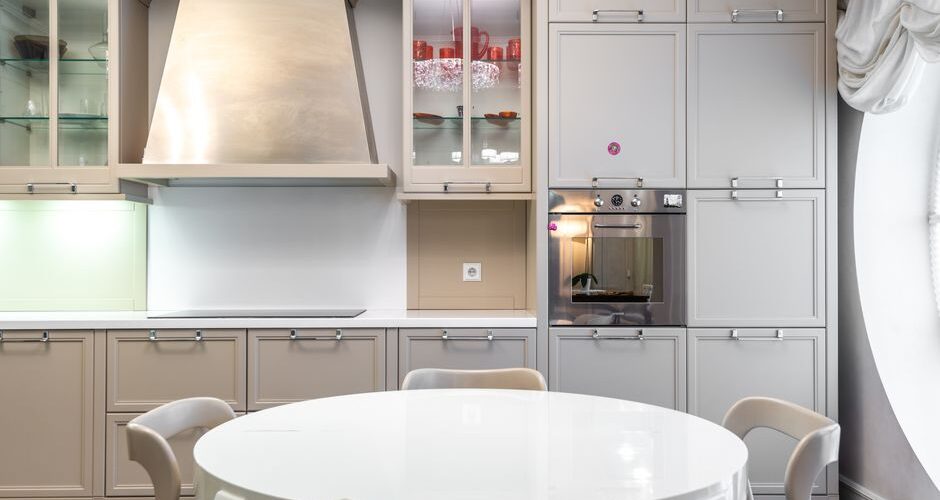
Denver buyers form an opinion about a kitchen within seconds of walking through it, and sellers pay for that opinion either at listing time or at the negotiating table. The practical question is how much a refresh actually returns. In the Denver metro area, a minor kitchen remodel or smart aesthetic refresh frequently recoups 96% to 110% of what it cost, which puts kitchen work near the top of the list for home improvement spending.
That headline number hides a wide range. A refresh can mean $7,900 of cosmetic updates finished in a few days, or it can shade into a six-figure custom build. What you get back depends on which end of that spread you choose and how much of the existing kitchen you decide to keep.
What Counts as a Kitchen Refresh in Denver
A refresh is not a full remodel. Denver sources describe it as the lighter tier of kitchen work: painting cabinets, updating hardware, replacing countertops, and upgrading appliances. Nothing moves. No walls come out, no plumbing gets rerouted, and the layout stays exactly where the original builder put it.
Cabinet refinishing sits at the center of that list. A spray-applied factory finish restores the cabinet boxes and doors you already own, with color matching to Sherwin Williams and Benjamin Moore paint lines, backed by a 3-year warranty rather than the short service life of a brush-and-roll latex job. The kitchen reads as new without the demolition, disposal, and disruption that come with replacement.
- Cabinet refinishing or painting, spray-applied rather than brushed
- New cabinet hardware and drawer pulls
- Countertop replacement
- Appliance refresh
- Lighting upgrades and fresh interior paint
The Denver ROI Numbers, Side by Side
Different sources frame the same market in different ways. Read them together and the pattern is consistent: lighter kitchen work recovers most of its cost, while heavier remodels recover less.
| Scope of work | Reported return in Denver |
|---|---|
| Minor kitchen remodel or smart aesthetic refresh | Frequently recoups 96% to 110% of cost |
| Minor kitchen remodel (Axios figure cited by a Denver remodeler) | ROI of up to 72% |
| Kitchen remodel overall, all tiers | 38% to 96.1%, depending on the level selected |
Notice the direction of travel. As the scope of the project grows, the percentage of cost recovered tends to fall. That is the core argument for refreshing an existing kitchen rather than rebuilding it, and it is why cabinet work shows up first in nearly every Denver resale checklist.
What a Full Denver Kitchen Remodel Costs
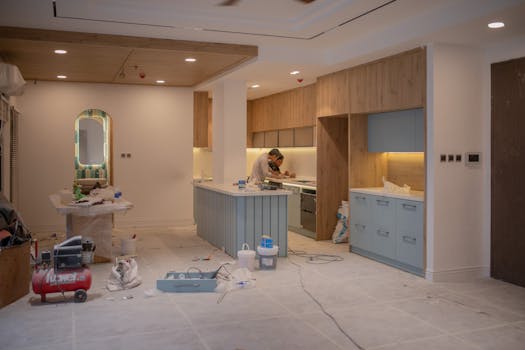
To judge a refresh, you need the price of the alternative. Denver remodel cost breakdowns put the tiers roughly here:
| Project tier | Typical Denver cost range |
|---|---|
| Minor kitchen remodel | $25,000 to $45,000 |
| Mid-range kitchen remodel | $50,000 to $85,000 |
| High-end or custom kitchen remodel | $90,000 to $150,000 and up |
A Denver remodeling discussion thread put a cosmetic galley kitchen at $35,000 to $55,000 once mid-range finishes and quality labor are included, and another Denver source describes most kitchen remodels as ranging upward from the $75,000 mark. Those figures describe full remodels, not refreshes. They are the number homeowners compare against when they weigh refinishing against replacement.
The Five Highest-ROI Moves in a Denver Kitchen
Denver-focused resale guidance ranks the upgrades in a specific order, and the order matters because it tells you where to spend first. The five highest-return moves, ranked, are:
- Cabinet refinishing or painting
- Countertop replacement
- Appliance refresh
- Lighting and hardware upgrades
- Fresh paint and new flooring
Cabinets lead that list for a simple reason: they occupy more visual space in a kitchen than any other surface, and worn or dated cabinet fronts drag down the perception of the entire room. Countertops come second because they are the next thing a buyer’s eye lands on. Appliances, lighting, and flooring finish the job by removing the small signs of age that make a kitchen feel tired.
Refinishing vs. Replacement: The Cost Gap
The spread between refinishing and replacing cabinets is where most of the resale math happens. Denver sources report that cabinet refinishing can add $15,000 or more in value for roughly 70% less than a full remodel. Homeowners typically save up to 75% compared with the cost of a conventional full custom job. One Denver comparison frames refinishing as delivering a return of about 200% relative to full replacement.
The reason is structural. Replacing cabinets means paying for new boxes, new doors, new hardware, tear-out, disposal, and installation labor, plus the countertop and backsplash work that usually gets triggered along the way. Refinishing keeps the boxes and refinishes the doors, so the bulk of the material cost never appears on the invoice. Factory-smooth cabinets can be back in place in about five days.
What a Spray-Only Finish Changes
Application method affects how long the result lasts, and durability is what a buyer’s inspector and appraiser are effectively evaluating. A sprayed factory finish lays down an even coat with no brush marks, no roller texture, and no lap lines where one section of paint met the next. Brush-and-roll latex applied over existing cabinetry often shows those marks within a season or two, particularly on raised panel doors and around drawer fronts.
Cosmetic Upgrades and Their Timelines
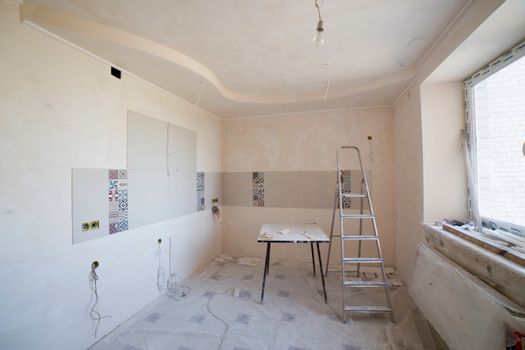
Timeline matters as much as cost when a listing date is already set. One Denver metro ROI breakdown lists cosmetic kitchen upgrades at $7,900 and $10,500, each taking roughly three to five days of work. Those are the projects that fit between a decision to sell and the photographer’s appointment, without pushing the listing back a month.
A full remodel does not fit that window. Even a minor remodel at the low end of the Denver range runs $25,000 to $45,000 and stretches across weeks of scheduling, inspections, and material lead times. If you are selling in the next quarter, the refresh tier is the only realistic lane.
What Denver Buyers Notice First
Buyers walking a Denver kitchen are not running a cost spreadsheet. They are reacting to condition. Cabinet doors that stick, finish worn thin at the handles, mismatched hardware, and yellowed overhead lighting all read as deferred maintenance, and deferred maintenance invites lower offers.
A refresh flips that read. Clean, evenly finished cabinet fronts, consistent hardware, brighter light, and a counter that is not chipped signal a home that has been cared for. The return percentages reported across Denver sources are the market’s way of pricing that perception. The upgrades themselves are modest; the signal they send is not.
A Practical Sequence for Listing Prep
If you are refreshing before selling, the order of operations keeps the project inside its timeline and its budget.
- Fix what is broken first, including warped doors, sticking drawers, and scratches on painted cabinets.
- Refinish or paint the cabinets, since everything else in the room gets chosen around the finish.
- Replace the countertop if it is dated or damaged.
- Update hardware and lighting, which are inexpensive and highly visible.
- Refresh appliances where the budget allows and the existing units look out of place.
- Finish with paint and flooring so the room photographs clean and complete.
Get written estimates and a written schedule before work begins, and confirm what warranty covers the finish. Those details are what separate a refresh that holds up through a home inspection from one that becomes a negotiation point.
Frequently Asked Questions
How much does a kitchen refresh add to resale value in Denver?
Denver-focused sources report that a minor kitchen remodel or smart aesthetic refresh frequently recoups 96% to 110% of its cost, and cabinet refinishing alone is credited with adding $15,000 or more in value for roughly 70% less than a full replacement. Your exact result depends on your home’s price point, the condition of the existing kitchen, and how much of the work you choose to complete.
Do I need a full remodel to get a strong return in Denver?
No. Reported returns fall as scope rises. A minor kitchen remodel or refresh can recoup 96% to 110% of its cost, while kitchen remodels overall return somewhere between 38% and 96.1% depending on the tier selected. A full remodel costs far more up front, so the dollars recovered per dollar spent are usually lower.
How fast can a cabinet refinishing refresh be completed?
Denver sources describe cosmetic kitchen upgrades taking roughly three to five days each, and cabinet refinishing marketed as a five-day project that delivers factory-smooth cabinets. Actual timing depends on cabinet count, the condition of the existing finish, and how much repair is needed before spraying. Ask for a written schedule before you commit to a listing date.
Is refinishing cheaper than replacing cabinets?
Yes, by a wide margin. Reported figures put cabinet refinishing at roughly 70% less than a full remodel, with homeowners saving up to 75% compared with a conventional full custom job. One Denver comparison frames refinishing as returning about 200% relative to full replacement. You keep the existing boxes, which is where much of the cost of replacement actually lives.
What kitchen cabinet color has the best resale value?
The sources reviewed here do not identify a single best cabinet color for Denver resale, and color preferences shift over time. A widely liked neutral that suits the home’s existing finishes is the lower-risk choice, applied as a durable sprayed finish rather than a thin brush-and-roll coat. Look at current listings near your neighborhood before you commit.