
Why spray finish cabinet painting is booming in Colorado
In Colorado, replacing dated kitchen or bathroom cabinets often costs between $12,000 and $25,000. For many homeowners, investors, and property managers, that number kills the remodel before it starts. Spray finish cabinet painting services in Colorado solve this problem by delivering a factory‑smooth, durable finish at a fraction of full replacement.
Cabinet Painting Service Areas in Lafayette CO, Boulder CO, Evergreen CO & Surrounding Cities, Cabinet Refinishing in Boulder County, CO
Cabinet Painting in Boulder County & Northern Colorado
Brighton, CO, and Broomfield, CO.
Including Superior, CO, Louisville, CO, Niwot CO,
Lafayette, CO, Erie, CO, Firestone, CO,
Frederick, CO, Longmont, CO, Loveland, CO,
We also service projects throughout the entire state of Colorado.
Brighton, CO, and Broomfield, CO.
Including Superior, CO, Louisville, CO, Niwot CO,
Lafayette, CO, Erie, CO, Firestone, CO,
Frederick, CO, Longmont, CO, Loveland, CO,
We also service projects throughout the entire state of Colorado.
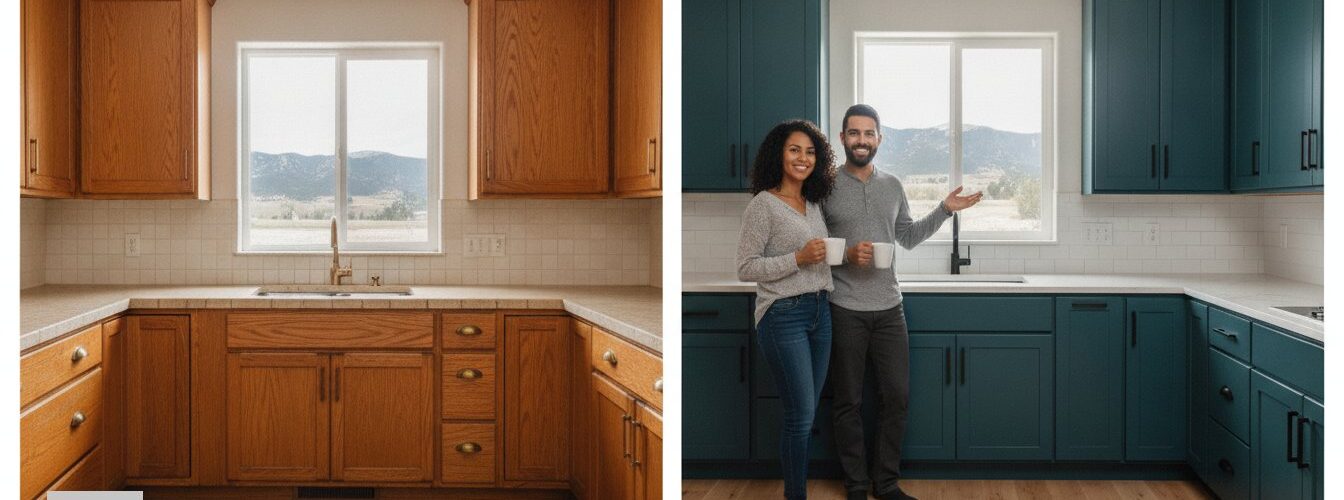
Spray finishing is not the same as rolling or brushing paint onto cabinets. It uses professional HVLP (high volume, low pressure) or airless equipment, specialized coatings, and a controlled prep process. When done correctly, it transforms orange oak, knotty maple, or builder‑grade thermofoil into a modern, high‑end look that can immediately increase perceived property value.My Review of Graco FFLP Tips for Spraying Cabinets
This guide walks through exactly what spray finish cabinet painting is, how it compares to other options, what it costs in Colorado, and how to choose the right contractor for a primary residence, rental, or flip.
What “spray finish” really means for cabinets
Most painting companies say they “paint cabinets,” but spray finish cabinet painting is a specific process that aims to replicate a factory finish. Understanding the difference helps you evaluate quotes and quality.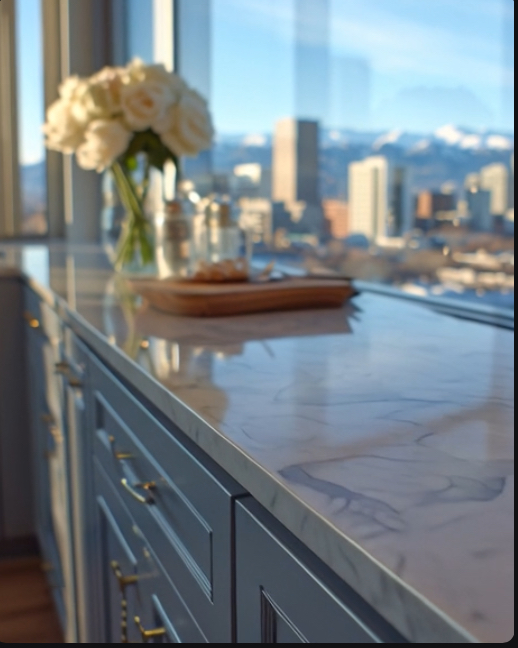
How spray finish differs from brush and roll
Brush and roll methods use standard wall paints and basic tools. Even with a skilled painter, you usually see:
- Visible brush strokes or roller stipple
- Softer finish that scratches more easily
- Thicker, less refined edges and profiles
Professional spray finishing uses:
- HVLP or fine‑finish airless sprayers
- Specialty primers that bond to lacquer, stain, or factory finishes
- Catalyzed or industrial enamel topcoats formulated for cabinets
The result is a smooth, even finish that looks like new cabinetry, not “painted over” boxes.
Key Takeaway: If you can see roller texture or brush marks, it is not true spray finish cabinet painting, no matter what the contractor calls it.
Why spray finishing is ideal for Colorado kitchens and baths
Colorado homes face low humidity indoors for much of the year, wide temperature swings, and higher UV exposure at elevation. Cabinet coatings must handle:
- Frequent temperature changes near ovens and dishwashers
- Steam and moisture around sinks and showers
- Dry air that can cause cheap paints to crack
Quality spray finishes, correctly cured, create a harder, more chemical‑resistant surface that holds up in these conditions far better than standard interior paint.
Cost of spray finish cabinet painting in Colorado
Pricing in the Denver metro and along the Front Range reflects both local labor costs and the technical nature of cabinet finishing. Understanding the main cost drivers helps you budget accurately and evaluate bids.
Typical price ranges you can expect
While every project is unique, real‑world ranges for professional spray finish cabinet painting services in Colorado often fall in these bands:
| Project Type | Typical Range (Colorado) | Notes |
|---|---|---|
| Small condo kitchenette (10–15 doors) | $1,800 – $3,000 | Minimal repairs, standard colors |
| Average single‑family kitchen | $3,000 – $6,500 | 25–40 doors/drawers, moderate prep |
| Large custom kitchen + island | $6,500 – $10,000+ | Complex profiles, higher‑end coatings |
| Bathroom vanities (per room) | $650 – $1,200 | Often added to kitchen projects |
| Multi‑unit rental building (per unit) | $1,500 – $3,000 | Volume pricing possible |
These numbers assume full professional prep, spray booth or controlled environment, high‑quality primer, and cabinet‑grade topcoat. If a quote is significantly lower, ask what has been reduced or skipped.
Factors that raise or lower your price
Key variables include:
- Cabinet material: Oak with heavy grain takes more prep than smooth maple or MDF.
- Existing finish: Old lacquer and oil stain require stronger prep than newer factory finishes.
- Layout and access: Tight kitchens, soffits, and integrated fridges add time.
- Color choice: Deep colors and dark navy often need extra coats compared with whites.
- Repairs and modifications: Filling old hardware holes, adding soft‑close hinges, or fixing water damage increases labor.
For more detail on pricing and service scopes, you can compare with broader cabinet refinishing services in Denver and Colorado that outline typical project sizes and budgets.
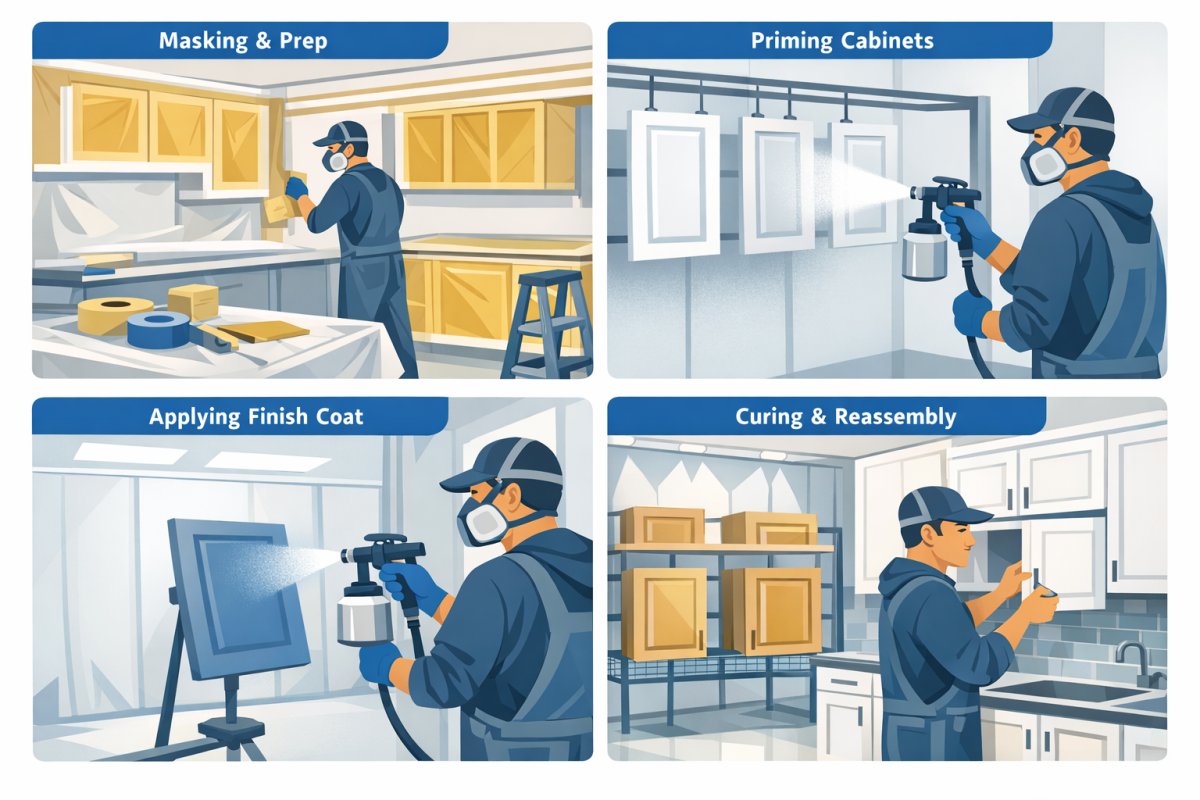
The complete spray finish process, step by step
Knowing the professional process lets you separate serious cabinet finishing specialists from basic painters who “also do cabinets.” Here is what a high‑quality workflow usually includes.
On‑site setup and protection
First, crews protect everything that is not getting painted:
- Masking floors, countertops, appliances, and backsplash
- Building temporary plastic walls to contain dust and overspray
- Setting up ventilation and filtration when a temporary spray zone is needed
Doors and drawers are removed and labeled carefully so they return to the right location.
Deep cleaning and surface prep
Next comes the part that determines how long your finish lasts:
- Degreasing with industrial cleaners to remove cooking oils and residues
- Sanding to dull the existing finish and level imperfections
- Repairing chips, dings, and minor water damage with fillers and epoxy
- Caulking open seams and gaps for a more built‑in look
For properties that have seen heavy use, such as rentals or older Denver bungalows, this cleaning stage is often far more intensive than homeowners expect.
Priming and spraying in a controlled environment
Doors and drawers usually go to a shop or mobile spray booth. Boxes and frames are sprayed on site in a controlled zone. A professional sequence typically looks like this:
- Bonding primer applied by sprayer for even coverage
- Light sanding once primer dries, followed by dust removal
- One to three coats of cabinet‑grade enamel or industrial coating
- Adequate flash times and cure periods between coats
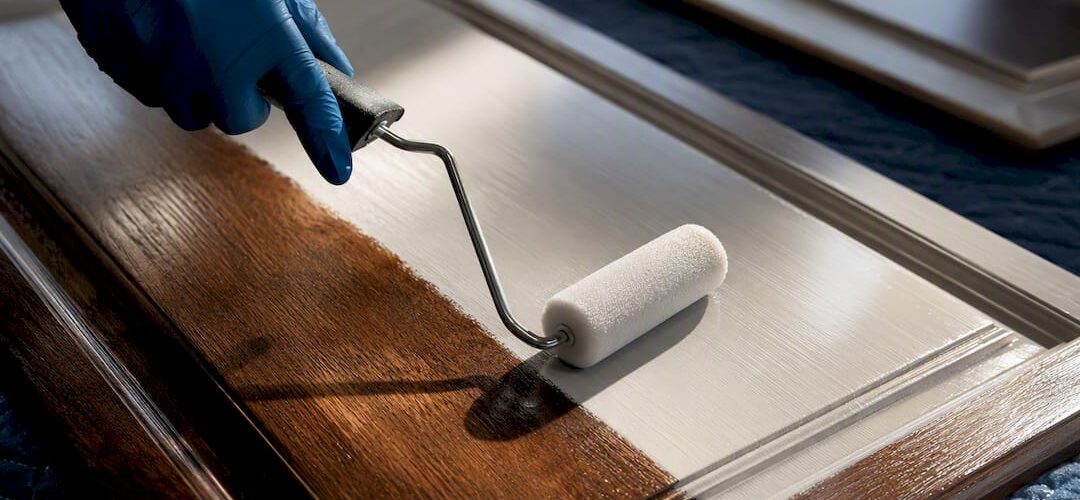
[IMAGE: Close-up cinematic shot of a professional painter spraying cabinet doors in a controlled booth, soft bokeh background]
Reassembly and final inspection
Once fully cured:
- Doors and drawers are reinstalled and adjusted
- Hardware is installed or updated, including knobs, pulls, and soft‑close hinges if requested
- Touch‑ups, door alignment, and sheen consistency are checked in multiple lighting conditions
This is also when your contractor should walk the space with you and address any items you notice before final sign‑off.
Pro Tip: Ask your contractor where they spray doors and drawers. A dedicated shop or mobile booth usually means better dust control and a smoother finish than spraying everything in an open garage.
Spray finish vs replacement, refacing, and DIY
If you are planning a project in Colorado, you are likely comparing several options. A side‑by‑side look helps clarify when spray finishing is the best fit.
Comparing the main cabinet update options
| Option | Typical Colorado Cost | Timeline | Pros | Cons |
|---|---|---|---|---|
| Full replacement | $12,000 – $25,000+ | 2–6 weeks | New layout, new boxes | Highest cost, more demo |
| Cabinet refacing | $8,000 – $15,000+ | 1–3 weeks | New doors/skins | Still expensive |
| Pro spray refinishing | $3,000 – $7,500 | 4–7 working days | Factory‑like finish, keeps boxes | Requires solid existing boxes |
| DIY painting | $400 – $1,000 | Many weekends | Lowest cost | Visible brush marks, durability issues |
Spray finish cabinet painting is usually the best choice when your existing boxes are structurally sound and your layout works, but the color and style are dated.
When spray finishing might not be the right choice
You may want to consider replacement instead of spray finishing if:
- Your cabinet boxes are particleboard with severe water damage
- The layout simply does not function, for example poor workflow or insufficient storage
- You are opening walls or moving major mechanicals, which often triggers a full redesign
In borderline cases, experienced refinishers can still save cabinets that general contractors may want to tear out. It can be worth having a cabinet refinishing specialist review the space before committing to full replacement. Several professional cabinet refinishing services in the Denver metro can provide that second opinion.
Considerations for investors, rentals, and flips
Real estate investors and property managers look at cabinet refinishing differently than homeowners. The focus is return on investment, durability under heavy use, and unit downtime.
How spray finishes impact ARV and rent
In Denver, Aurora, Lakewood, and similar markets, updating kitchens is one of the fastest ways to:
- Increase after‑repair value for flips
- Command higher rents and attract better tenants
- Shorten time on market for listings
A typical investor sees:
- $3,000 – $5,000 spent on spray finishing and new hardware
- $15,000 – $25,000 perceived increase in value because the kitchen “reads” as renovated, especially in listing photos
This is especially true when combined with new countertops and modest lighting updates.
Durability and maintenance in rentals
For rentals, the coating system and prep are critical. Tenants are harder on cabinets than owners. You want:
- Hard, scrubbable finishes that resist chipping under frequent cleaning
- Neutral, timeless colors that work across multiple turnover cycles
- Easy touch‑up capability without obvious patchiness
Many professional cabinet shops that serve investors in metro Denver standardize on a small color palette and proven coating systems so maintenance is predictable across portfolios. You can ask about this when interviewing refinishing companies.
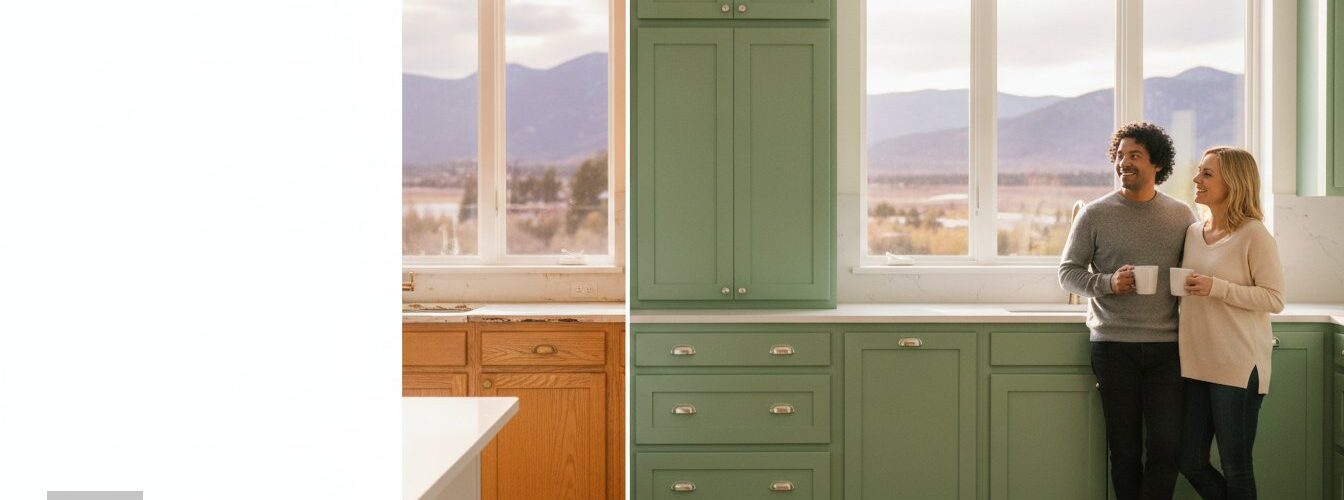
[IMAGE: Cinematic wide shot of a modern, freshly refinished white kitchen in a Denver condo with mountain light coming through the windows]
Key questions to ask Colorado spray finishing contractors
Not all painting companies are truly equipped for cabinet spray finishing. Use these questions to vet providers before you sign a proposal.
Technical and process questions
- What specific products do you use for primer and topcoat, and are they designed for cabinets or trim, not walls?
- Do you use HVLP or fine‑finish airless equipment dedicated to cabinets?
- Where do you spray doors and drawers, and how do you control dust and overspray?
- How many coats of primer and finish do you typically apply?
- What is your standard cure time before reinstallation and before heavy use?
Experience and protection questions
- How many cabinet projects have you completed in the past 12 months?
- Can I see before‑and‑after photos of similar Colorado kitchens or rental units you have completed?
- Do you carry liability insurance and workers’ compensation, and can you provide certificates?
- What written warranty do you provide on cabinet finishes, and what does it cover?
You can compare the answers you receive with information from established Denver specialists like Professional Cabinet Refinishing & Cabinet Painting in Metro Denver Colorado, which outline typical processes and guarantees.
Important: If a contractor cannot clearly explain their coating system, prep steps, and cure schedule, they are not a cabinet finishing specialist, even if they are excellent at walls and trim.
Working with Cabinet Refinishing Denver
If you want a partner that focuses specifically on cabinet refinishing with spray finishes, Cabinet Refinishing Denver is built for that niche.
What sets Cabinet Refinishing Denver apart
Cabinet Refinishing Denver focuses on:
- Spray finish cabinet painting with industrial coatings suited to Colorado’s dry climate
- Detailed prep, including degreasing, sanding, and repairs that many painters skip
- Controlled spray environments for doors and drawers to reduce dust and defects
- Flexible scheduling for occupied homes, rentals between tenants, and time‑sensitive flips
They work across the Denver metro area and nearby communities, which allows them to understand neighborhood expectations, from Wash Park bungalows to Highlands ranch flips and multi‑unit buildings.
When to reach out for an estimate
It makes sense to contact Cabinet Refinishing Denver if:
- You are comparing spray finishing against replacement and need a firm cost difference
- You have solid but dated cabinets, including oak, maple, or builder‑grade stock units
- You manage several properties and want a repeatable process and color system
You can review services, galleries, and request an estimate at Cabinet Refinishing Denver.
Call‑to‑action: Learn more about whether spray finish cabinet painting is the right fit for your Colorado property and budget.
Putting spray finish cabinet painting into action
Spray finish cabinet painting services in Colorado offer a powerful middle ground between quick cosmetic fixes and full kitchen replacement. With the right contractor and coating system, you can achieve a factory‑smooth, durable finish that holds up to Colorado’s climate, boosts resale value, and refreshes tired rentals without tearing out functional cabinetry.
Your next steps are straightforward: decide whether your existing cabinet boxes are worth keeping, define your budget range, then interview two or three true cabinet finishing specialists. Use the questions in this guide, review real project photos, and insist on a clearly defined process and warranty. That combination virtually guarantees a result that looks and feels like new cabinets without the new‑cabinet price tag.
Frequently Asked Questions
How long does spray finish cabinet painting take in Colorado homes?
Most Colorado kitchen projects take 4 to 7 working days from onsite prep to reinstallation, depending on size and complexity. Day one is usually devoted to masking, protection, and removing doors. Spraying, sanding between coats, and curing fill the middle days. The final day covers reassembly, hardware, and walkthrough. Large custom kitchens or multi‑room projects can extend into a second week, but your kitchen is typically functional for most of that time.
How durable is a professional spray finish compared with factory cabinets?
A properly applied spray finish using cabinet‑grade or industrial enamel can be very close to a factory finish in hardness and chemical resistance. The key is preparation and curing. Bonding primer, careful sanding, and appropriate cure times are essential. While it might not match the absolute durability of the highest‑end factory catalyzed finishes, it will far outperform standard wall paint applied with brushes or rollers and should hold up well for many years of normal residential use.
Can you spray finish over oak cabinets and hide the grain?
Yes, oak cabinets can be spray finished, but fully hiding the grain requires additional prep. Contractors can use grain‑filling products, multiple primer coats, and sanding cycles to minimize texture. In practice, most Denver homeowners choose either a “softened” grain look, where texture is visible up close, or pay for extra prep to achieve a near‑smooth finish. Discuss grain expectations in detail before work begins, since this is a major factor in both cost and final appearance.
Is spray finish cabinet painting safe to do in occupied homes?
With professional equipment and proper containment, spray finishing can be done safely in occupied homes. Contractors should mask and seal the work area, use exhaust and filtration to control overspray and odors, and specify low‑VOC or waterborne products when appropriate. Many Colorado refinishing companies complete projects while families remain in place, coordinating around schedules. If you are sensitive to fumes, ask about product types and plan to be away during the heaviest spraying hours.
What colors work best for spray finished cabinets in Colorado homes and rentals?
Light, neutral colors remain the most popular in Colorado, especially warm whites, soft grays, and light greige tones that complement natural light and mountain views. These colors photograph well for listings and appeal to the broadest pool of buyers and tenants. For higher‑end homes or personal residences, deep navy islands, charcoal lowers with white uppers, or muted greens are trending. Whatever you choose, stick with cabinet‑appropriate sheens, typically satin or semi‑gloss, which balance cleanability with a refined look.