
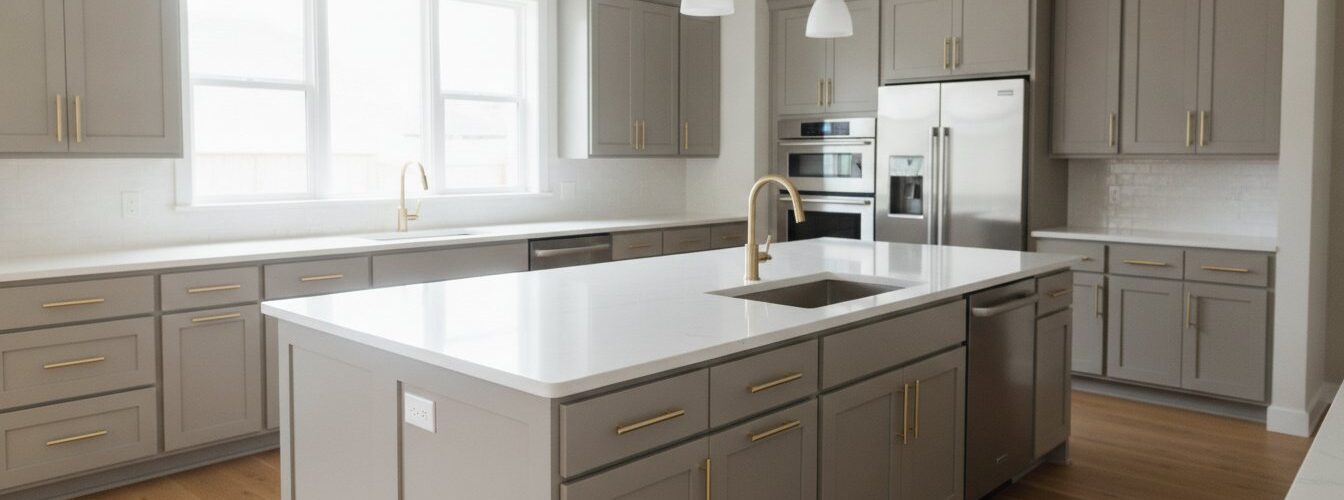
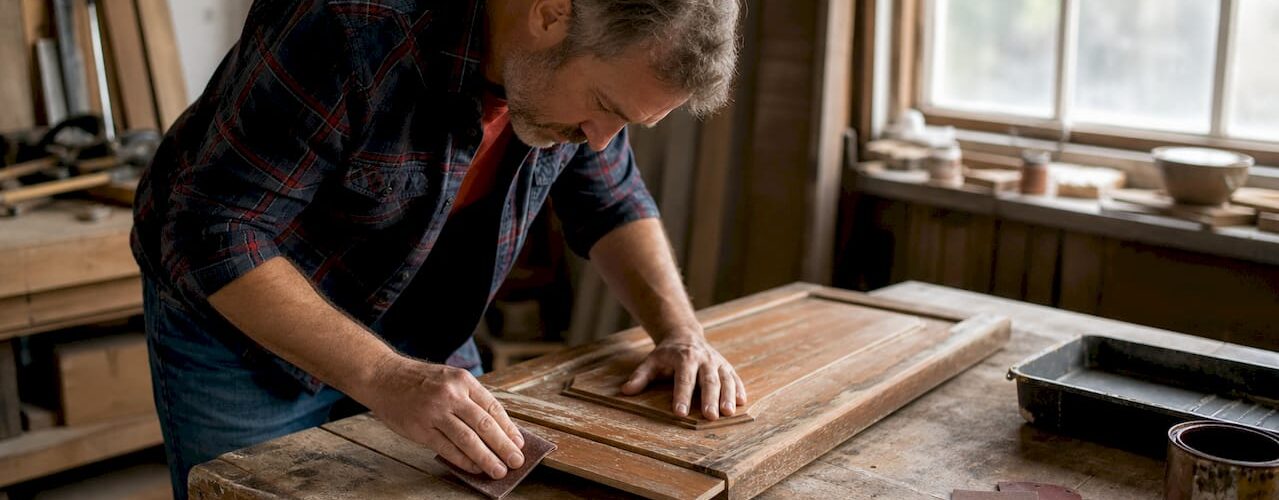
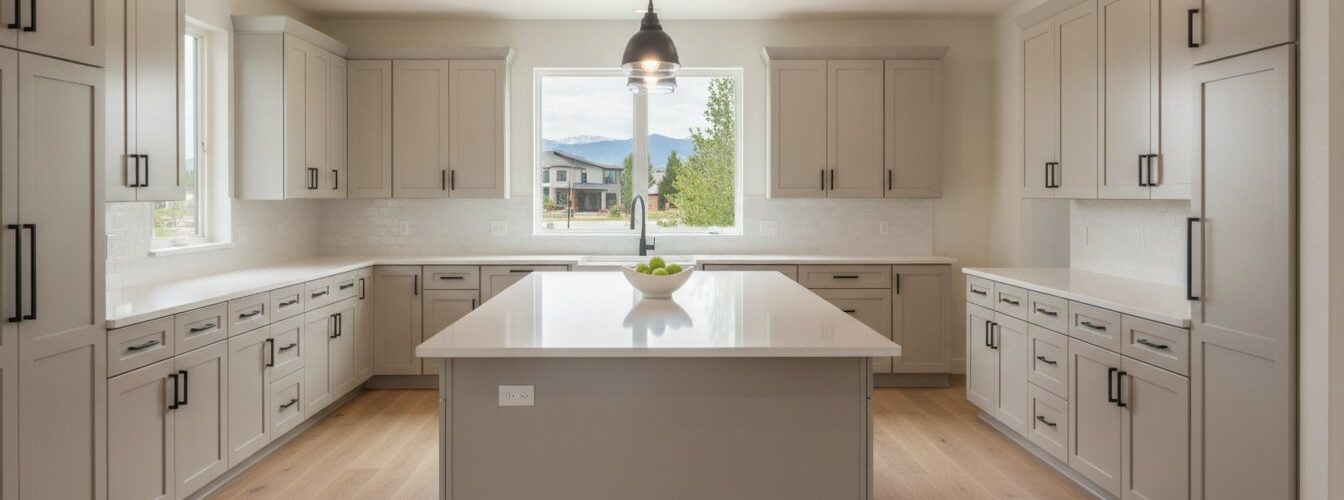

Why Custom Cabinet Painting and Refinishing Is a Smart Move
For many Denver homeowners, investors, and designers, cabinets are the single biggest visual element in a kitchen or bath. They also tend to be the single biggest line item in a remodel. Full replacement can easily run $12,000 to $25,000 for a typical kitchen in the Denver metro area, which is why custom cabinet painting and refinishing has become the go-to strategy for cost-conscious but design-driven projects.
The right refinishing process can deliver a factory-level finish, extend cabinet life by 10 years or more, and modernize a dated space without tearing out functional boxes. For house flippers and rental property owners, it can turn a tired kitchen into a listing highlight in less than a week, often for 50 to 70 percent less than new cabinets.
Cabinet Painting Service Areas in Denver & Surrounding Cities, Cabinet Refinishing in Denver County,
Serving Lakewood, CO, Littleton, CO, Golden, CO, Evergreen CO, Roxborough Park CO, Ken Carl Ranch CO,
Arvada, CO, Wheat Ridge, CO,
and Parker CO. Castle Pines CO. Englewood CO. Centennial CO.
Cabinet Painting in Arapahoe County, CO
Including Centennial, CO, Greenwood Village, CO,
Cherry Hills Village, CO, Englewood, CO,
and Aurora, CO.
Cabinet Painting in Adams County & Broomfield, CO
This guide walks through what custom cabinet painting and refinishing really involves, which options make sense for your situation, realistic costs and timelines in the Denver area, and how to choose a process and contractor that actually holds up in real-world use. My Review of Graco FFLP Tips for Spraying Cabinets
Painting vs Refinishing vs Refacing: What Is Best for Your Property?
Before you choose a direction, it helps to be clear on the terminology and what each option really does for you.
Key Cabinet Finish Options Compared
| Option | What It Is | Typical Cost vs New | Best For |
|---|---|---|---|
| Custom painting | Cleaning, sanding, repairs, primer, colored topcoats | 30–50% of new | Solid, structurally sound cabinets |
| Refinishing (clear) | Stripping, stain or clear coats on existing wood tones | 40–60% of new | Quality wood cabinets you want to showcase |
| Paint + glaze / two-tone | Painted finish with decorative techniques or dual colors | 40–65% of new | Design-forward flips or custom homes |
| Refacing | New doors/veneers plus painting or factory finishes | 60–80% of new | Layout stays, but doors/boxes look outdated |
For most Denver-area projects, custom cabinet painting or refinishing provides the best value, particularly when:
- The layout works, and you do not want to move plumbing or electrical.
- The cabinet boxes are structurally sound.
- You want a different style or color, not entirely new cabinetry.
Key Takeaway: If the boxes are solid and the layout works, custom cabinet painting and refinishing will almost always deliver the highest return on investment compared to full replacement.
For more visual examples of what is possible with existing cabinets, review recent projects on Cabinet Refinishing Cabinet Painting Services Denver Co Golden Co Arvada Co Kitchen Cabinet Painting.
When Cabinet Painting and Refinishing Makes Sense (And When It Does Not)
The smartest investors and homeowners know that refinishing is highly effective, but not universal. There are clear situations where it shines and others where replacement is smarter.
Ideal Candidates for Custom Cabinet Painting
Custom painting and refinishing are strong fits when:
- Cabinet boxes are sturdy: No major water damage, sagging floors, or severe warping.
- You like the layout: U-shape, L-shape, or galley that functions well.
- You are updating surfaces: New countertops, backsplash, flooring, or appliances that would benefit from a coordinated cabinet color.
- You need speed: Flips or rentals that must hit the market in 1 to 3 weeks.
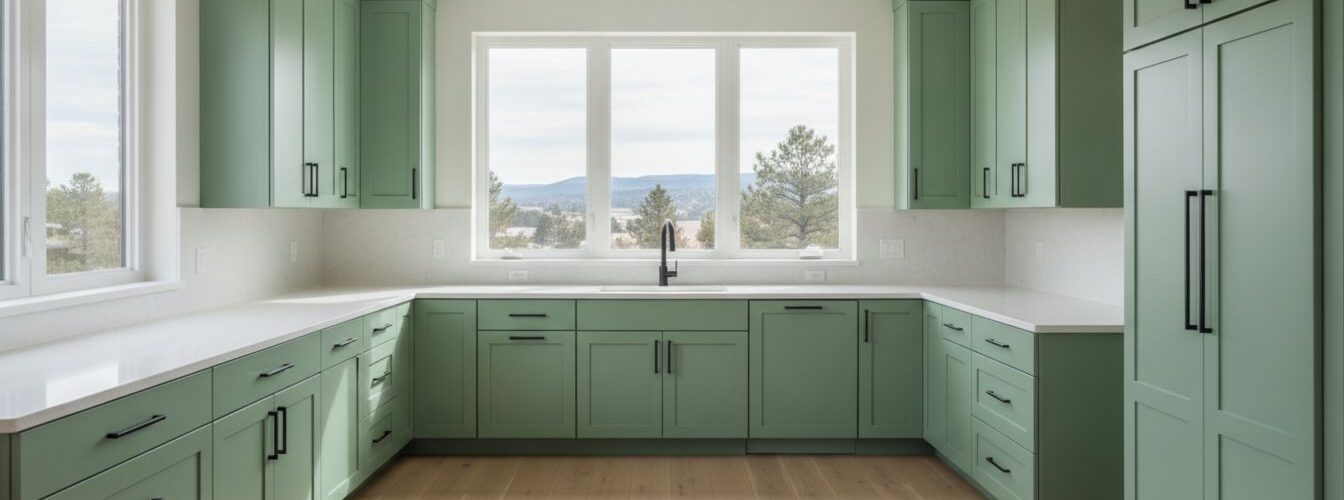
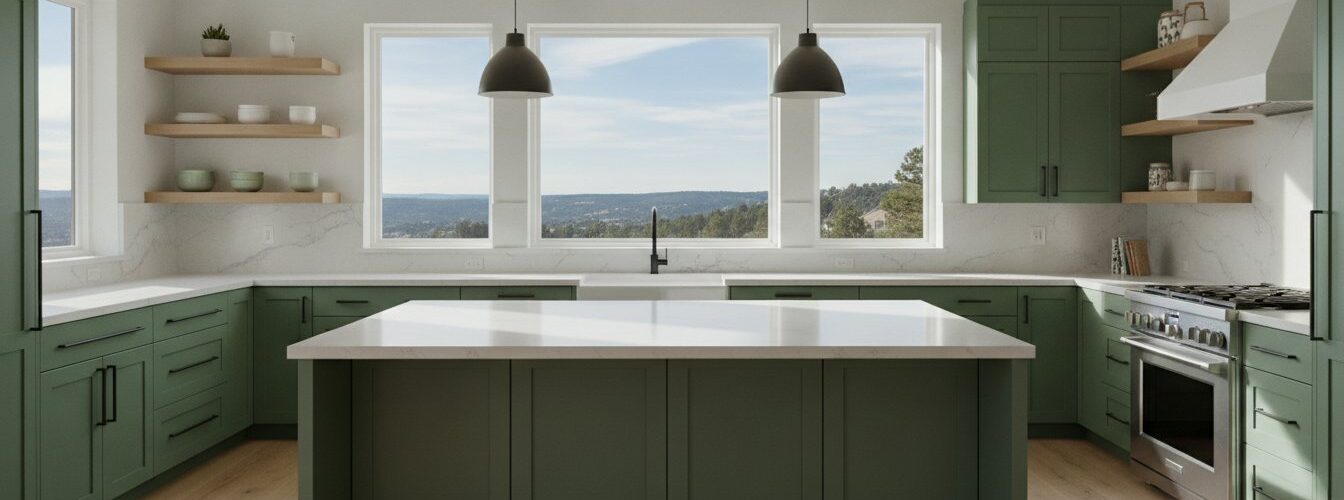
- You want higher-end looks on a budget: White shaker look, modern two-tone designs, or deep blues and greens without paying for new custom cabinets.
For rental properties, a durable sprayed finish can dramatically improve perceived quality, which often supports higher rent and lower vacancy.
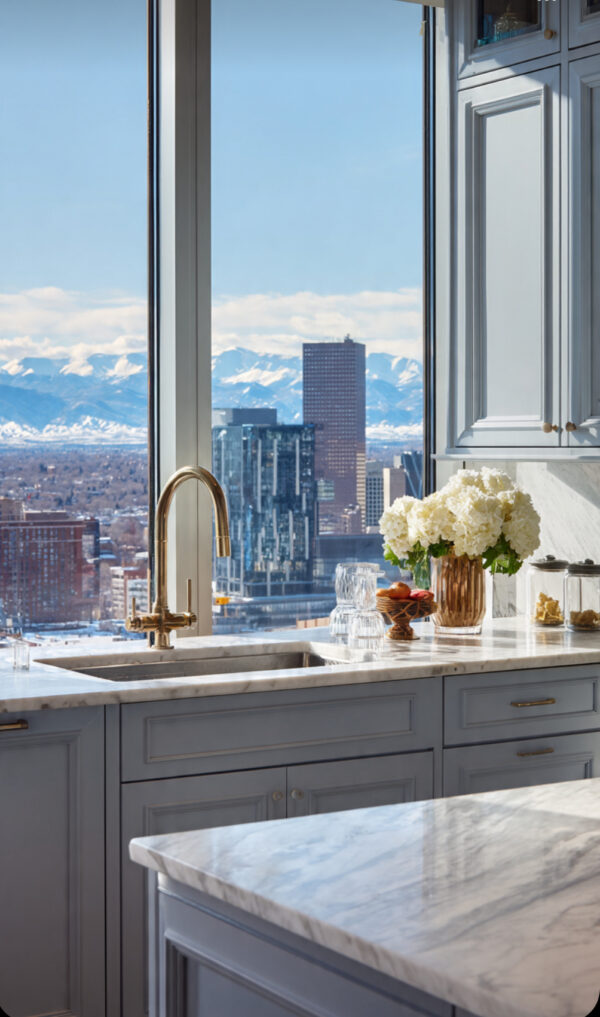
Cabinet painting, Denver, factory finish
When Replacement May Be Better
Consider full or partial replacement when:
- Boxes are particleboard that has swollen from water and cannot hold screws.
- Layout changes are required for modern appliances or open concept.
- There is extensive mold, fire, or structural damage.
- You plan a full gut renovation for a high-end custom home.
If you are unsure where your project falls, professional cabinet specialists can usually assess your cabinets in a short visit and provide pricing for both refinishing and replacement options. The comparison often makes the decision clear.
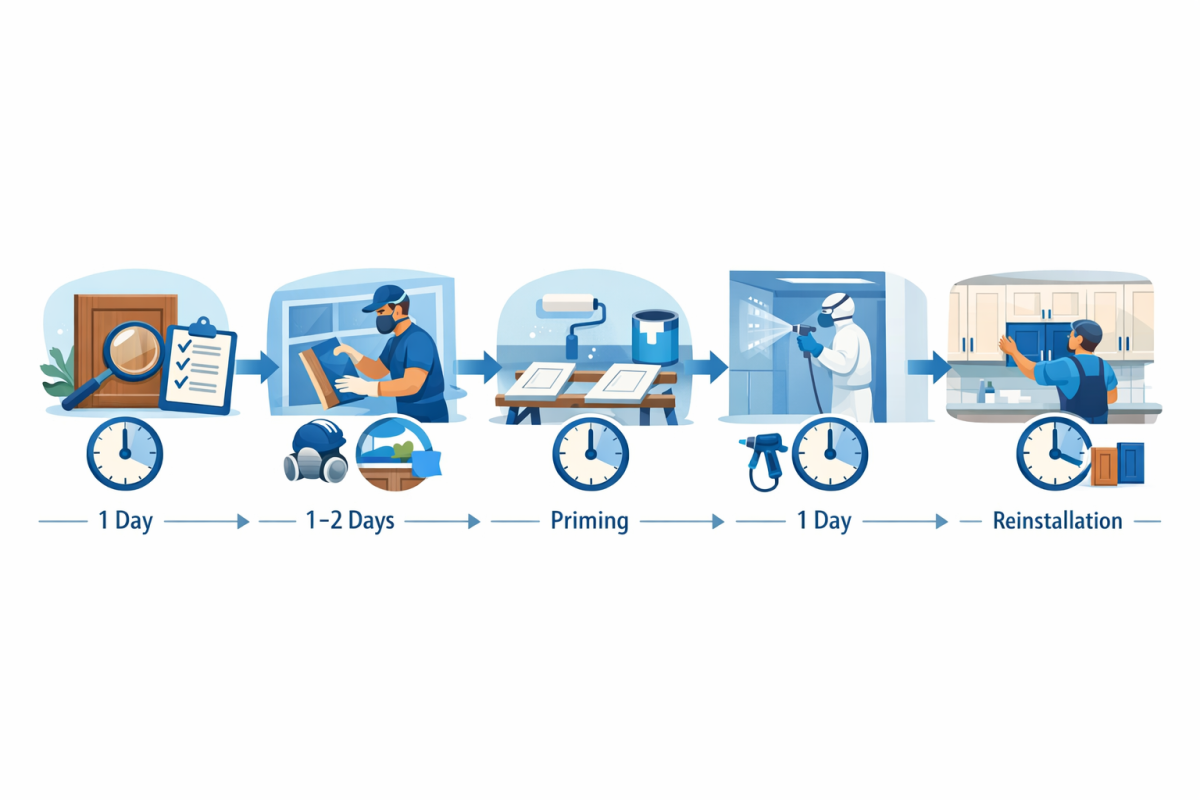
The Professional Cabinet Painting and Refinishing Process
A long-lasting cabinet finish is all about process and materials. This is where professional refinishing separates itself from DIY projects that chip or peel in a year.
Step 1: Evaluation, Prep, and Protection
Professionals begin with a detailed evaluation:
- Confirm cabinet material: wood, MDF, laminate, or thermofoil.
- Identify problem areas: water damage, loose hinges, failing seams.
- Document all doors and drawers so every piece returns to the correct location.
Then they:
- Remove doors, drawers, and hardware.
- Mask off countertops, floors, appliances, and walls.
- Build a temporary spray booth or use a controlled shop environment.
A cinematic, wide-angle shot of a Denver kitchen with cabinets masked and prepped for spraying, with plastic sheeting and a temporary spray booth set up.
Step 2: Cleaning and Surface Prep
This is the most critical step, especially in kitchens where oils and cooking residue accumulate.
Quality preparation usually includes:
- Degreasing with professional cleaners to remove oils and contaminants.
- Mechanical sanding or scuff-sanding to create a proper bonding surface.
- Filling dings, nail holes, and minor damage with filler or epoxy.
- Caulking gaps at face frames or trim where needed.
Pro Tip: Ask specifically how your contractor handles cleaning and degreasing. Poor prep is the number one reason paint fails on cabinets within the first two years.
Step 3: Priming for Adhesion and Stain Blocking
Cabinets need a different primer than walls. High-adhesion, stain-blocking primers that are compatible with the topcoat are standard for pro work. For oak or other open-grain species, additional steps such as grain filling or specialized primers can help create a smoother, more modern look.
Step 4: Spraying the Finish Coats
For a custom, furniture-grade look, most pros spray rather than brush:
- Use high-performance cabinet enamels or conversion varnishes.
- Apply two to three coats, sanding lightly between coats for smoothness.
- Control temperature and humidity to ensure proper curing.
This sprayed finish is what gives refinished cabinets that factory-level appearance and durability when done correctly.
To see this workflow visually, you can also review the process breakdown at Cabinet Refinishing Services Denver Co Cabinet Painting Services Denver Co Kitchen Cabinet Painting.
Design Choices That Maximize ROI in Denver Kitchens and Baths
The finish you choose matters not only for aesthetics, but also for how well the space photographs, rents, and sells.
Colors That Work for Resale and Rentals
For Denver metro properties, the most consistent performers are:
- Warm whites and soft creams: Pair well with quartz, granite, and modern backsplashes. Great for resale and broad appeal.
- Greige and light taupe: Works in homes with warmer wood floors or stone.
- Two-tone schemes: White uppers with darker lowers for a custom look.
- Deep blues and greens: Ideal as a feature on an island or limited run, especially in higher-end or staged properties.
For rental units, mid-tone colors that hide minor wear often outperform pure white because they show fewer scuffs over time.
Finish Sheen and Texture
- Satin or semi-gloss: Most common for cabinets. Offers good cleanability without highlighting every imperfection.
- Open grain vs filled grain: Oak cabinets can be left with visible grain for a more classic look or treated with additional steps to minimize grain for a contemporary feel.
Hardware and Minor Modifications
During refinishing, you can also:
- Upgrade to soft-close hinges and slides.
- Change from traditional pulls to modern bar handles.
- Add crown molding or light rail trim and paint it to match.
These small investments often make the refinishing work feel like a full custom cabinet replacement, especially in listing photos.
A cinematic before-and-after split image: on the left, dated oak cabinets; on the right, the same kitchen with crisp white painted cabinets, new hardware, and modern lighting.
Cost, Timing, and Disruption: What to Expect in the Denver Area
Timelines and budgets are critical for homeowners living through a project, as well as for investors trying to hit a market window.
Typical Cost Ranges
Actual pricing depends on kitchen size, condition, and finish complexity, but general Denver-area ranges for professional custom cabinet painting and refinishing are:
- Small kitchen (8–12 doors): Often in the $2,500 to $3,500 range.
- Average kitchen (18–28 doors): Commonly $3,500 to $6,500.
- Large or high-end kitchens: Often $6,500 to $10,000+, especially with specialty finishes, grain filling, or multi-color schemes.
Compared to full replacement, which often runs $12,000 to $25,000 for mid-range cabinets, refinishing often saves 50 to 70 percent while delivering a very similar visual impact.
Project Duration and Daily Life
Most occupied homes see:
- 3 to 5 days of on-site work for a typical kitchen.
- 7 to 10 days total including off-site spraying of doors and drawers and curing time.
You usually retain limited access to your kitchen between phases, though doors and drawers may be off for several days. For rentals and flips, the space is typically empty, which allows faster workflow.
Important: Clarify curing times with your refinisher. Most products are dry to the touch in hours, usable in a day or two, but reach full hardness over 7 to 30 days. Gentle use at first helps the finish last.
For combined kitchen and bathroom projects, timelines can be coordinated so units are offline for the shortest possible period, which matters for landlords and property managers.
Choosing a Qualified Cabinet Refinishing Partner
Not all painters specialize in cabinets. Since cabinets sit at eye level and take heavy daily wear, experience and process matter more here than in most paint jobs.
What to Ask Before You Hire
When you interview potential providers, ask specific questions such as:
- How many cabinet projects have you completed in the last year?
- What products do you use for primer and topcoat, and why?
- Do you spray or brush and roll the doors and frames?
- How do you handle degreasing and surface prep?
- Can I see before and after photos and speak with recent clients?
Look for contractors who provide clear, detailed scopes of work, not vague references to “painting cabinets.”
Red Flags to Watch For
Be cautious if you hear:
- “We use the same paint as on walls.”
- “We do light sanding only, no cleaning required.”
- “We can brush everything in one or two days.”
Those shortcuts usually show up as peeling or chipping within a year, especially above dishwashers, coffee makers, and ranges where moisture and heat are higher.
To see examples of well-documented process and results, review Cabinet Refinishing And Cabinet Painting Denver, which outlines both methods and local project photos.
Care, Maintenance, and Long-Term Durability
Once your cabinets look like new, simple habits will keep them that way much longer.
Daily and Weekly Care
- Wipe spills quickly, especially near sink bases and dishwashers.
- Clean with a soft cloth and non-abrasive cleaner or mild soap and water.
- Avoid harsh chemicals, scouring pads, or “magic erasers” on painted surfaces.
Heat and Moisture Management
- Use vent hoods when cooking to reduce grease and moisture.
- Open the dishwasher slightly after cycles to vent steam.
- In rental units, provide tenants with simple care instructions to reduce damage.
Touch-ups and Future Updates
High-quality professionally applied finishes are typically designed to last many years. Minor chips are usually repairable without redoing the entire kitchen, and many contractors can provide a small amount of touch-up material when the project ends.
Key Takeaway: Good maintenance does not require special products. Gentle cleaning, quick spill management, and basic tenant education in rentals are usually enough to keep cabinets looking fresh for years.
Smart Next Steps with Cabinet Refinishing Denver
If you are considering custom cabinet painting and refinishing for a home in Denver, a rental portfolio, or a flip, the next step is to get project-specific advice and pricing. Every kitchen and bath has its own mix of conditions, goals, and constraints.
Cabinet Refinishing Denver focuses specifically on cabinet refinishing and cabinet painting in the Denver metro area, including Golden, Arvada, and surrounding communities. They evaluate existing cabinet conditions, recommend the most cost-effective finish options for your situation, and provide clear timelines that align with move-in dates, listing schedules, or tenant turnovers.
If you want to see how much value you can unlock from the cabinets you already have, visit their site and request an assessment.
Learn more
Frequently Asked Questions
How long does professionally refinished cabinet paint last?
With proper preparation, quality products, and normal household use, professionally refinished cabinets typically last 8 to 15 years before needing significant work again. In higher-traffic rentals, you might see some wear earlier at high-contact points, but the overall finish should remain intact much longer than a basic DIY paint job. Regular gentle cleaning and moisture control help extend the life of the finish.
Can you paint or refinish laminate or thermofoil cabinets?
Laminate can often be refinished with the right bonding primers and preparation, as long as it is not peeling or delaminating. Thermofoil is more challenging, particularly if the foil is already separating. In some cases, professionals can remove failing thermofoil and refinish the underlying substrate. In other cases, partial replacement or refacing is more appropriate. An on-site evaluation is important for these materials.
Is cabinet painting a good idea for rental properties?
Yes, when done with durable products and a strong prep process, cabinet painting is an excellent upgrade for rentals. It elevates the perceived quality of the unit, photographs well for online listings, and can support higher rents. For rentals, it is often wise to choose mid-tone colors and a satin or semi-gloss sheen that can handle frequent cleanings and that hides minor scuffs better than bright white.
Do I need to remove everything from my cabinets before refinishing?
For best results and to protect your belongings, you should remove items from cabinets and drawers that will be worked on. Some contractors allow limited contents to stay in lower cabinets if they can mask effectively, but full removal is safer and cleaner. In occupied homes, many owners pack kitchen items into boxes temporarily, similar to a small move, then take the opportunity to declutter before reloading.
Can I stay in my home during the cabinet refinishing process?
Most homeowners in the Denver area remain in their homes during cabinet refinishing, though you should expect some disruption. You may have limited kitchen use for several days, and there will be masking, equipment, and mild odors during spraying and curing. Professionals use ventilation and low-VOC products when possible to minimize impact. For flips and vacant rentals, work can proceed even faster without occupants present.