


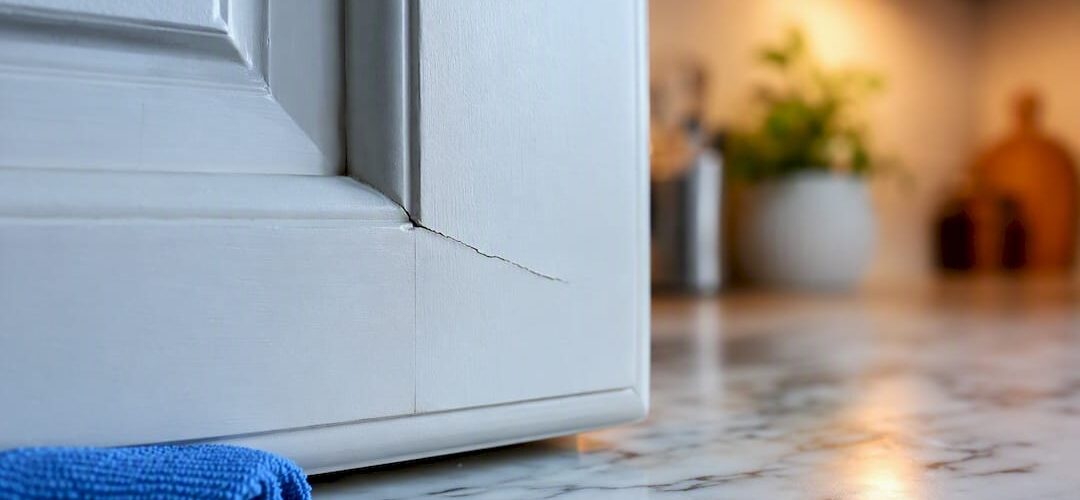
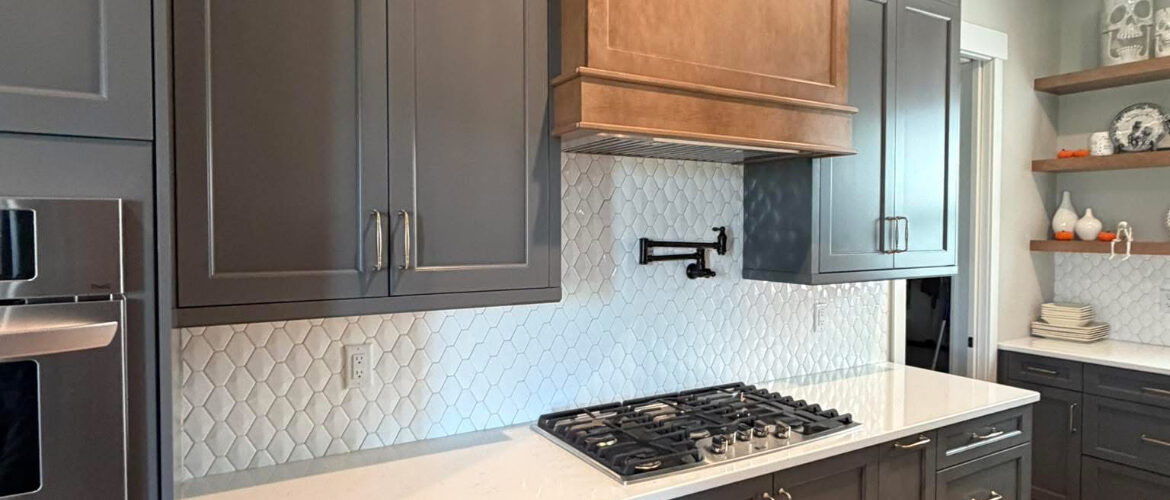
Why Reliable Cabinet Refinishing Matters In Denver Metro
Cabinet refinishing can make a 1990s kitchen look market ready, without the cost and disruption of full replacement. For Denver metro homeowners, investors, and property managers, the challenge is not deciding to refinish. The challenge is finding reliable cabinet refinishing professionals across Denver metro who deliver consistent, durable results.
Poor prep, cheap materials, or fly‑by‑night crews can lead to peeling finishes, schedule overruns, and frustrated tenants or buyers. Done right, refinishing can cut kitchen update costs by 40 to 60 percent compared to replacement, while turning projects around in days instead of weeks. My Review of Graco FFLP Tips for Spraying Cabinets
Cabinet Painting Service Areas in Denver & Surrounding Cities, Cabinet Refinishing in Denver County,
Serving Lakewood, CO, Littleton, CO, Golden, CO, Evergreen CO, Roxborough Park CO, Ken Carl Ranch CO,
Arvada, CO, Wheat Ridge, CO,
and Parker CO. Castle Pines CO. Englewood CO. Centennial CO.
Cabinet Painting in Arapahoe County, CO
Including Centennial, CO, Greenwood Village, CO,
Cherry Hills Village, CO, Englewood, CO,
and Aurora, CO.
Cabinet Painting in Adams County & Broomfield, CO
This guide breaks down how to screen companies, what to expect from a professional refinishing process, and the specific red flags to watch for in the Denver market. Whether you are updating a single condo in Capitol Hill or an entire portfolio in Aurora and Lakewood, you will know exactly how to hire with confidence.
What “Reliable” Really Means For Cabinet Refinishing Pros
Before you hire, it helps to define reliability in practical, measurable terms. It is more than a friendly estimator or a nice website.
Core reliability traits to look for
A reliable cabinet refinisher in the Denver metro area will consistently:
- Show up when promised, with clear communication before and during the project
- Deliver the agreed scope of work, finish type, and color match
- Protect adjacent finishes, flooring, and furnishings
- Hit realistic timelines, and communicate quickly if anything changes
- Stand behind their work with a written warranty
For busy property managers and investors, reliability also means predictable scheduling, so vacant units return to market quickly and tenant disruptions stay minimal.
Local Denver considerations
Denver’s climate adds specific demands:
- High altitude UV can fade poor‑quality coatings faster
- Dry air and temperature swings can cause wood movement and joint cracking
- Many homes have builder‑grade oak or thermofoil doors that require specialized prep
Professionals who work across the Denver metro daily understand these issues and adjust product selection, cure times, and ventilation to match local conditions.
Key Takeaway: Ask refinishing pros to explain how they adapt products and processes to Denver’s dry, high‑UV climate. Vague answers usually signal inexperience.
How To Vet Cabinet Refinishing Professionals Across Denver Metro
Thorough vetting is the single best way to avoid costly mistakes. Instead of collecting three random quotes, use a structured evaluation process.
Start with verification and basic credentials
Create a shortlist, then check:
- Colorado business registration and years in operation
- General liability insurance and, where applicable, workers’ compensation
- Any manufacturer certifications for coatings or spray systems
- Physical address or established service area in Denver metro, not just a PO box
Many reliable refinishing pros list their service coverage on pages like Professional Cabinet Refinishing Cabinet Painting In Denver Metro. This helps confirm they regularly work in your specific neighborhood or suburb.
Dig into reviews and real project photos
Online reviews alone do not tell the full story, but patterns do. Look for:
- Mentions of communication, punctuality, and cleanliness
- Comments about finishes holding up 1 to 3 years after completion
- Photos that show full kitchens, not just small door close‑ups
- Consistency across platforms, for example Google, Yelp, and Facebook
Ask each company for at least three recent references, ideally including:
- One homeowner (occupied residence)
- One rental or flip project (time‑sensitive)
- One repeat client, such as a property manager or investor
Questions that separate pros from amateurs
Ask these during your estimate:
- “What is your step‑by‑step process from day 1 to final walkthrough?”
- “What specific products, primers, and topcoats do you use on kitchen cabinets and why?”
- “How do you manage dust and overspray in occupied homes?”
- “What is your typical lead time and how long will my project realistically take?”
- “What happens if there is a touch‑up or failure after completion?”
Professionals answer in clear, non‑defensive detail. Vague or overly sales‑y responses are a warning sign.
Comparing Refinishing Quotes: Cost, Scope, And Value
Price alone does not tell you who is reliable. You need to compare scopes side by side.
Common pricing ranges in Denver metro
Actual costs vary with size and complexity, however these ranges are typical for professional cabinet refinishing in the Denver area:
| Project Type | Typical Range (Denver Metro) | Notes |
|---|---|---|
| Small condo kitchen | $2,000 – $3,500 | 15–25 doors/drawers |
| Standard single‑family kitchen | $3,500 – $6,000 | 25–40 doors/drawers |
| Large custom kitchen + island | $6,000 – $9,000+ | Premium products, glazed or two‑tone finishes |
| Bathroom vanity set (per room) | $600 – $1,200 | Often discounted when bundled with kitchen |
Upfront, quality refinishing should usually cost 40 to 60 percent less than full cabinet replacement, once you factor in new boxes, countertops, plumbing, and demo.
What should always be in a professional scope
When you read proposals, confirm that they spell out:
- Complete cleaning and degreasing
- Mechanical sanding or abrasion of all surfaces to be coated
- Repairs to minor dings and nail holes
- High‑bond adhesion primer, not just “paint and go”
- Sprayed finish on doors and drawer fronts
- Clear description of what will be brushed or rolled on site
- Number of topcoat layers and sheen level
- Responsibility for hardware removal and reinstallation
- Protection methods for floors, appliances, and countertops
You can see examples of clearly defined services in offerings like Professional Cabinet Refinishing Painting Services Across Denver Metro Area, which break out refinishing and painting details.
Spotting suspiciously low or high bids
Be cautious if:
- One bid is far below the others, by 25 percent or more
- A very low bid uses generic “paint,” not cabinet or industrial coatings
- There is no mention of primer, or they say, “We skip sanding with our special product”
Extremely high bids are not automatically better, but they should be backed by:
- Premium, proven coatings
- Extended warranties
- Detailed process documentation
Pro Tip: Ask each contractor to confirm in writing that their coatings are specifically rated for cabinets or trim, not just for walls. This small question weeds out many unqualified painters.
Inside A Professional Cabinet Refinishing Process
Understanding what a professional process looks like allows you to hold contractors accountable and compare apples to apples.
Typical step‑by‑step sequence
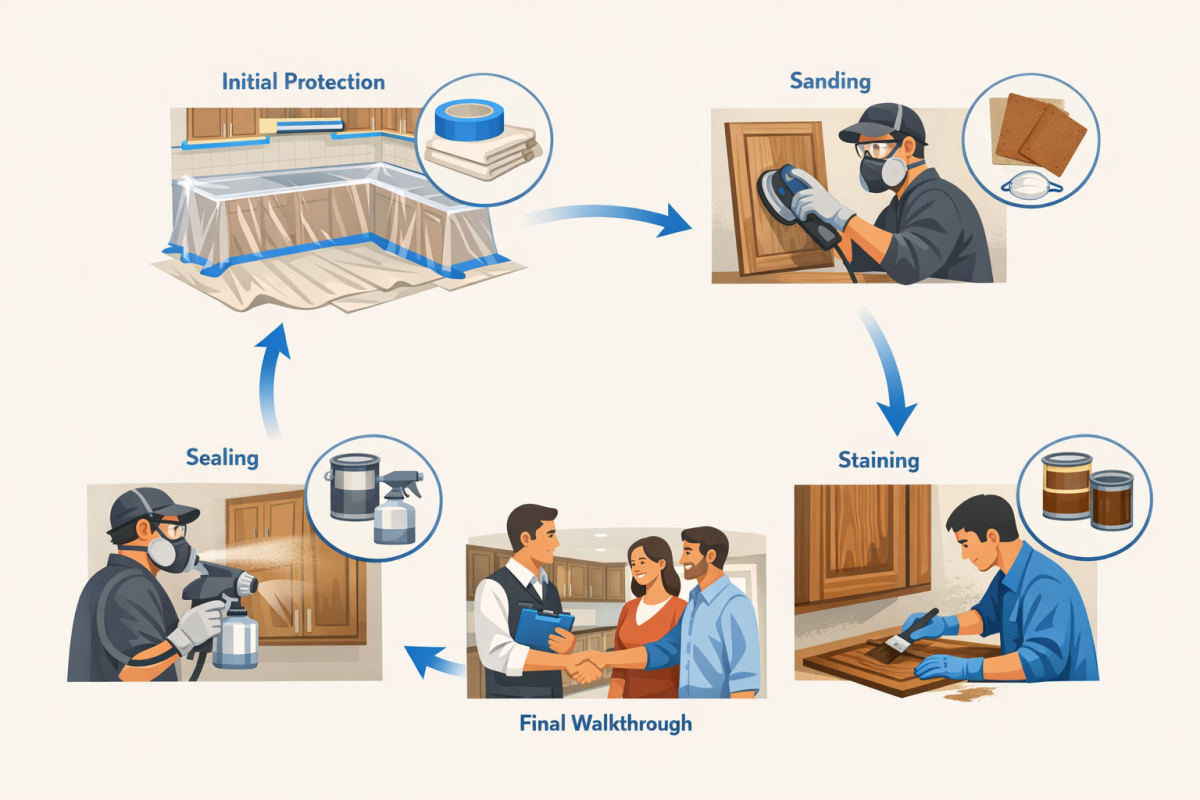
While each company has its own system, a reliable workflow generally includes:
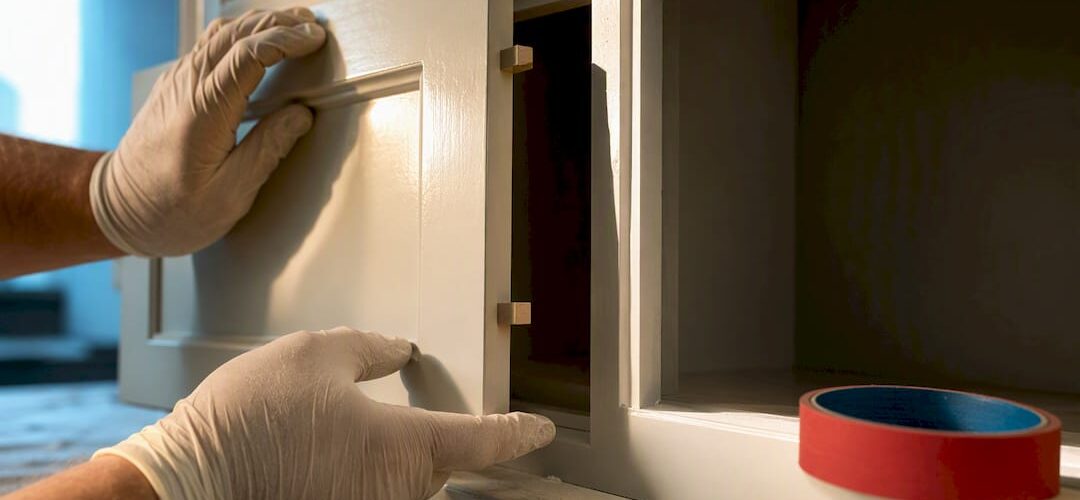
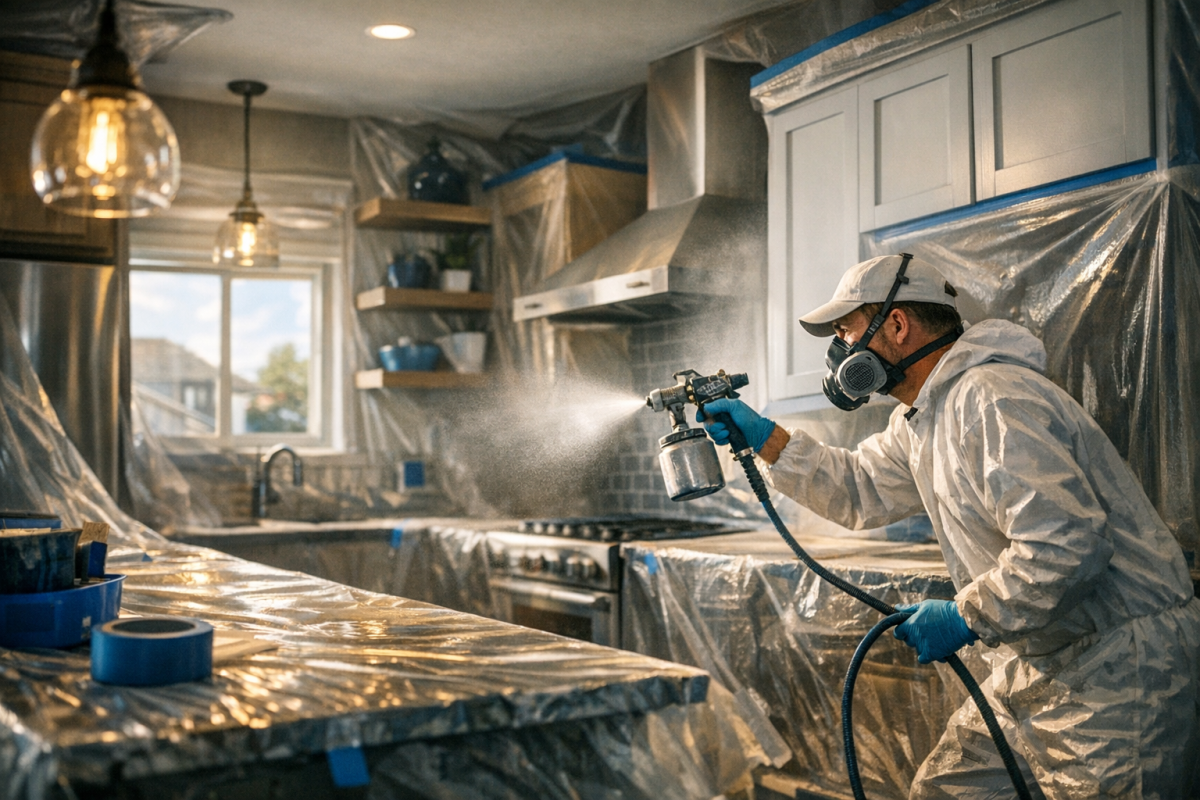
- Site prep and protection: Masking floors, countertops, appliances, and walls. Setting up plastic walls and ventilation.
- Door and drawer removal: Labeling for accurate reinstallation, then transporting to a controlled spray area or shop.
- Cleaning and degreasing: Using dedicated cleaners to remove oils, waxes, and cooking residue.
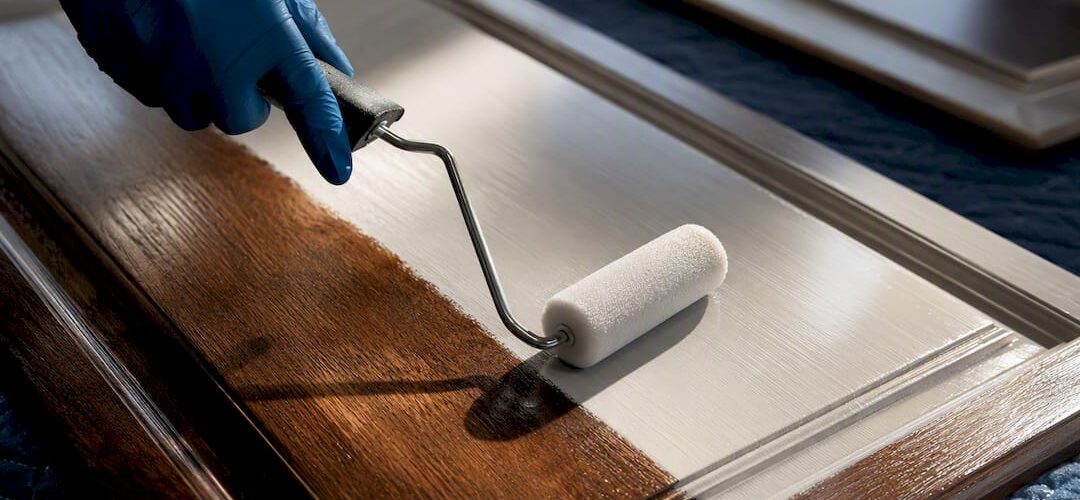
- Sanding and surface prep: Scuff sanding all surfaces, filling minor defects, and addressing loose veneer if present.
- Priming: Applying a bonding primer formulated for slick, previously finished surfaces.
- Sanding between coats: Light sanding between primer and topcoats for a glassy finish.
- Topcoating: Two or more coats of cabinet‑grade enamel, urethane, or conversion varnish, usually sprayed for a factory‑like look.
- Curing and reassembly: Allowing appropriate cure time, then reattaching doors, drawer fronts, and hardware.
- Final walkthrough: Reviewing with the client, addressing any touch‑ups, and reviewing care instructions.
Timeline expectations
For a standard Denver metro kitchen, expect:
- On‑site disruption: 3 to 5 working days in most cases
- Total project duration: 7 to 10 days including cure time and off‑site spraying
- Faster timelines for vacant flips or rentals, since masking and protection are simpler
Investors and property managers can further optimize schedules by batching projects in the same complex, which many refinishing pros will discount.
Special Considerations For Different Client Types
Reliable professionals tailor their approach based on who they are working for and the property type. Your needs as a homeowner differ from those of a multi‑unit property manager.
Homeowners and new buyers
Key priorities:
- Minimizing disruption to daily life
- Protecting personal belongings and finishes
- High design quality, including color consultation and hardware upgrades
Look for:
- Clear daily start / stop times
- Dust and odor control plans
- Option to test sample doors or color swatches
Real estate investors and house flippers
Key priorities:
- Speed to market and predictable schedules
- Cost control without sacrificing resale appeal
- Standardized finishes across multiple properties
Ask about:
- Predefined “flip packages” featuring popular colors and hardware
- Volume pricing for multiple projects
- Weekend or off‑hours work in vacant properties
A reliable, repeatable service model, like that described in Professional Cabinet Refinishing Painting Services Across The Denver Metro Area, is especially valuable here.
Property managers and multi‑unit buildings
Key priorities:
- Coordinating with tenants and maintenance staff
- Consistent quality across units
- Processes that reduce complaints and downtime
Request:
- A standard finish spec and touch‑up protocol
- Clear communication templates for tenants
- Proof of insurance and safety practices for shared spaces
Important: For occupied multi‑unit buildings, insist on low‑VOC products and controlled ventilation, especially in winter when windows are closed.
[IMAGE: Cinematic before-and-after split image of a Denver rental kitchen, dated oak cabinets on one side and freshly refinished white cabinets on the other]
Red Flags And Common Pitfalls To Avoid
Even with careful vetting, it pays to know the classic warning signs and frequent mistakes that lead to poor outcomes.
Red flags during estimates and communication
Watch for:
- Unwillingness to provide proof of insurance or references
- Cash‑only pricing or reluctance to put details in writing
- High‑pressure tactics such as “today only” pricing
- Lack of clarity about who will be on site, for example subs vs employees
Professionals welcome questions and put everything in a written proposal.
Quality issues that show up after the job
The most common failures typically result from rushed prep or improper products:
- Peeling or chipping around handles within months
- Tacky or soft finish that never fully cures
- Excessive brush marks when you expected a sprayed look
- Overspray or paint on floors, appliances, or walls
Many of these problems appear within the first 6 to 12 months, which is why a real, written warranty is essential.
Contract and warranty essentials
Before you sign, your agreement should clearly specify:
- Scope of work, including number of coats and exact areas covered
- Specific products or at least product class, such as “2K urethane cabinet coating”
- Start date, projected timeline, and payment schedule
- Warranty length, what is covered, and how claims are handled
Warning: Avoid agreements that only say “paint cabinets” without details. Lack of specificity is where expectations and reality drift apart.
When To Call Cabinet Refinishing Denver
At some point in your research, you need a real‑world proposal, not just theory. This is where a specialized provider such as Cabinet Refinishing Denver can shorten the learning curve.
Their team focuses on cabinet refinishing and painting across the Denver metro, with service offerings documented at Professional Cabinet Refinishing Cabinet Painting In Denver Metro. That specialization typically translates into:
- Proven systems tailored to Denver’s climate and housing stock
- Consistent results across both high‑end homes and rental portfolios
- Clear communication on scheduling, especially important for occupied units
If your project would benefit from:
- A factory‑like sprayed finish instead of a “painted” look
- A partner who can handle both one‑off remodels and repeat investor work
- Guidance on color, sheen, and hardware updates that fit your target market
Then it is worth requesting a detailed quote and process walkthrough.
To see how their refinishing approach aligns with your goals and timeframe, visit Cabinet Refinishing Denver and select the service area that matches your property.
Learn more.
Moving Forward With Confidence
Finding reliable cabinet refinishing professionals across Denver metro does not have to be a gamble. When you:
- Verify credentials and insurance
- Compare detailed scopes, not just prices
- Understand the professional refinishing process
- Match providers to your specific property type and priorities
You dramatically improve the odds of a smooth project and a finish that holds up for years.
Use this guide as a checklist when you interview contractors and review quotes. A few extra hours of due diligence now will save you thousands in rework, lost rent, or delayed sales later.
Frequently Asked Questions
How long does cabinet refinishing typically last in Denver’s climate?
With proper prep and cabinet‑grade coatings, a professionally refinished kitchen in Denver usually lasts 8 to 15 years before needing a refresh. Factors that shorten lifespan include heavy wear in rental units, harsh cleaners, or low‑quality products. Ask your refinisher about expected performance and warranty coverage, and follow their care guidelines, such as avoiding abrasive pads and strong solvents.
Can all types of cabinets be refinished?
Most solid wood and quality veneer cabinets can be refinished successfully. Laminate and thermofoil doors require specialized prep, and severely delaminated faces may need replacement, not just coating. Particleboard that has swollen from water damage is not a good candidate. A reputable Denver refinisher will inspect your cabinets, identify any problem materials, and recommend repair or replacement where refinishing will not hold up.
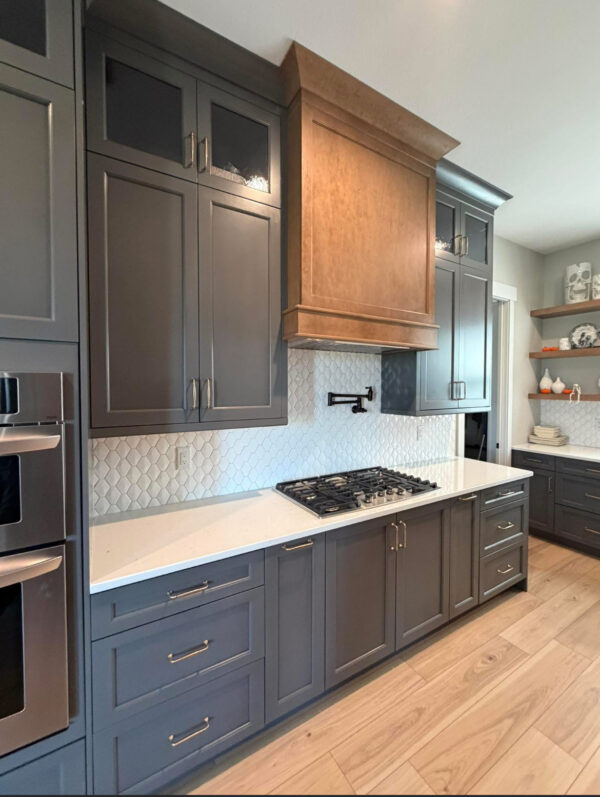
Cabinet painting Denver CO
How disruptive is cabinet refinishing for occupied homes?
Expect some disruption, but a professional crew will minimize it. You will typically lose full use of your kitchen for 3 to 5 days, although you can often access the fridge and sink after hours. Good refinishing companies set up plastic barriers, protect floors, and manage odor and dust carefully. If you work from home, ask about the noisiest phases, like sanding and spraying, to plan around them.
Is cabinet refinishing worth it for rental properties and flips?
For rentals and flips in Denver metro, refinishing is often one of the highest‑ROI upgrades. It can transform dated oak or maple kitchens into clean, modern spaces at a fraction of replacement cost, while shortening downtime. Standardizing colors and finishes across units also simplifies maintenance and touch‑ups. The key is choosing durable coatings and a provider experienced with investor timelines and budget constraints.
Should I refinish cabinets before replacing countertops?
Yes, in most cases you should refinish cabinets before installing new countertops. Refinishing involves masking, sanding, and spraying, which can risk overspray or minor impacts to adjacent surfaces. Doing cabinets first allows the crew to work more freely. Once the finish cures, countertop installers can complete their work without endangering the coating. Discuss sequence with both your refinisher and countertop contractor to avoid conflicts.