
Yes, a factory finish cabinet painting guarantee is meaningful only when the coating is a sprayed, catalyzed system applied in a dust-controlled environment, not brushed or rolled latex. In Denver, Aurora, Englewood and Golden, the coating choice between 2K poly and latex Emerald determines whether that guarantee holds for 10 or more years or fails within 6 to 12 months.
Table of Contents
- What actually makes a cabinet finish a "factory finish"?
- How is 2K poly different from latex Emerald on kitchen cabinets?
- Why does Denver's climate shorten the life of latex cabinet paint?
- What does a guaranteed factory finish process look like step by step?
- Which cabinets cannot be painted, and when should homeowners walk away?
- Is a factory finish worth the cost compared with replacing cabinets?
- How long does a guaranteed factory finish last, and what does the guarantee cover?
- Key Takeaways
- References
What actually makes a cabinet finish a "factory finish"?
A factory finish is a sprayed pre-catalyzed lacquer or acrylic satin topcoat applied in a dust-controlled environment. It is never brushed or rolled. The application method matters because spraying creates an even film that brushing cannot replicate.
Catalyzed and 2K coatings chemically bond to the cabinet substrate instead of sitting on top like latex paint. This chemical bond is what gives the finish its durability and resistance to chipping. According to Cabinet Painting Colorado, industrial 2K poly and pre-catalyzed coatings from Milesi, Renner, and Envirolak create this bond.
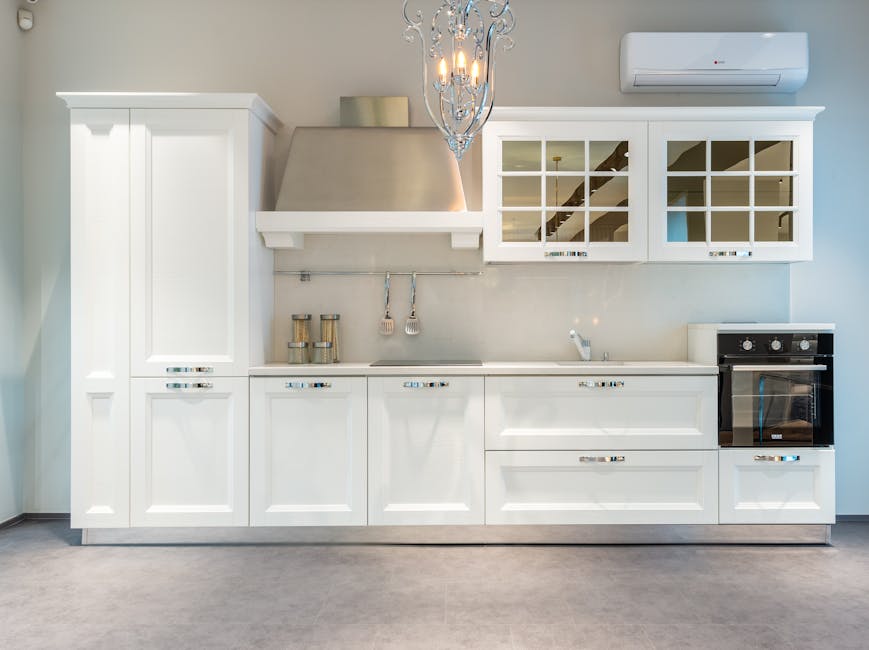
The multi-coat spray process involves several very thin coats, sanded between coats, with 2 to 3 sprayed topcoats. Each coat is allowed to cure before the next is applied. This layering builds a finish that is smooth and consistent.
"Factory finish" is a process standard, not a marketing label. Homeowners can tell the difference by looking for an even satin sheen, no brush marks, and no roller stipple. A true factory finish also has a consistent film thickness across all surfaces, including edges and corners. According to Cabinet Painting Denver, the process follows strict preparation and application steps that a brushed latex job cannot match.
How is 2K poly different from latex Emerald on kitchen cabinets?
2K poly is an industrial two-component catalyzed coating that chemically bonds to the cabinet substrate. Latex Emerald is an acrylic enamel that forms a film sitting on the surface. The chemical bond is the fundamental difference that determines how long the finish lasts.
Industrial 2K poly and pre-catalyzed coatings from Milesi, Renner, and Envirolak are what create the chemical bond. These products are formulated for cabinetry and millwork, not for walls. According to Cabinet Painting Colorado, catalyzed coatings bond to the substrate rather than sitting on top like latex.

Latex films often show chipping within 6 to 12 months in Denver. The film cannot withstand the repeated contact, cleaning, and humidity changes that kitchen cabinets experience. A proper pre-catalyzed finish holds for 10 or more years under the same conditions.
The practical takeaway is that the coating system, not the color, determines durability. A homeowner can choose any color in a 2K poly or pre-catalyzed system and get the same performance. Choosing latex Emerald in the same color will produce a finish that looks similar on day one but fails much sooner. According to Cabinet Painting Denver, the coating chemistry is what makes a guarantee possible.
Why does Denver’s climate shorten the life of latex cabinet paint?
Denver's low humidity pulls moisture out of latex paint before the film can form properly. The dry air causes the water in latex to evaporate too quickly, which prevents the acrylic particles from coalescing into a strong, continuous film. This produces a weak surface layer that is prone to chipping.
The climate factor connects directly to the 6-to-12-month chipping pattern seen with brushed latex. According to Cabinet Painting Denver, Denver's low humidity undermines latex paint film formation. The result is a finish that looks acceptable initially but begins to fail at high-contact points within months.
A sprayed, catalyzed system is formulated to cure properly in these conditions. Two-component and pre-catalyzed coatings cure through a chemical reaction rather than simple water evaporation. This means the dry air does not interfere with the curing process the way it does with latex.
Homeowners in Denver, Golden and Arvada face the same dry, high-altitude conditions. The climate does not change at the city line. According to Cabinet Painting Colorado, the same coating failures appear across the metro area when latex is used on cabinets.
What does a guaranteed factory finish process look like step by step?
A guaranteed factory finish process follows six steps. The process begins with on-site prep and masking to protect the kitchen. Then the cabinet surfaces are degreased with TSP and sanded to create a clean, profiled surface for adhesion.
The next step is bonding primer. Primer selection depends on the cabinet material. Bonding primers are used for slick factory laminates or thermofoil. Stain-blocking primers are used over oak, cherry, or knotty woods to prevent tannin bleed. According to Cabinet Painting Colorado, the correct primer is critical for long-term adhesion.
After priming, doors and drawers are removed to a spray booth. The finish is then applied with HVLP or airless spray equipment. Multiple thin coats are sprayed, sanded between coats, with 2 to 3 topcoats applied. Finally, the doors and drawers are reinstalled.
Cabinet Refinishing with Factory Finish by Cabinet Refinishing Denver delivers a guaranteed factory finish for homeowners in Denver, Golden and Arvada, CO. A true factory finish is completed in days, not weeks, keeping the kitchen usable throughout the project. According to Cabinet Painting Denver, the full process takes 5 to 7 days.
Which cabinets cannot be painted, and when should homeowners walk away?
It depends on the substrate condition and material. Cabinets with failing substrates, such as delaminating veneer, water-damaged particleboard, or deeply cracked wood, are not good candidates for painting. The coating cannot repair structural damage.
Certain thermofoil or laminate surfaces require bonding primer to make painting possible. According to Cabinet Painting Colorado, bonding primers are used for slick factory laminates or thermofoil. These primers extend what is paintable versus what genuinely is not.
Many Denver homes built before 2000 feature solid oak, cherry, or maple cabinets. According to Cabinets Refinishing Denver, these solid wood cabinets are strong candidates for refinishing because the wood substrate is stable and accepts primer well.
Homeowners should ask a simple checklist before committing. Is the cabinet box structurally sound? Are the doors flat and free of delamination? Has the contractor specified a bonding or stain-blocking primer? Will the finish be sprayed in a dust-controlled environment? Is the coating a catalyzed or 2K system rather than latex?
Is a factory finish worth the cost compared with replacing cabinets?
Yes, a factory finish is worth the cost for most Denver homeowners. A full kitchen demolition and cabinet replacement in Denver often starts at $25,000 and climbs rapidly. According to Cabinets Refinishing Denver, professional refinishing typically costs 60 to 75 percent less than a mid-range cabinet replacement.
A true factory finish holds up 10 or more years at roughly one-third the cost of replacing cabinets. According to Cabinet Painting Denver, the durability of a pre-catalyzed finish makes the cost comparison favorable over time.
Refinishing is quoted on countable items rather than square footage. This makes estimates predictable because homeowners can count doors, drawer fronts, and cabinet boxes. The pricing model is transparent and tied to the actual work performed.
The resale angle also matters. Remodeling's 2024 Cost vs. Value Report shows a minor kitchen remodel in the Mountain region recoups over 85 percent of its cost at resale, according to Cabinets Refinishing Denver. A factory finish cabinet painting project delivers a visible kitchen update at a fraction of replacement cost.
How long does a guaranteed factory finish last, and what does the guarantee cover?
A proper pre-catalyzed finish holds for 10 or more years versus 6 to 12 months for brushed latex in Denver. According to Cabinet Painting Colorado, the chemical bond of a catalyzed coating is what produces this lifespan.
A meaningful guarantee should cover adhesion, chipping, and finish integrity under normal use. Homeowners should request written warranty terms before work begins. The warranty should specify the coating system used, the number of coats applied, and the coverage period.
The environmental benefit is significant. The EPA reported construction created over 600 million tons of debris in 2018, according to Cabinets Refinishing Denver. Refinishing existing cabinets avoids adding to that waste stream.
Homeowners should request documentation of the coating products, the primer type, and the warranty terms in writing before work begins. A guarantee is only as strong as the written terms behind it.
Key Takeaways
- A true factory finish is a sprayed, pre-catalyzed lacquer or acrylic satin topcoat applied in a dust-controlled environment, not brushed or rolled latex.
- Catalyzed and 2K coatings chemically bond to the cabinet substrate, while latex sits on top as a film.
- Brushed latex often chips within 6 to 12 months in Denver's low humidity, while a proper pre-catalyzed finish holds for 10 or more years.
- The factory finish process uses bonding primers on slick laminates and stain-blocking primers over oak, cherry, or knotty woods to prevent tannin bleed.
- A full cabinet replacement in Denver often starts at $25,000, while professional refinining typically costs 60 to 75 percent less.
- Refinishing is quoted on countable items rather than square footage, making estimates more predictable for homeowners.
- Cabinet Refinishing Denver provides a guaranteed factory finish for homeowners in Denver, Golden and Arvada, with a free estimate.
References
- What is factory finish cabinet painting in Denver? — Cabinet Painting Colorado, date unknown
- Is factory finish cabinet painting in Denver worth it? — Cabinet Painting Denver, October 6, 2026
- Average Cost to Have Kitchen Cabinets Painted in Denver: 2026 Price Guide — Cabinets Refinishing Denver, date unknown